
ICSPR Implements Awareness Sessions on Humanitarian Aid Governance in Displacement Shelters Across the Gaza Strip Under the Slogan “Towards Aid That Preserves Dignity”

Date: September 14, 2026
Press Release
ICSPR Implements Awareness Sessions on Humanitarian Aid Governance in Displacement Shelters Across the Gaza Strip Under the Slogan “Towards Aid That Preserves Dignity”
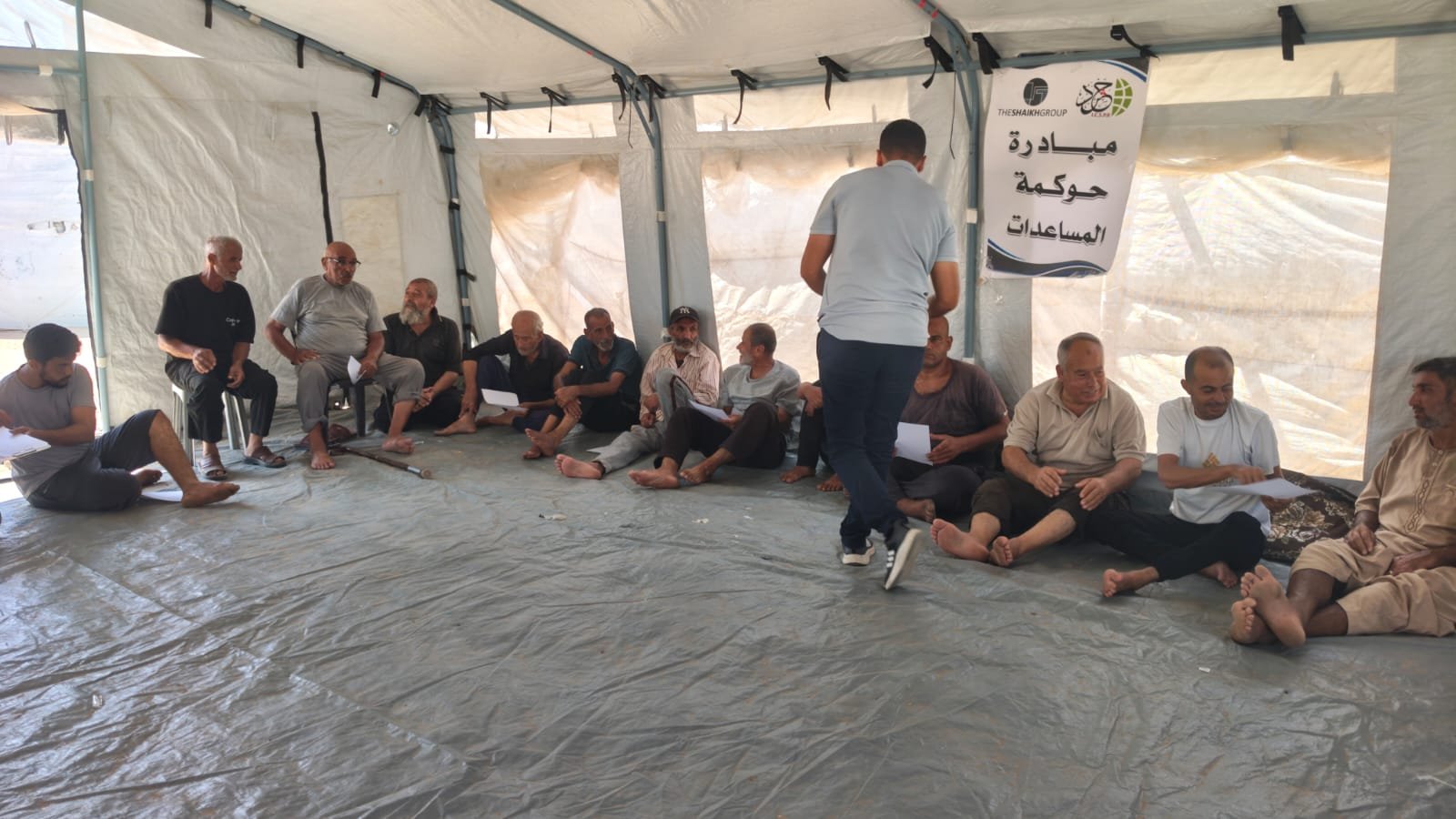
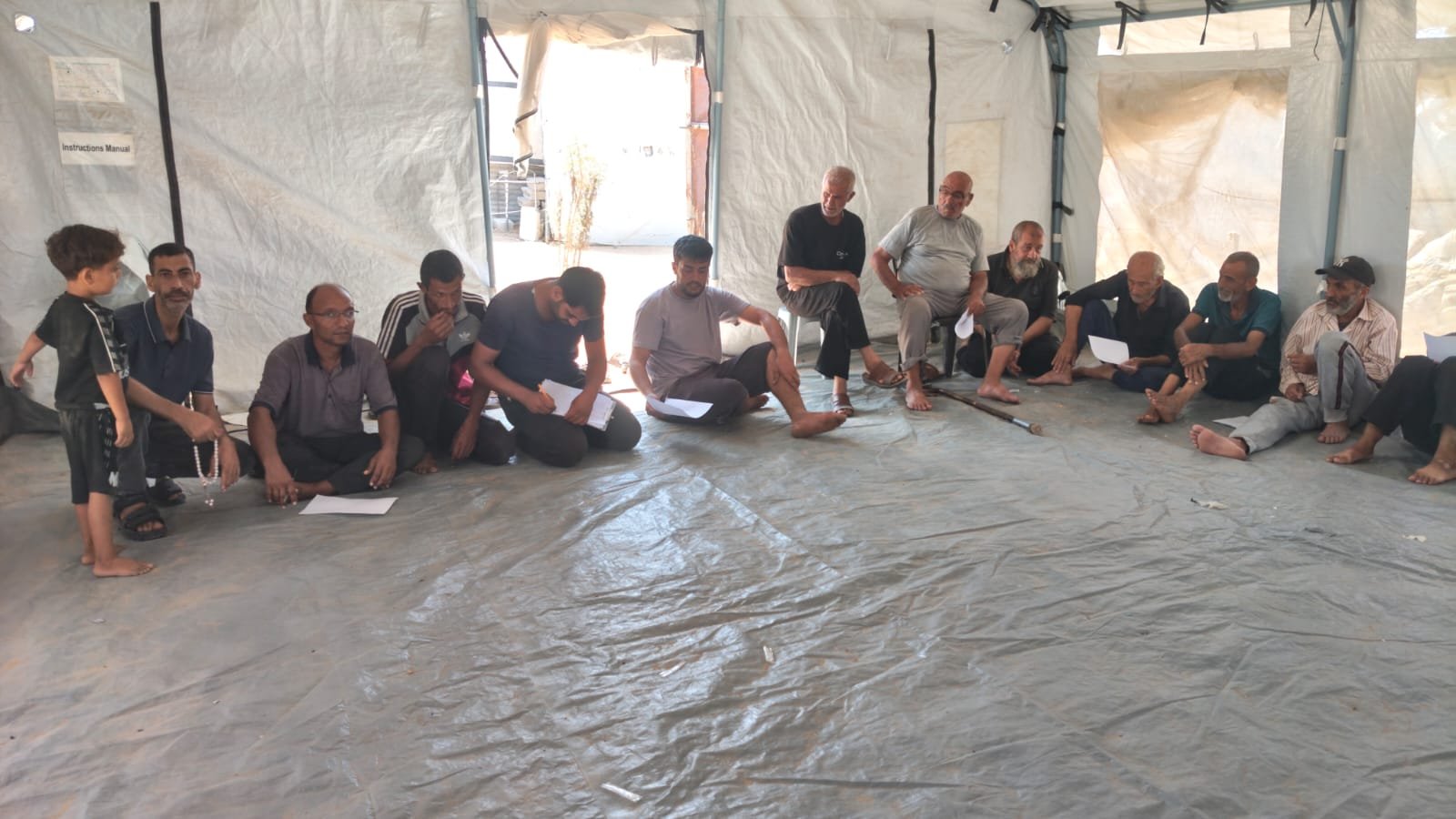
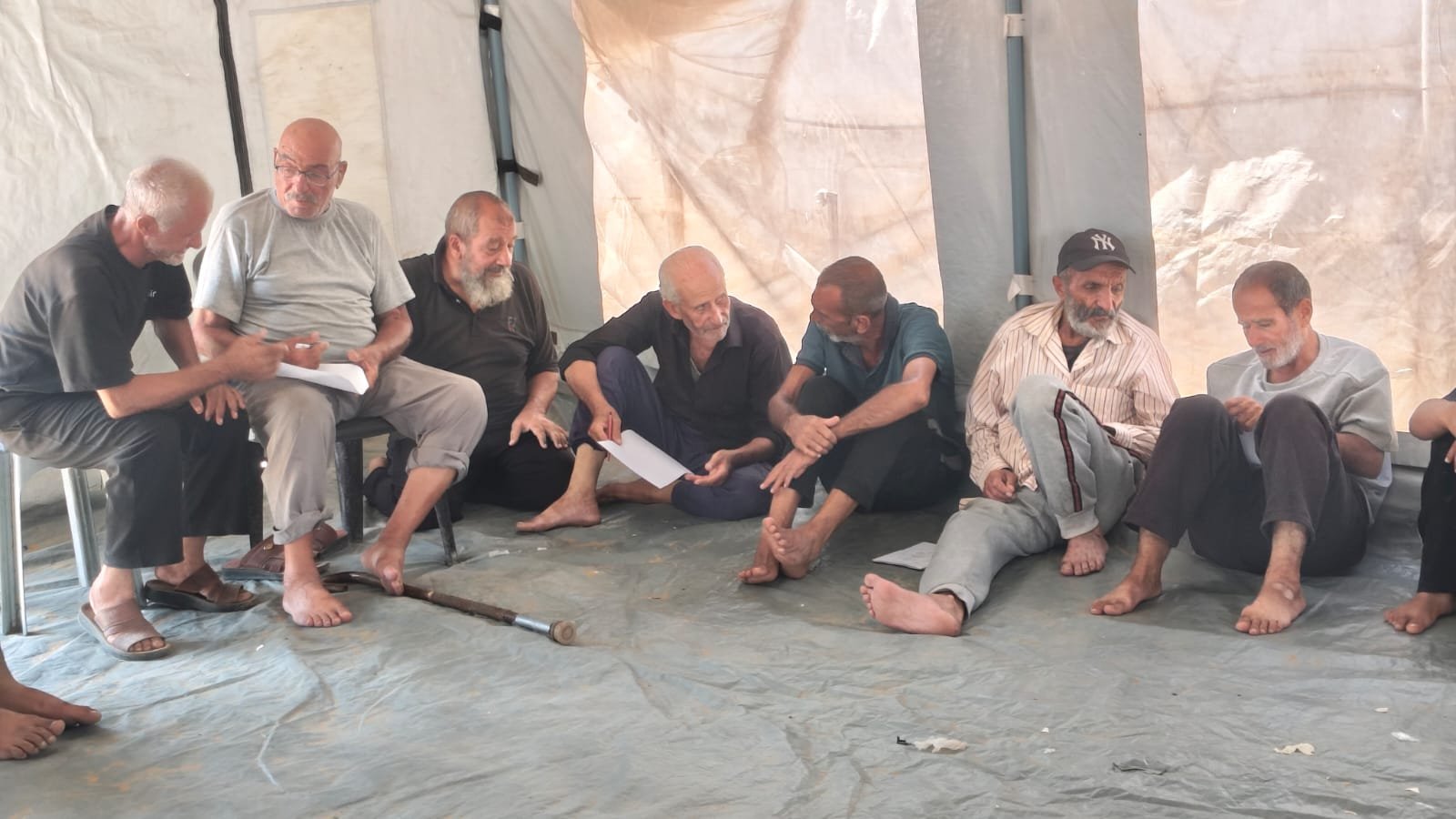
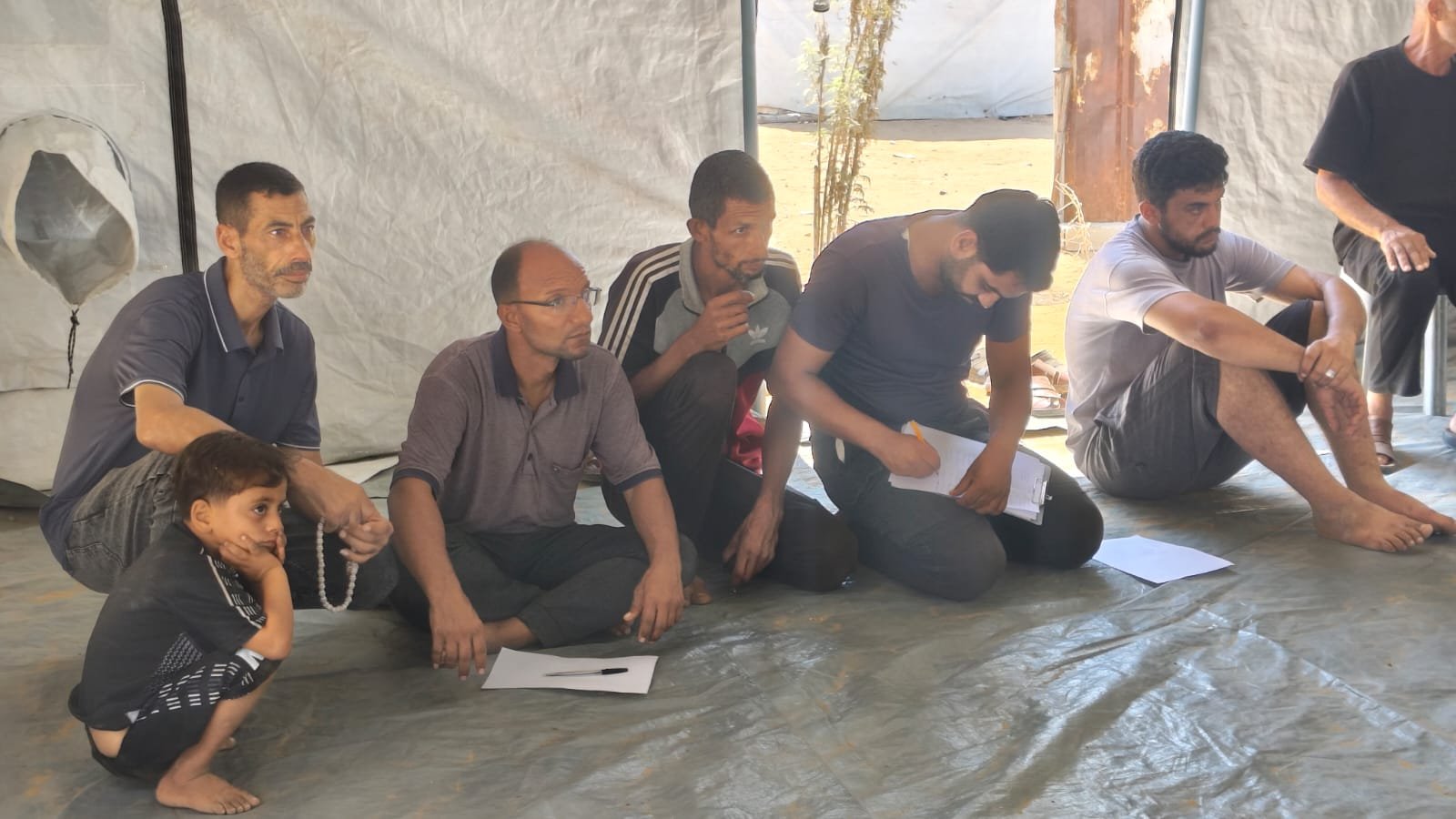
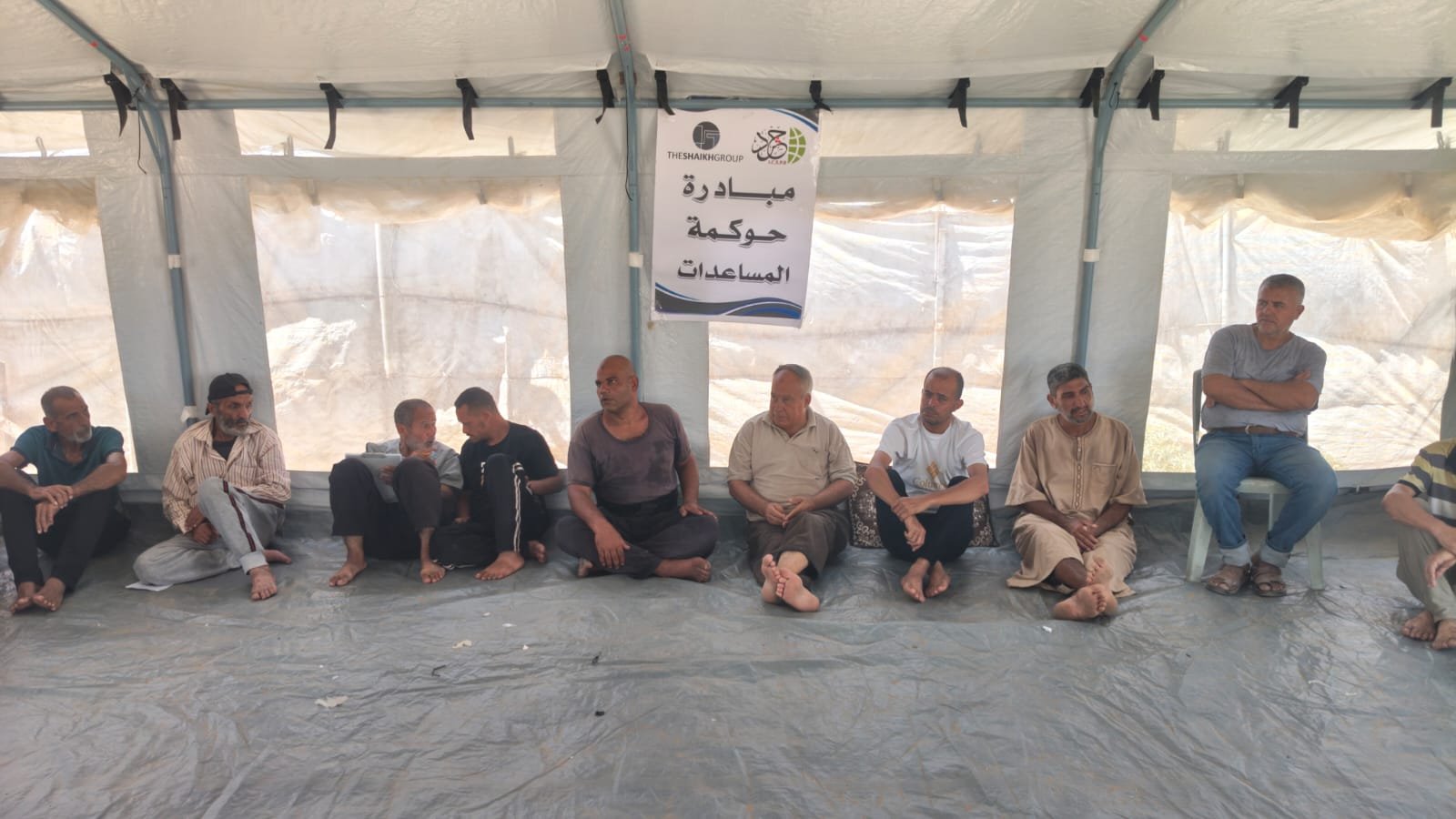
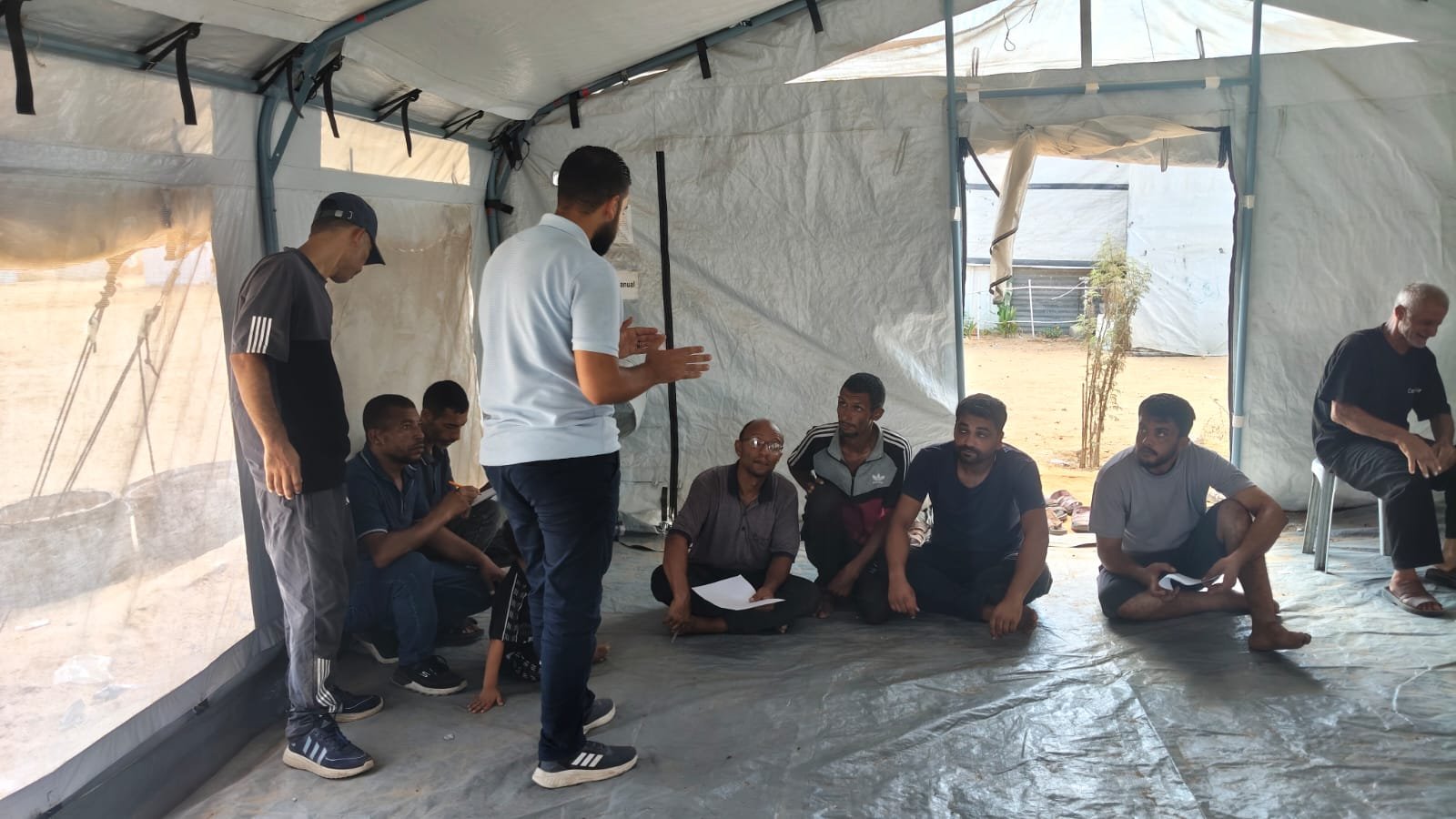
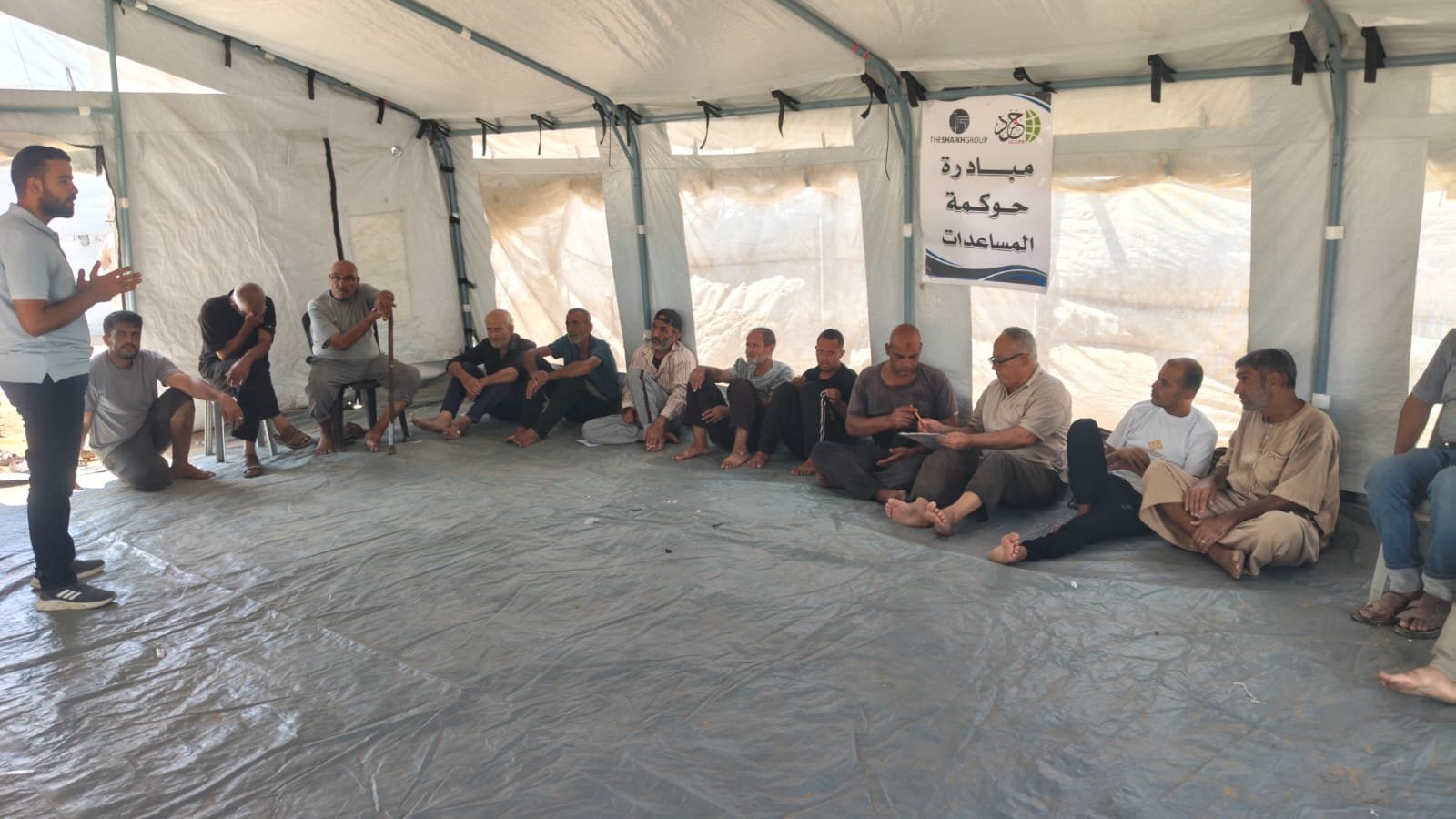
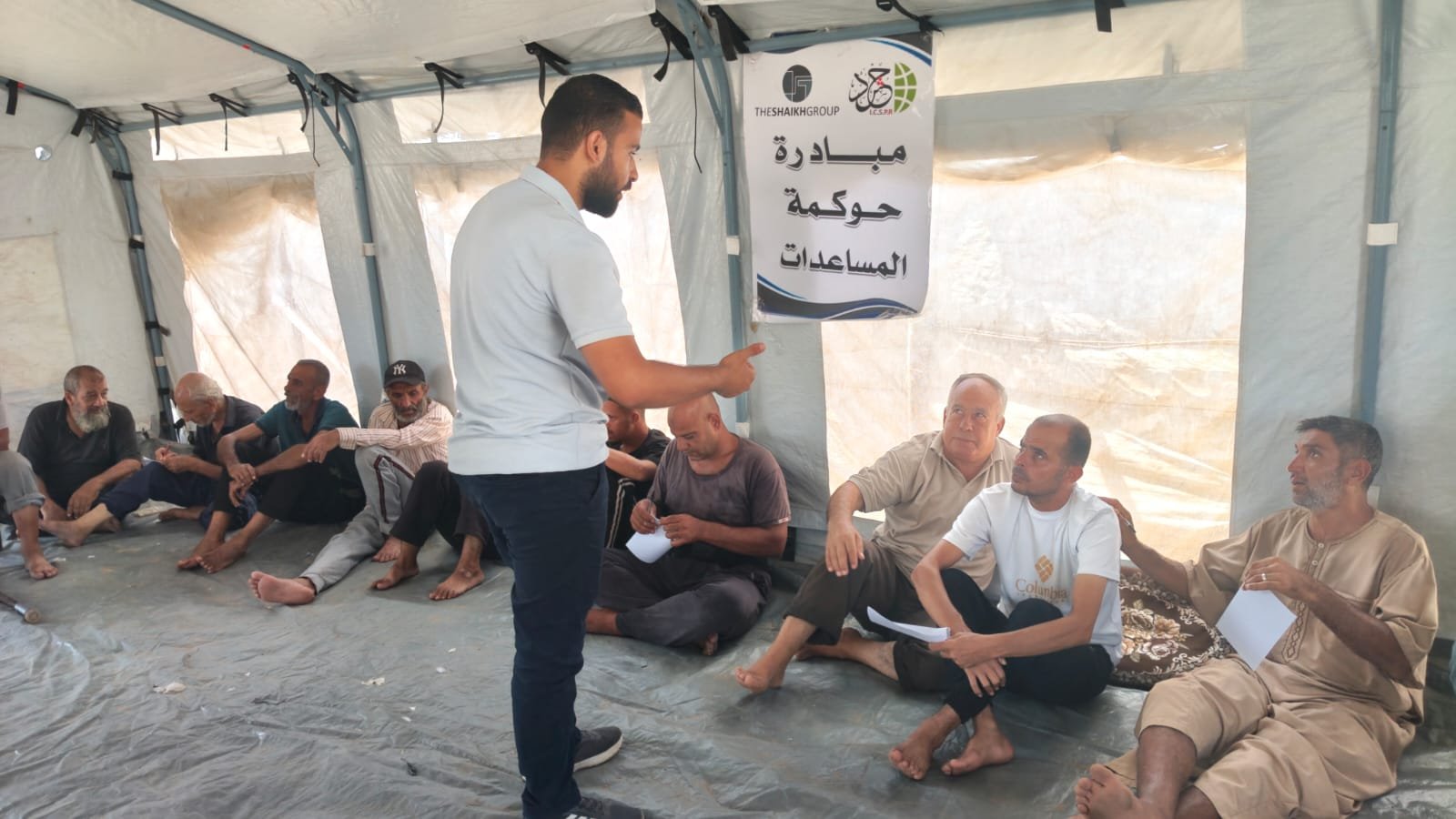
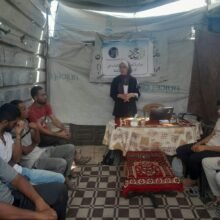
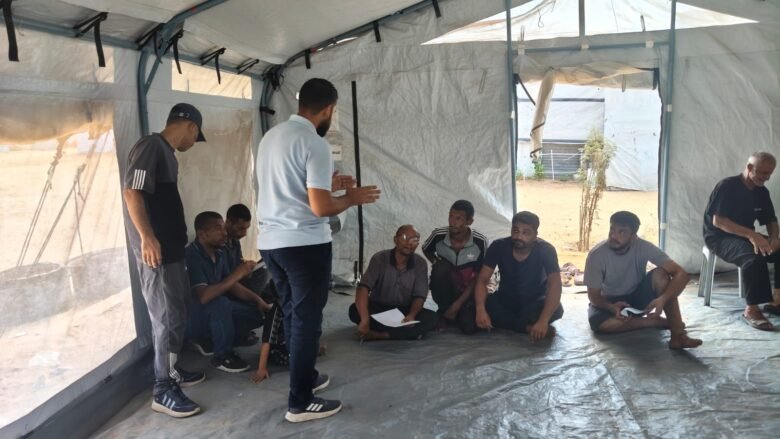
The International Commission to Support Palestinian Rights (ICSPR) implemented a series of awareness-raising and dialogue sessions on humanitarian aid governance in several displacement shelters across the Gaza Strip. The sessions were held between August 31 and September 5, 2026, under the slogan: “Towards Aid That Preserves Dignity.”
The sessions were implemented as part of efforts to raise awareness of displaced persons’ rights and promote the principles of transparency, accountability, and fairness in humanitarian action. They aimed to support equitable access to assistance for the most vulnerable groups through clear and fair criteria, while safeguarding the dignity of people affected by the severe humanitarian conditions in the Gaza Strip.
The initiative included four awareness and dialogue sessions, reaching a total of 122 displaced participants living in shelters. Each session lasted approximately 45 to 60 minutes and was facilitated by Mr. Mohammed Samih Al-Karnaz, using an interactive methodology that enabled participants to discuss the reality of humanitarian assistance and the challenges related to accessing and distributing it.
The sessions introduced participants to the concept of humanitarian aid governance as a set of principles and procedures intended to ensure that assistance is managed and delivered responsibly, fairly, and transparently, while taking into account the needs and rights of affected people. The sessions addressed the main pillars of governance, notably transparency in providing information, accountability to affected communities, fairness in targeting and distribution, and community participation in identifying needs and monitoring humanitarian responses.
The discussions also addressed the situation of humanitarian assistance inside displacement shelters, criteria for fair targeting of the most vulnerable groups, and the importance of ensuring that distribution decisions are based on actual needs. Particular attention was given to the circumstances of children, women, older persons, persons with disabilities, patients, and families facing heightened levels of vulnerability and deprivation.
Participants were also informed about the importance of complaints and feedback mechanisms as essential tools through which displaced persons can submit observations, report concerns, or inquire about services in ways that preserve privacy and dignity. The sessions emphasized that complaint channels should be clear and accessible, and that complaints should be addressed fairly, safely, and in a timely manner, while keeping complainants informed of actions taken within the limits of confidentiality and protection.
ICSPR used interactive approaches that linked theoretical concepts to the daily realities of displaced persons in shelters, with the objective of strengthening their participation in dialogue and priority-setting. The sessions included several practical activities and interactive exercises.
These included the “Rumor Deconstruction Box” activity, which focused on discussing information circulated about humanitarian assistance and verifying its sources before sharing it. The activity aimed to reduce the spread of rumors and unreliable information that may cause anxiety, misunderstanding, or harm relationships within shelters.
The “Justice Pendulum” activity enabled participants to discuss priorities for the distribution of limited resources and consider the criteria that should be used to ensure assistance reaches individuals and families most in need without discrimination or exclusion. The activity helped clarify the relationship between limited resources and the need for fair and transparent procedures in priority-setting and targeting.
The sessions also included the “Decision-Maker Game: Where Should a Complaint Go?”, an interactive exercise designed to familiarize participants with accountability and complaint channels, how to use them, and the entities to which they can turn when they have an objection, observation, or complaint related to aid or services provided. The activity also strengthened participants’ understanding of the importance of submitting complaints responsibly and of beneficiaries’ right to receive an appropriate and safe response.
The sessions contributed to raising participants’ awareness of the principles of humanitarian aid governance and strengthening their understanding of the importance of transparency and fairness in the distribution of resources and services. They also helped reduce the risks associated with rumors and unreliable information, increased displaced persons’ knowledge of complaints and feedback mechanisms, and encouraged community participation in monitoring needs and improving the quality of humanitarian response.
ICSPR emphasized the importance of continuing awareness and dialogue sessions inside displacement shelters and intensifying the dissemination of official and clear information on targeting criteria, schedules, and mechanisms for aid distribution. It also stressed the need to provide safe, confidential, and accessible complaints and feedback channels for all groups, while ensuring the participation of shelter committees and displaced persons in identifying needs, monitoring services, and strengthening community oversight.
It is worth noting that these sessions were implemented in partnership with The Shaikh Group (TSG) as part of efforts to support humanitarian aid governance and advance the principles of transparency, accountability, and fairness, in a manner that preserves the dignity of displaced persons and their right to access assistance and services equitably and safely.