
ICSPR Implements a Series of Activities Under the “Together for Psychological Recovery and Strengthening Community Resilience” Initiative to Support Families and Children in Central Gaza

August 30, 2026
Press Release
ICSPR Implements a Series of Activities Under the “Together for Psychological Recovery and Strengthening Community Resilience” Initiative to Support Families and Children in Central Gaza
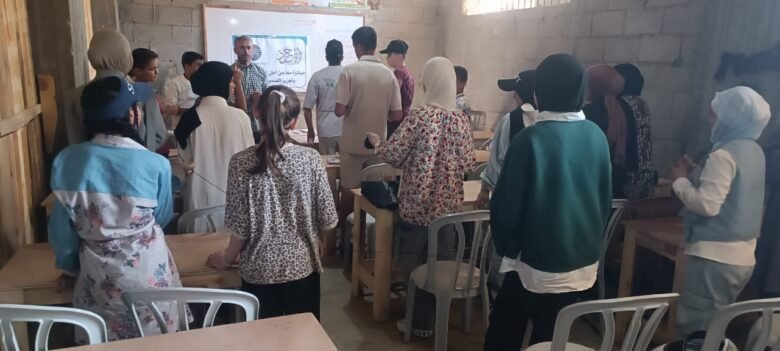
The International Commission to Support Palestinian Rights (ICSPR) implemented a series of psychosocial activities under the initiative “Together for Psychological Recovery and Strengthening Community Resilience” between August 23 and 30, 2026. The initiative targeted mothers, fathers, parents and caregivers, school students, children, and older women in displacement camps, shelters, and educational institutions across the Central Gaza Governorate.
The activities were implemented amid the severe humanitarian and psychological conditions endured by Palestinian civilians, and in response to the profound consequences of the genocide war on children, families, and older persons. These consequences include fear, anxiety, grief, stress, difficulties adapting to displacement, loss of stability, and continuing economic and social pressures.
The initiative’s activities were carried out by Dr. Khalil Ali Abu Jarad, who holds a PhD in Educational Psychology, with the participation of psychological specialist Ms. Shireen Omar Naeem in the first session, which was dedicated to mothers. The sessions were designed as awareness-raising and interactive activities that took into consideration the psychological and social needs of the targeted groups and the challenging circumstances they are facing.
The initiative aimed to contribute to the psychological and social recovery of affected communities, strengthen their capacity to cope with stress and crises, provide safe spaces for dialogue, emotional expression, and exchange of experiences, and reinforce the role of families in protecting and supporting children psychologically and educationally.
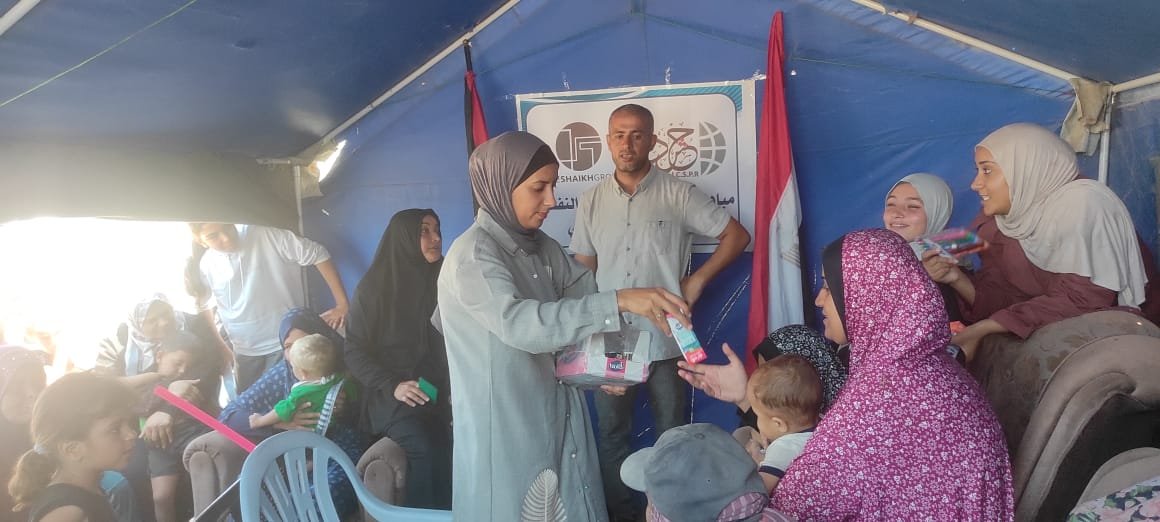
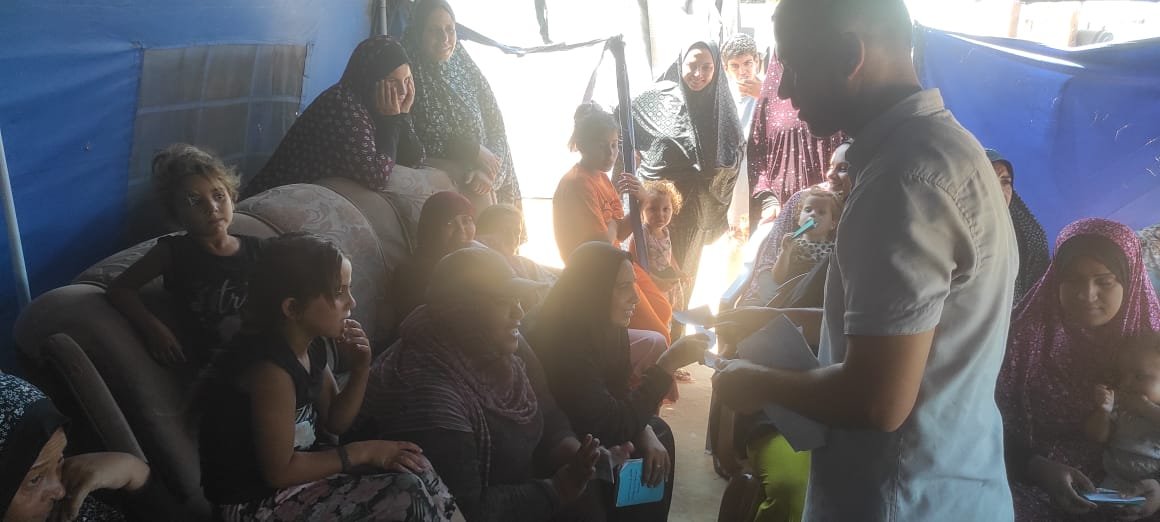
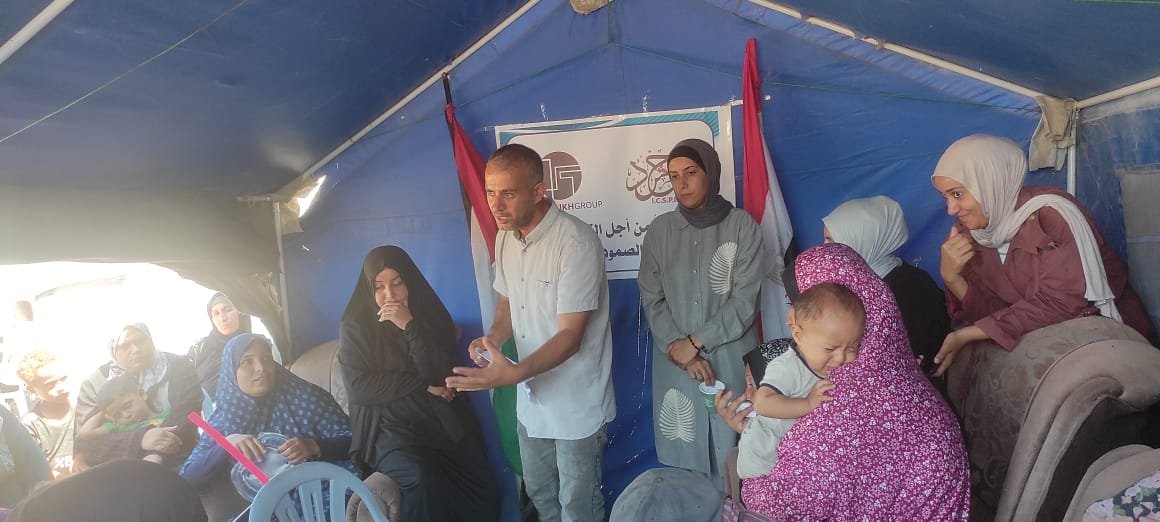
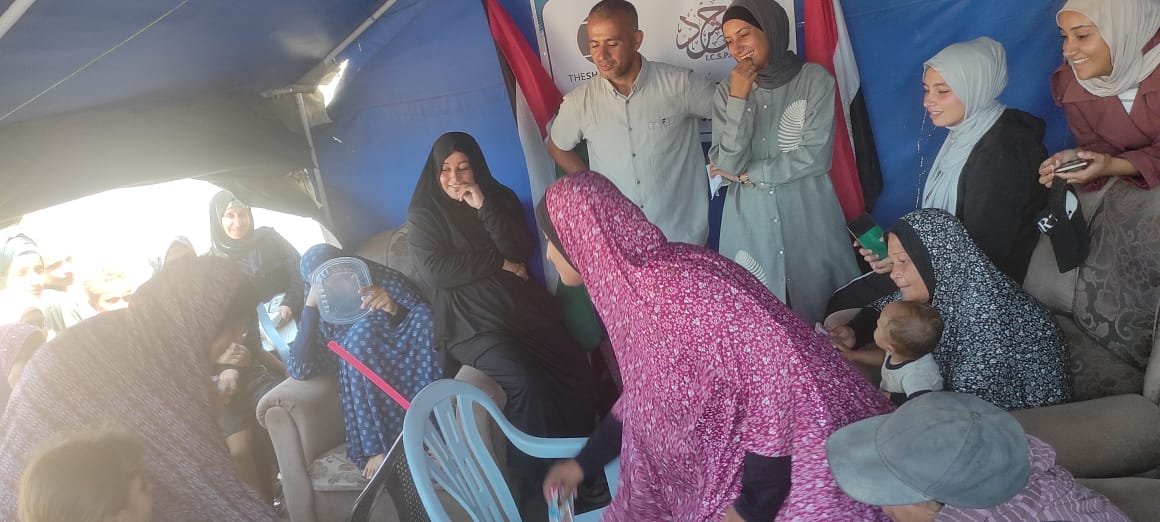
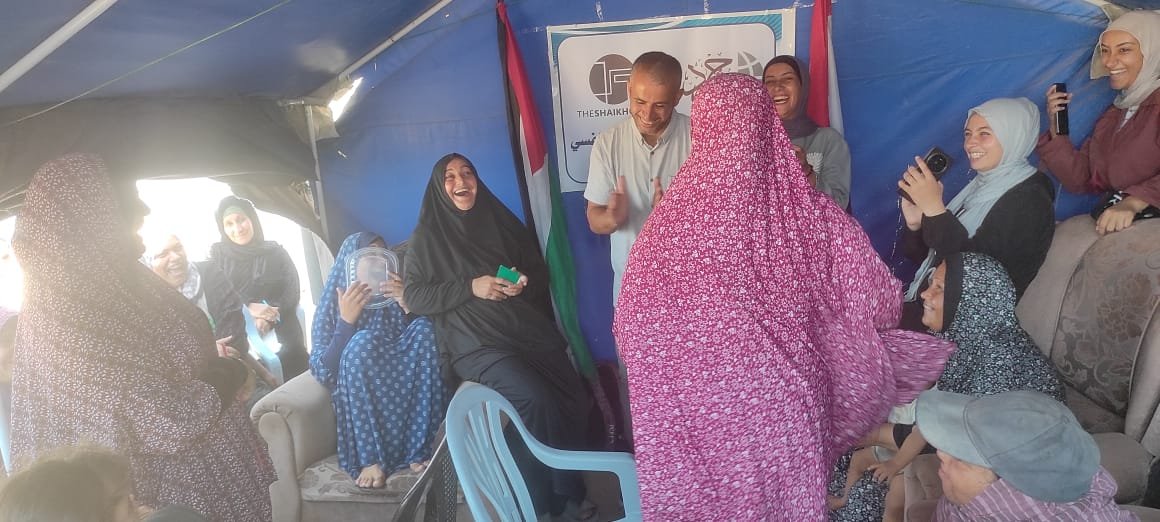
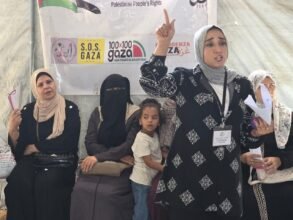
ICSPR began the initiative with the first session at Al-Nuwairi Camp in Al-Nuseirat, attended by 27 mothers. The session addressed the psychological effects of the war and their impact on mothers, children, and family life. It also discussed the most common psychological and behavioral difficulties that children may experience during crises, including fear, anxiety, anger, withdrawal, and other behavioral changes.
The session further highlighted the importance of using sound parenting methods when supporting children, based on listening, dialogue, emotional containment, and support, rather than violence, reprimand, or neglect. It included ice-breaking activities to encourage participation and interaction, as well as discussions of recommendations and protection mechanisms that can help mothers respond to the psychological needs of their children.
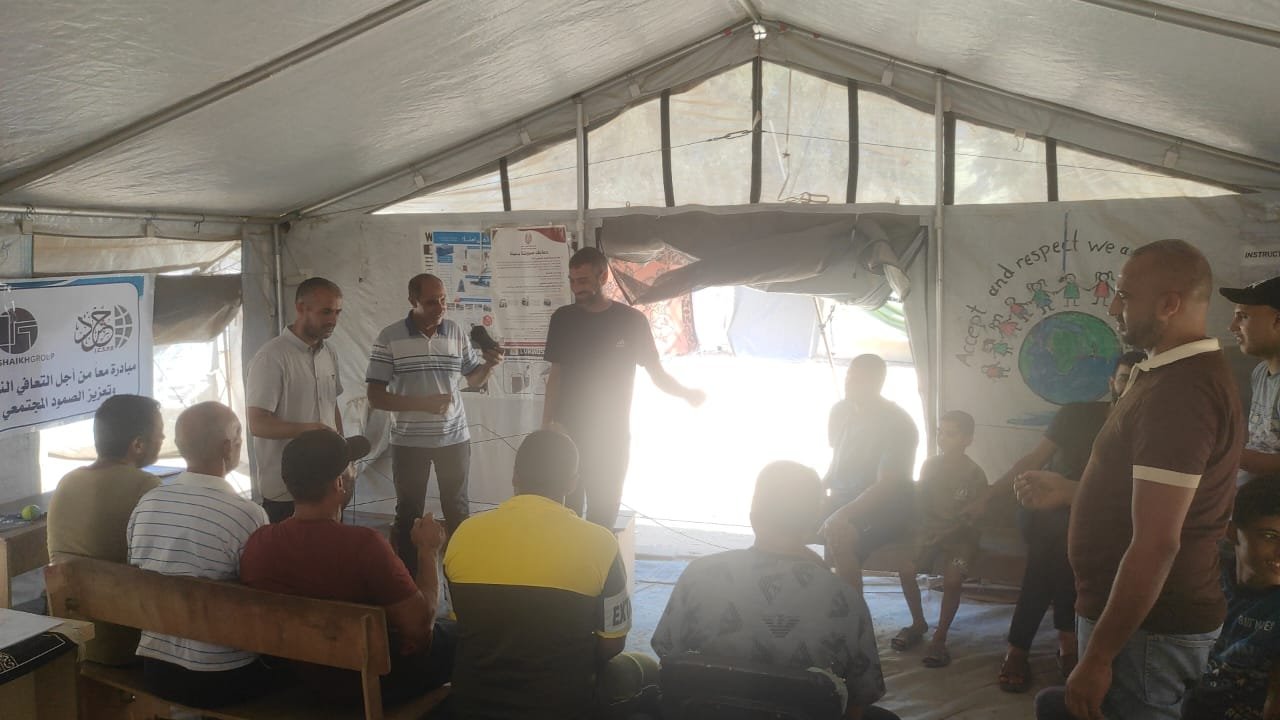
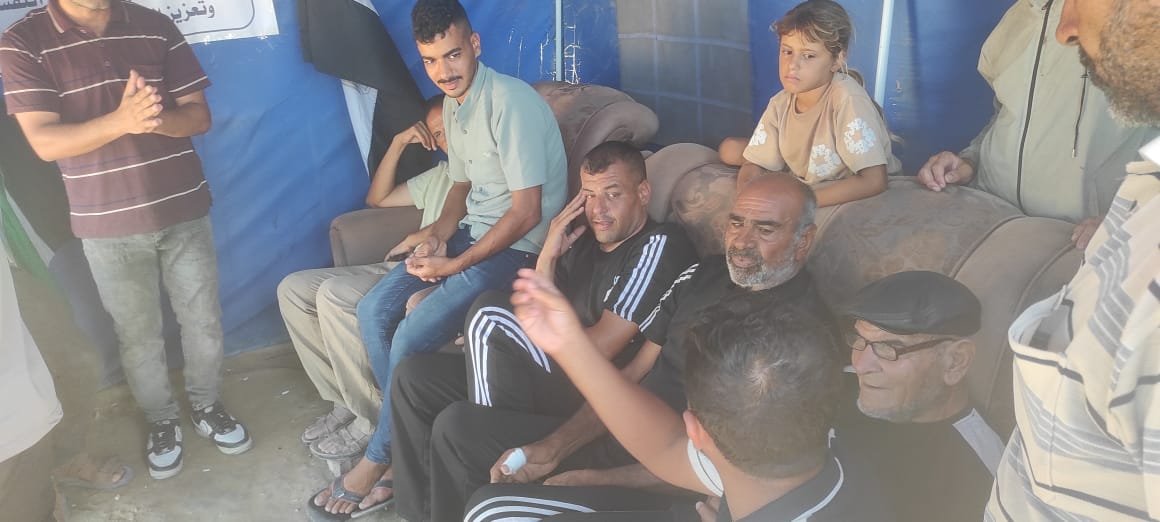
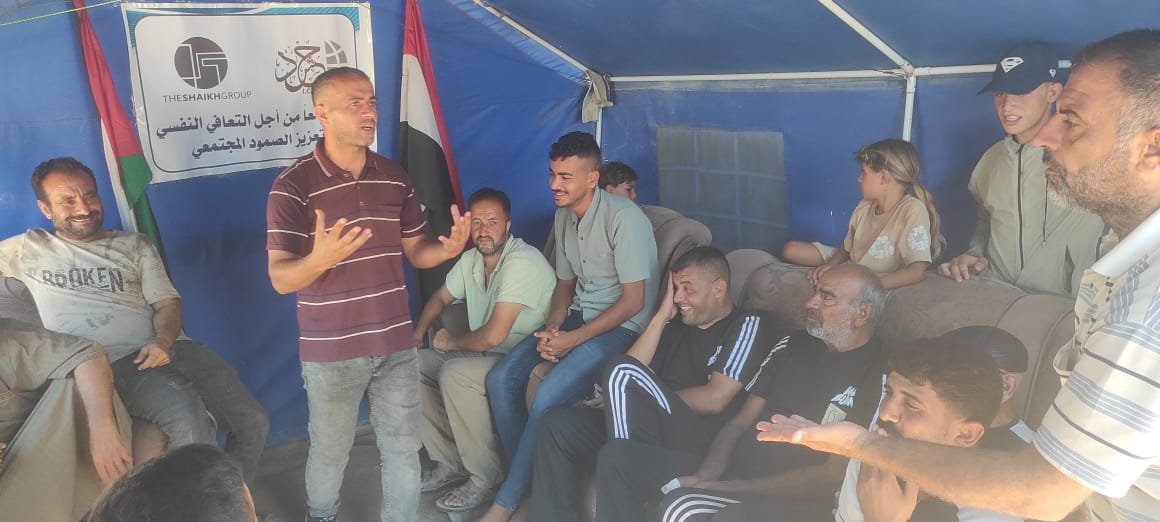
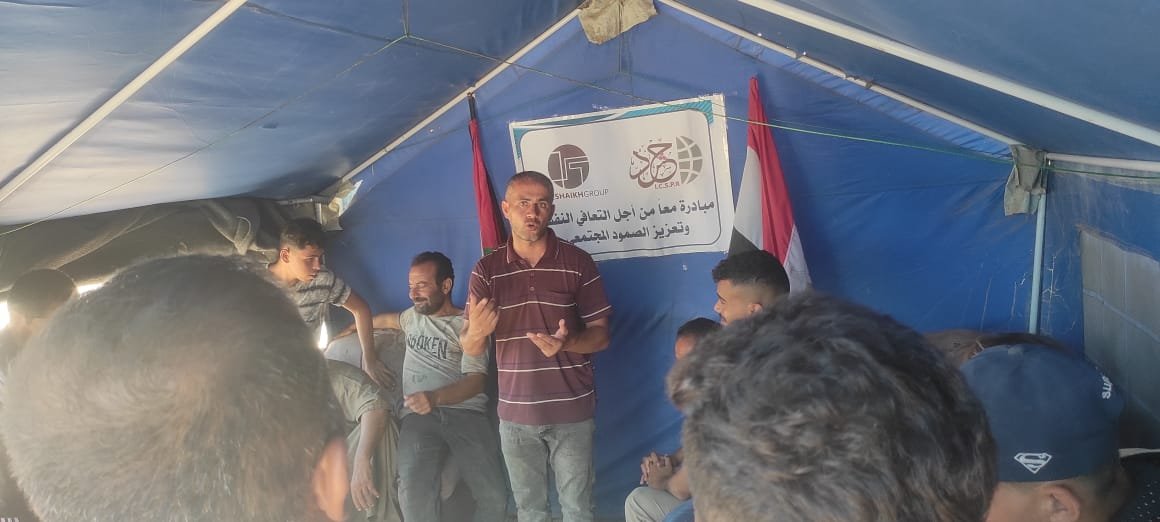
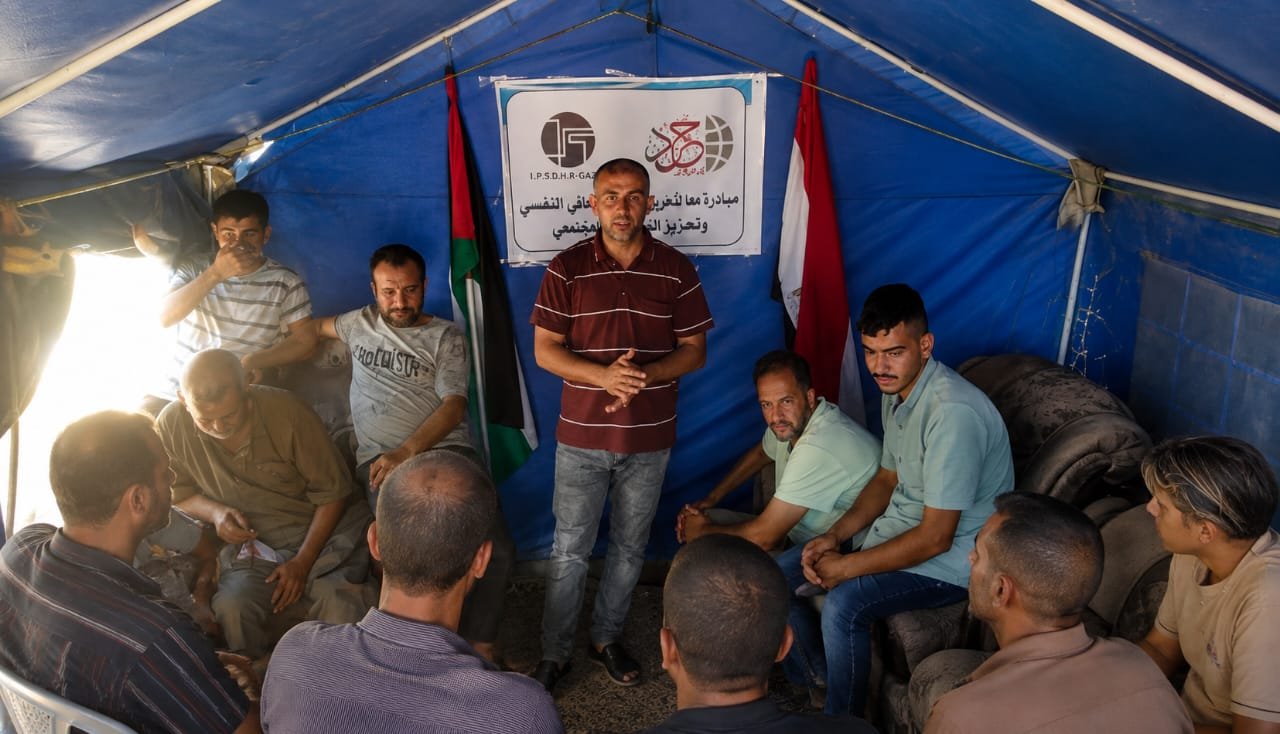
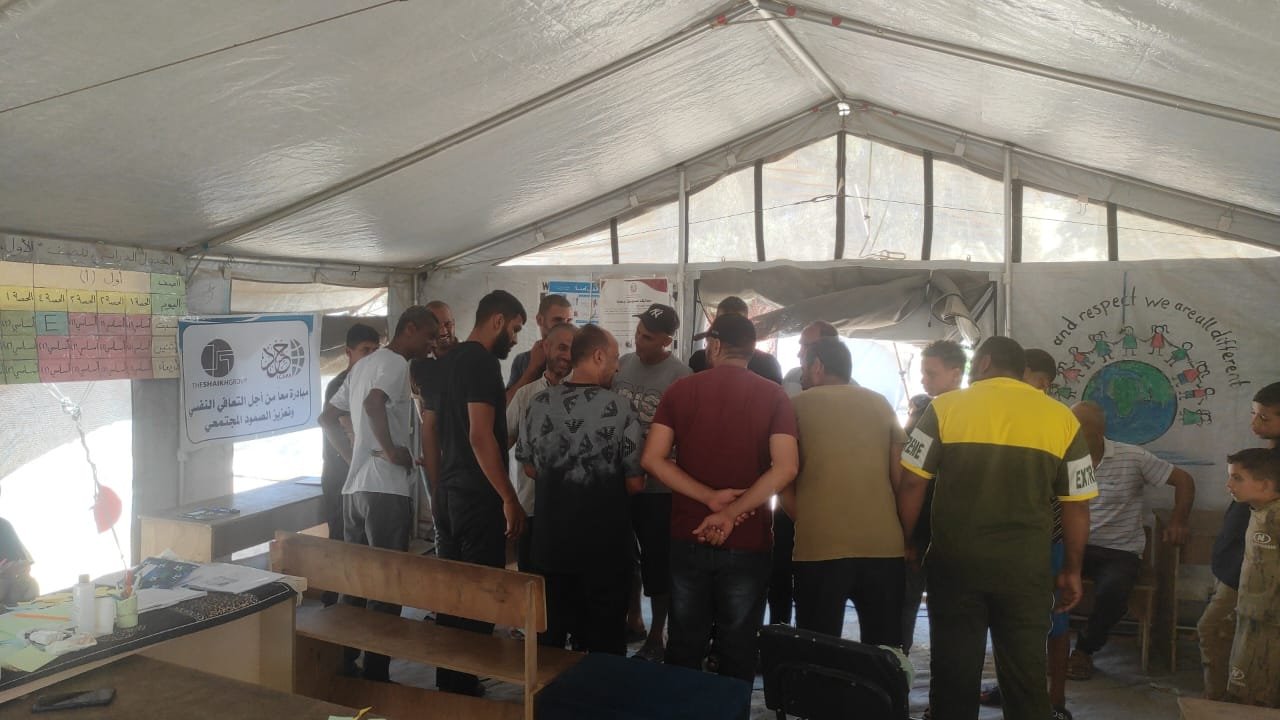
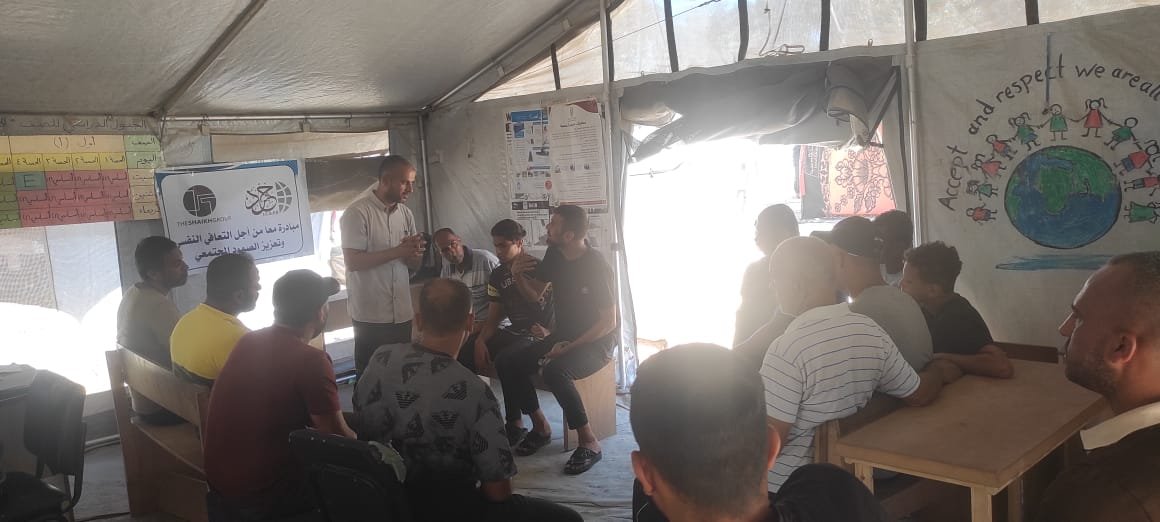
During the second session, ICSPR reached 25 fathers at Al-Nuwairi Camp in Al-Nuseirat. The session focused on the essential role of fathers in protecting the family and providing psychological support to children during crises. It addressed the impact of war on family relationships and the mental well-being of parents and children, as well as the importance of recognizing psychological and behavioral changes in children and addressing them at an early stage.
Participants also discussed practical approaches to strengthening communication within the family, listening to children, helping them feel safe, and encouraging them to express their fears, needs, and emotions. The session included interactive ice-breaking activities and an exchange of experiences among fathers, in addition to practical mechanisms for dealing with psychological stress and daily family challenges.
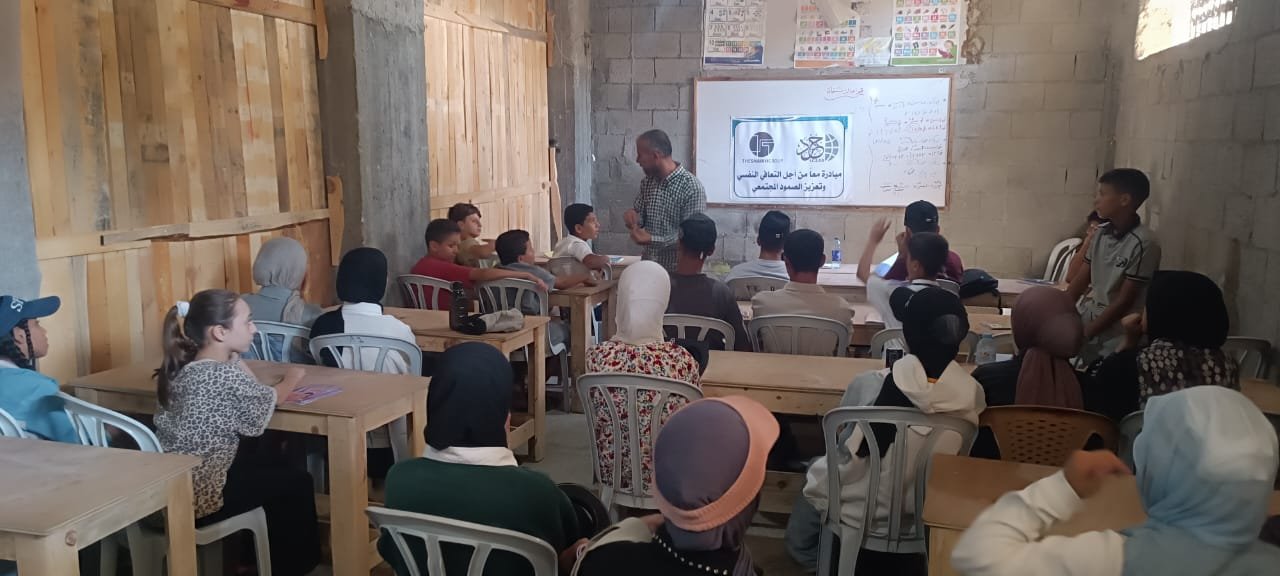
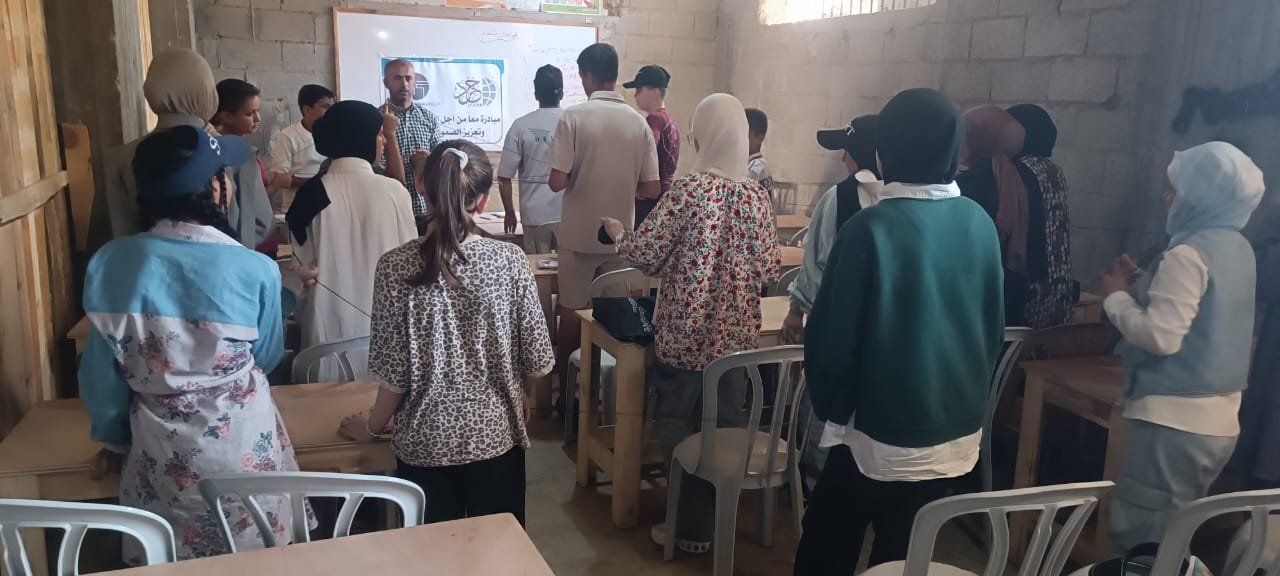
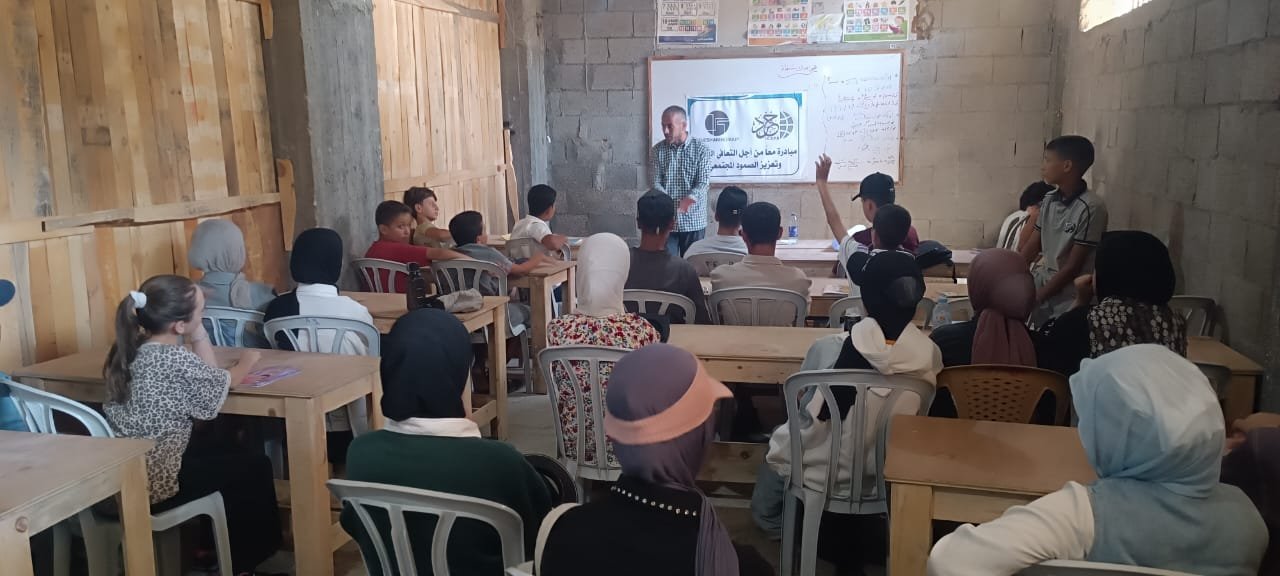
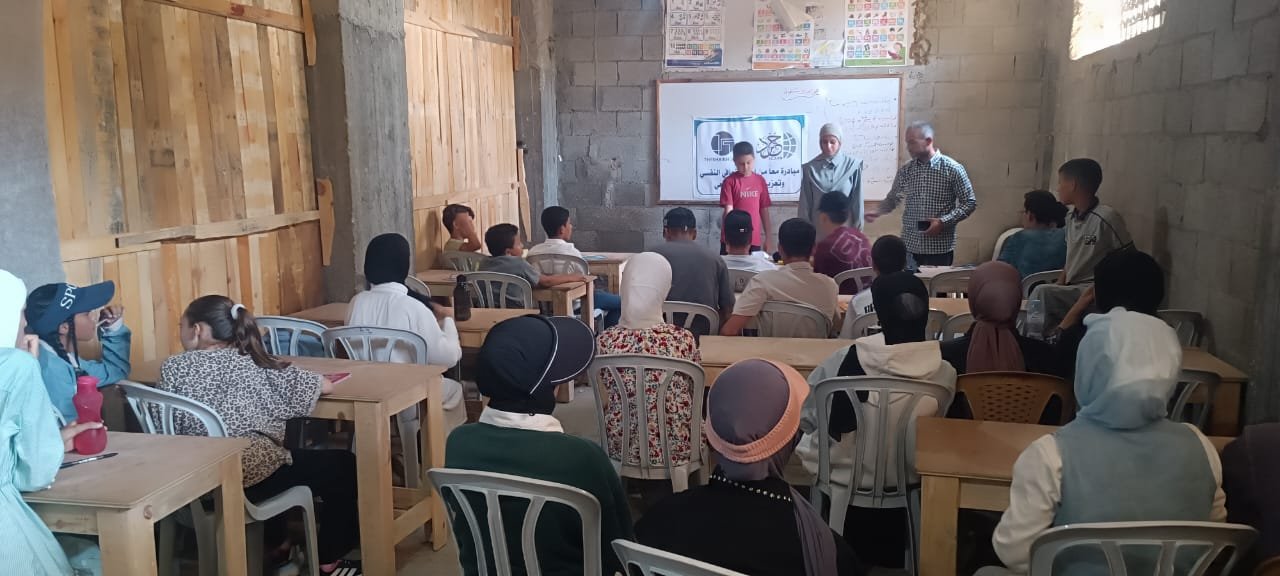
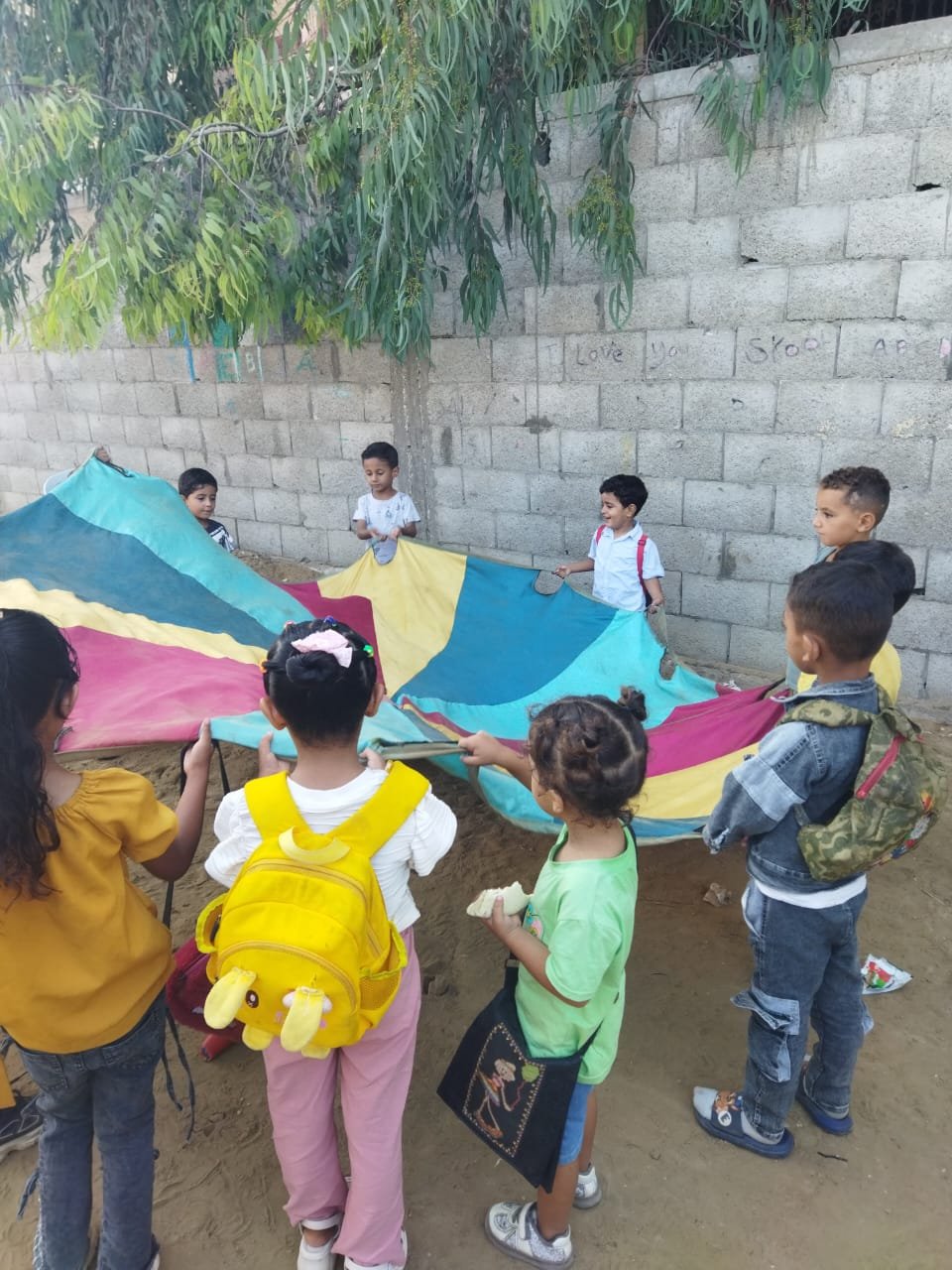
As part of its child-focused programming, ICSPR implemented the third session with students from Al-Khutwa Al-Oula School. The activities focused on developing personal and social skills and raising students’ awareness of their rights and responsibilities within the family, school, and wider community.
The activities addressed how to act safely and positively in everyday situations, and how to interact appropriately with family members, the community, classmates, and people older and younger than themselves. The session emphasized the values of respect, cooperation, tolerance, and rejection of bullying and abuse. Students were also given the opportunity to express their aspirations through the activity “I Write My Future with My Own Hands,” which encouraged positive thinking about the future and linked aspirations to learning, diligence, and skills development.
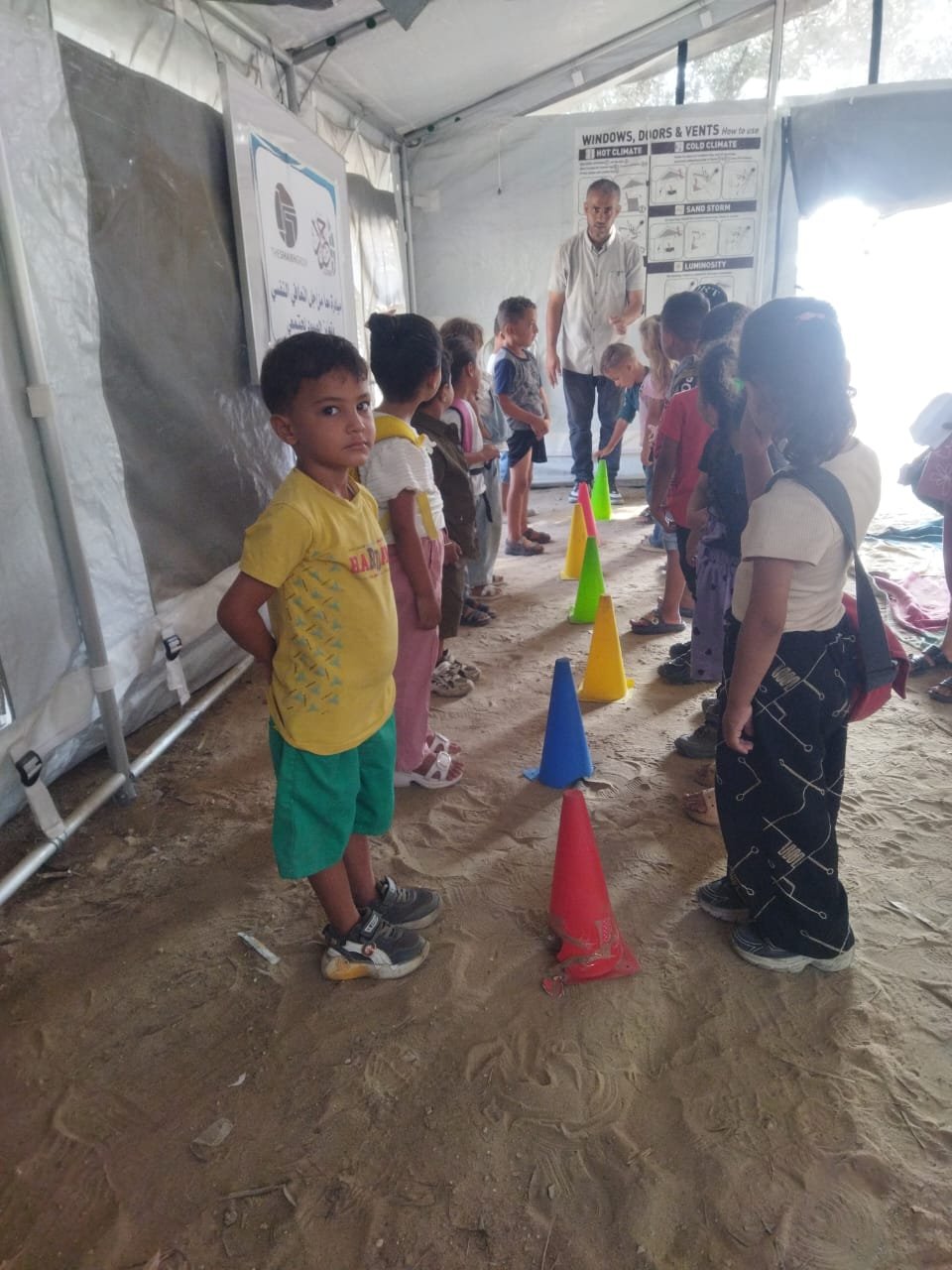
The session also included activities to help students get acquainted and build positive social connections, as well as educational games designed to develop attention, concentration, and quick response skills. These activities enhanced students’ engagement, participation, and sense of belonging within the group.
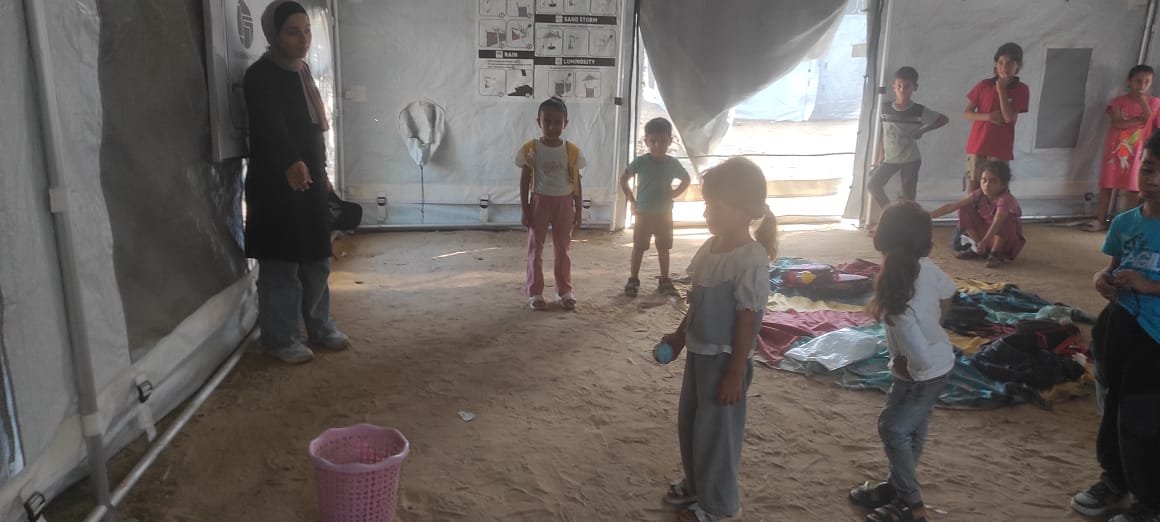
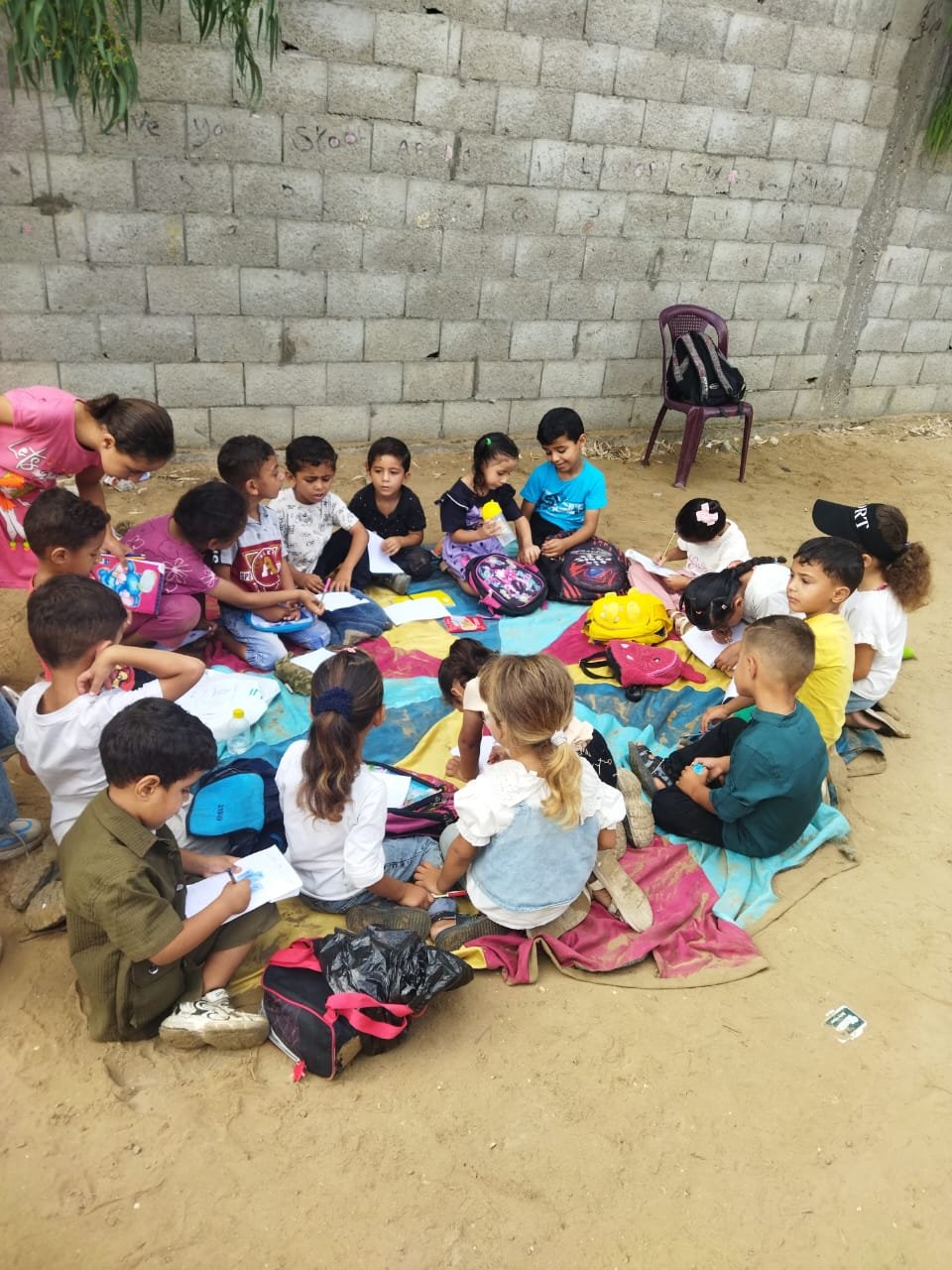
In the fourth session, ICSPR conducted an activity for 25 boys and girls from Al-Mu’tasim Billah Kindergarten in Al-Nuseirat. The activity focused on emotional release through movement-based and group games, as well as artistic and creative activities, as appropriate methods to help children express their emotions safely and spontaneously.
The activities included welcoming and psychological preparation exercises, movement and recreational games, and exercises to express basic emotions such as happiness, sadness, fear, and anger. They also included drawing, coloring, and group-work activities. These activities provided a supportive experience for children, enabling them to play, interact, and communicate with their peers, while helping reduce stress and emotional tension and strengthening feelings of joy, safety, and self-confidence.
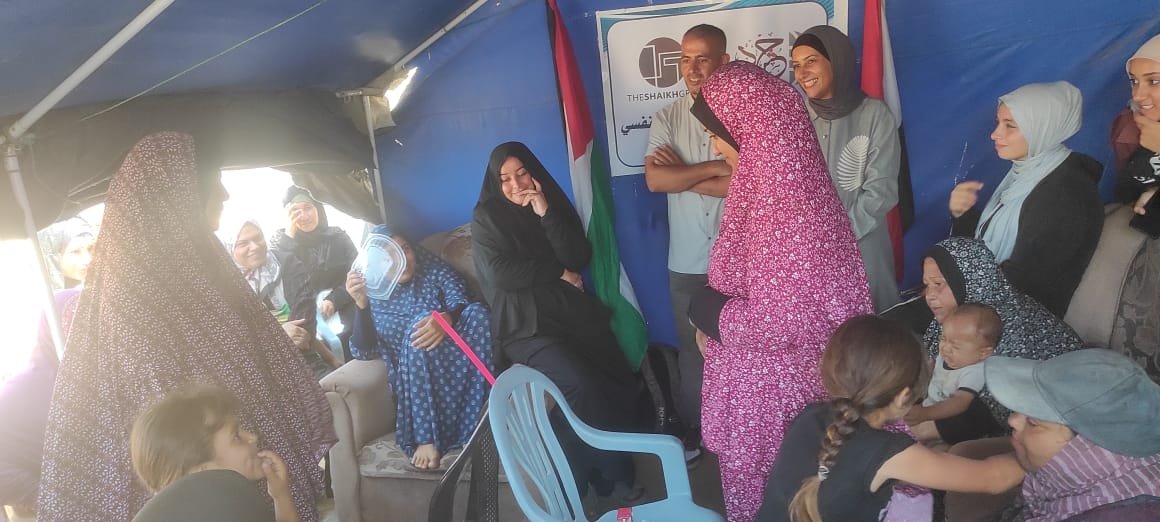
ICSPR also implemented the fifth session at Al-Asimah Shelter Centre, targeting older women. The session addressed the psychological and social consequences of the war, ways of coping with crises and stressful situations, psychological adaptation mechanisms, resilience-building strategies, principles of psychological first aid, and the importance of self-care and mental well-being.
The session provided participants with an opportunity to share their experiences and feelings, raise the difficulties they face, and engage in dialogue, collective participation, and mutual support. It also discussed the role of older persons within the family and ways to respond to psychological and behavioral problems experienced by children during crises, while emphasizing the importance of referral to relevant specialized bodies for cases requiring professional psychological support.
ICSPR concluded the initiative’s activities with the sixth session at Al-Asimah Shelter Centre (2), targeting fathers and parents of children. The session introduced participants to the objectives and areas of intervention of the initiative and discussed the effects of war and psychological pressures on the family, internal relationships, and children’s behavior.
The discussion focused on identifying sources and indicators of psychological stress and presented practical methods for managing and reducing it. It also addressed positive coping strategies, emotional regulation, and the strengthening of family and social support. Participants discussed common changes that may appear among children in crises, including fear, anxiety, anger, and withdrawal, and ways to address them through dialogue, attentive listening, emotional containment, and support rather than punishment, violence, or reprimand.
The session included ice-breaking activities and a brainstorming exercise on the challenges facing families. This enabled participants to exchange experiences and identify practical ideas and solutions that can be applied in everyday family life, contributing to greater psychological stability and improved communication between parents and children.
ICSPR applied an interactive methodology throughout the implementation of the activities, taking into account the age-related, social, and psychological differences among the targeted groups. The methodology combined dialogue, discussion, group participation, brainstorming, movement-based games, artistic activities, and recreational activities. This approach encouraged participants to engage actively, express their emotions and experiences, and strengthen feelings of support, belonging, and community solidarity.
ICSPR affirmed that the continuation of psychosocial support programs in shelters, displacement camps, and educational institutions is urgently needed in light of the accumulated pressures and harsh humanitarian conditions facing Palestinian families. It further emphasized the importance of expanding specialized activities for children, fathers, mothers, and older persons, while strengthening protection and referral mechanisms for individuals who require advanced psychological and social services.
It is worth noting that ICSPR implemented these activities in partnership with The Shaikh Group (TSG), as part of its ongoing efforts to support psychological and social recovery and strengthen family and community resilience among groups affected by the genocide war.