
ICSPR Holds Expanded Dialogue Bringing Together Palestinian Communities in Palestine and the Diaspora

Date: July 12, 2026
Press Release
ICSPR Holds Expanded Dialogue Bringing Together Palestinian Communities in Palestine and the Diaspora
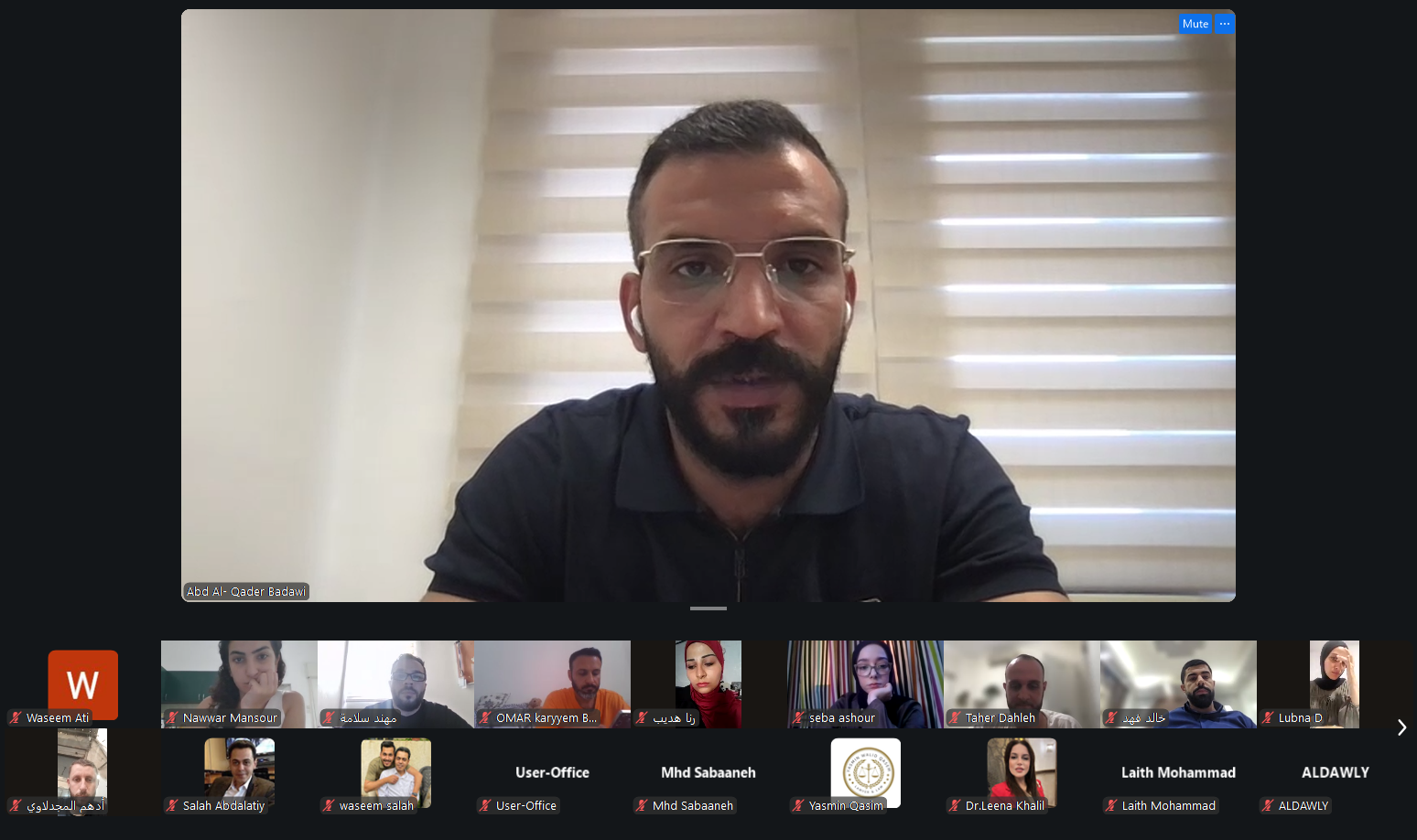
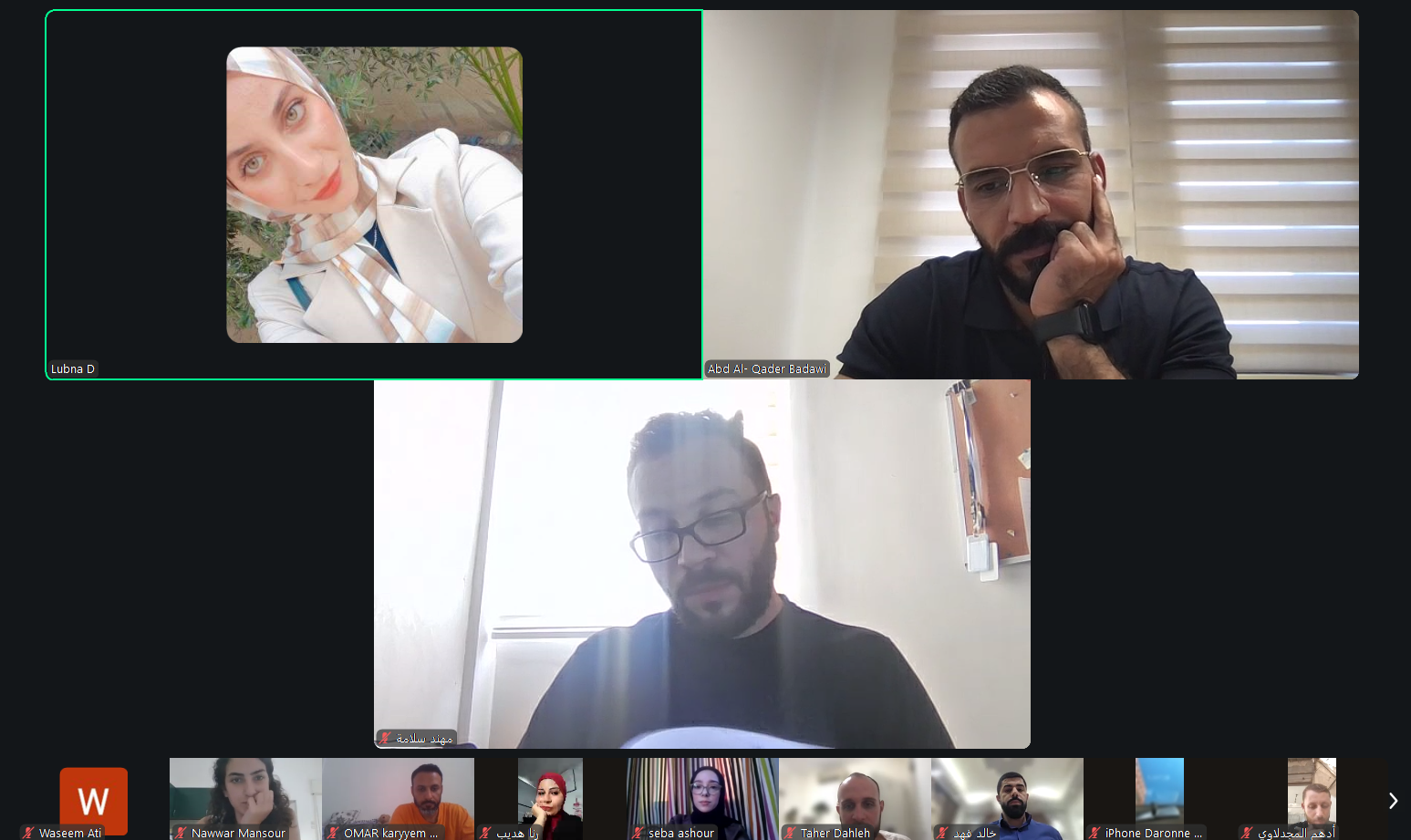
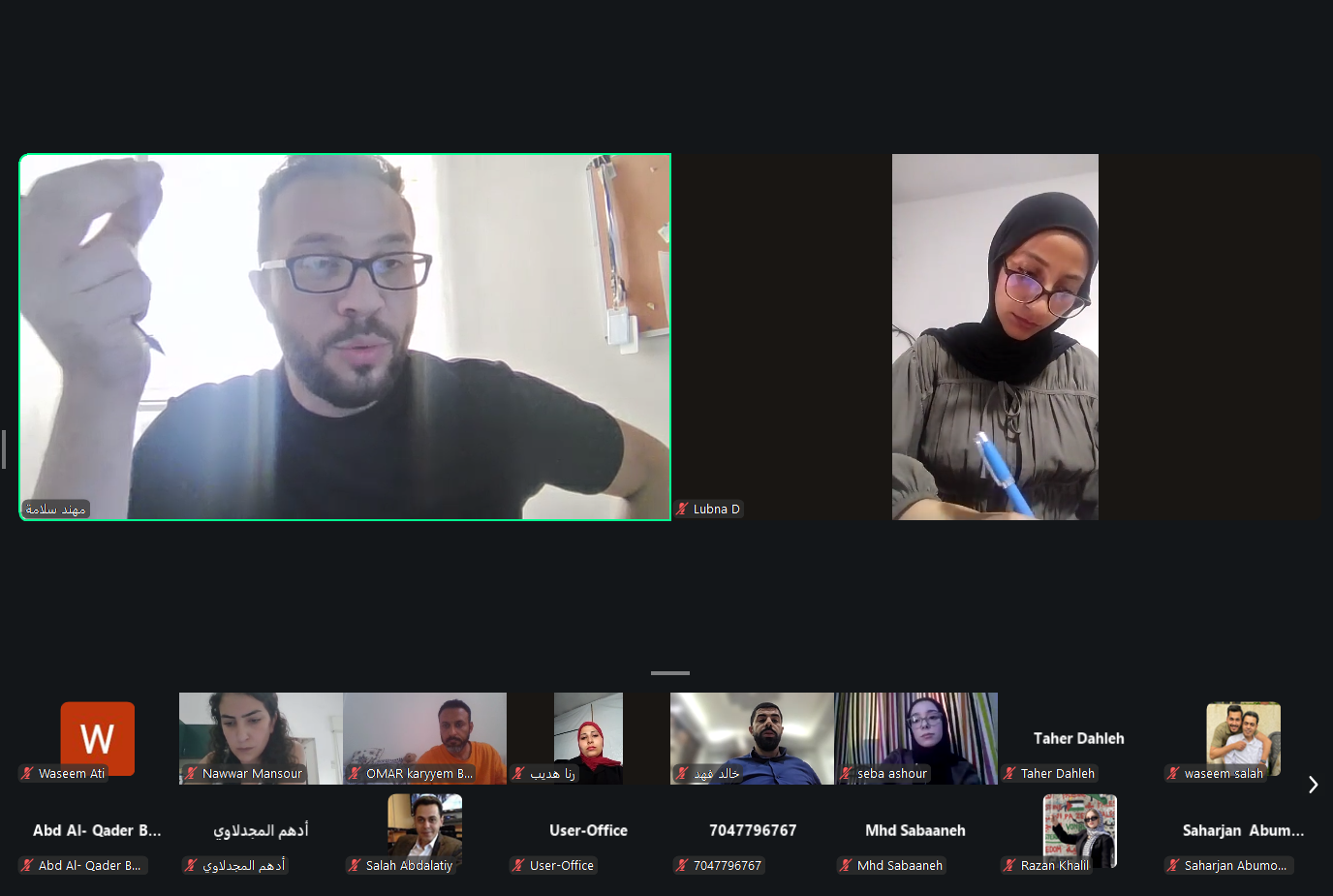
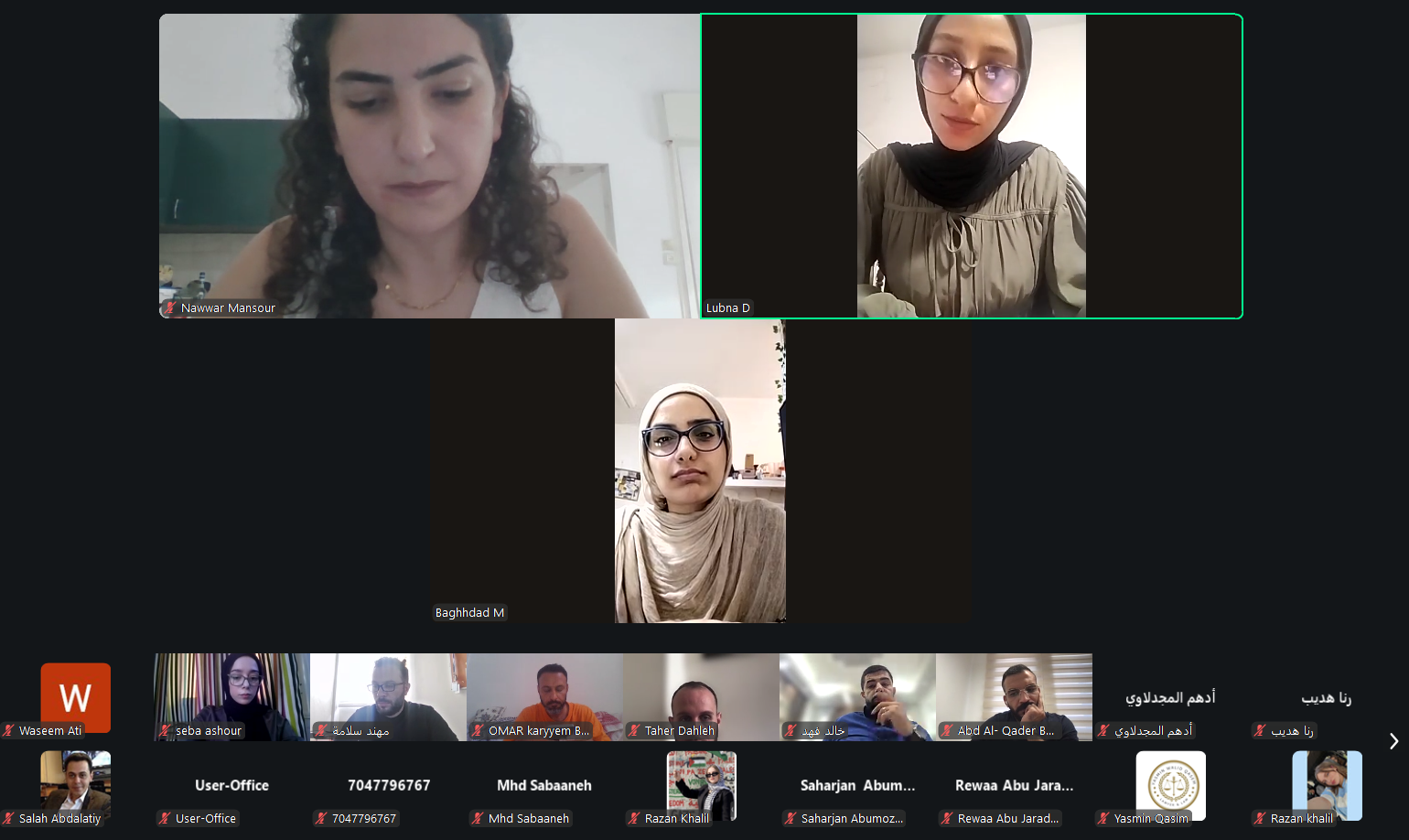
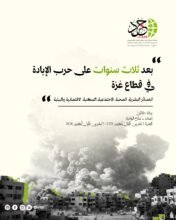
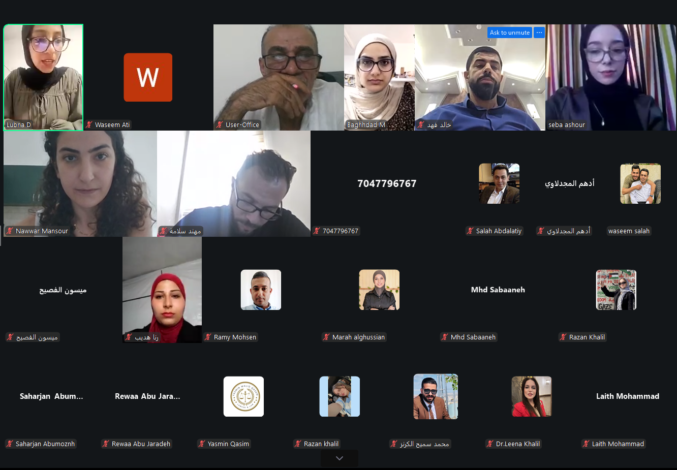
The International Commission to Support Palestinian Rights (ICSPR) held an open dialogue meeting via Zoom entitled “The Complete Map: Palestinian Communities in a Dialogue of Shared Responsibility toward a Unified Palestinian Discourse.” The meeting brought together a broad range of academics, legal professionals, and young activists from different Palestinian communities in Palestine and across the diaspora.
The meeting addressed six main themes examining the Palestinian reality through an integrated, cross-border perspective:
-
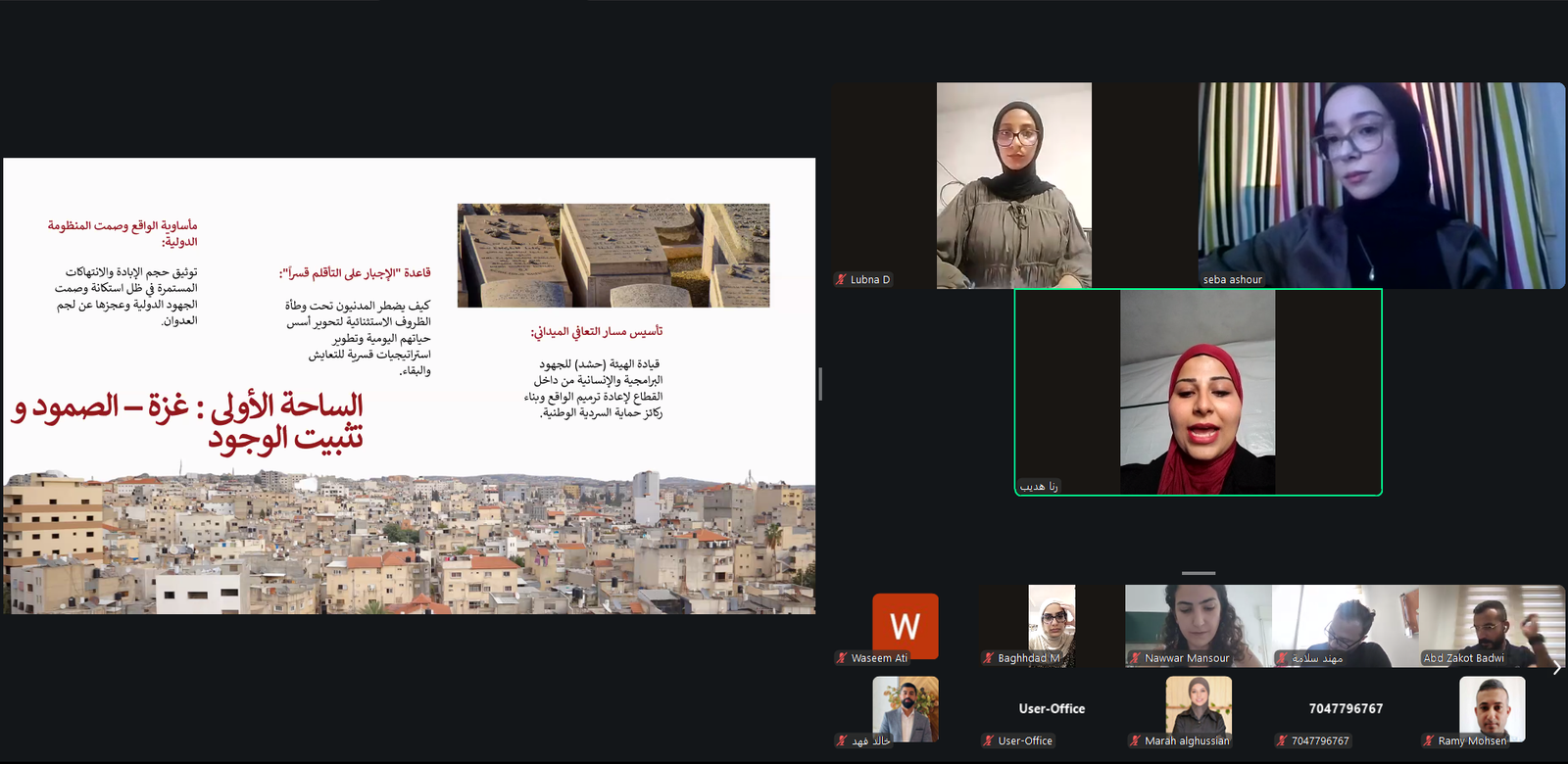
Gaza Strip: From Victimhood to Accountability
Presented by Ms. Rana Hdeib, Attorney-at-Law and Director of Legal Programs at ICSPR, from the Gaza Strip. -
Palestinians in the 1948 Territories and the West Bank: Restrictions on Civil Institutions and Joint Action
Presented by Ms. Nawara, an activist and human rights advocate specializing in civil society and community affairs from the 1948 territories, and Ms. Baghdad Fatafta, Attorney-at-Law and member of the Women’s Forum at the Women’s Affairs Technical Committee, from the West Bank. -
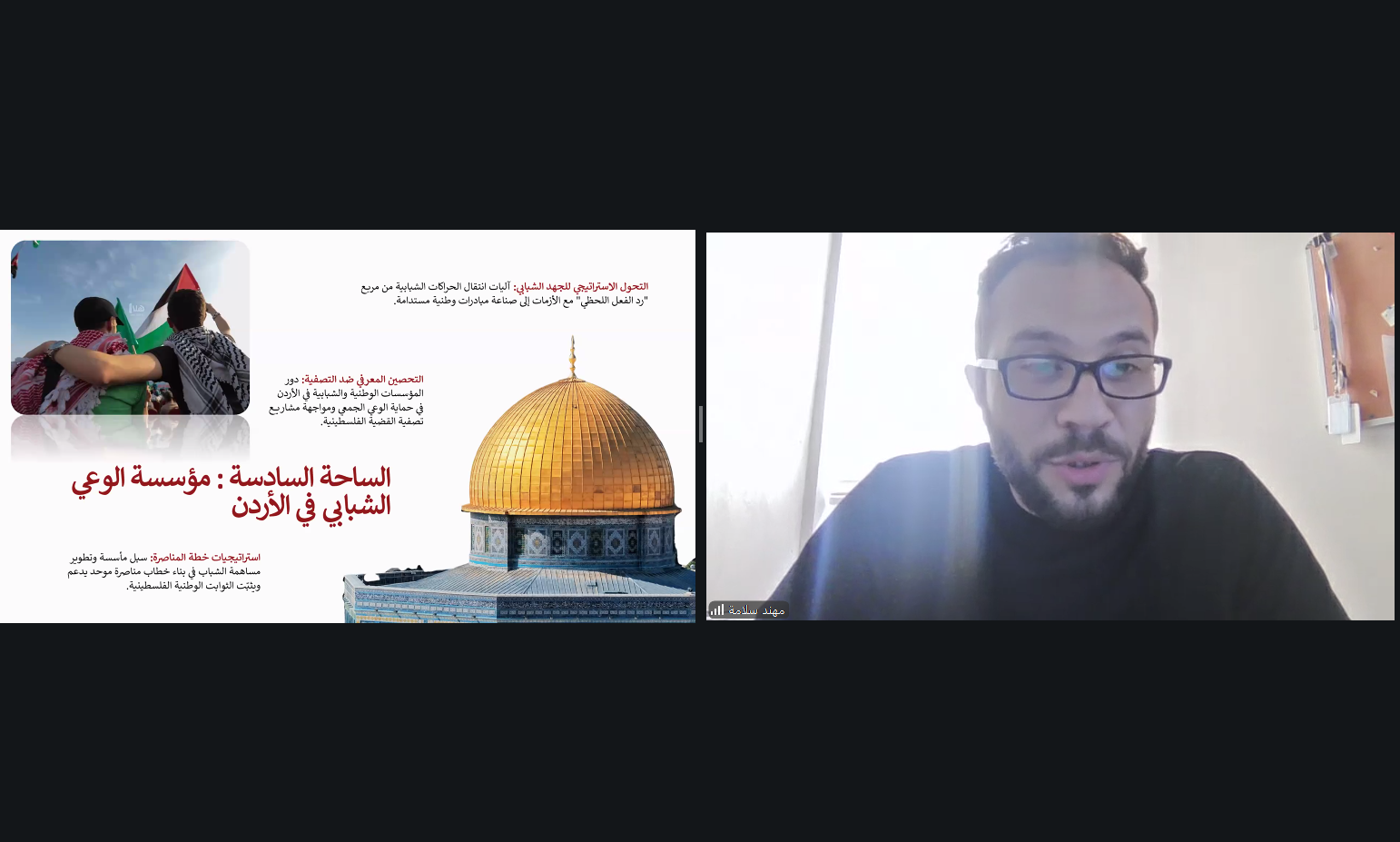
Jordan and the Diaspora: Cultural Resistance and Building the National Project
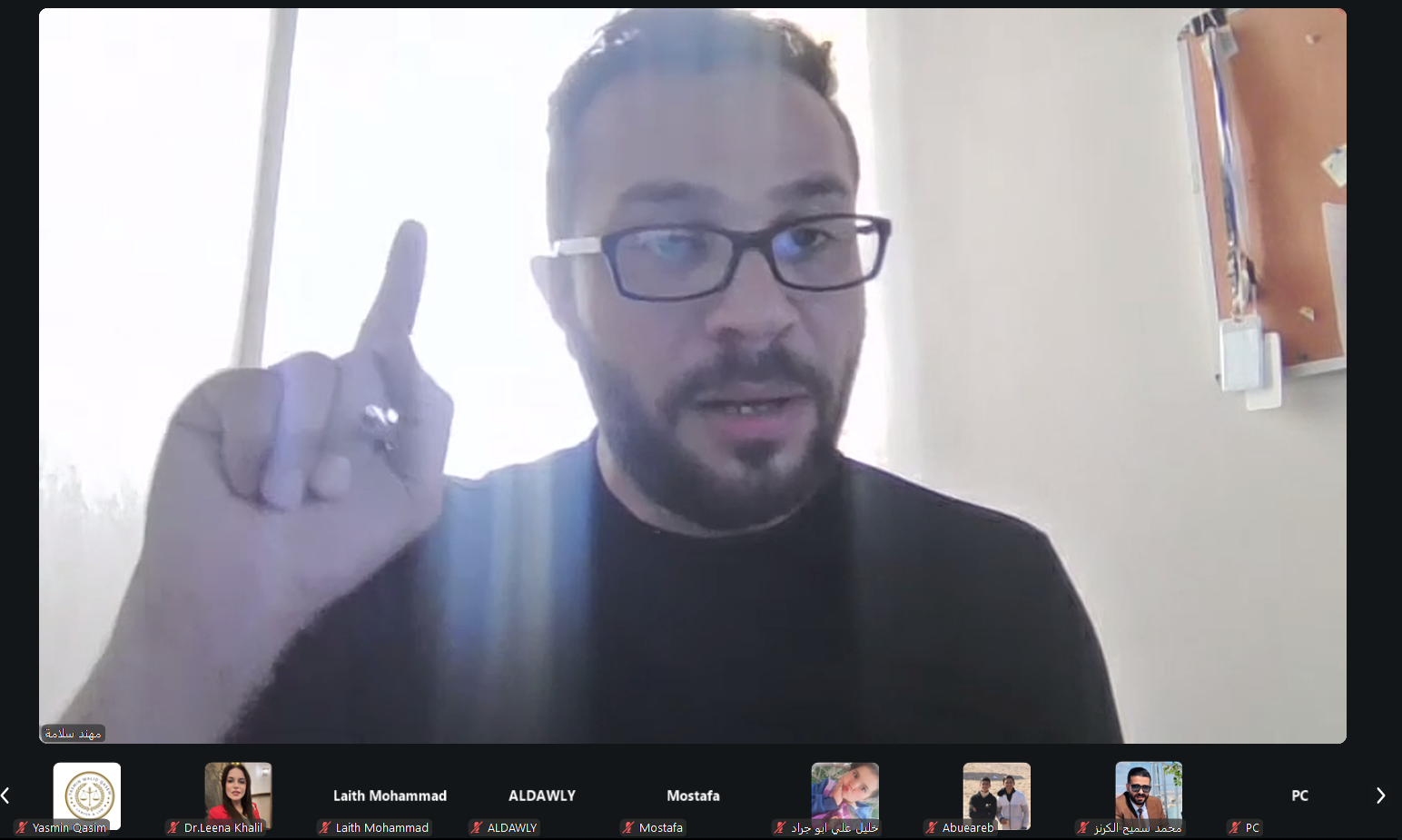
Presented by Mr. Mohannad Salameh, Director of Al-Hurras Foundation, from the Hashemite Kingdom of Jordan. -
The Palestinian Prisoners’ Movement: Internationalizing the Struggle for Freedom
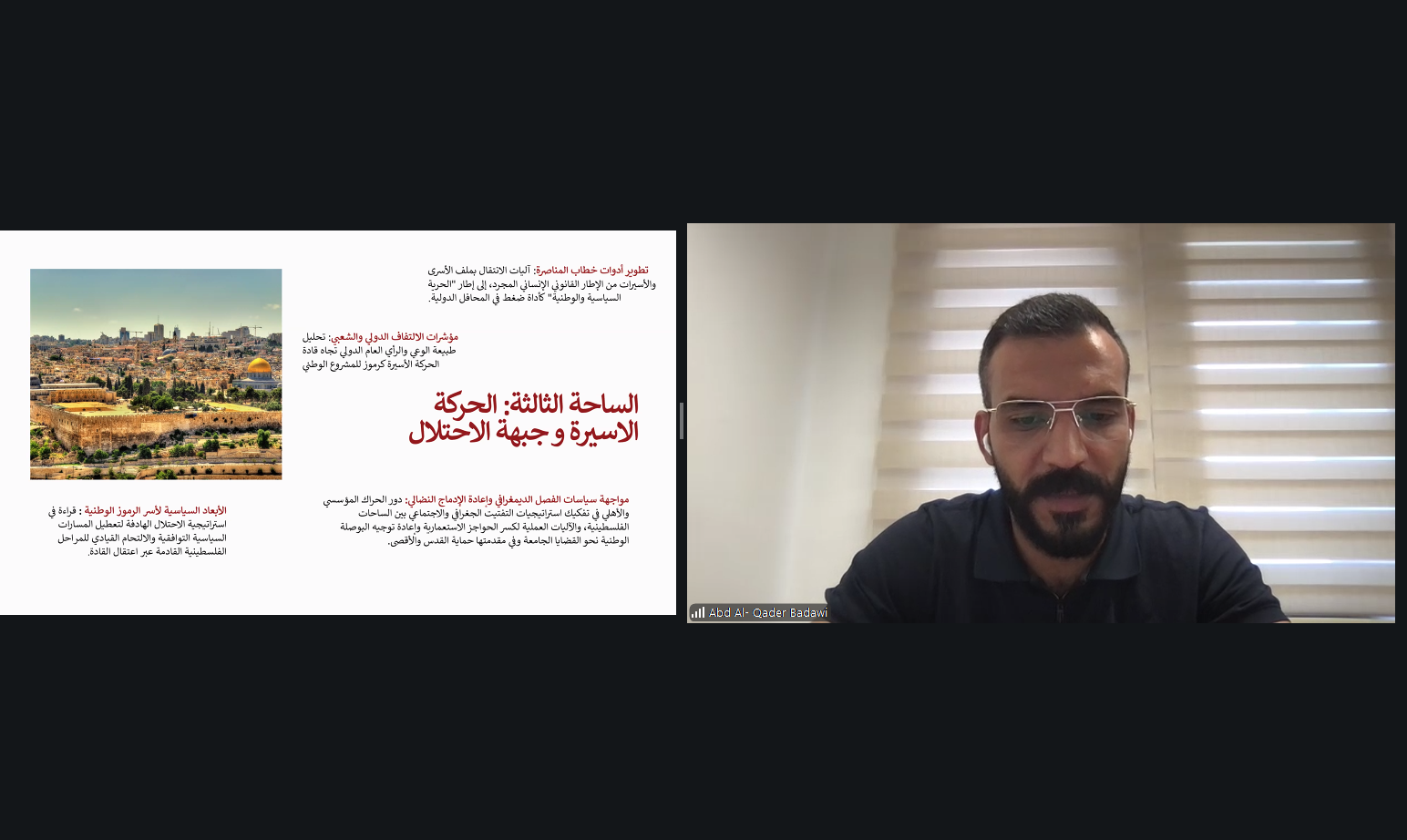
Presented by Mr. Abdel Qader Badawi, a researcher and specialist in Israeli affairs and the Palestinian prisoners’ movement. -
Refugee Camps in Lebanon and Syria: The Struggle for Identity and Existence
Presented by Mr. Khaled Fahd, activist and President of the Palestinian Youth National Forum in Lebanon, and Mr. Ahmad Abu Al-Khair, Executive Director of Jafra Development Foundation, from Syria and Lebanon. -
Mobilization in Europe and the United States: Pressure Tools and Countering Repression
Presented by journalist and activist Mr. Omar Abu Karim, Director of the Palestinian Diaspora Foundation in Brussels, Belgium, and Mr. Taher Dahla, activist and one of the founders of the student movement supporting Palestinian rights in the United States.
At the opening of the meeting, Dr. Salah Abdel Ati, Chairman of ICSPR, welcomed participants and stressed the importance of this dialogue in transcending the geographical boundaries and barriers imposed by the occupation, while restoring the principle of collective national responsibility.
Ms. Saba Ashour and Ms. Lubna Deeb of ICSPR’s International Advocacy Department opened the session and welcomed the participants. They reviewed the major and decisive challenges confronting the Palestinian cause, foremost among them the ongoing genocide in the Gaza Strip, systematic Judaization policies in Jerusalem, settlement expansion in the West Bank, and attempts to liquidate the refugee issue and undermine the United Nations Relief and Works Agency for Palestine Refugees in the Near East (UNRWA). They also noted that the meeting coincided with the anniversary of the international boycott campaign, an effective tool for unifying the Palestinian narrative and strengthening steadfastness.
Ms. Rana Hdeib, Director of Legal Programs at ICSPR, addressed the reality of steadfastness in Gaza, recovery mechanisms, and ways to ensure that sacrifices are not lost. She stressed that the conditions in the Gaza Strip are not merely temporary circumstances, but rather the result of international silence and complicity.
Hdeib explained that the alternative means of survival created by Palestinians constitute “a conscious engineering of survival and active steadfastness aimed at dismantling the crime,” rather than passive adaptation to the consequences of genocide and displacement.
She called on young legal professionals to move from a discourse centered on “victimhood and purely humanitarian relief responses” toward “a strong legal discourse that ensures accountability and international criminal prosecution.” She emphasized the complementarity of roles between Palestinians inside the homeland, who document violations, and Palestinians in the diaspora, who can turn this documentation into legal pathways that reject any settlement reducing or fragmenting the Palestinian cause.
Ms. Nawara reviewed the structural challenges faced by civil institutions in the 1948 territories, including systematic policies preventing their registration, excessive taxation reaching up to 80 percent, legislation restricting foreign funding, and political and security persecution of academics, students, and activists to prevent them from advocating for Gaza.
For her part, Ms. Baghdad Fatafta, a member of the Women’s Forum at the Women’s Affairs Technical Committee in the West Bank, discussed how the work of women’s institutions changed after October 7 into joint, field-based solidarity action between the West Bank and Gaza. She praised the efforts of institutions such as Al-Haq and the Palestinian Centre for Human Rights in documenting violations and submitting them to the International Criminal Court and the United Nations Security Council.
Fatafta also revealed the activation of psychological support hotlines and the establishment of innovative judicial coordination channels to address personal-status and alimony cases involving women in Gaza through Sharia courts in the West Bank, following the destruction of the judicial infrastructure in the Gaza Strip.
Mr. Mohannad Salameh, Director of Al-Hurras Foundation in Jordan, explained that the central problem lies in the absence of a comprehensive national project capable of translating popular action into an effective national strategy. He called for reviving the spirit of national work and freeing it from frameworks and funding conditions shaped by Western political agendas.
Salameh presented models of non-military resistance through projects that protect heritage and the environment and improve living conditions in refugee camps. He highlighted the experience of the Ya‘rub for Children Association, which has worked for more than 11 years to build awareness and promote cultural empowerment.
Mr. Abdel Qader Badawi, a specialist in Israeli affairs, reviewed the reality of Palestinian prisoners in Israeli prisons. He stated that Israel seeks to turn the prisoners’ movement into a tool for deterring the Palestinian people as a whole and intimidating their families through policies of starvation, torture, and silent killing since October 7.
Badawi stressed that the prisoners’ issue is, first and foremost, a political and humanitarian issue. He referred to the Prisoners’ Document as a historical reference for national consensus and emphasized that using the current international momentum to advance the Palestinian cause and isolate the occupation requires an urgent end to internal division and the establishment of a unified leadership capable of choosing the most appropriate form of struggle.
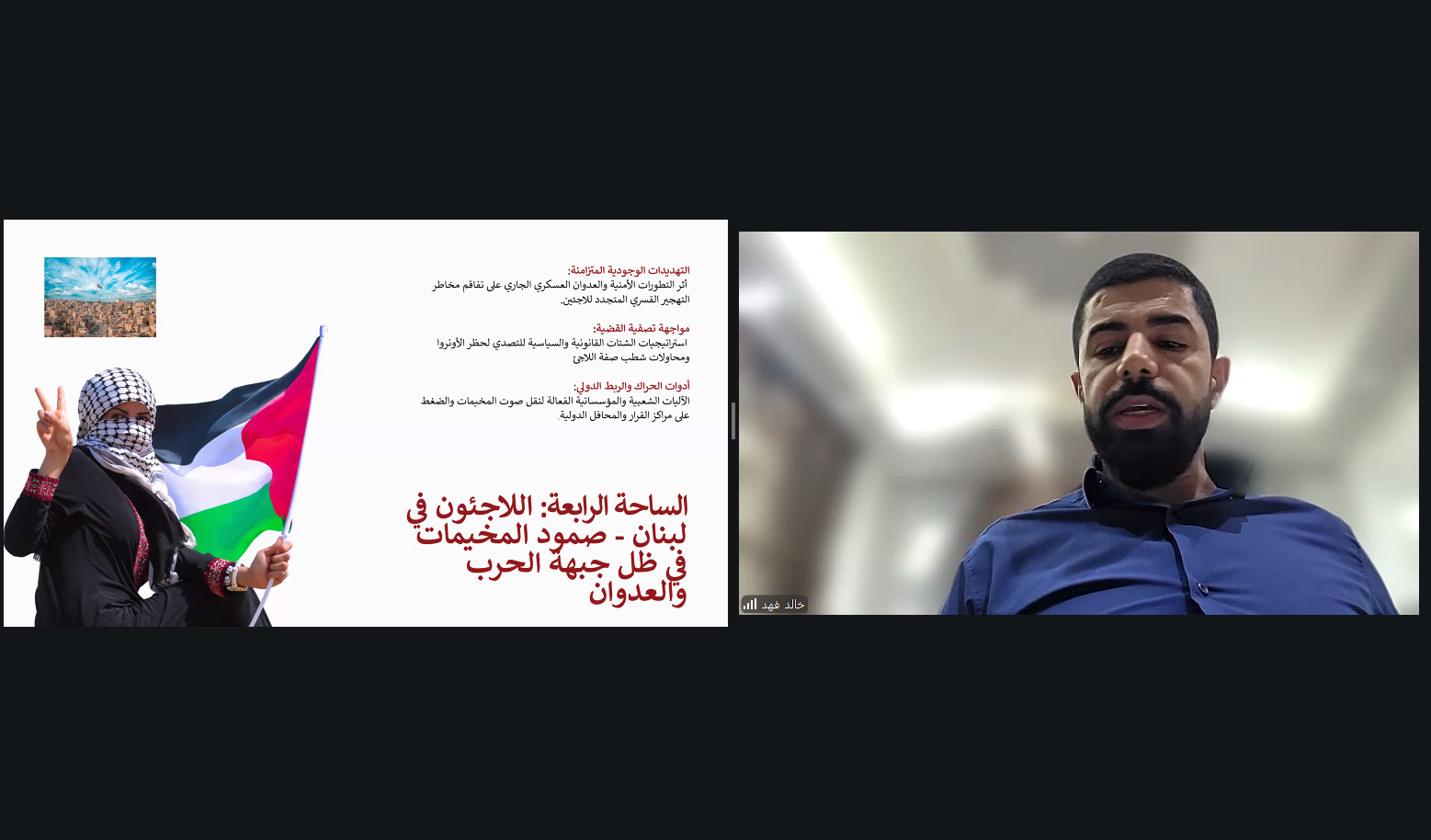
Mr. Khaled Fahd, President of the Palestinian Youth National Forum in Lebanon, presented a vivid picture of the 12 Palestinian refugee camps in Lebanon, where poverty exceeds 75 percent. He highlighted restrictions on employment and property ownership, the deterioration of UNRWA services, and the escalation of the current aggression against Lebanon.
Fahd called for activating international resolutions 194 and 302 and unifying the Palestinian reference framework in order to rescue refugees from these compounded crises.
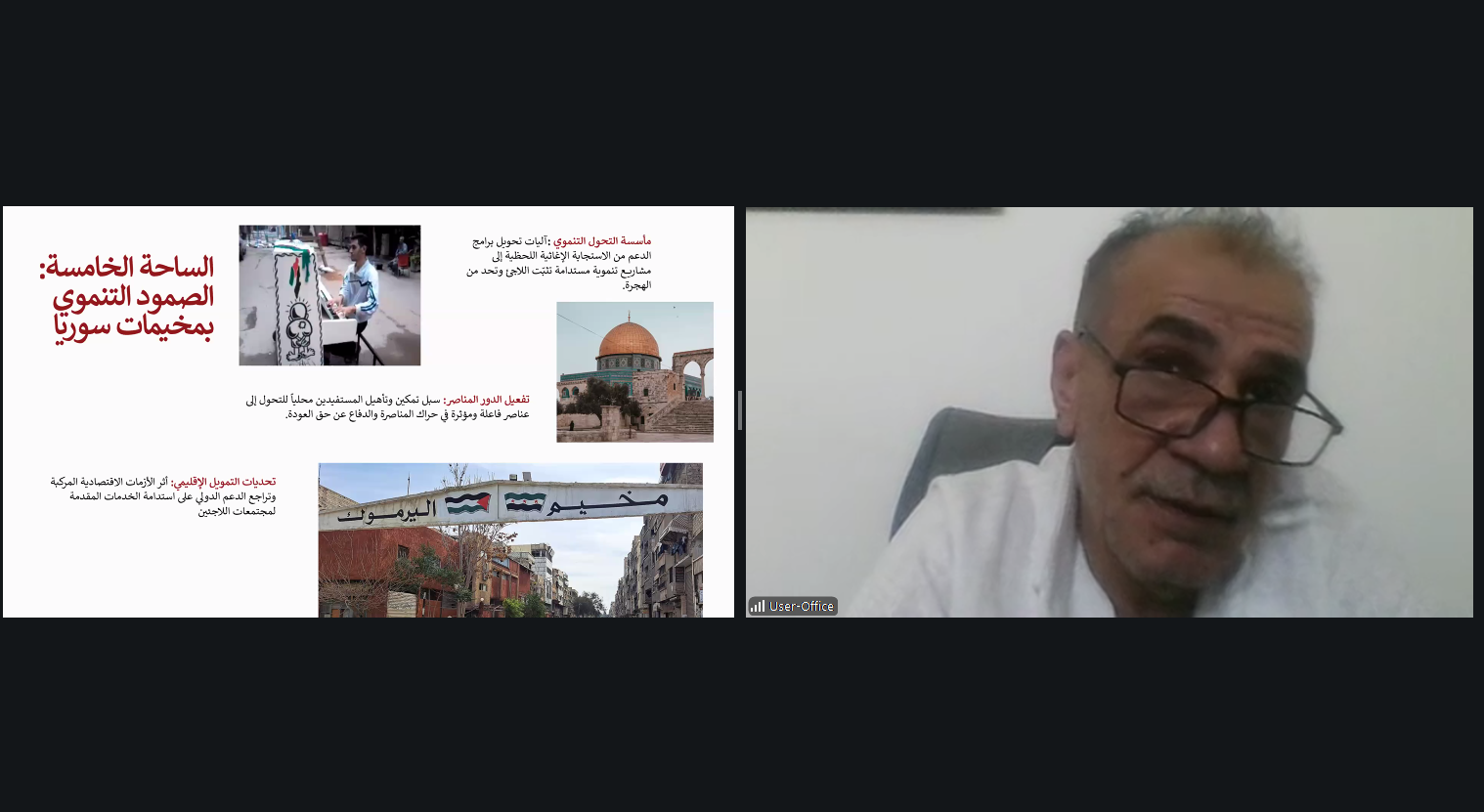
Mr. Ahmad Abu Al-Khair, Executive Director of Jafra Development Foundation in Syria and Lebanon, presented the organization’s field experience in Yarmouk Refugee Camp. He emphasized that the most sustainable investment in protecting Palestinian identity and the right of return lies in integrating educational and cultural programs and training young cadres to analyze the nature of the conflict and confront attempts to distort collective consciousness.
Journalist and activist Mr. Omar Abu Karim, Director of the Palestinian Diaspora Foundation in Brussels, spoke about the role of Palestinian communities in influencing European decision-making through petitions, coalitions, and campaigns boycotting companies supporting the occupation. He noted the success of the movement in building an international network of lawyers to pursue accountability for war criminals, despite challenges including prosecution and accusations of antisemitism.
Abu Karim called for building first-rank youth leadership within European municipalities and parliaments to unify Palestinian communities and internationalize the issue of Palestinian prisoners.
In turn, Mr. Taher Dahla, one of the founders of the student movement in the United States, analyzed the causes behind the recent decline in student mobilization in the United States. He attributed this decline to repression, arrests, and administrative intimidation carried out by the Donald Trump administration against students, including in the case of student Mahmoud Khalil, as well as the dominance of major media outlets by forces aligned with the Israeli narrative.
At the conclusion of the meeting, Ms. Alaa Daoud, Activities Coordinator at ICSPR, called for transforming these discussions and initiatives into practical solutions capable of immediate implementation on the ground.
Dr. Salah Abdel Ati called for the creation of a permanent and regular communication space among institutions. He announced that participants had agreed on a set of recommendations and practical outcomes, most notably:
-
Establishing a permanent Palestinian coordinating body bringing together institutions and young people in Palestine and the diaspora, holding monthly meetings and leading joint campaigns and initiatives on common national issues.
-
Unifying Palestinian political and human rights discourse and developing legal tools grounded in international law to document violations, activate accountability mechanisms, pursue legal action, and isolate the occupation.
-
Empowering and preparing youth and women leaders and supporting cultural and educational initiatives that protect national identity and document the Palestinian narrative and collective memory across generations.
-
Expanding international advocacy alliances with trade unions, universities, and parliaments, while intensifying comprehensive boycott campaigns against apartheid policies.
-
Making the issue of Palestinian male and female prisoners a top national priority and launching sustained global campaigns demanding their freedom and protection.