
ICSPR Condemns the Escalation of Israeli War Crimes in Hebron, the West Bank, and Gaza, Calls for Urgent International Intervention to Protect Palestinians and Hold Israeli Occupation Leaders Accountable

Date: 25 October 2026
Press Statement
ICSPR Condemns the Escalation of Israeli War Crimes in Hebron, the West Bank, and Gaza, Calls for Urgent International Intervention to Protect Palestinians and Hold Israeli Occupation Leaders Accountable
The International Commission to Support Palestinian Rights (ICSPR) strongly condemns the escalation of Israeli occupation crimes across the occupied Palestinian territory, including the siege, raids, home demolitions, and forced displacement of residents in Hebron and other areas of the West Bank. These violations coincide with raids on more than 15 towns and cities in the northern West Bank, the arrest of numerous Palestinians, escalating settler attacks, and road closures, alongside the continued mass killings and war crimes against civilians in the Gaza Strip. ICSPR stresses that these practices are part of a criminal Israeli policy that threatens civilian lives, civilian objects, and the very presence of Palestinians on their land.
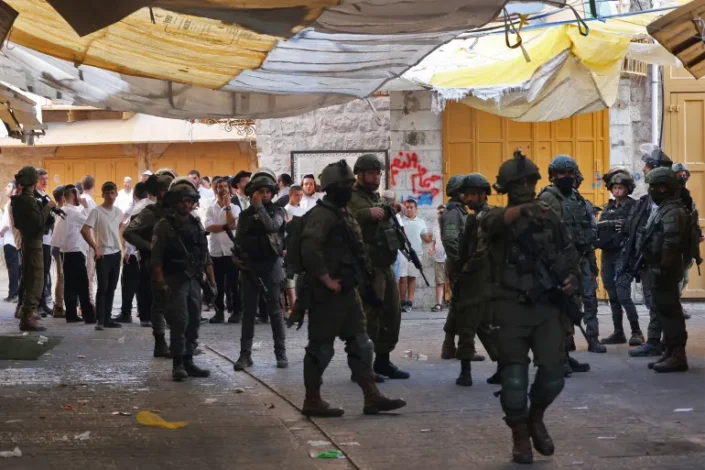
ICSPR condemns the forced displacement of approximately 2,200 Palestinians from their homes in the Al-Jalda and Deir Bahha areas of Hebron after families were given an extremely short deadline to evacuate their homes under coercion. These Israeli measures have displaced more than 200 families from Al-Jalda. Meanwhile, the forced removal of residents under threats and coercion continues, raising serious concerns about forcible transfer and the denial of residents’ safe return to their homes, some of which have been demolished.
ICSPR condemns the statements and decisions of the Israeli occupation government, particularly the positions of Prime Minister Benjamin Netanyahu and ministers Bezalel Smotrich and Itamar Ben-Gvir, which reinforce crimes and violations, promote settlement expansion and annexation, and seek to impose facts on the ground by force in the occupied Palestinian territory. These positions provide political cover for repression, siege, restrictions, displacement, and collective punishment. ICSPR warns of the dangers posed by incitement to collective punishment, the forced displacement of Palestinians, and actions undermining the Palestinian Authority.
ICSPR denounces the closure of Hebron, the prevention of residents from entering or leaving the city, the disruption of economic life, and the closure of hundreds of factories and commercial establishments. It also condemns the evacuation of staff from the Ibrahimi Mosque, the prevention of prayers there, and the closure of its gates. ICSPR emphasizes that imposing collective restrictions on residents, depriving them of their livelihoods, and preventing them from exercising their religious rites constitute serious violations of the right to freedom of movement and access to places of worship, as well as their protection under international law.
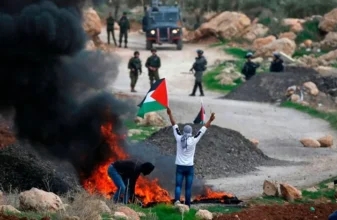
ICSPR condemns settler attacks against Palestinian farmers in the West Bank, including the theft of olive harvests and agricultural equipment, assaults on residents and their property, and the continued crimes of settlement expansion, colonial annexation, forcible displacement, collective punishment, unlawful destruction of property, and attacks against civilians. These acts constitute war crimes and grave violations of international humanitarian law. ICSPR holds the Israeli occupation authorities responsible for these violations and rejects any pretexts used to justify forcible displacement, collective punishment, or the erosion of the Palestinian presence on its land.
ICSPR warns of the continued targeting of civilians and the ongoing commission of war crimes against them. According to the Ministry of Health, hospitals received 10 fatalities and 62 injured people during the last 48 hours, bringing the reported toll since the ceasefire announced on 11 October 2025 to 1,547 fatalities and 5,559 injured people.
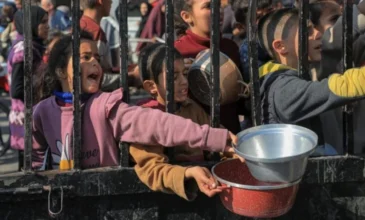
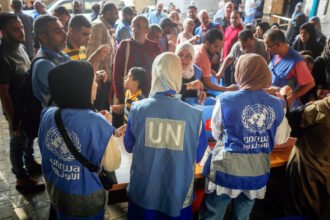
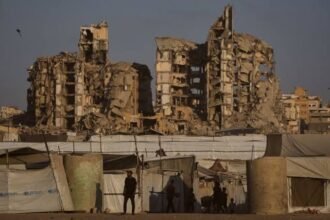
ICSPR further warns against the continuation of siege and starvation crimes and the ongoing obstruction of humanitarian aid and essential supplies to Gaza’s population. These restrictions include impediments to the entry of fuel, oils, spare parts, and technical supplies, threatening to shut down hospital generators and disrupt critical, life-saving hospital departments. This is occurring as humanitarian needs intensify and the risk of starvation grows, while winter approaches and displaced families face harsh shelter conditions. The continued prevention of temporary housing units, tents, and essential shelter equipment and supplies threatens to further exacerbate the humanitarian catastrophe in the Gaza Strip.
ICSPR calls on the United Nations and the States Parties to the Geneva Conventions to take immediate and binding measures to halt Israeli occupation crimes and provide international protection for civilians in Gaza, the West Bank, and occupied East Jerusalem. It calls for an end to forcible evictions, home demolitions, settler attacks, and settler terrorism; the lifting of restrictions on movement in Hebron and the Gaza Strip; and the unconditional entry of food, water, medicine, fuel, oils, spare parts, hospital operating supplies, and shelter materials. ICSPR also demands that temporary housing units, tents, and essential shelter supplies be made available to displaced families.
The International Commission to Support Palestinian Rights (ICSPR) affirms that protecting Palestinians is a binding obligation under international law. Continued reliance on statements of condemnation alone is no longer acceptable. Governments and international organizations must take practical action to fulfill their legal and moral responsibilities, impose sanctions on the Israeli occupation state, hold those responsible for crimes and violations accountable before international courts, and end the policy of impunity. They must also take concrete measures to halt the genocidal war in Gaza and the crimes of settlement expansion and colonial annexation, support the Palestinian people in bringing the occupation to an end, and ensure their inalienable rights, foremost among them the right to self-determination.