
The International Commission “ICSPR” Organizes an Expanded Dialogue Workshop on Palestinian Prisoners’ Day and Calls for Urgent International Action to Stop Violations Against Prisoners

Date: April 20, 2025
Press Release
The International Commission “ICSPR” Organizes an Expanded Dialogue Workshop on Palestinian Prisoners’ Day and Calls for Urgent International Action to Stop Violations Against Prisoners
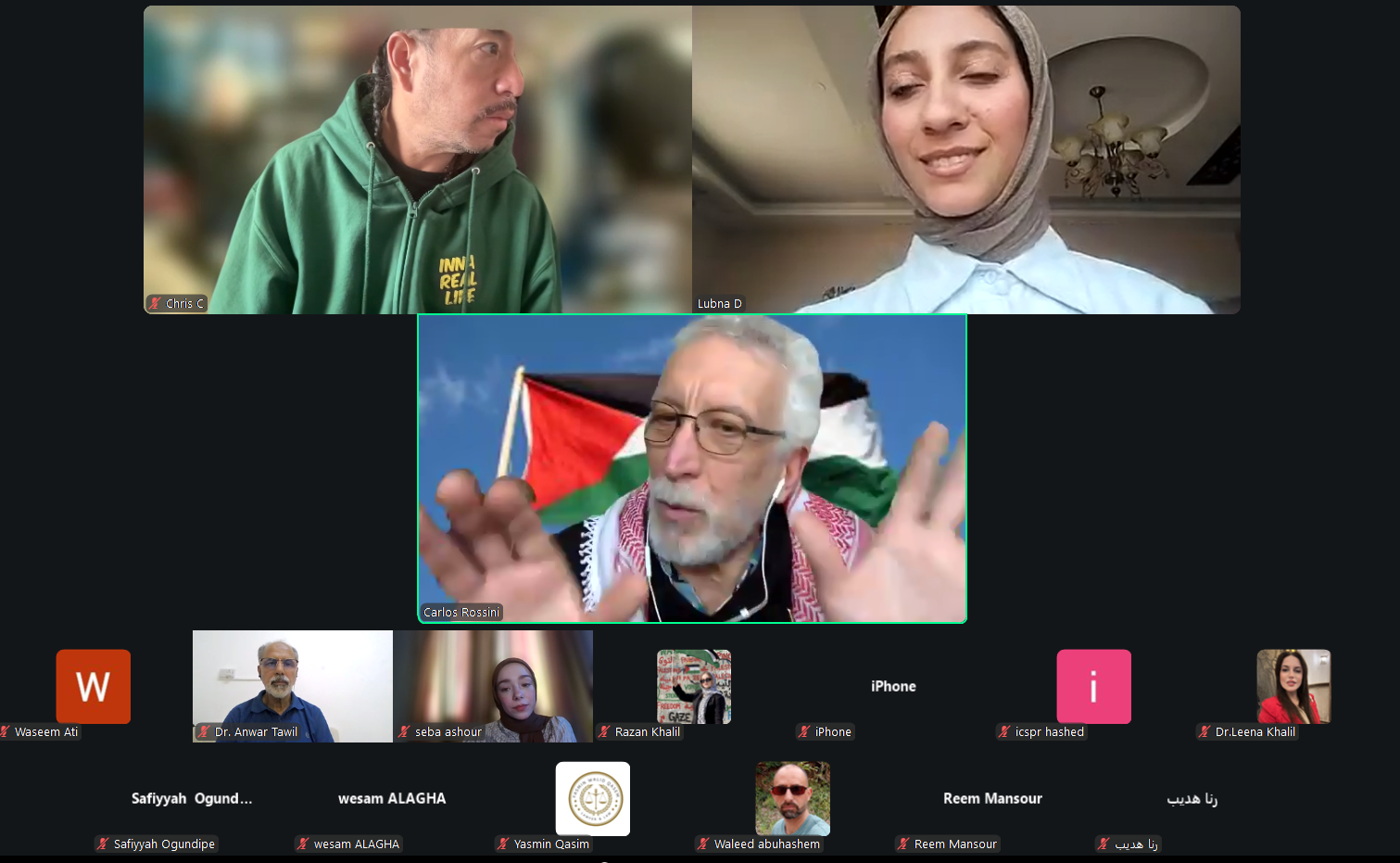
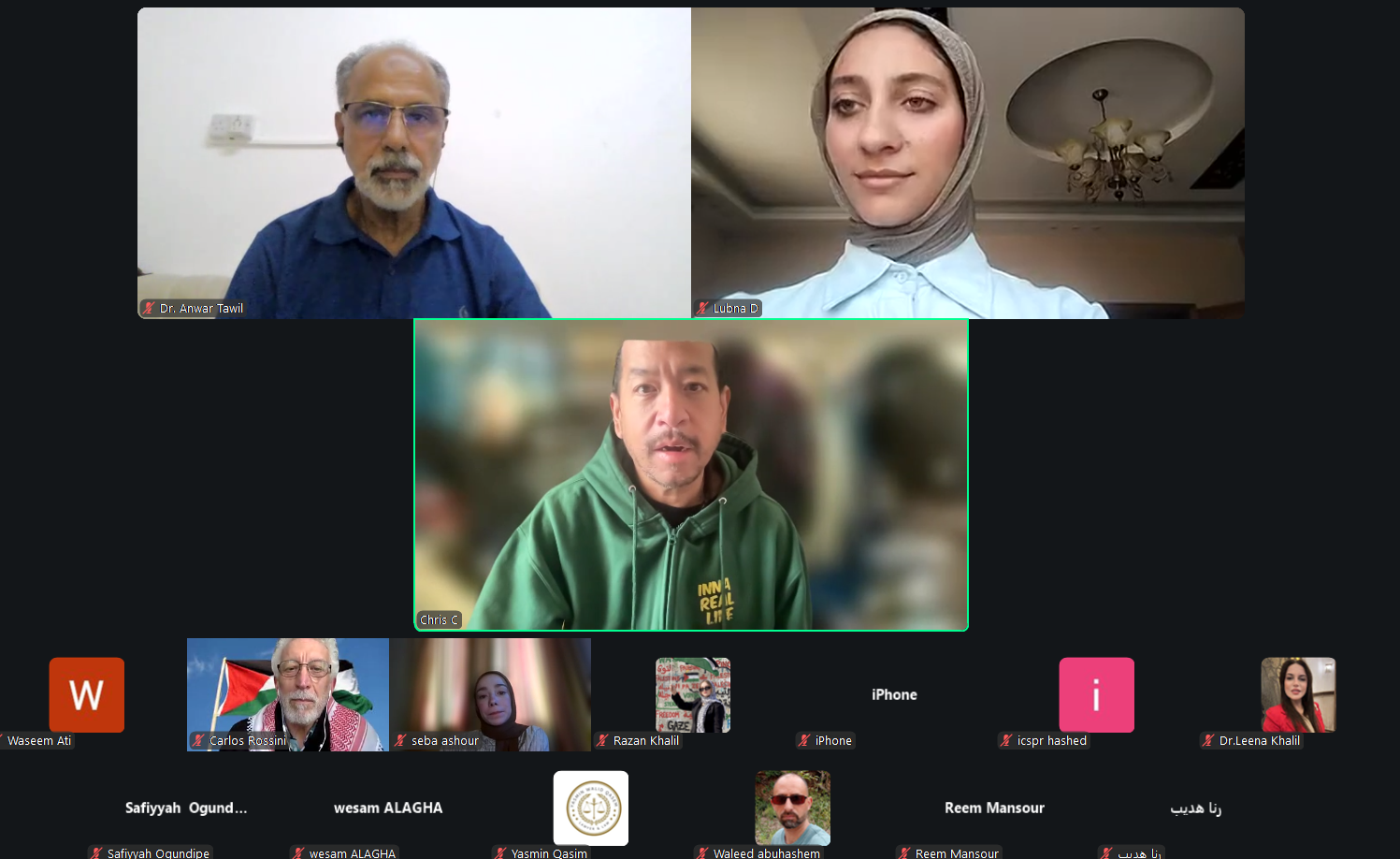
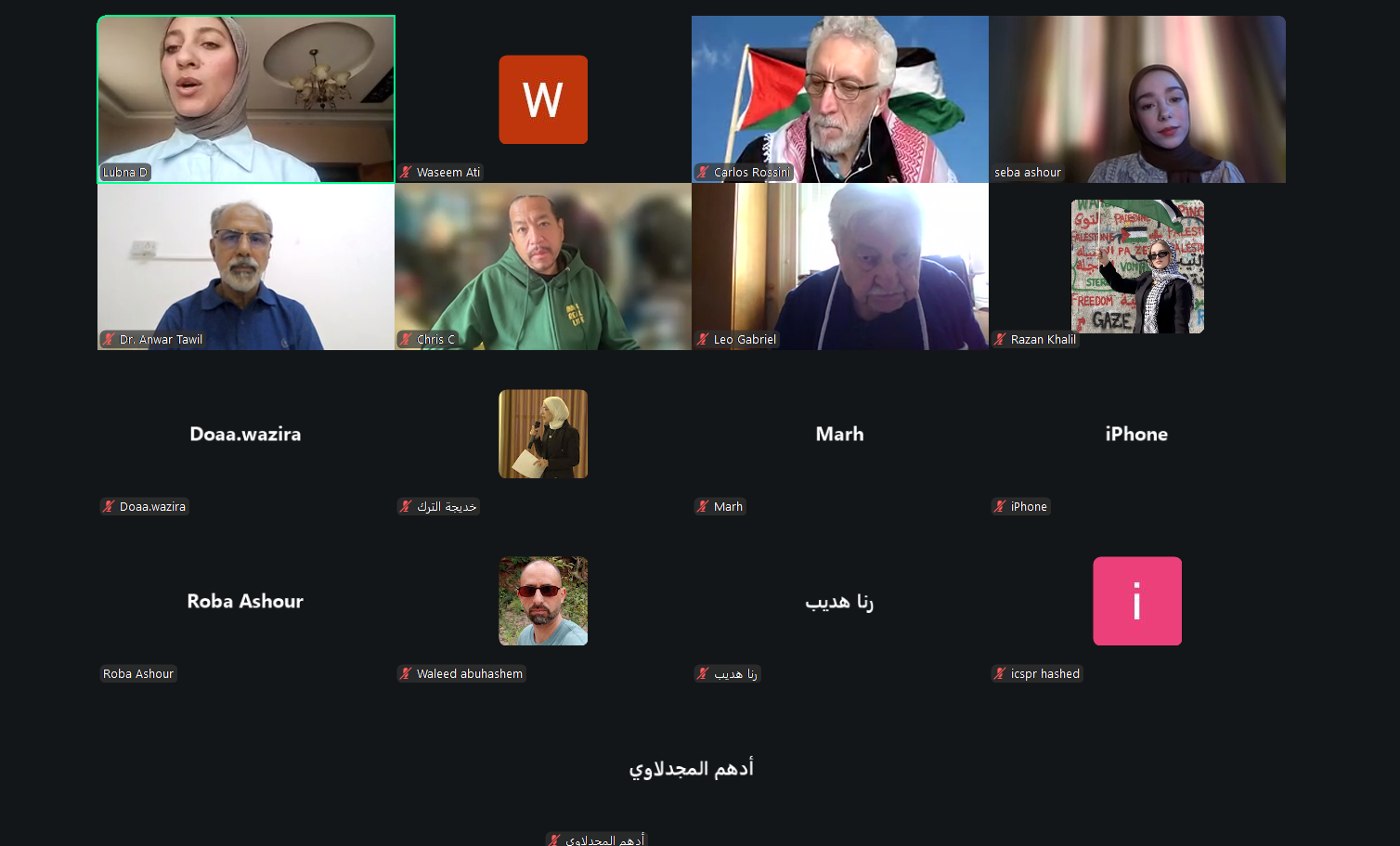
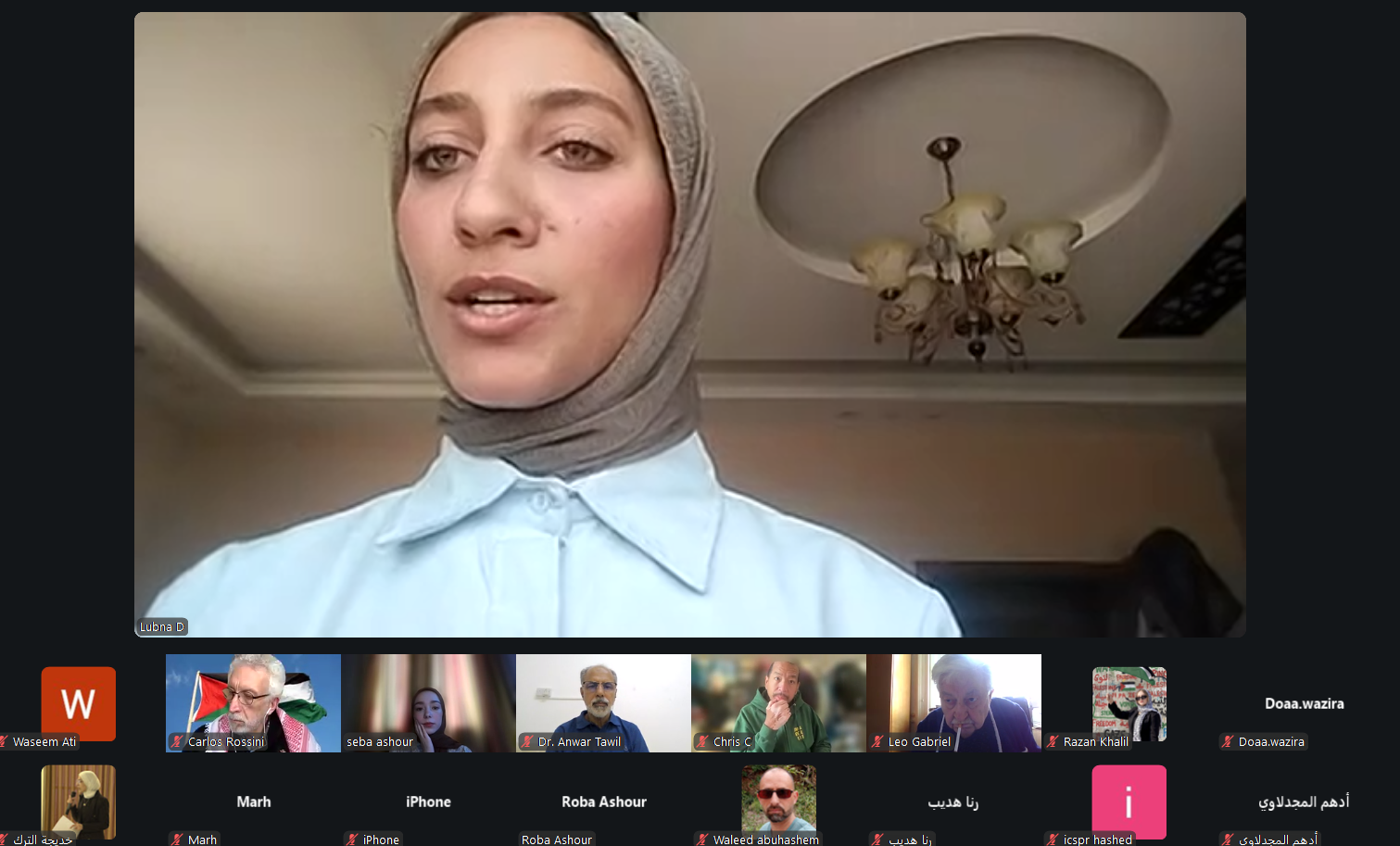
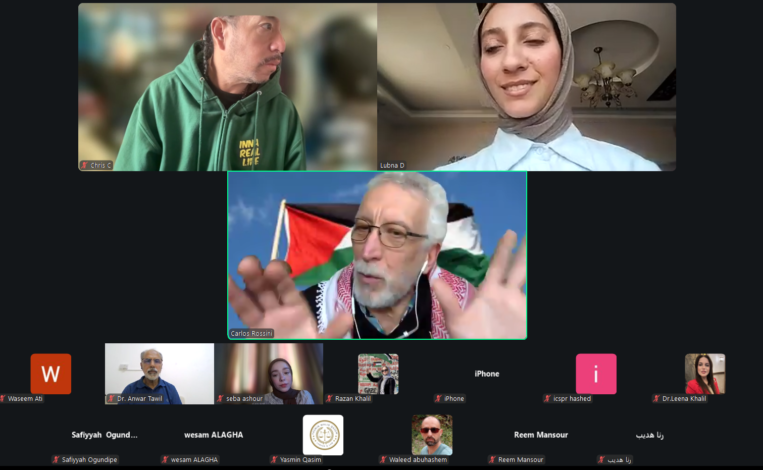
The International Commission to Support the Rights of the Palestinian People (“ICSPR”) organized an expanded dialogue workshop via Zoom on the occasion of Palestinian Prisoners’ Day, with the participation of legal experts, researchers, and international human rights advocates. The workshop was dedicated to examining the reality of Palestinian prisoners inside Israeli prisons, the grave violations committed against them, and the avenues of international legal accountability and prosecution of those responsible for these violations. The workshop came as part of ongoing efforts to shed light on the international legal framework governing prisoners’ rights, discuss the violations committed against them in light of international humanitarian law and international human rights law, and explore possible legal avenues to achieve justice and accountability.
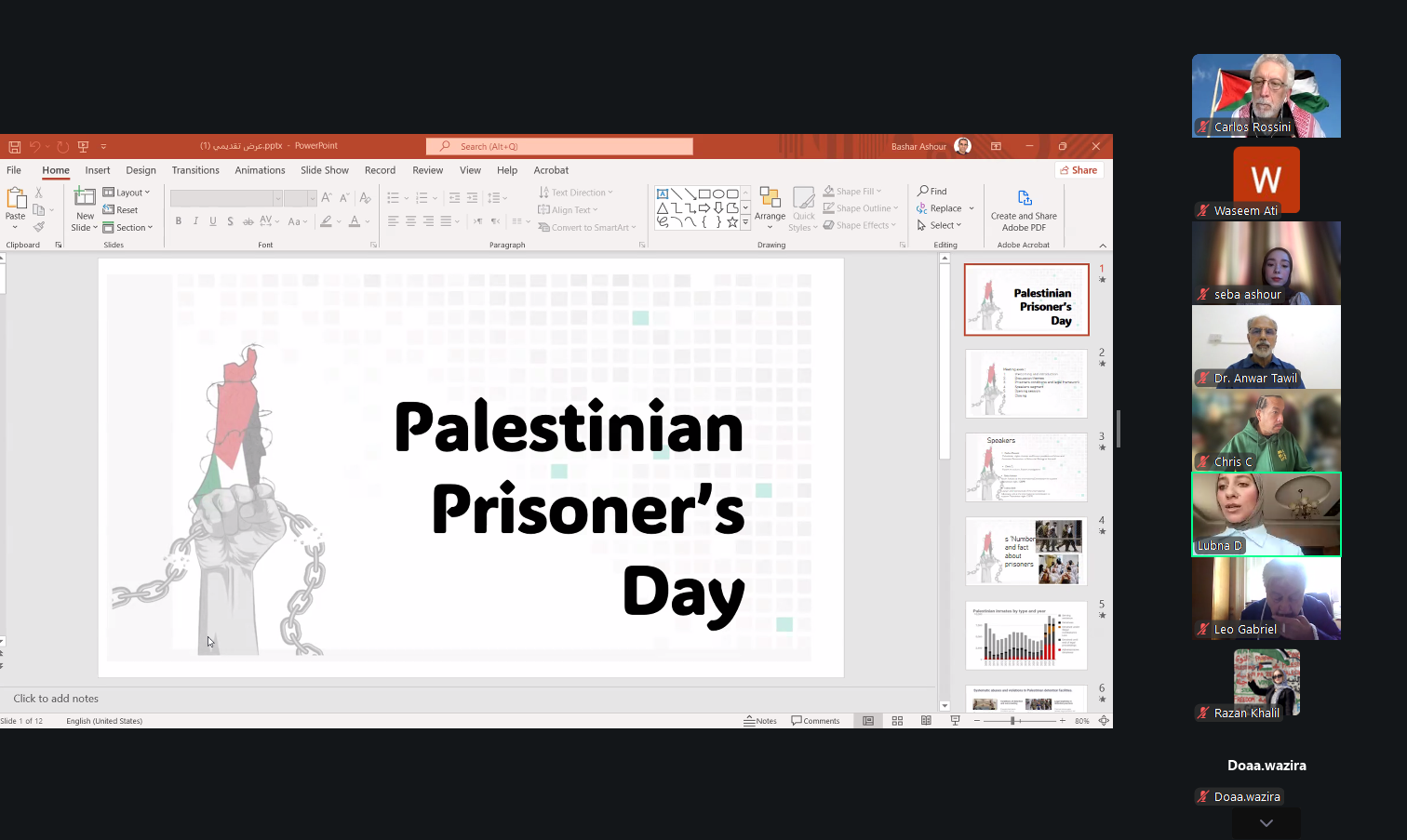
The meeting began with technical and coordination arrangements to ensure the readiness of the presentation and the smooth conduct of the session. Participants coordinated the sharing of materials and presentations and adjusted video and display settings on the Zoom platform to ensure stable connectivity and the proper launch of the main session after resolving the key technical issues. The opening also included an exchange of greetings among participants, including Dr. Anwar, who joined from the Sultanate of Oman, in an atmosphere that reflected the importance of this legal and humanitarian meeting dedicated to the cause of Palestinian prisoners.
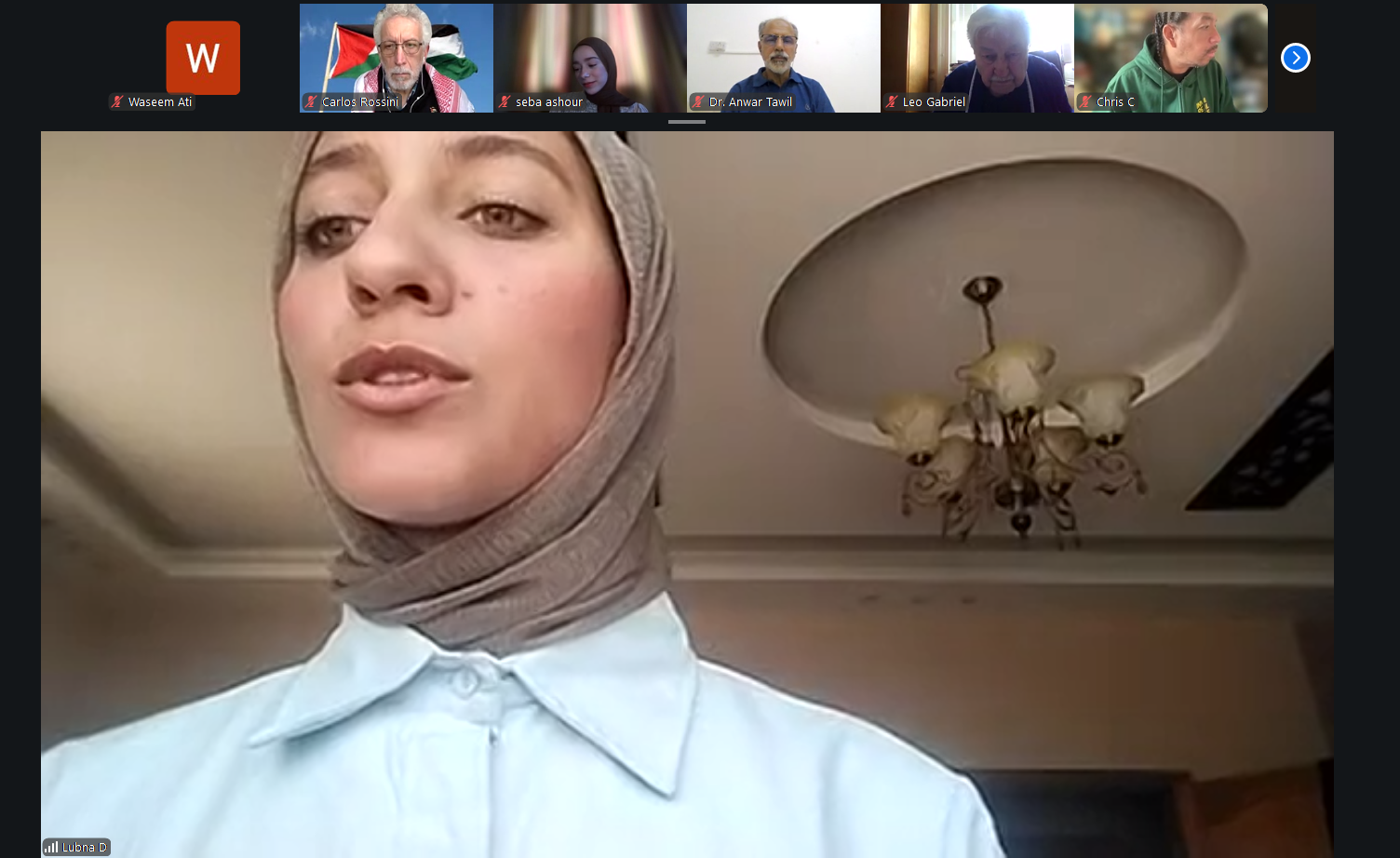
In her opening remarks, Lubna Deeb, lawyer and youth activist at the International Commission to Support the Rights of the Palestinian People, presented the general framework of the workshop, stressing that the session was devoted to addressing the catastrophic conditions endured by Palestinian prisoners, especially administrative detainees, amid severe overcrowding, malnutrition, medical neglect, patterns of torture, and degrading treatment. She also pointed to the widening gap between the protections guaranteed by international standards for detainees and the actual practices imposed on prisoners inside Israeli detention centers and prisons. She noted that the rising number of deaths in custody places increasing legal and moral responsibility on the international community and calls for urgent and effective action to break the silence and put an end to these violations.
Lubna Deeb further stressed in her later interventions the serious difficulties facing monitoring and investigation efforts in Palestinian prisoner cases, due to the denial of access to prisons, the lack of transparency, and restrictions that hinder access to accurate information on conditions of detention and the situation of detainees. She argued that these challenges do not negate the necessity of action; rather, they require intensified legal, media, and human rights efforts to uncover the reality of what is taking place inside detention facilities. She emphasized that the issue of prisoners constitutes an urgent humanitarian cause requiring broad international unity in confronting discrimination, injustice, and systematic violations.
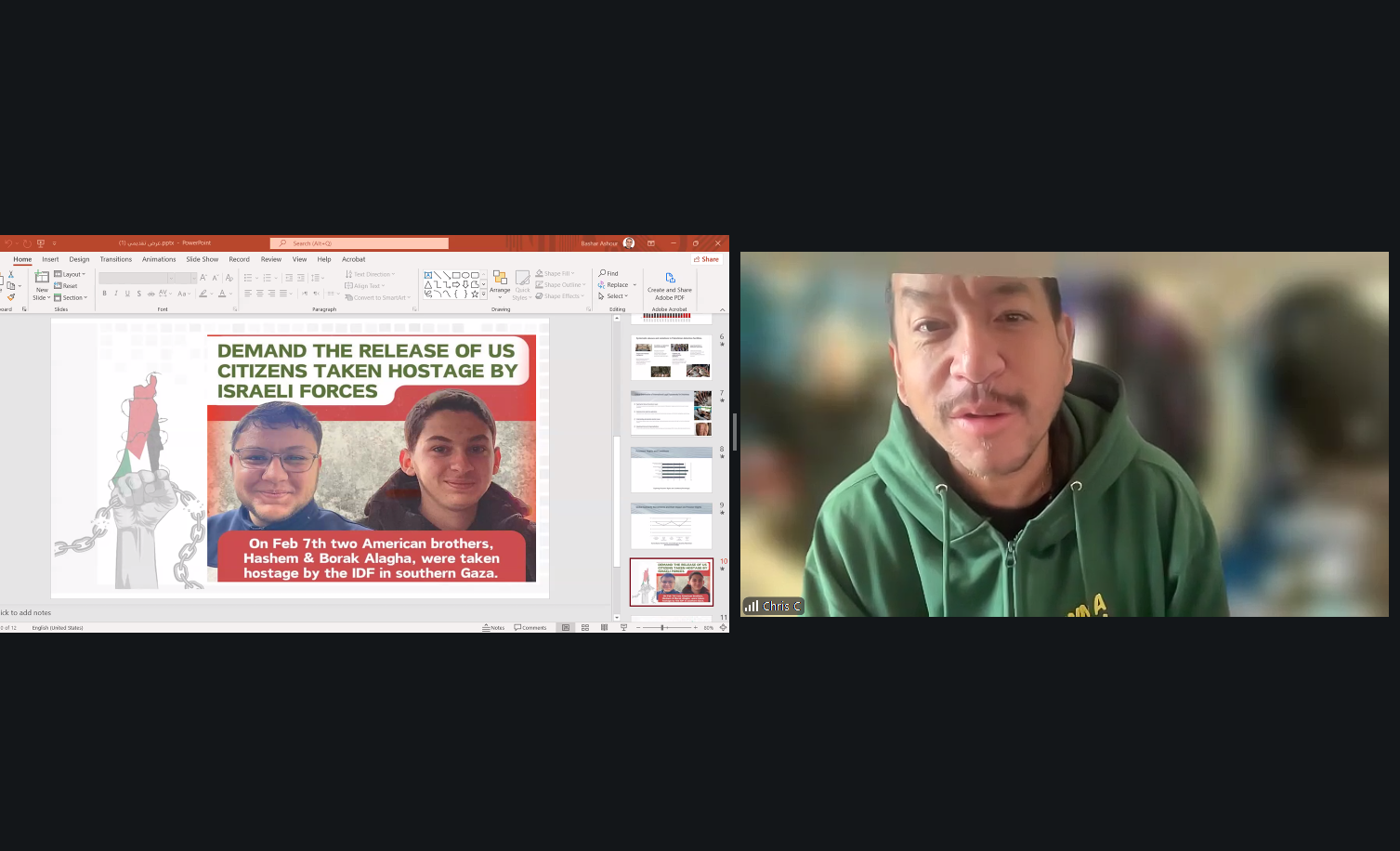
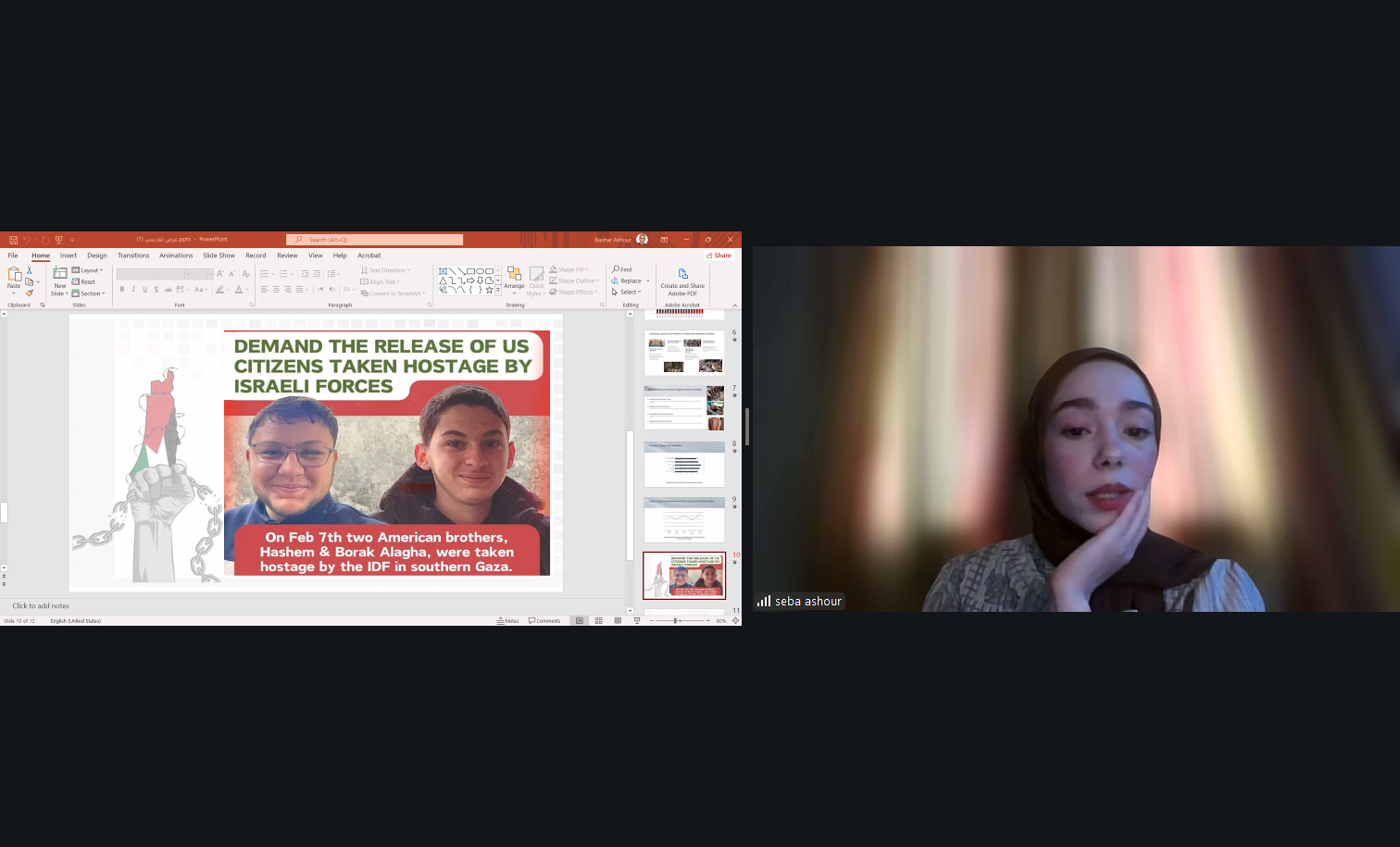
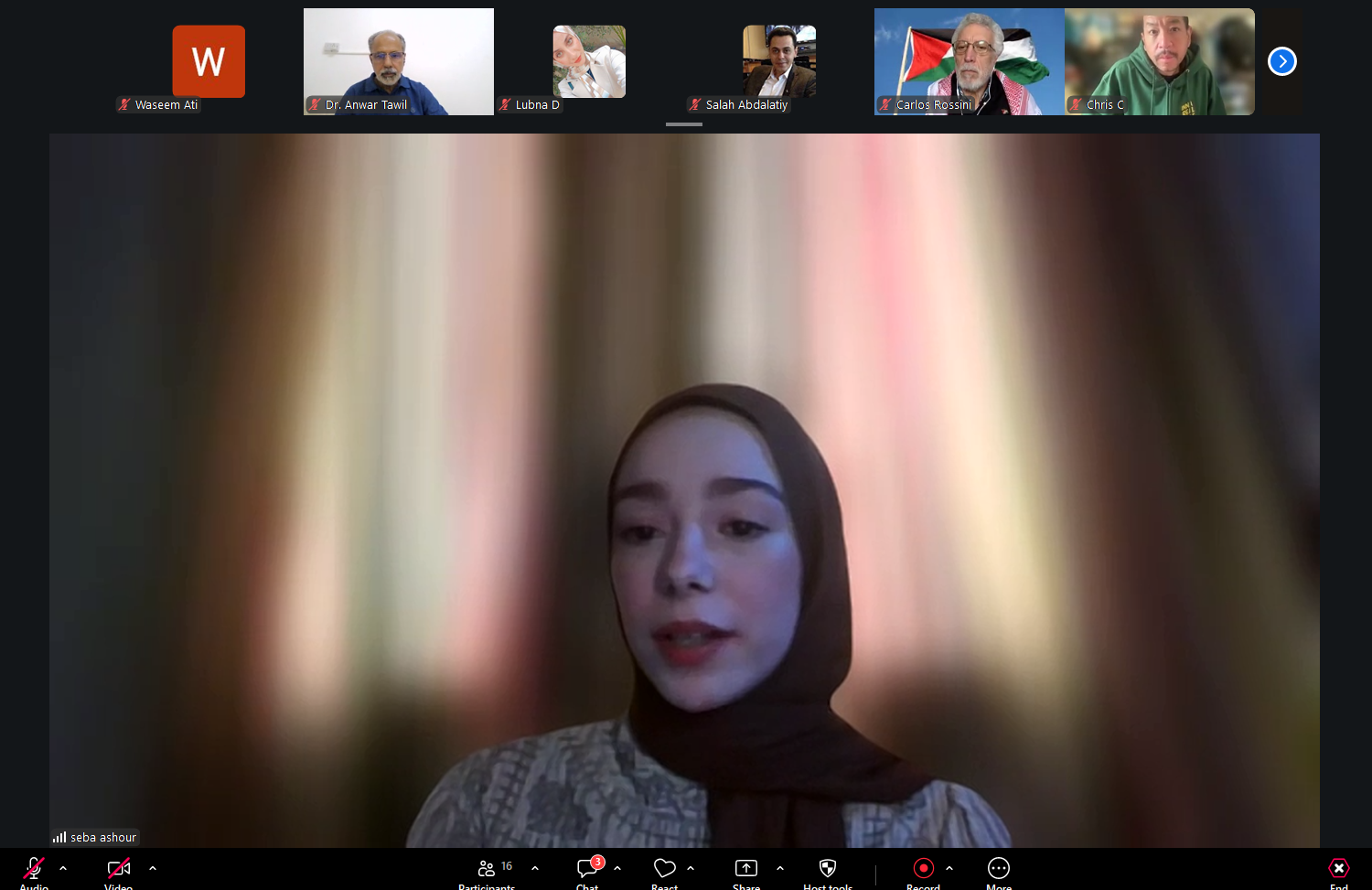
Saba Ashour, youth activist at the International Commission to Support the Rights of the Palestinian People, delivered a key intervention in which she reviewed the case of brothers Baraa and Hashem al-Araj from the US state of Illinois, who hold American and Canadian citizenship, and who were detained by Israeli forces in Gaza in February 2024 despite suffering from difficult health conditions at the time of arrest. She explained that, according to the workshop presentation, the two brothers remain in detention without formal charges and under harsh conditions that included physical abuse, lack of adequate medical care, and denial of legal access, raising serious concerns about grave violations of international humanitarian law and international human rights law.
Saba Ashour explained that this case received international attention through the efforts led by Maria Carey, founder of Project Taha, which helped highlight its legal and humanitarian dimensions at the international level. She also pointed to the importance of addressing individual cases as an entry point to exposing the broader pattern of violations affecting Palestinian prisoners and their families, including the extended social and humanitarian impact on children, families, and Palestinian society as a whole.
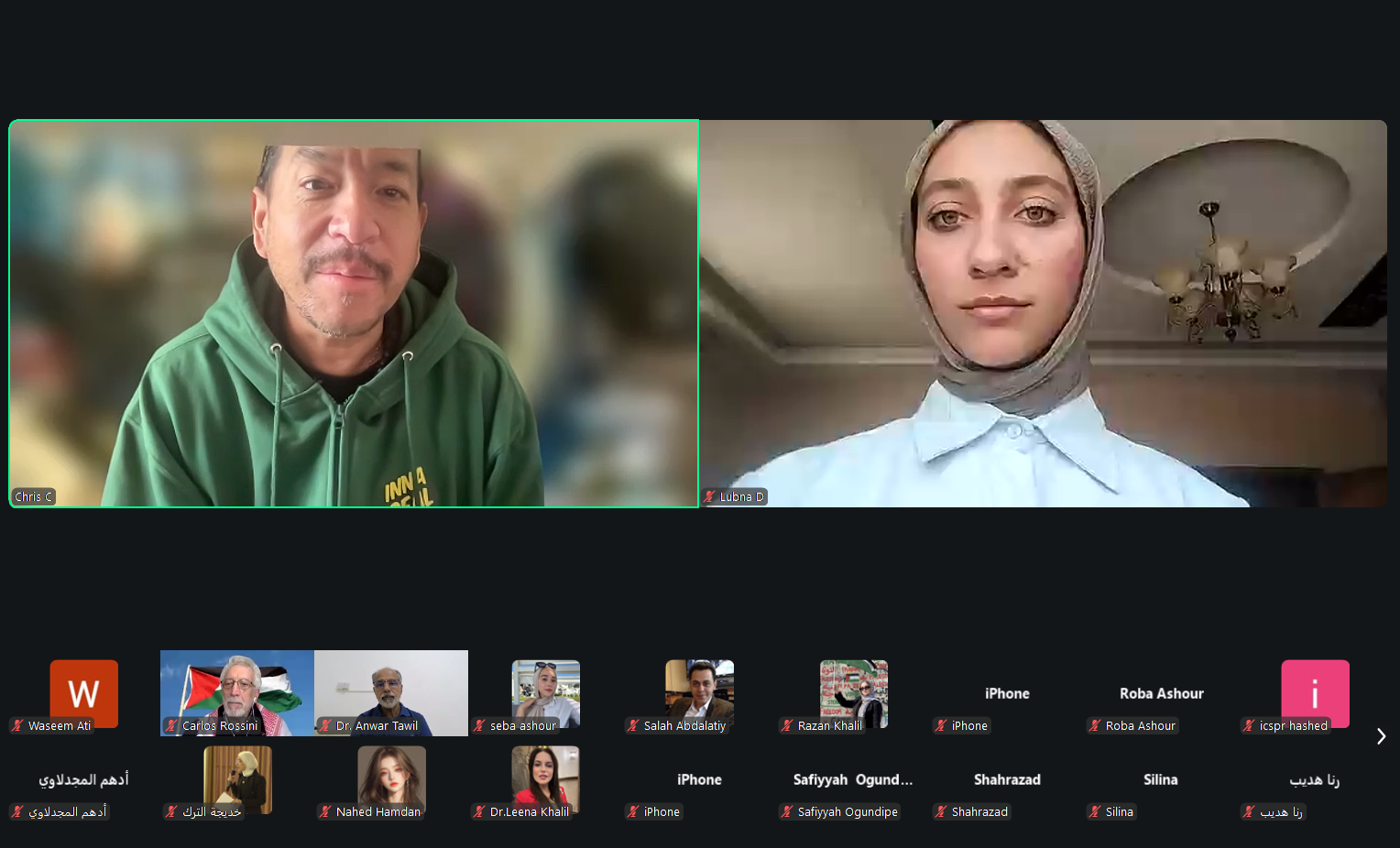
For his part, Chris C., expert in culture and expert investigator, focused on the methodological dimension of documenting prison violations, emphasizing that any serious legal or human rights effort must be based on detailed and comprehensive documentation of each prisoner’s case, including the circumstances of arrest, the nature of the treatment, the conditions of confinement, and the prisoner’s full individual history, while ensuring that testimonies are collected from multiple sources in a way that guarantees accuracy and credibility. He explained that many detention cases, especially those based on “secret files” or allegations unsupported by disclosed evidence, impose an added responsibility on researchers and human rights advocates to verify and substantiate information and build strong files that can be used in advocacy and accountability tracks.
Chris added that one of the greatest obstacles to effective investigation lies in the fear experienced by released prisoners and potential witnesses of retaliation or persecution, which necessitates providing safe spaces and mechanisms that protect confidentiality and identity when collecting testimonies. He stressed that building a safe environment for victims and witnesses is not merely a procedural aspect, but rather an essential condition for producing reliable knowledge that can be used legally, in the media, and in human rights advocacy.
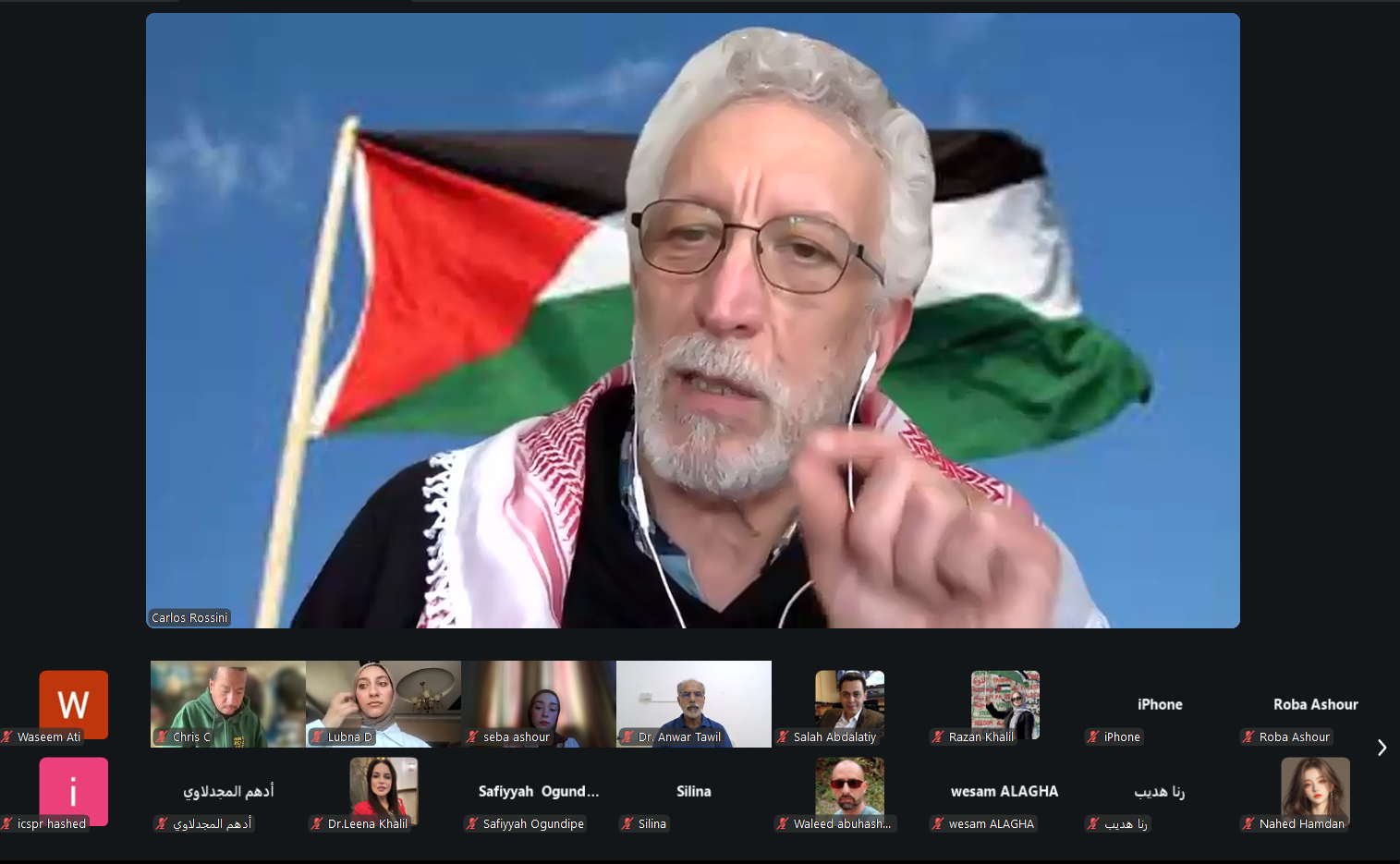
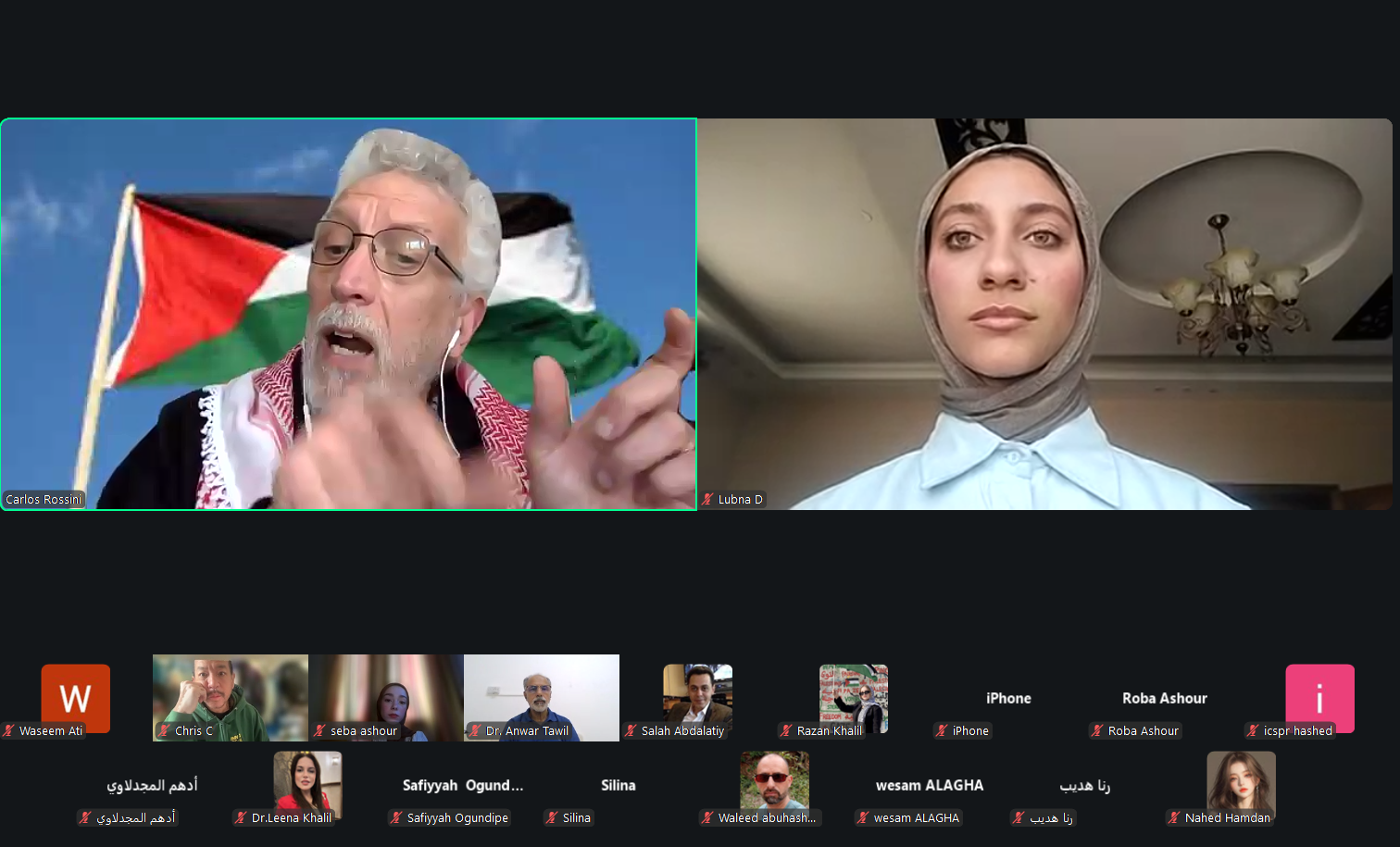
As for Carlos Rossini, Palestinian rights activist, former postdoctoral fellow, and associate researcher in molecular biology at Harvard University, he addressed in his intervention the health, legal, and political dimensions of the Palestinian prisoners’ file, pointing to the long-term effects that may result from exposing prisoners to contaminated or low-quality water or liquids, and the physical harm and health complications that may continue for years as a result. He considered that this pattern of treatment cannot be separated from a broader policy aimed at stripping prisoners of their humanity and subjecting them to degrading and harsh conditions.
Carlos Rossini also referred to serious legal and human rights characterizations contained in UN and human rights reports, including what was attributed to Special Rapporteur Francesca Albanese regarding the characterization of Israeli prisons. He noted that torture and ill-treatment are no longer merely isolated individual abuses, but appear to exist within an institutional and systematic framework, under a special military justice system used to prosecute Palestinians. Rossini linked these policies to the broader context experienced by Palestine, considering that what prisoners are subjected to is part of a wider structure of repression whose effects are reflected on present and future Palestinian generations.
In another part of his intervention, Carlos spoke about the challenges associated with double standards in the application of international law, affirming that ignoring violations committed against Palestinians constitutes a serious blow to the credibility of the international justice system. He also proposed ideas related to pursuing legal action against parties or governments accused of complicity, including making use of boycott, divestment, and sanctions (BDS) tools to identify companies and entities that contribute directly or indirectly to supporting these violations.
The workshop featured an in-depth discussion on the challenges associated with investigating the conditions of Palestinian prisoners, particularly in light of severe restrictions on visits and access to detainees, and the difficulty of obtaining testimonies and information from inside prisons. Speakers agreed that the treatment endured by Palestinian prisoners requires a stricter international response that combines professional documentation, legal action, political and media pressure, and the expansion of global solidarity efforts in order to put an end to the ongoing violations.
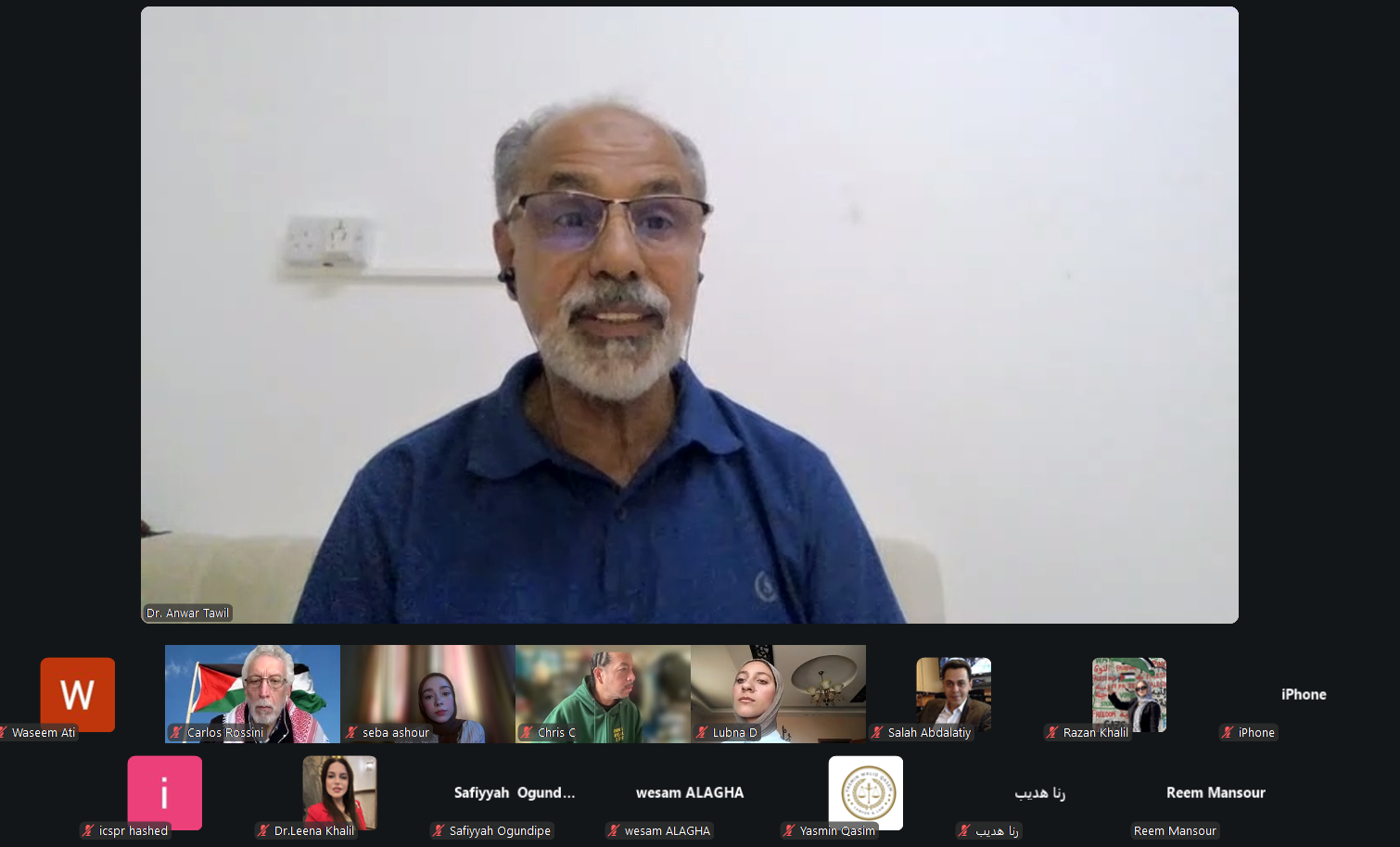
In the same context, Dr. Anwar from the Sultanate of Oman stressed that the file of Palestinian prisoners requires a more effective Arab and international stance, affirming that the continuation of violations against them, in the absence of accountability, represents a stain on the international human rights system and necessitates urgent action to support the prisoners and safeguard their dignity and fundamental rights.
At the conclusion of the workshop, participants affirmed that the issue of Palestinian prisoners can no longer tolerate delay or the mere issuance of condemnation statements, but rather requires responsible international action grounded in the principles of international law and human rights. They also stressed that protecting prisoners, delivering justice to victims, and holding accountable those responsible for torture, arbitrary detention, enforced disappearance, and health and humanitarian violations constitute a legal and moral duty incumbent upon the international community and its institutions.