
ICSPR Organises Broad-Based Dialogue Workshop with More Than 100 Community Figures to Promote Civil Peace in the Gaza Strip

Date: 13 October 2026
Press Release
ICSPR Organises Broad-Based Dialogue Workshop with More Than 100 Community Figures to Promote Civil Peace in the Gaza Strip
The workshop examines ways to strengthen the role of clans, mukhtars, and reconciliation committees in containing disputes, building community trust, and protecting rights and the rule of law amid the consequences of war.
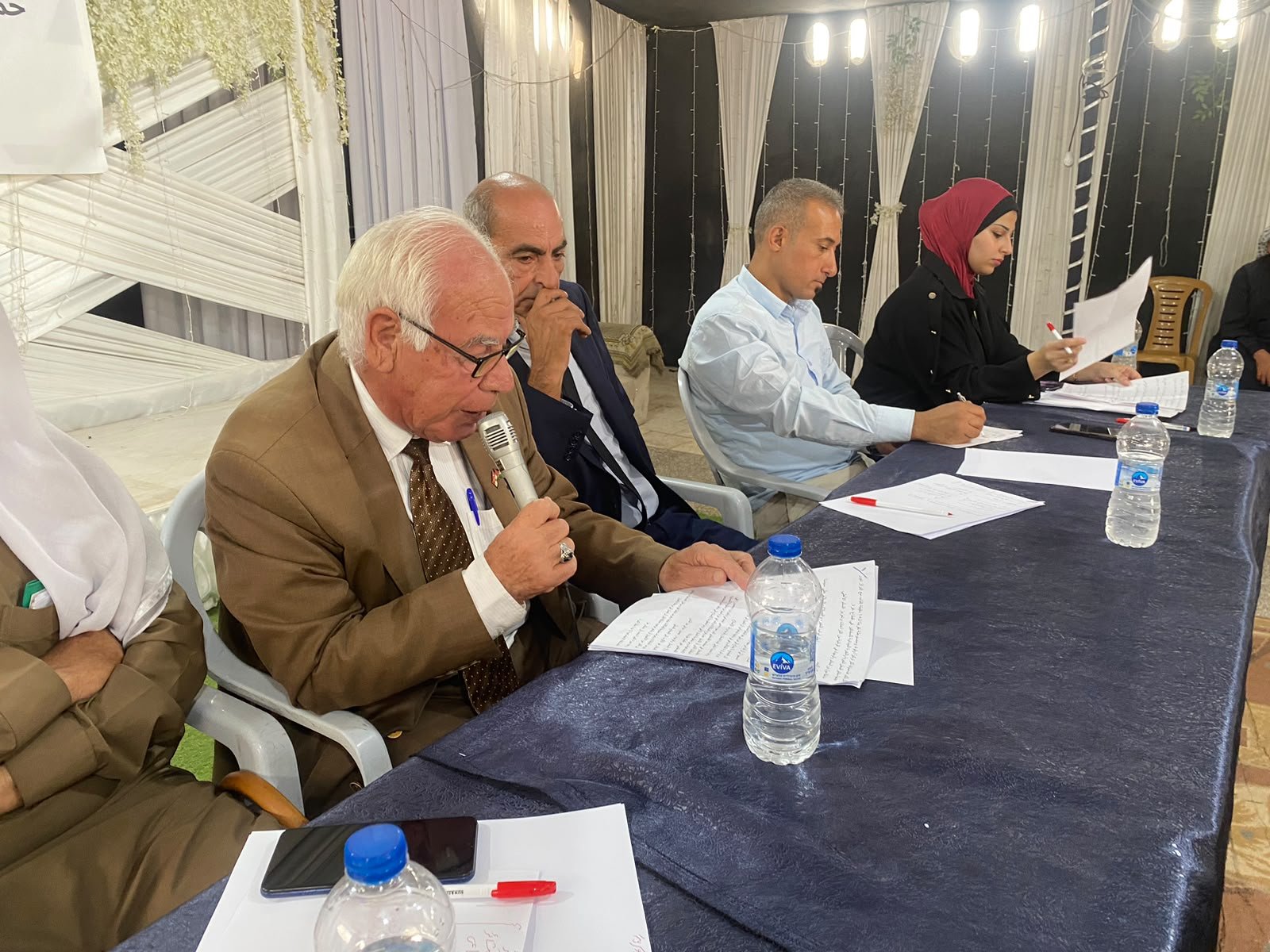
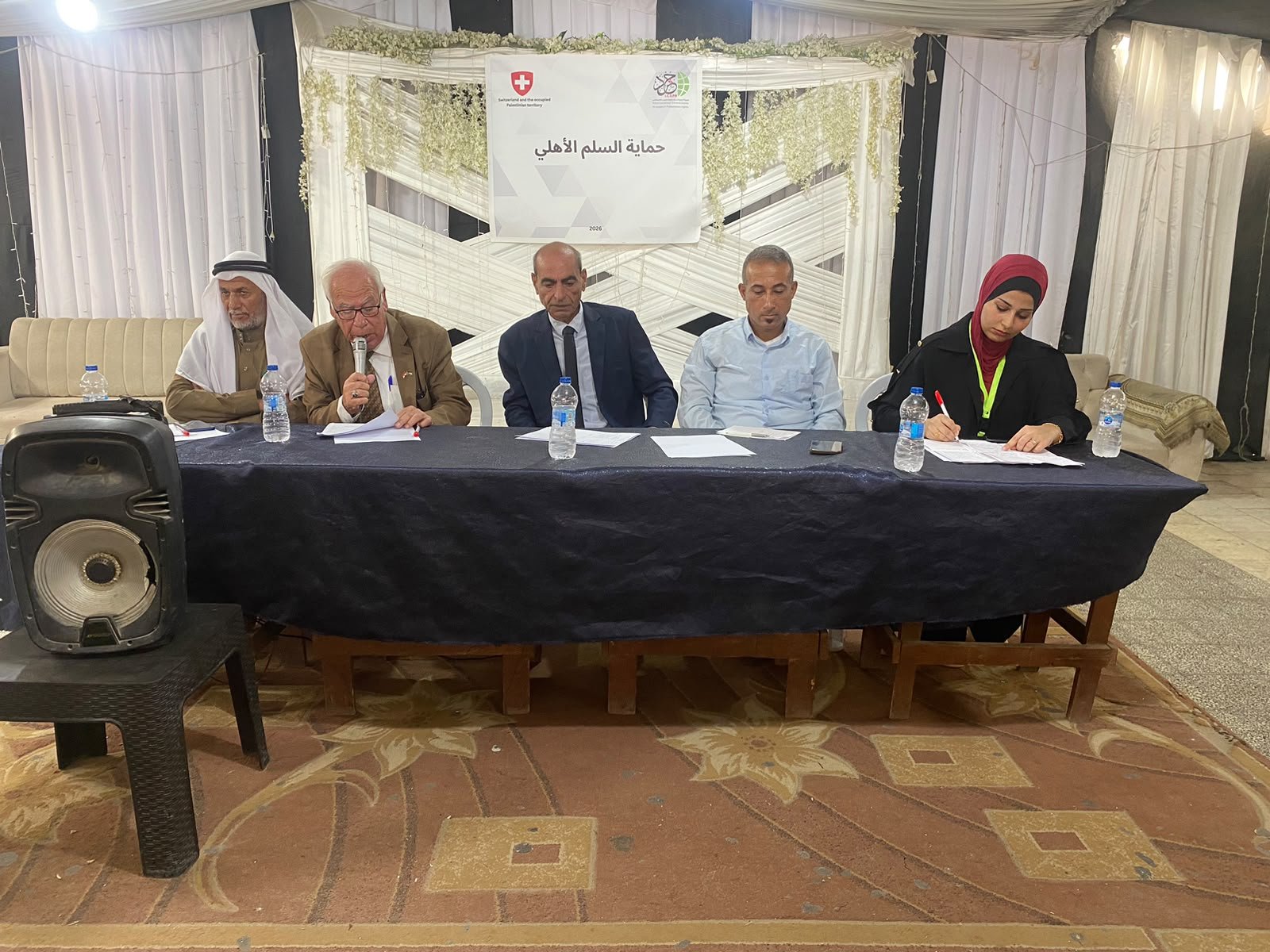
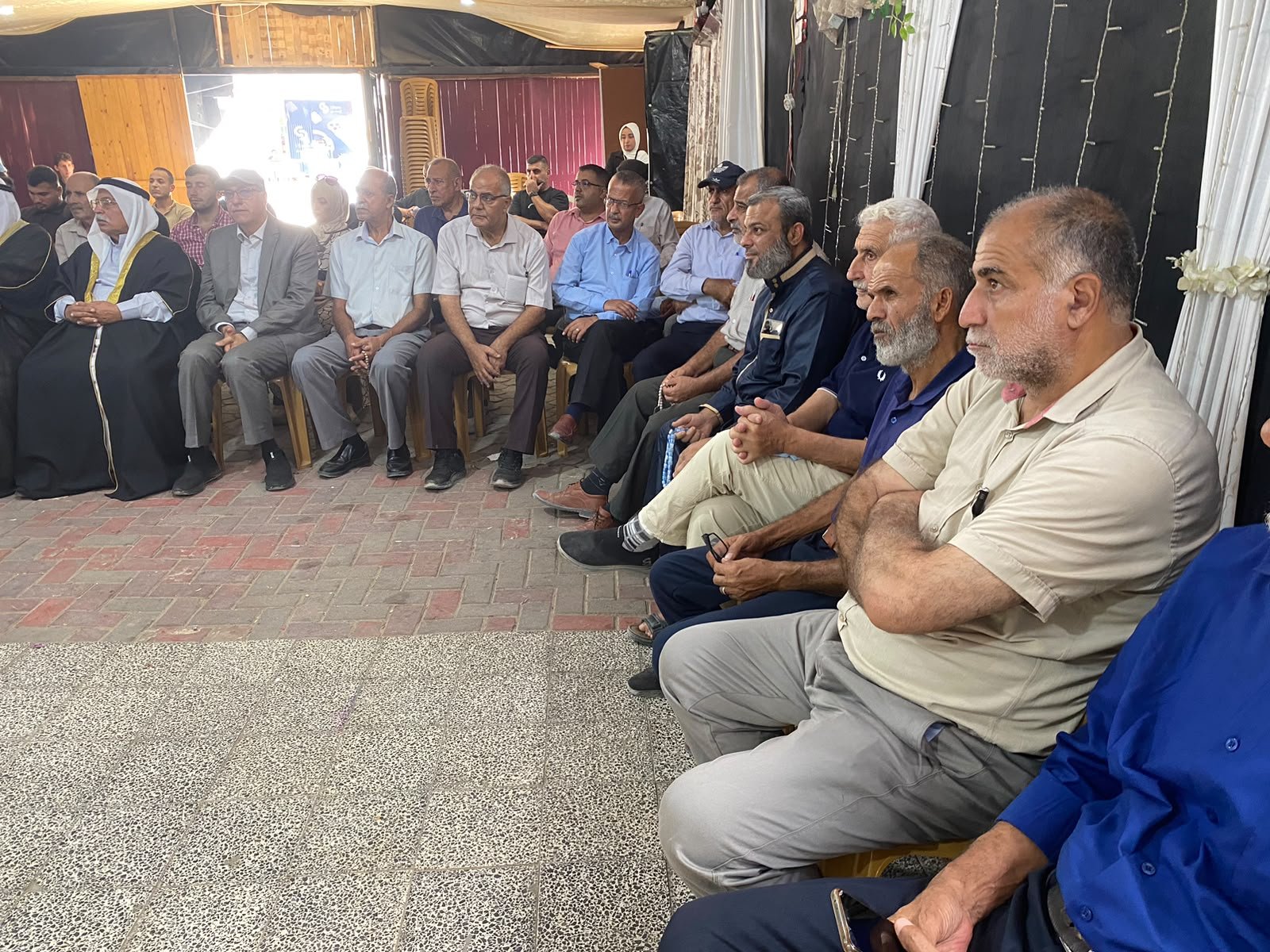
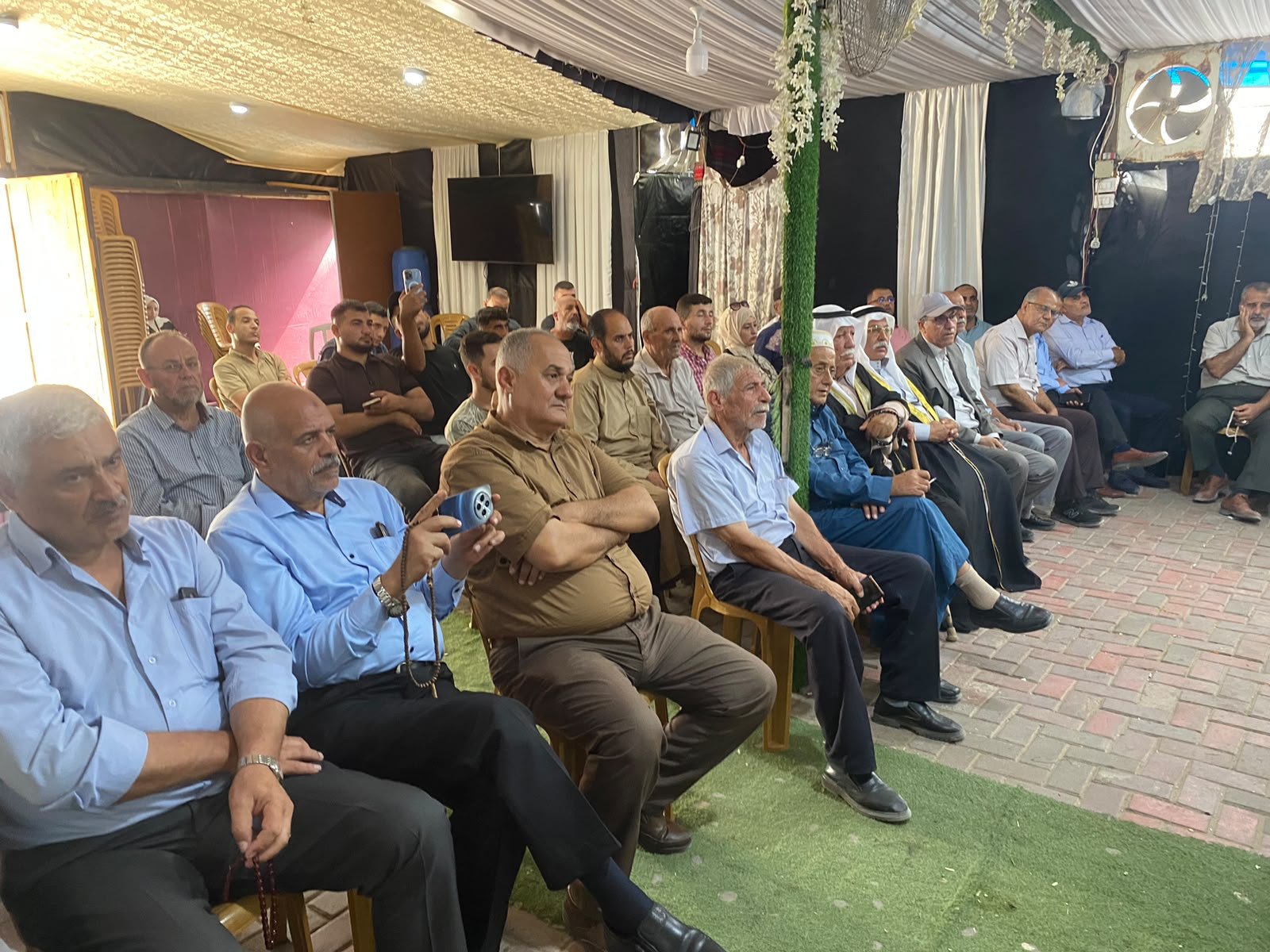
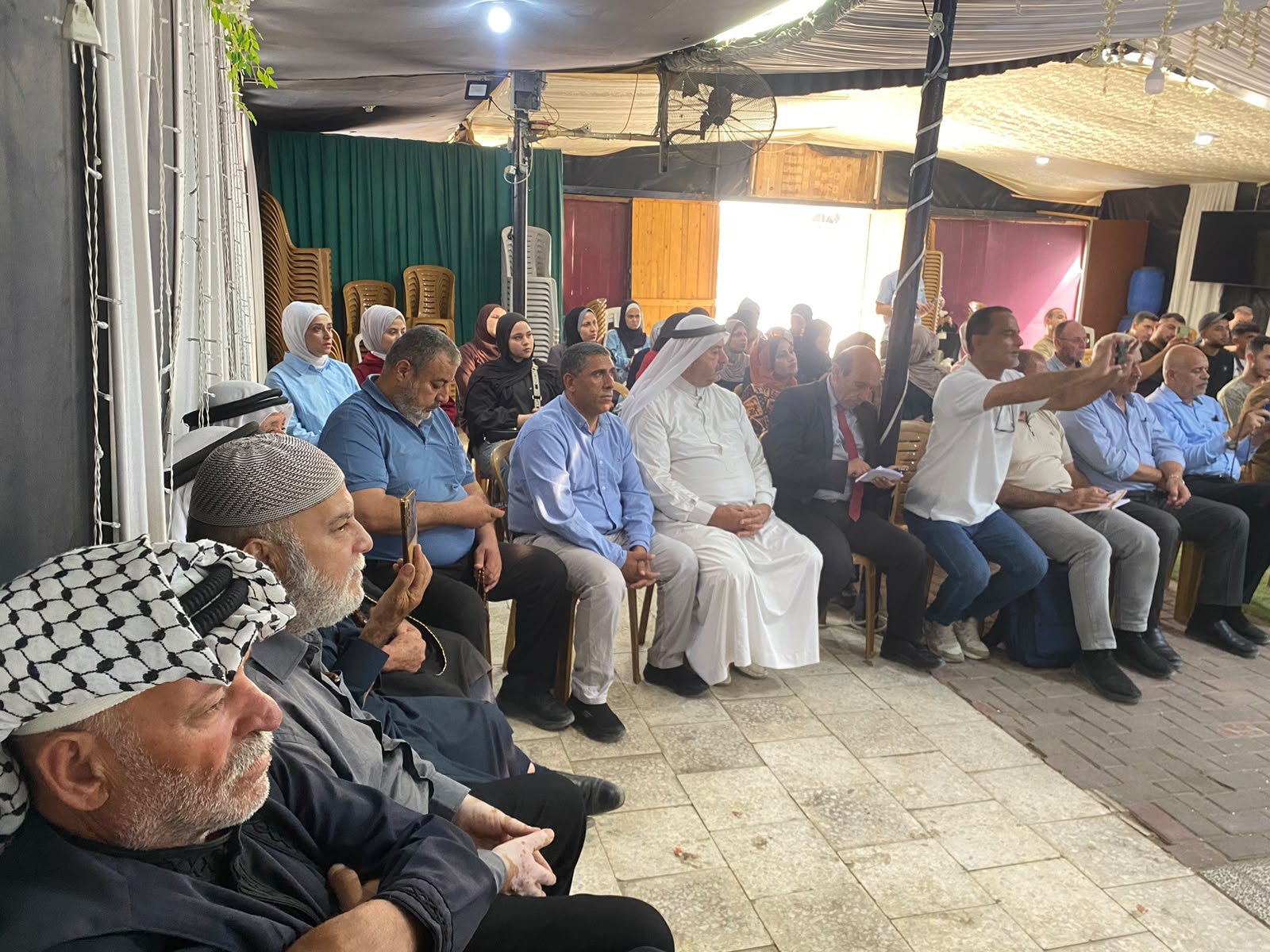
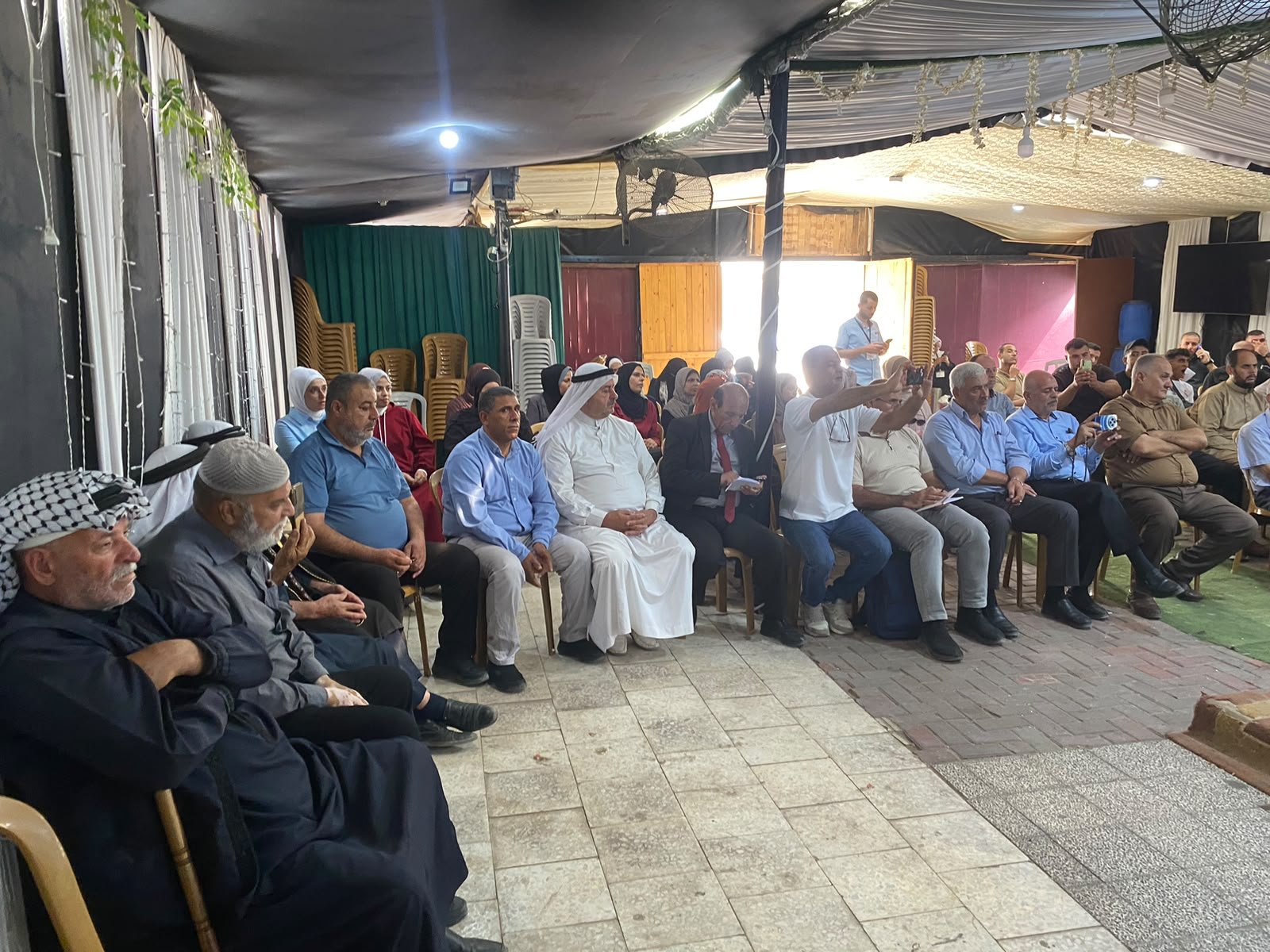
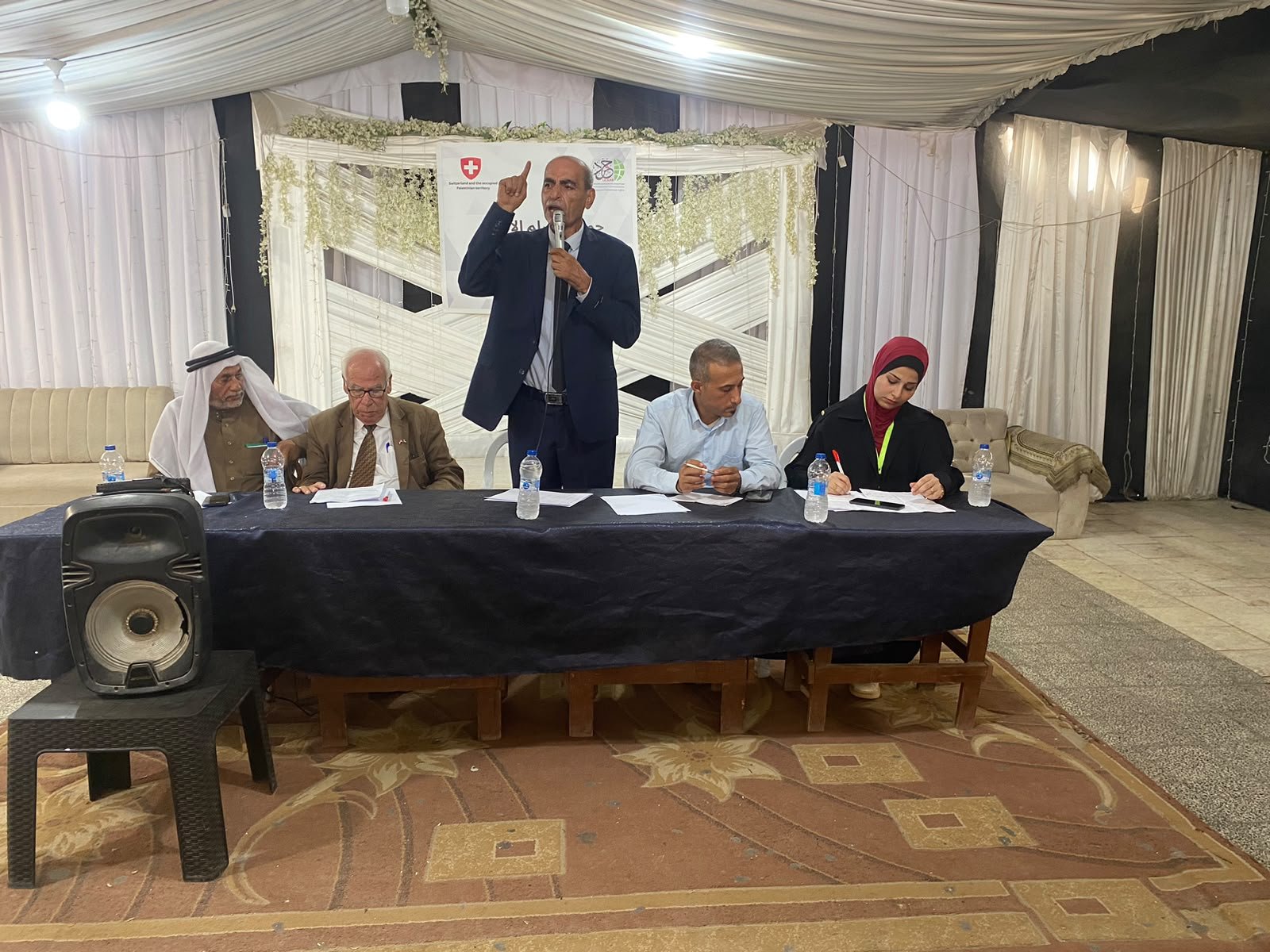
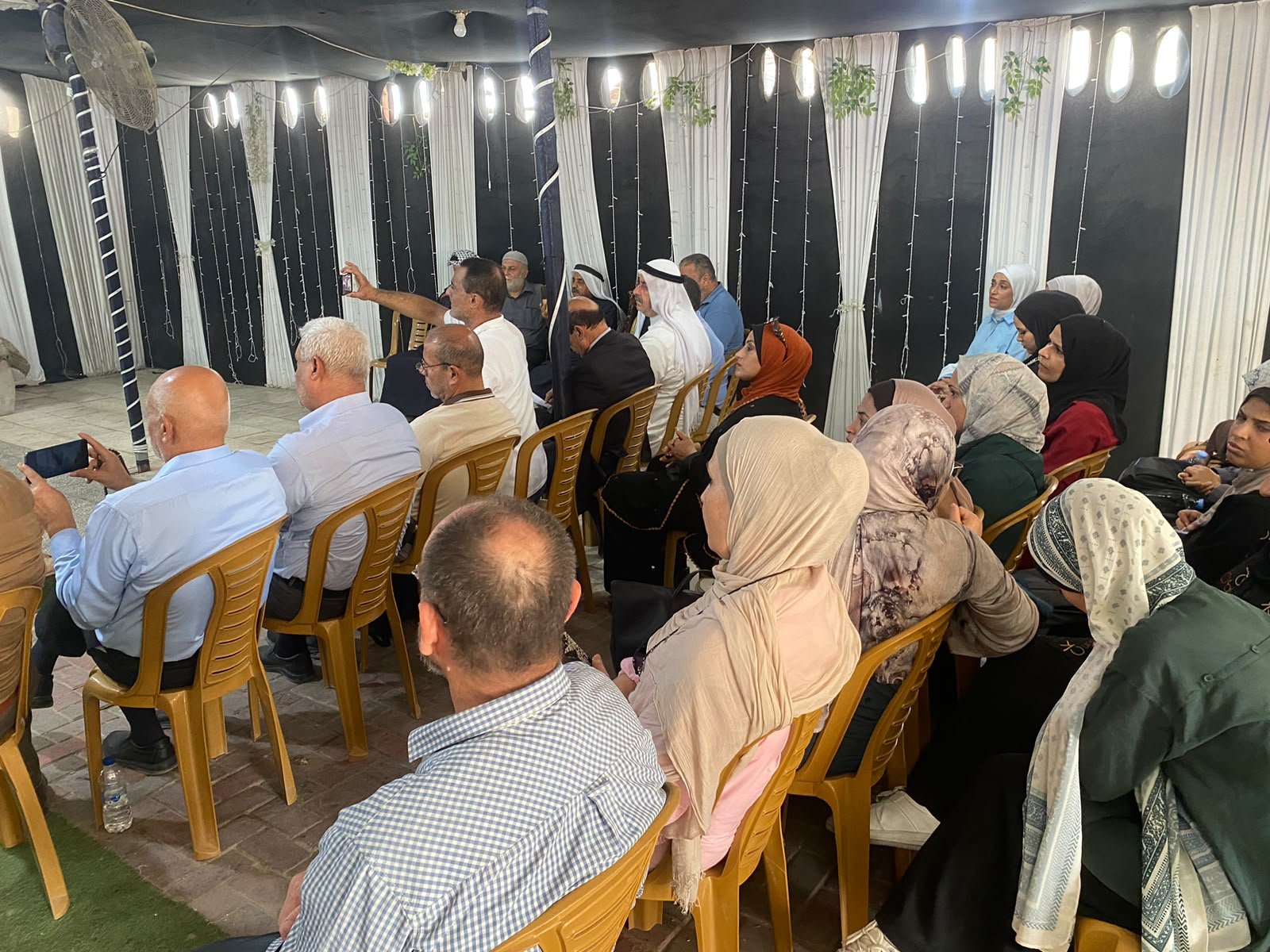
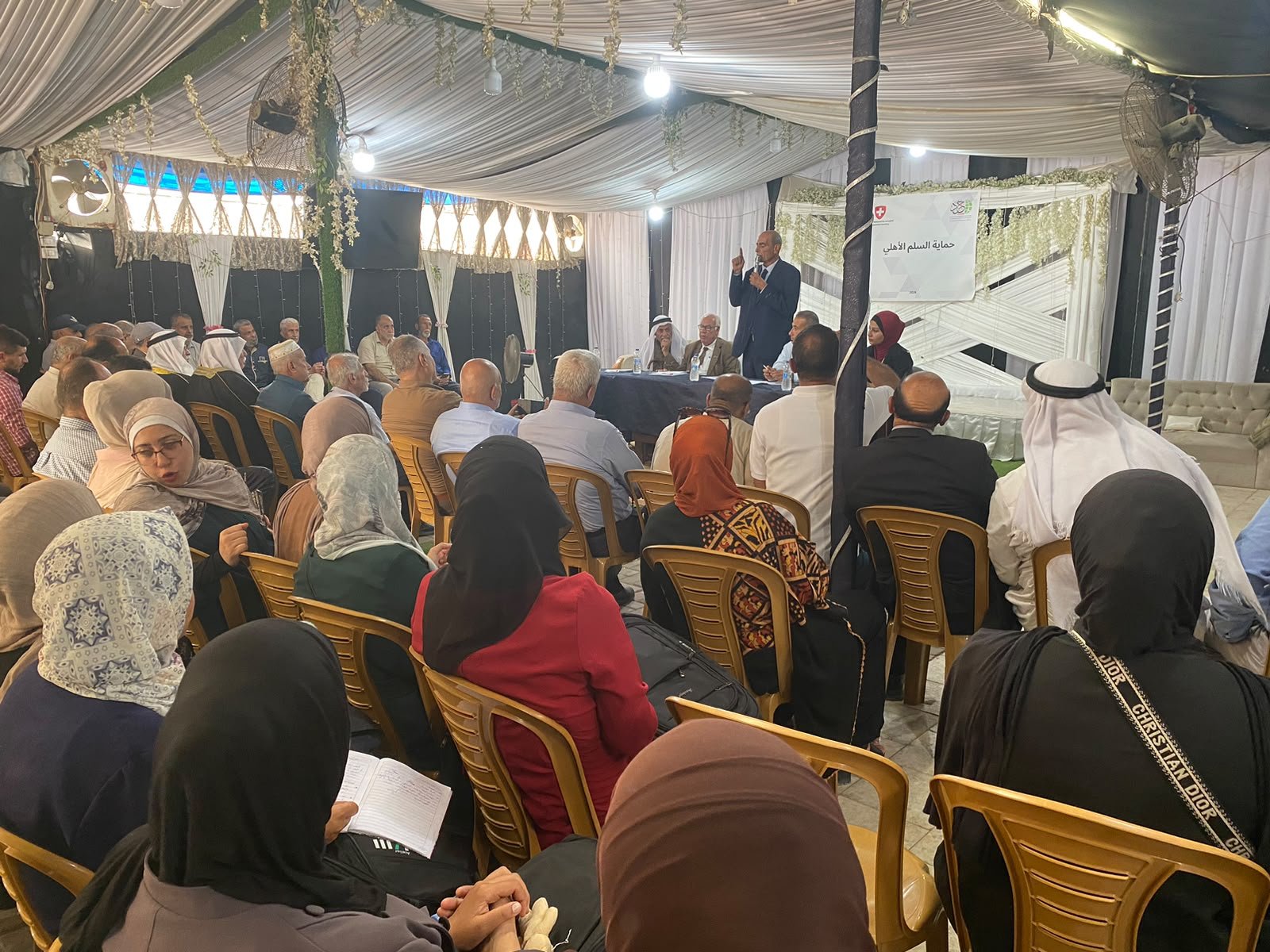
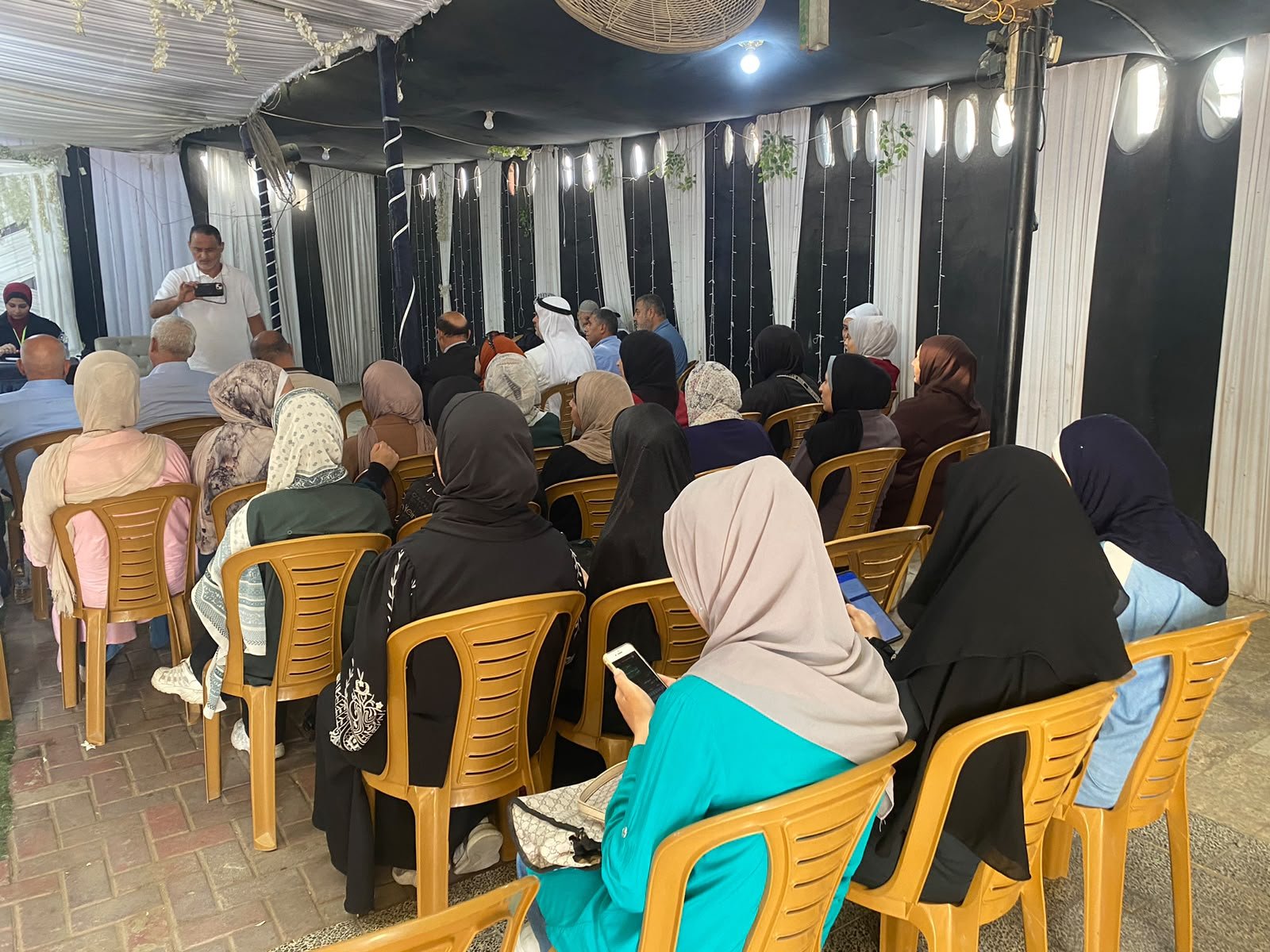
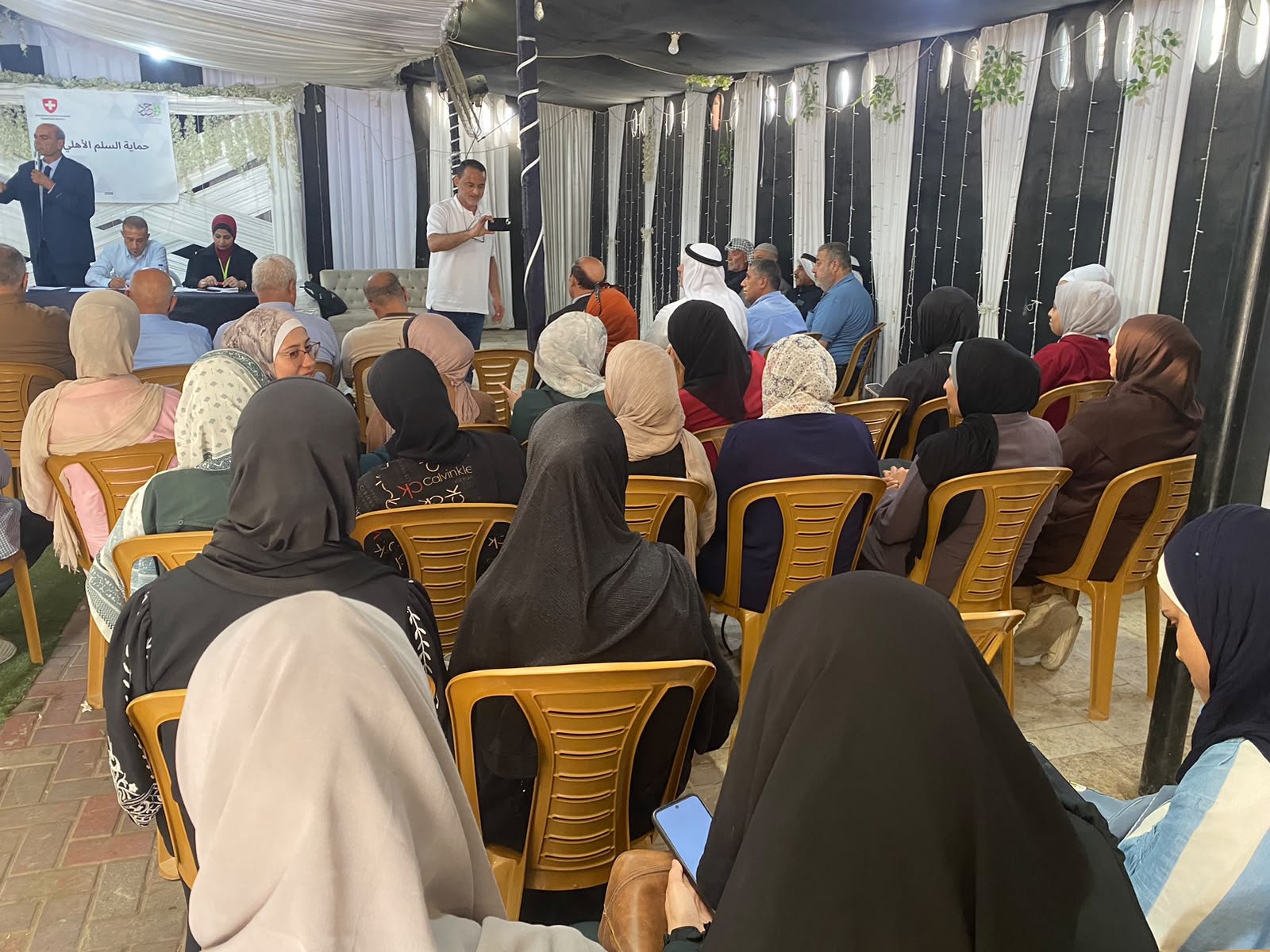
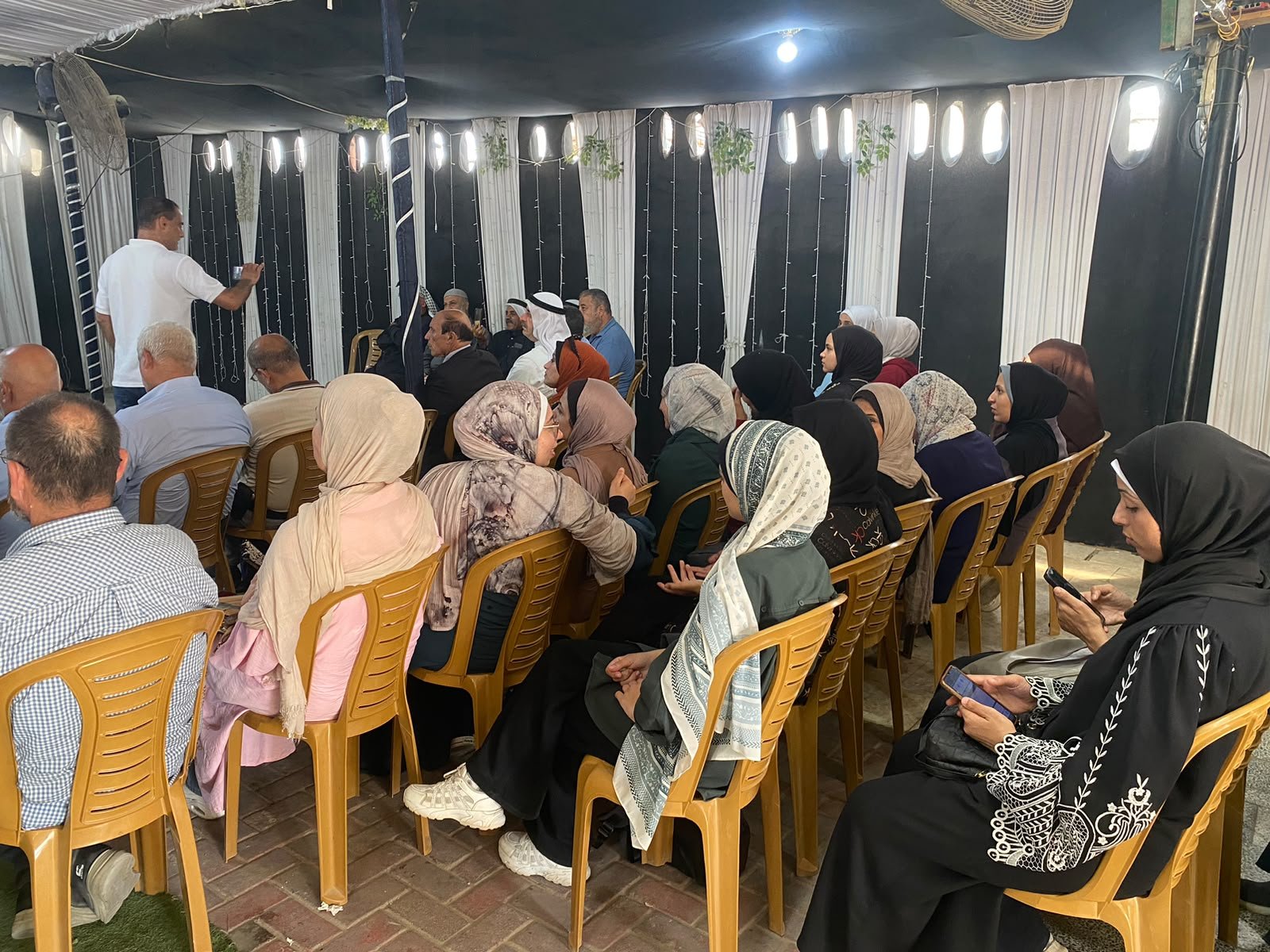
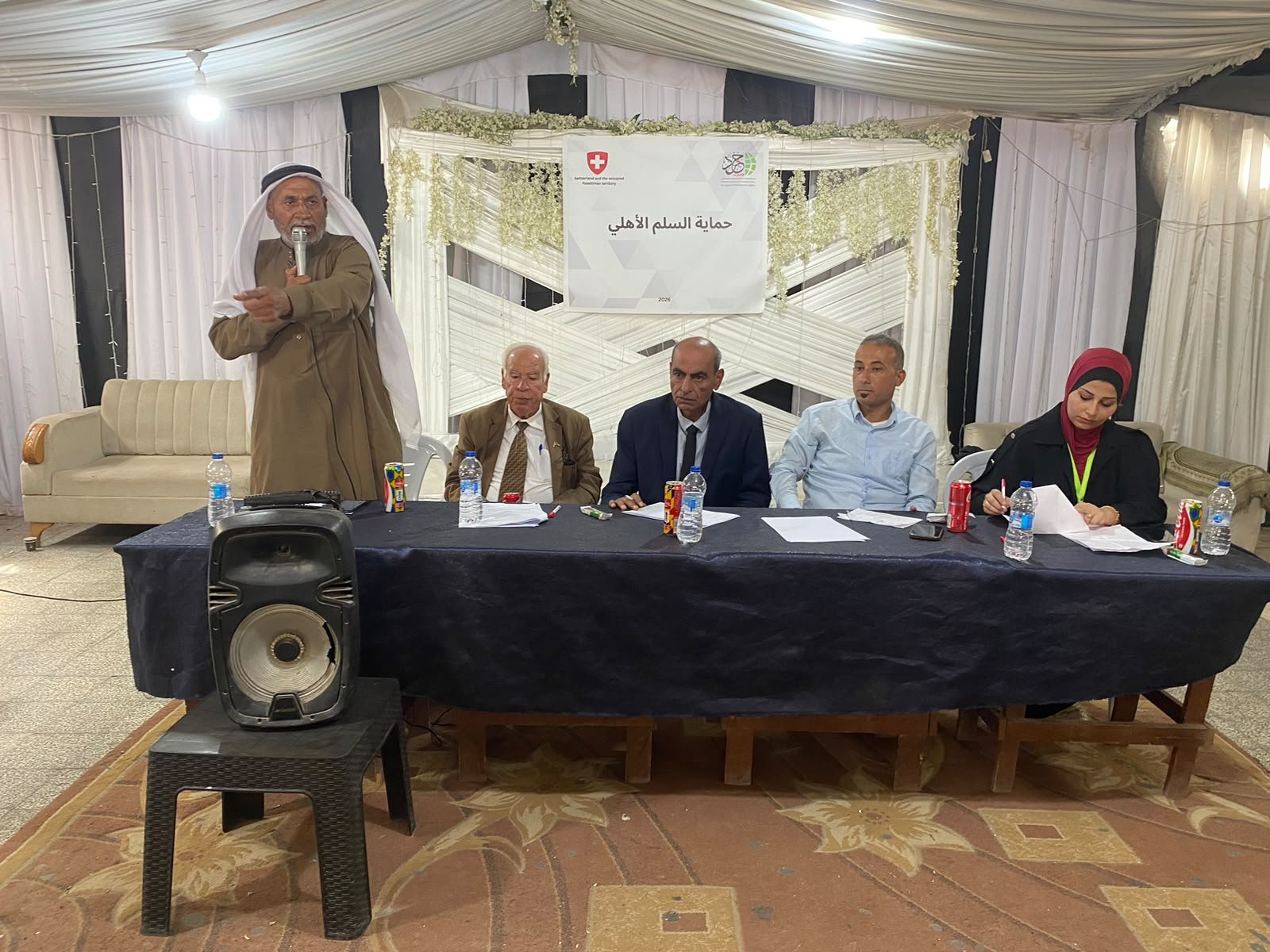
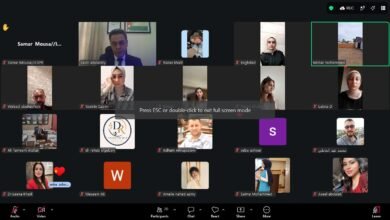
The International Commission to Support Palestinians’ Rights (ICSPR), in partnership with the Swiss Representative Office, organised a specialised dialogue workshop entitled “The Role of Clans and Reconciliation Committees in Promoting Civil Peace.” The workshop brought together approximately 100 representatives of Palestinian clans and tribes, mukhtars and reconciliation practitioners, civil society organisations, human rights activists, and community actors. It formed part of efforts to protect the Palestinian social fabric, reduce community disputes, develop mediation and reconciliation mechanisms, and promote civil peace in the Gaza Strip.
The workshop was held amid the profoundly complex humanitarian and social conditions facing the Gaza Strip as a result of the war, including widespread destruction, forced displacement, the dispersal of families, the loss of property and livelihoods, and the diminished capacity of several public institutions—including justice institutions—to perform their functions regularly. These conditions have intensified pressures on social relationships and increased the complexity of family and community disputes, making the protection of civil peace and the strengthening of community solidarity and mutual support urgent necessities for recovery and the rebuilding of public life.
The workshop affirmed that protecting civil peace means more than containing disputes after they arise. It requires addressing their underlying causes, preventing them at an early stage, strengthening trust among citizens, and developing the roles of clans, mukhtars, and reconciliation committees within an institutional framework that respects human rights, safeguards human dignity, and advances the rule of law and justice.
ICSPR: Strengthening the Role of Clans and Reconciliation Committees Is Essential to Protecting Social Cohesion
Mr Rami Mohsen, Chairperson of ICSPR’s Board of Directors, opened the workshop with welcoming remarks in which he stressed the exceptional importance of the roles played by clans, tribes, mukhtars, and reconciliation committees under the current circumstances, as Palestinian society in the Gaza Strip faces unprecedented humanitarian and social challenges.
He emphasised the importance of building on the community roles that emerged during the war and developing initiatives that help contain disputes, reinforce solidarity and mutual support, protect relationships among citizens, and strengthen the community’s ability to confront crises. He further stressed the need to develop these roles in line with the changes taking place within Palestinian society, while ensuring respect for citizens’ rights and the principles of justice and the rule of law.
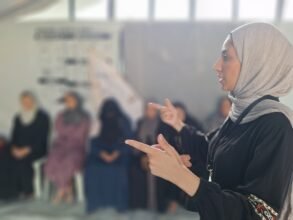
The workshop was moderated and its discussions facilitated by ICSPR’s Programmes Director, lawyer Rana Majed Hdeib. She affirmed that promoting civil peace in the Gaza Strip is no longer merely a social matter, but a national and humanitarian necessity to protect society from escalating disputes, preserve its remaining social bonds, and create the conditions needed for recovery and the rebuilding of public life.
Hdeib explained that growing humanitarian needs, the continuing effects of displacement and the loss of property and livelihoods, alongside the reduced capacity of some institutions to provide services regularly, underscore the need to develop an integrated system for responding to community disputes. Such a system must be based on early prevention, responsible mediation, balanced intervention, and coordination between community actors and official institutions.
She stressed that community reconciliation should reinforce and support the justice system, not replace it. The success of efforts by clans and reconciliation committees depends on respect for human rights, ensuring that parties to disputes can make their decisions freely, preventing coercion and social pressure, and safeguarding individuals’ legal and personal rights, particularly those of women, children, and the most vulnerable groups.
Three Main Presentations Examine Clan and Community Reconciliation Work and the Challenges of the Current Period
The workshop featured three main presentations addressing the historical, social, and practical dimensions of the work of clans, tribes, reconciliation committees, and mukhtars. The presentations reviewed their experiences in containing disputes and the challenges they face amid the consequences of war and the prevailing humanitarian and social conditions.
In the first presentation, Dr Nabil Abu Sariya, Deputy Chairperson of the National Gathering of Palestinian Clans and Tribes, speaking on behalf of Dr Alaa Al-Aklouk, reviewed the historical and social standing of Palestinian clans and tribes. He discussed their role in strengthening community ties, containing disagreements, reducing disputes, and helping protect the social fabric during crises.
Abu Sariya addressed the importance of developing the community role of clans to meet the needs of the current period and strengthening their contribution to dispute prevention and to the values of solidarity, mutual support, and cooperation among citizens. He stressed the need to move from intervention after disputes arise to a proactive approach that addresses the causes of tension before they escalate and strengthens the community’s ability to overcome crises with the least possible social harm.
Dr Salah Abu Rukba, Secretary of the Higher Commission for Tribal Affairs, addressed the work of reconciliation committees and the community mediation mechanisms used to contain disagreements and resolve disputes. He reviewed the challenges created by the war, particularly displacement, the dispersal of families, the loss of property, pressures on livelihoods, and the resulting social complexities that require responsible and balanced interventions.
Abu Rukba affirmed the importance of improving the effectiveness of reconciliation committees and developing their working mechanisms to ensure that disputes are addressed according to clear principles and to strengthen public trust in mediation efforts. He emphasised respect for the rights of all parties and the need to avoid imposing settlements through coercion or at the expense of legal rights. He also stressed the importance of preserving a complementary relationship between community reconciliation efforts and official justice institutions, helping reduce disputes without entrenching practices that conflict with the law or undermine human dignity.
Mr Saif Abu Ramadan, Chairperson of the Mukhtars Association in Gaza, delivered a field-based presentation on the role played by mukhtars—local community leaders—and other community notables in addressing community issues, mediating between disputing parties, containing family and social problems, and strengthening communication between citizens and the relevant bodies.
Abu Ramadan stressed the importance of developing the role of mukhtars so that it is not limited to intervention after a dispute occurs, but extends to early prevention, identifying signs of tension, addressing problems at their initial stages, and promoting a culture of dialogue and community responsibility. He affirmed that the effectiveness of this role depends on wisdom, integrity, experience, and the ability to listen to all parties, while respecting human dignity and the rights of individuals and families, without bias or the imposition of solutions that may harm one of the parties.
Selection Standards for Mukhtars and Reconciliation Practitioners, and Community Accountability, Take Centre Stage
The workshop included extensive discussions among speakers and participants on the state of clan-based and reconciliation work in the Gaza Strip, the challenges facing mukhtars and reconciliation committees amid the consequences of war, and ways to improve their performance and strengthen their capacity to respond to growing community needs.
Particular attention was given to the mechanisms for selecting reconciliation practitioners and mukhtars and the standards governing their community representation. Participants stressed the importance of strengthening community trust in those responsible for reconciliation efforts and establishing standards of integrity, wisdom, experience, competence, community acceptance, impartial mediation, balanced handling of disputes, and respect for human rights and the rule of law.
The discussions also highlighted the need for clear standards for selecting and training those working in community reconciliation, strengthening community accountability, and limiting practices that may lead to discrimination, bias, or the abuse of social influence. These measures would help ensure that mediation and reconciliation efforts are grounded in fairness and the protection of rights and can respond to the social changes taking place in the Gaza Strip.
The discussions further addressed the roles played by clans, mukhtars, and reconciliation committees during the war. Participants highlighted their contributions to strengthening social solidarity, organising community assistance and relief efforts, addressing disputes related to basic needs and scarce resources, and intervening to contain tensions and prevent some disputes from widening amid difficult humanitarian conditions.
Participants affirmed the importance of preserving and developing these roles within a clear institutional and coordination framework that improves the effectiveness of community responses, prevents overlapping mandates, and ensures that community initiatives support official and humanitarian efforts and serve citizens without discrimination.
Protecting Society from Exploitation and Safeguarding the Independence of Community Initiatives
In a related discussion, participants stressed the importance of protecting civil peace from attempts at exploitation or disruption of the social fabric. They rejected the use of humanitarian and livelihood needs to exert influence over Palestinian society or impose arrangements that conflict with its rights and national interests.
They affirmed the need to uphold national and humanitarian principles, strengthen independent community decision-making, and ensure that assistance reaches those entitled to it according to fair and transparent criteria. This would preserve citizens’ dignity, prevent discrimination and exploitation, and strengthen trust between communities and assistance providers.
Participants also recalled the targeting of a number of mukhtars, community notables, and public figures during the war. They paid tribute to those who lost their lives and remembered their community and national roles and their efforts to serve citizens and strengthen social cohesion under extremely difficult conditions.
According to statements made during the discussions, some of these figures had maintained positions rejecting engagement with the occupation and its agendas. Participants stressed that protecting civil peace requires safeguarding the independence of community initiatives and preventing the exploitation of humanitarian conditions, assistance, or basic needs to influence citizens or impose agendas on them.
Practical Recommendations to Develop Community Reconciliation and Promote Civil Peace
At the conclusion of the workshop, participants affirmed the importance of building on its discussions and presentations and developing practical and sustainable approaches that strengthen the role of clans, mukhtars, and reconciliation committees in protecting civil peace. These approaches should be guided by institutional integration, respect for rights and freedoms, and the promotion of the rule of law.
The discussions produced a set of recommendations and proposals, including:
-
Strengthening coordination and institutional integration between clans, tribes, reconciliation committees, mukhtars, and official justice institutions, and developing clear mechanisms for referring cases that require intervention by competent judicial or legal bodies.
-
Developing standards for the selection and training of reconciliation practitioners and mukhtars based on integrity, competence, experience, community acceptance, the ability to mediate impartially, and respect for human rights and the principles of justice.
-
Implementing specialised training programmes for members of reconciliation committees, mukhtars, and community notables in community mediation, dispute management, negotiation, early prevention of tensions, human rights, and the rule of law.
-
Strengthening human rights safeguards in reconciliation and mediation processes, preventing coercion and unjustified social pressure, guaranteeing the freedom of parties to accept or reject settlements, and ensuring that no party’s legal or personal rights are compromised.
-
Expanding the participation of women and young people in mediation, awareness-raising, dispute prevention, and civil peacebuilding, and providing greater opportunities for their involvement in designing, implementing, and evaluating community initiatives.
-
Moving from dispute resolution to dispute prevention by developing mechanisms for the early identification of community tensions, promoting a culture of dialogue, tolerance, and shared responsibility, and addressing the social and economic factors that may cause disagreements to escalate.
-
Strengthening integrity, accountability, and transparency in reconciliation work and community initiatives, limiting bias and the abuse of influence, and ensuring non-discrimination in mediation, assistance, and relief.
-
Developing mechanisms for ongoing consultation and coordination between community actors, civil society organisations, and official bodies to enable the exchange of experience, evaluation of initiatives, and early responses to emerging problems.
ICSPR: Civil Peace Is a Pillar of Community Recovery and the Protection of Human Dignity
The workshop concluded by affirming that protecting civil peace in the Gaza Strip is a collective responsibility requiring coordinated efforts by official institutions, community organisations, clans, and human rights bodies. These efforts must work towards building a social environment founded on trust, solidarity, fairness, and respect for rights—one that reduces disputes and divisions and protects Palestinian human dignity.
ICSPR affirmed the importance of continuing dialogue with different community actors and building on the workshop’s outcomes to develop initiatives and programmes that improve the effectiveness of reconciliation work, strengthen the capacities of mukhtars and reconciliation practitioners, expand the participation of women and young people, and enhance dispute prevention and early intervention.
The Commission stressed that restoring social cohesion cannot be achieved through the settlement of disputes alone. It also requires strengthening justice, safeguarding rights and freedoms, addressing the causes of tension, building trust between citizens and institutions, and ensuring that community initiatives complement the official justice system.
ICSPR affirmed that civil peace is not merely the absence of disputes, but a framework of rights, justice, trust, and shared responsibility. Developing the roles of clans, mukhtars, and reconciliation committees within a framework that respects the law and human dignity represents an important pathway towards protecting Palestinian society and strengthening its capacity for resilience, recovery, and the rebuilding of public life in the Gaza Strip.