
ICSPR Holds an Expanded Workshop on the Importance of Elections as an Entry Point for Rebuilding the Palestinian Political System

Date: 24 August 2026
Press Release
ICSPR Holds an Expanded Workshop on the Importance of Elections as an Entry Point for Rebuilding the Palestinian Political System
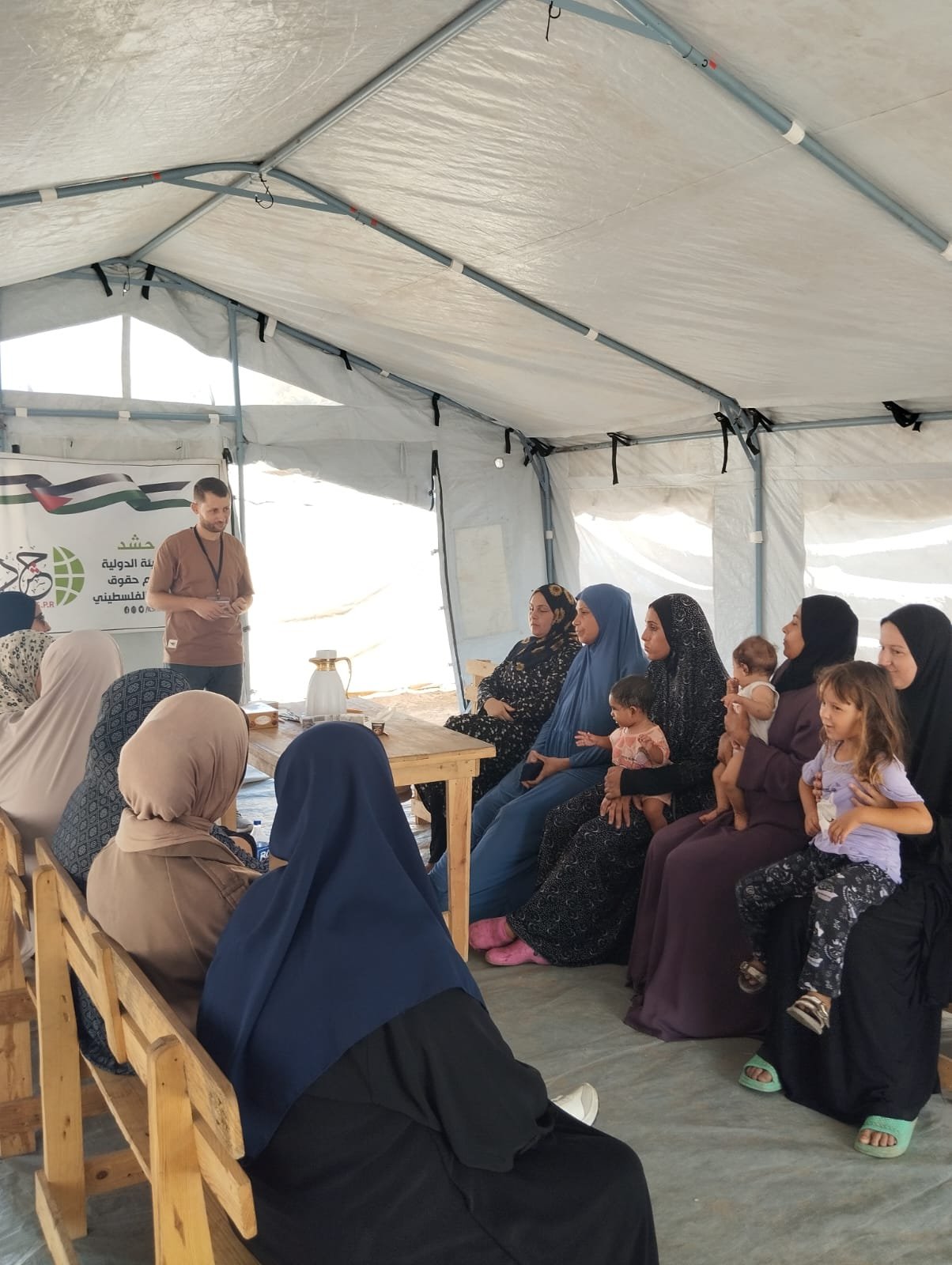
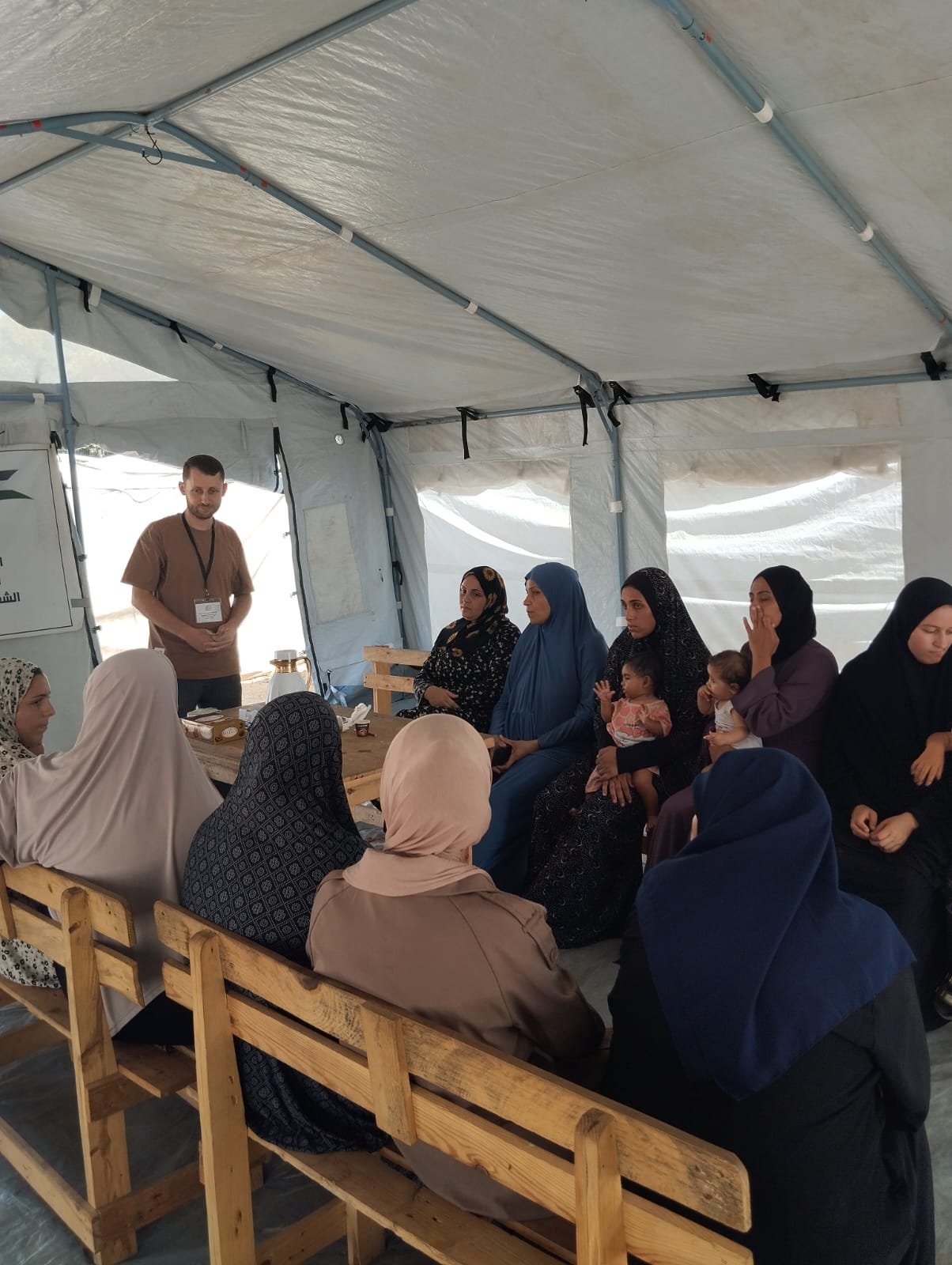
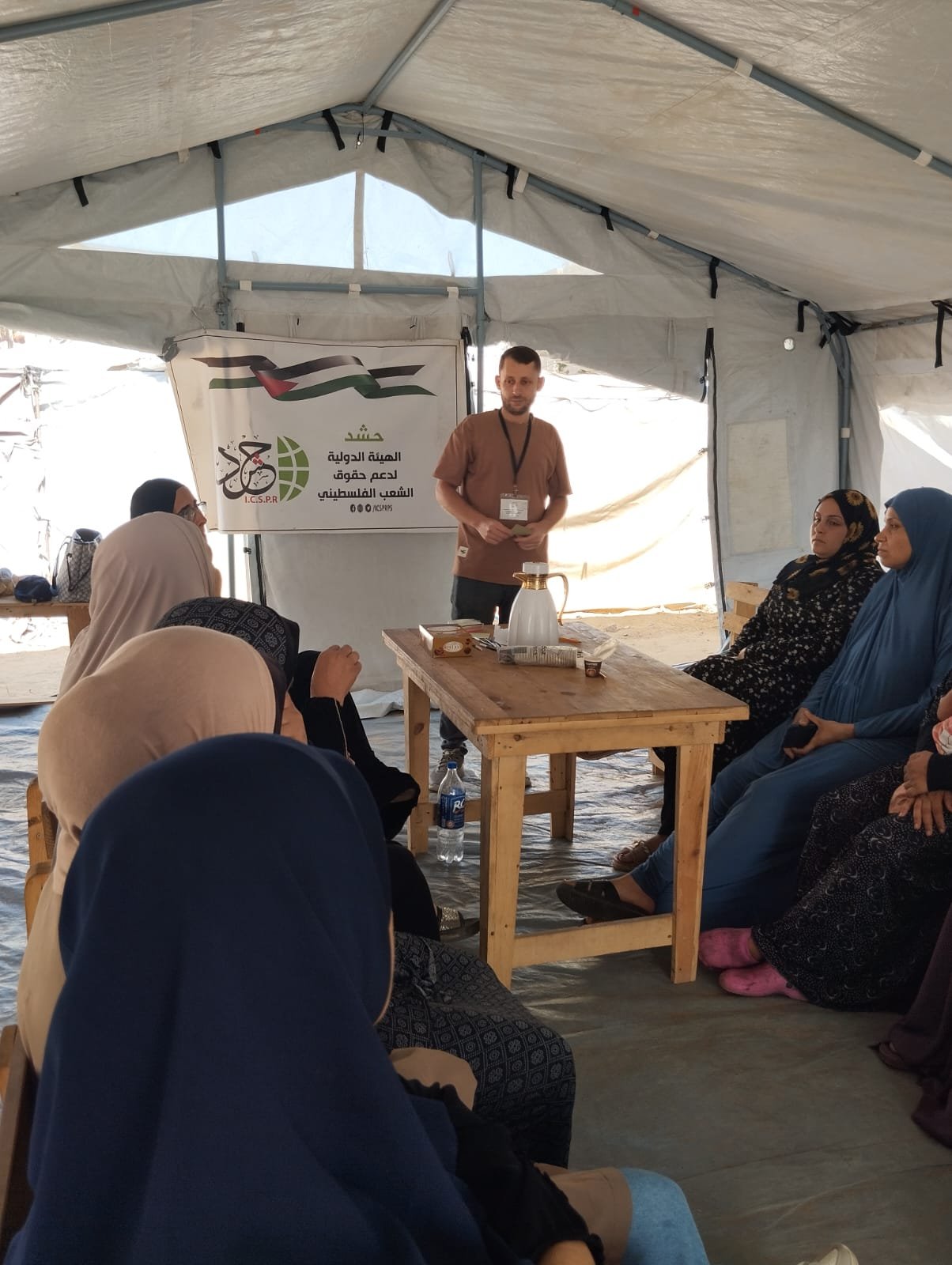
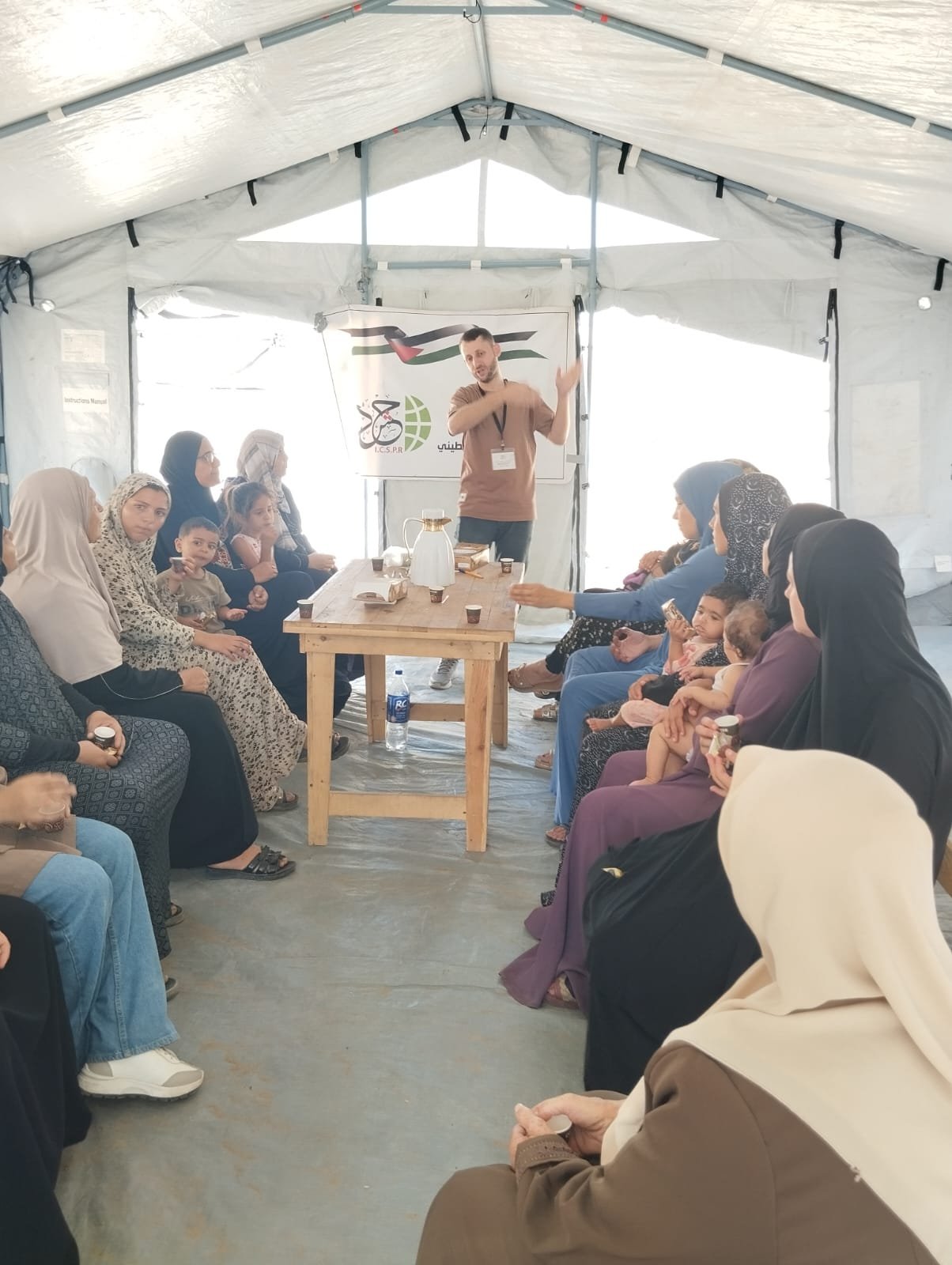
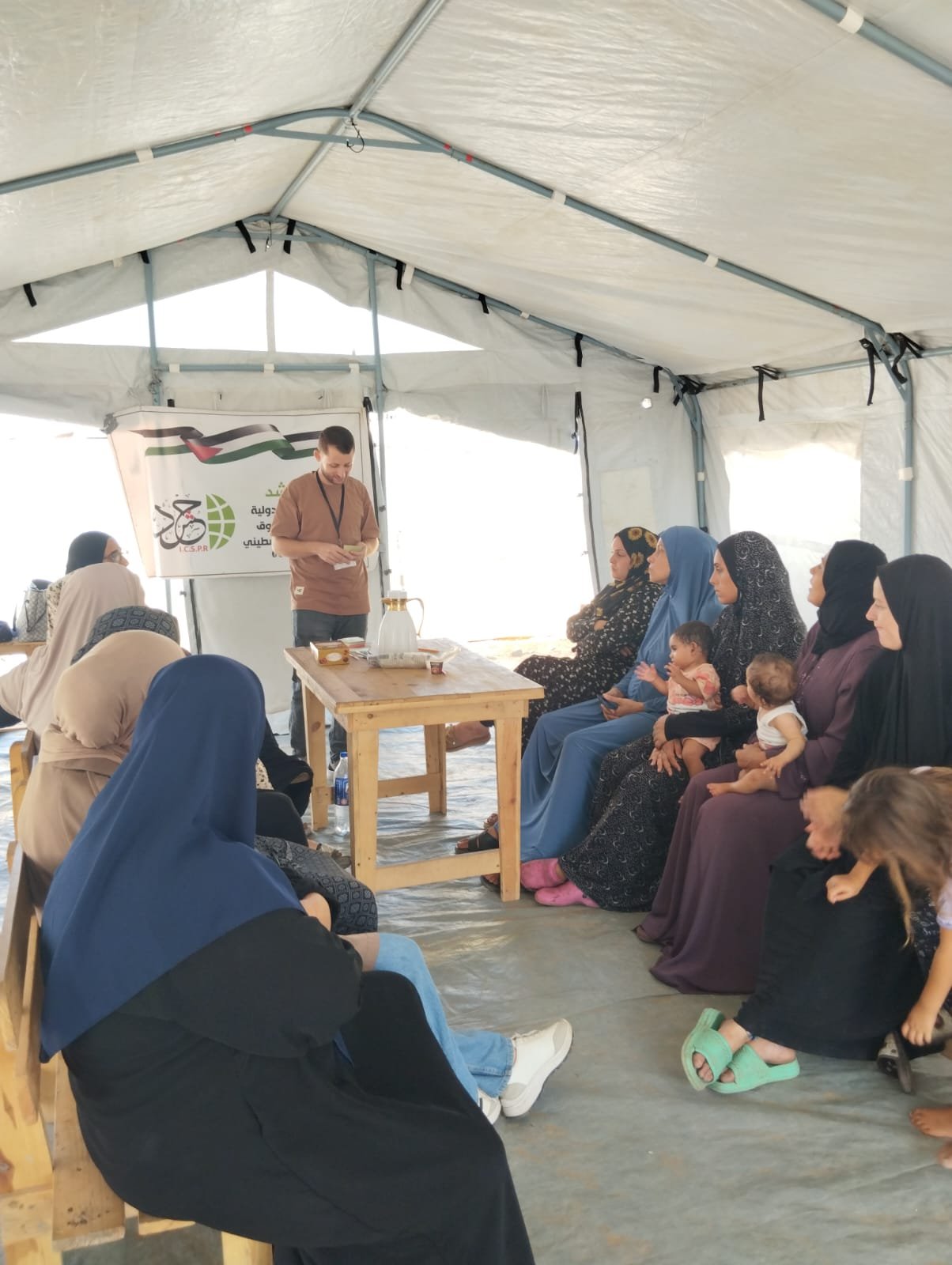
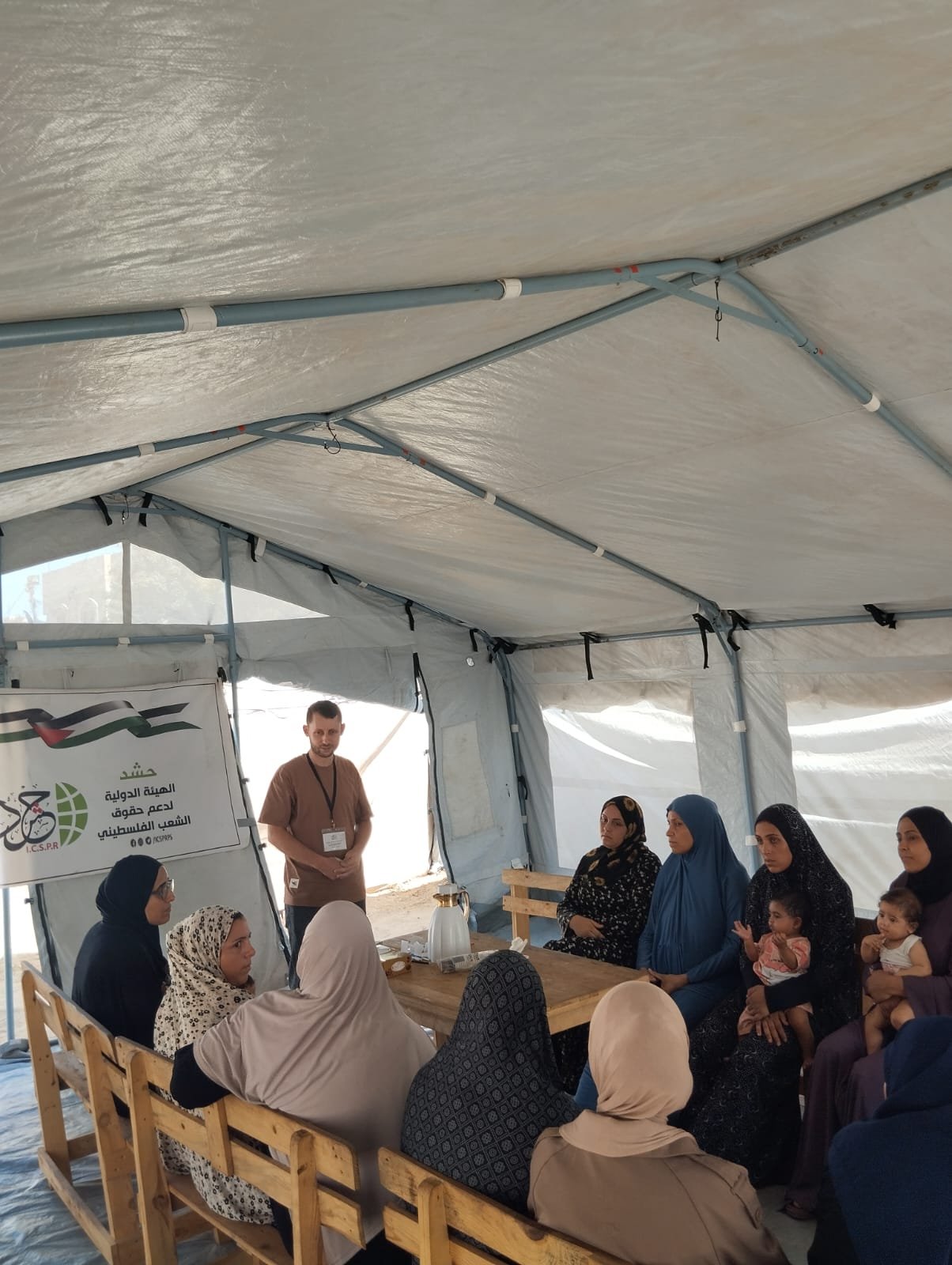
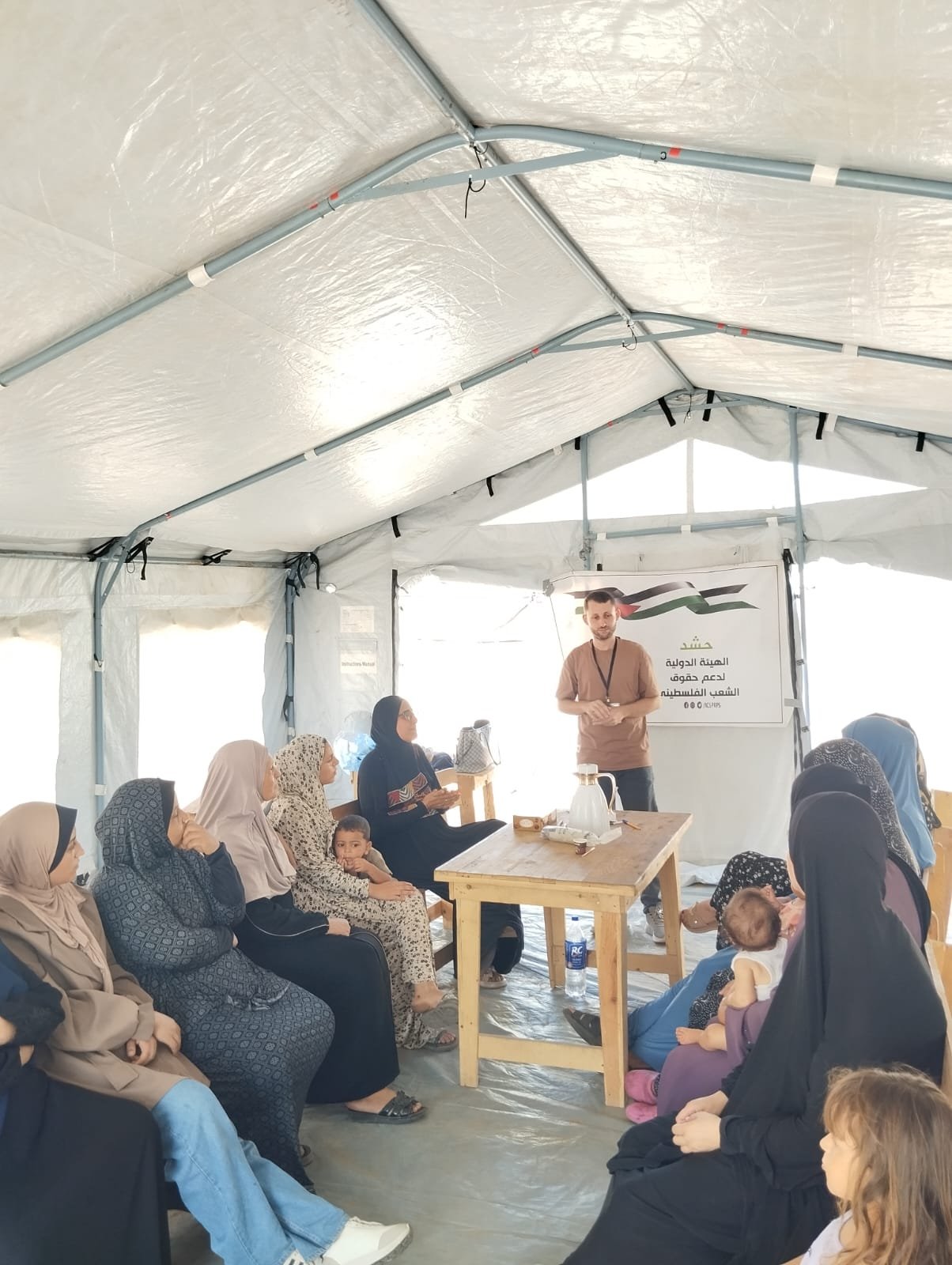
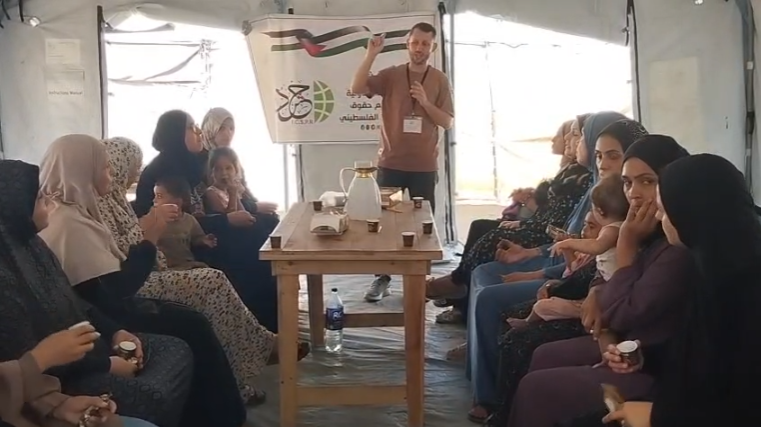
The International Commission to Support Palestinian Rights (ICSPR) held an expanded workshop on the importance of participating in elections and their role in strengthening political participation and decision-making, renewing the democratic legitimacy of national institutions, and encouraging the active engagement of women, youth, and qualified professionals in Palestinian political life.
The workshop was attended by 25 women. The discussion was moderated by Attorney and researcher Adham Al-Majdalawi, with the participation of Dr Ali Al-Attar, a member of the Commission’s Board of Directors. The workshop was organised as part of ICSPR’s efforts to promote awareness of civil and political rights, encourage effective community participation, and empower women, youth, and professional and academic competencies to contribute to Palestinian public life.
The workshop affirmed that holding legislative elections and setting a clear date for presidential elections represent an important national and democratic obligation. It stressed that, from a political and national perspective, it would have been preferable for legislative and presidential elections to be held simultaneously, allowing for a comprehensive renewal of political and institutional legitimacy, limiting the continuation of institutional decline and the legitimacy vacuum, and opening the way for reorganising the political system on the basis of popular will.
Participants stressed that elections are not merely a procedural process for selecting representatives or competing for seats. Rather, they are one of the most important ways for citizens to exercise their right to political participation, manage public affairs, contribute to decision-making, and choose their representatives.
They also affirmed that elections constitute a peaceful and democratic means of renewing legitimacy, strengthening accountability, and rebuilding trust between citizens and national institutions.
The workshop emphasised the need to treat the forthcoming elections as a national milestone for rebuilding the Palestinian political system and its institutions and renewing the national movement, rather than as an ordinary electoral entitlement.
The electoral process should lead to institutions that are more representative, effective, and accountable, and more capable of confronting the major national challenges, particularly the Israeli occupation, colonial annexation policies, settlement construction and Judaization, and attempts to undermine the foundations of a Palestinian state. It should also address the consequences of the genocidal war and aggression and the profound humanitarian, institutional, and social crises they have caused.
The workshop further underscored the importance of providing an impartial, democratic, and transparent electoral environment that guarantees the freedom of voters and candidates, equal opportunities among electoral lists and political forces, freedom of campaigning and expression, respect for the election results, and strengthened community oversight of the electoral process.
These guarantees are necessary to ensure that elections genuinely express the popular will rather than constitute a merely formal procedure.
In this context, participants discussed the exceptional challenges facing the holding of elections, particularly the current inability to conduct elections in Jerusalem and the Gaza Strip. They warned of the risks this may pose to the unity, inclusiveness, and representativeness of the electoral process for all Palestinians.
The workshop stressed the need to prepare an integrated national, legal, and political plan to address these challenges and ensure that Israeli restrictions and exceptional circumstances are not turned into a pretext for suspending the democratic right or entrenching geographical and political separation among the components of the Palestinian people.
The workshop emphasised the importance of political and community forces assuming their national responsibility by opening a serious and comprehensive national dialogue before the electoral process. Such dialogue should prepare the necessary political and social climate for successful elections, address contentious issues, guarantee respect for political pluralism, strengthen mutual trust, and prevent elections from being used as a tool to reproduce or deepen division.
Participants affirmed that the success of the elections requires presenting a positive and exemplary image of the Palestinian people and their ability to overcome years of division. This requires moving away from polarisation, exclusion, and zero-sum competition towards national partnership and democratic pluralism.
Elections should become a means of managing political differences peacefully, renewing political life, and rebuilding national institutions on the basis of partnership and citizenship.
The workshop attached particular importance to strengthening the participation of youth, women, and Palestinian professionals in the electoral process, whether through voting, candidacy, participation in preparing programmes and formulating policies, or assuming positions of responsibility.
It affirmed that renewing the political system cannot be achieved without renewing the political elite and opening space for new generations and professional, academic, and community competencies to participate effectively in decision-making, while ensuring a genuine and active presence for women in elected institutions.
The workshop noted that elections can provide an opportunity to strengthen political and intellectual pluralism by enabling various national forces, movements, and figures to present their programmes and visions to the public. This would expand voters’ choices, strengthen democratic competition, and transform political diversity from a source of conflict into a source of strength in building the Palestinian political system.
Participants also affirmed that elections can serve as an important entry point for addressing political division and achieving national unity by rebuilding institutions on the basis of popular will, providing an inclusive democratic framework for managing political differences, and strengthening the principles of the peaceful transfer of power, accountability, and oversight.
Such a process would help restore confidence in national institutions and reaffirm the importance of popular participation.
ICSPR affirmed that the circumstances surrounding preparations for the elections differ fundamentally from ordinary circumstances. The process is taking place under occupation, colonial annexation, Judaization, and genocidal war, amid the widespread destruction of Palestinian infrastructure, institutions, and society.
Accordingly, participation in the elections carries national dimensions that go beyond conventional political competition. It is linked to reactivating national institutions, renewing their legitimacy, and building a more cohesive Palestinian political and institutional capacity capable of confronting present and future challenges.
At the conclusion of the workshop, ICSPR stressed the importance of continuing electoral and community awareness efforts, working to build the broadest possible national consensus around the electoral process, preparing plans to address the restrictions imposed by the occupation—particularly in Jerusalem and the Gaza Strip—and ensuring the widest possible popular participation.
The Commission affirmed that the elections must constitute the beginning of a broader national process to rebuild the Palestinian political system and its institutions and renew the national movement on the foundations of democracy, partnership, citizenship, and accountability.
The Commission stressed that the objective is not merely to reach the ballot boxes, but to transform the elections into a historic milestone for rebuilding the Palestinian political system, renewing its legitimacy, integrating new generations and professional competencies, strengthening the participation of women and youth, ending division, and building national institutions better able to protect Palestinian rights, confront the occupation and its policies of annexation, settlement construction, and Judaization, and defend the Palestinian national project.