
ICSPR Continues Supporting and Implementing Activities Under the “Together for Psychological Recovery and Strengthening Community Resilience” Initiative

September 5, 2026
Press Release
ICSPR Continues Supporting and Implementing Activities Under the “Together for Psychological Recovery and Strengthening Community Resilience” Initiative
The International Commission to Support Palestinian Rights (ICSPR) continues to implement a series of psychosocial and educational activities under the “Together for Psychological Recovery and Strengthening Community Resilience” initiative. The initiative aims to support affected groups and strengthen their ability to cope with the difficult humanitarian and psychological conditions resulting from the genocide war and ongoing displacement.
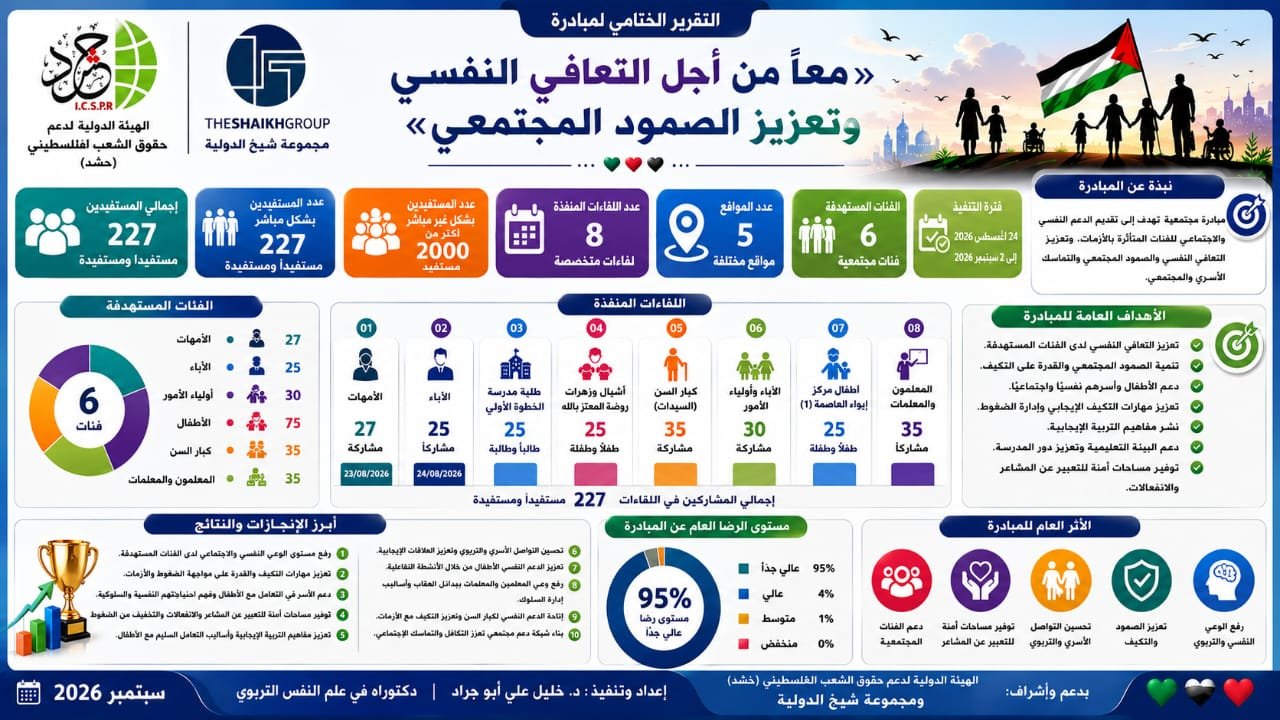
To date, the initiative has included eight interactive sessions targeting mothers, fathers, parents and caregivers, children in kindergartens and displacement shelters, school students, and teachers in educational points. The sessions focused on providing psychosocial support, strengthening family and educational skills, and creating safe spaces for dialogue, emotional expression, and the reduction of psychological and emotional stress.
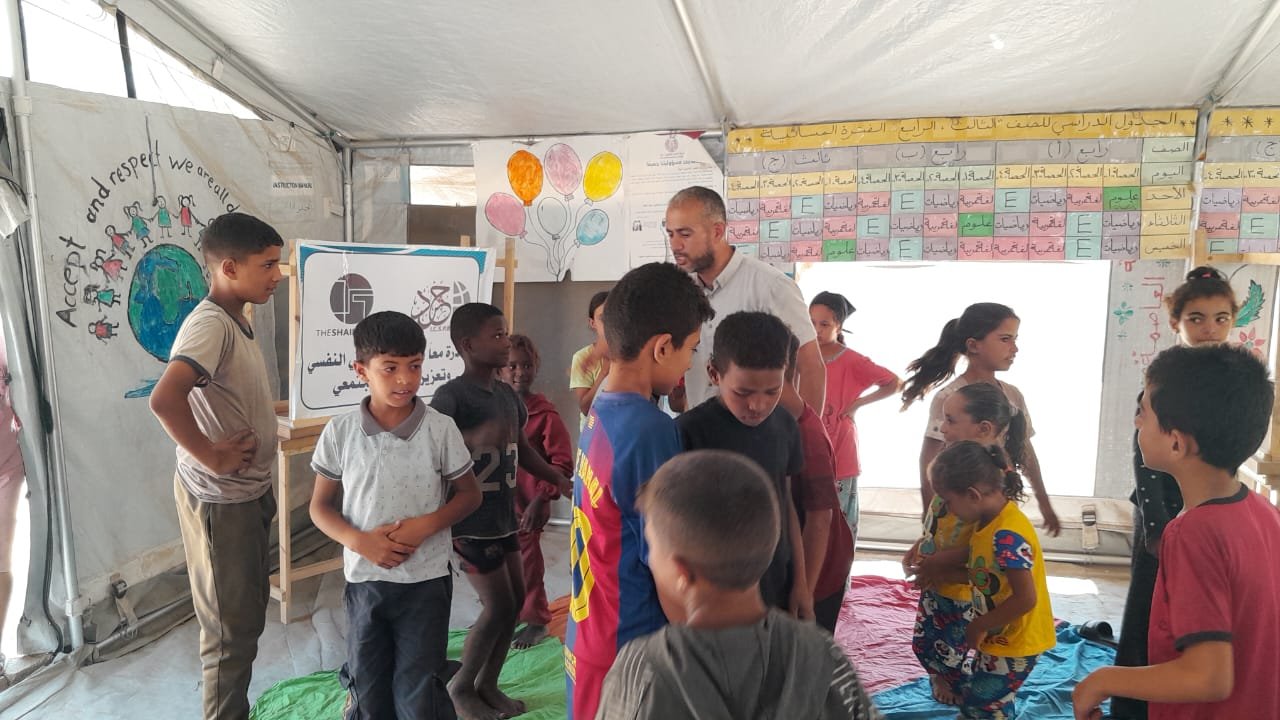
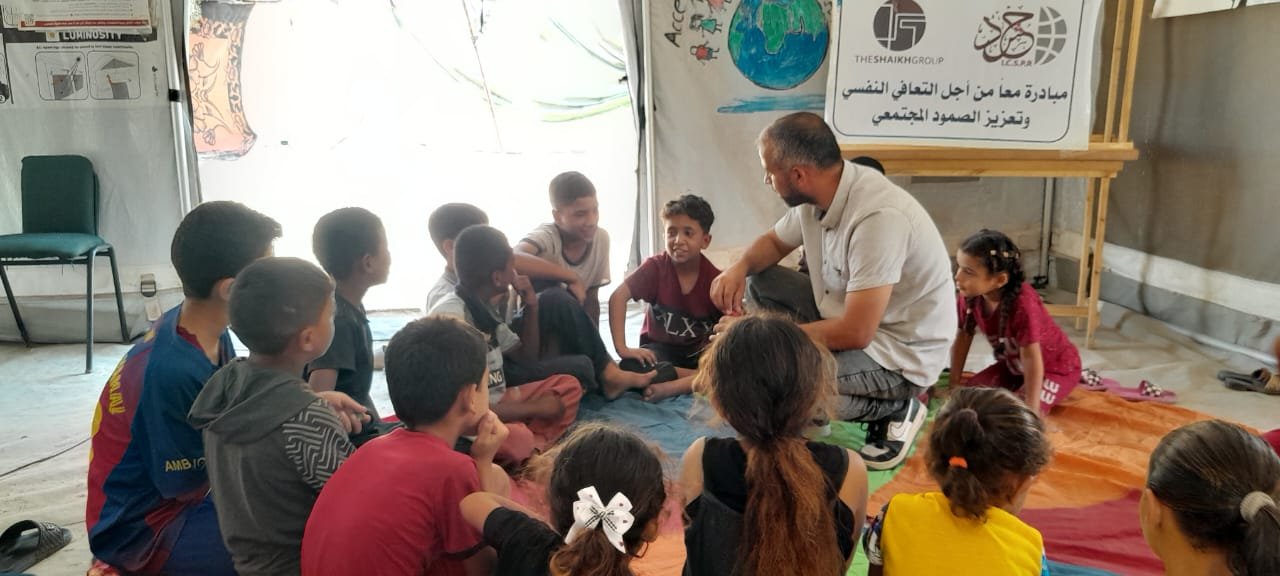
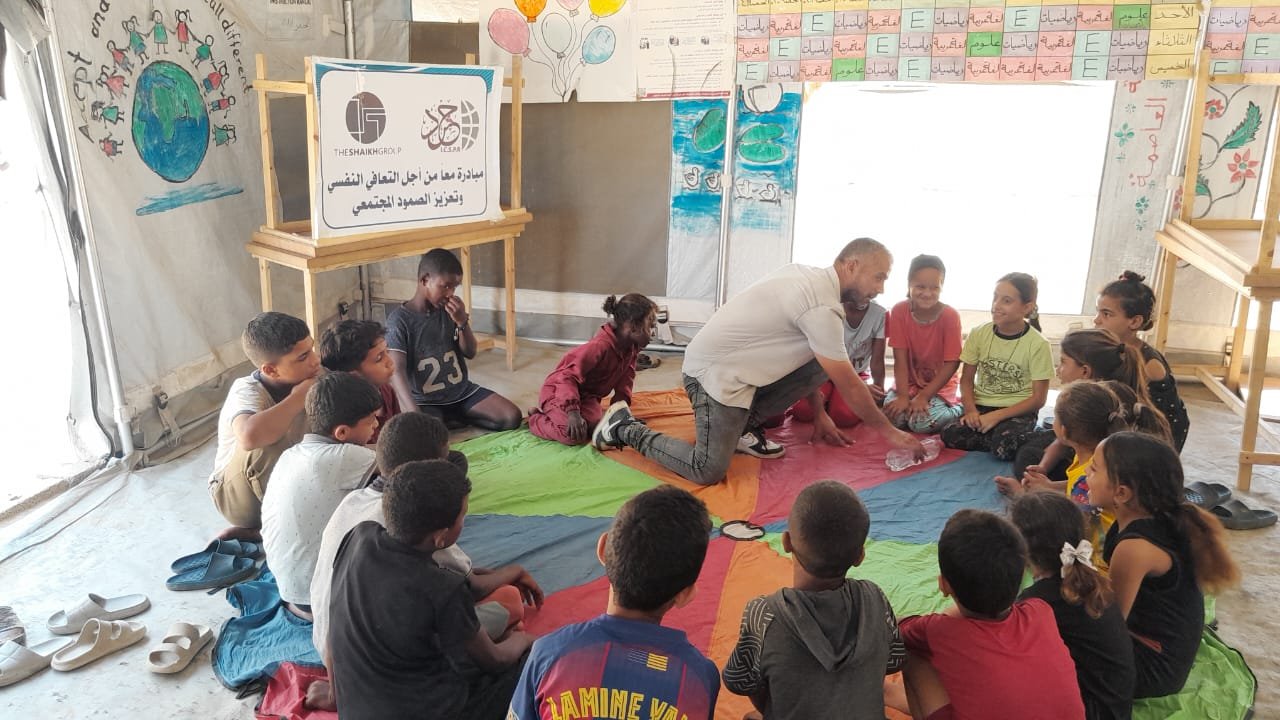
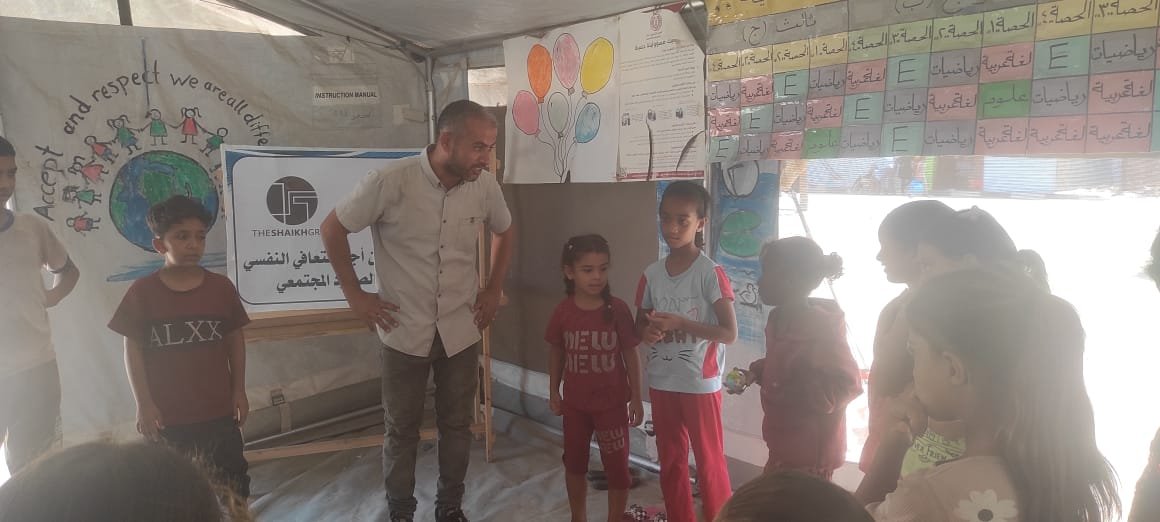
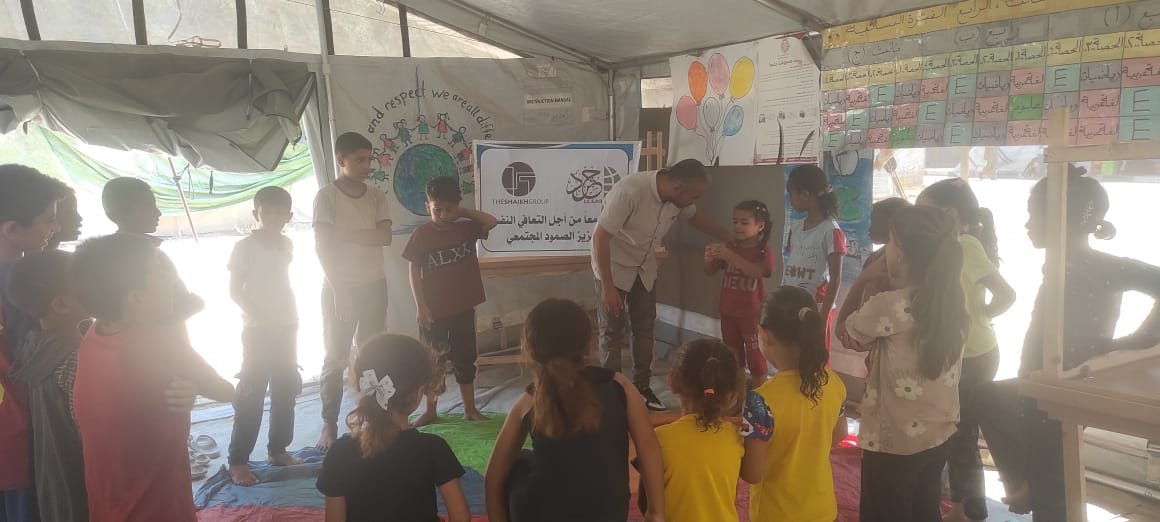
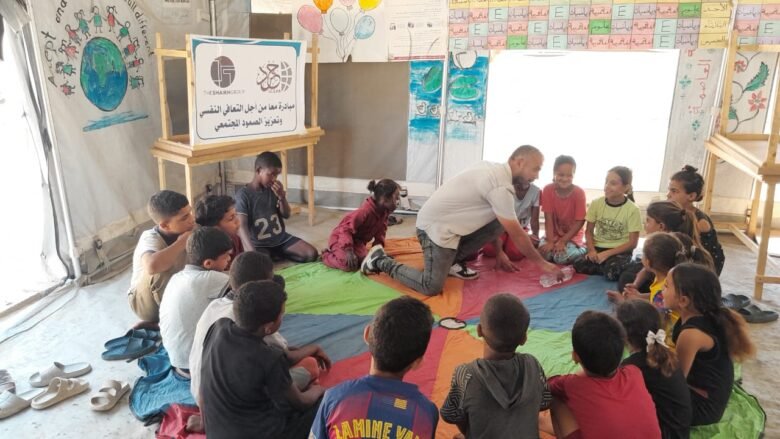
ICSPR implemented the seventh session on Monday, August 31, 2026, at Al-Asimah Shelter Centre (1), with the participation of 25 boys and girls. The activity was designed as a psychosocial support session focused on emotional release through play, movement, artistic activities, and recreational activities.
The seventh session focused on creating a safe and comfortable space in which children could express their feelings and emotions positively. It aimed to help reduce feelings of stress, pressure, and fear experienced by children under the current circumstances. The activity also sought to strengthen children’s sense of safety and belonging, promote cooperation and participation, and develop self-confidence and communication skills.
The session included a range of interactive activities, including welcoming and psychological preparation exercises, ice-breaking games, emotional-release activities, movement and recreational games, and group activities based on cooperation, turn-taking, and acceptance of others. It also included an activity for emotional expression through words, movement, drawing, and interaction, with a focus on basic emotions such as happiness, sadness, fear, and anger.
Children also participated in artistic and creative activities using drawing, coloring, and age-appropriate handicrafts, allowing them to express their thoughts and feelings in ways suited to their abilities. Attention, concentration, and rapid-response games were conducted to strengthen listening skills, following instructions, and positive interaction with peers in an enjoyable setting free from pressure or direct instruction.
The children showed clear enthusiasm and positive engagement throughout the activities, particularly during movement-based games, recreational activities, and emotional-release exercises. Their group participation helped create an atmosphere of joy, connection, and communication, strengthened positive relationships among children, and provided a supportive psychosocial experience that promoted expression, interaction, and a sense of safety.
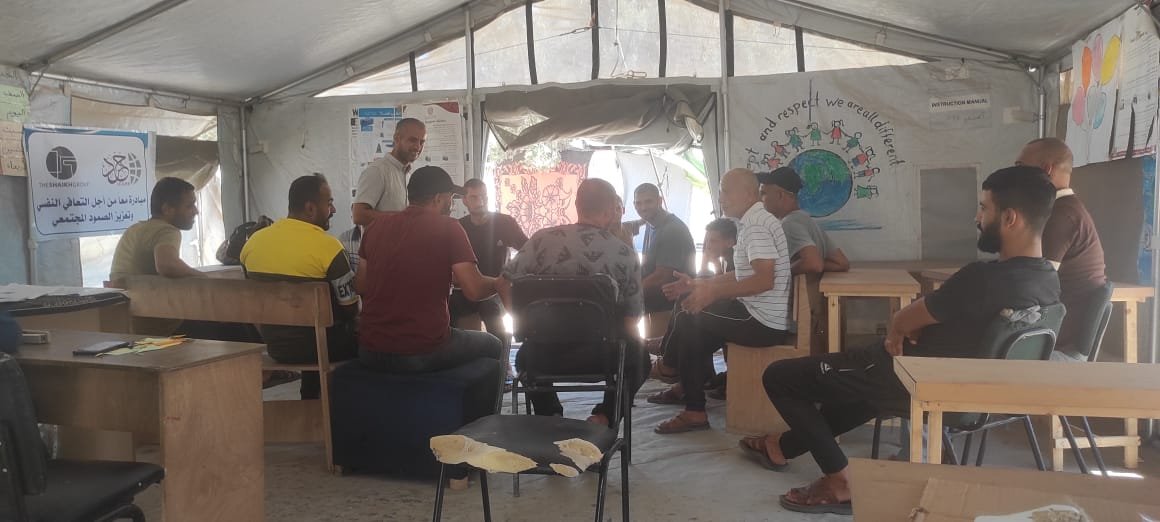
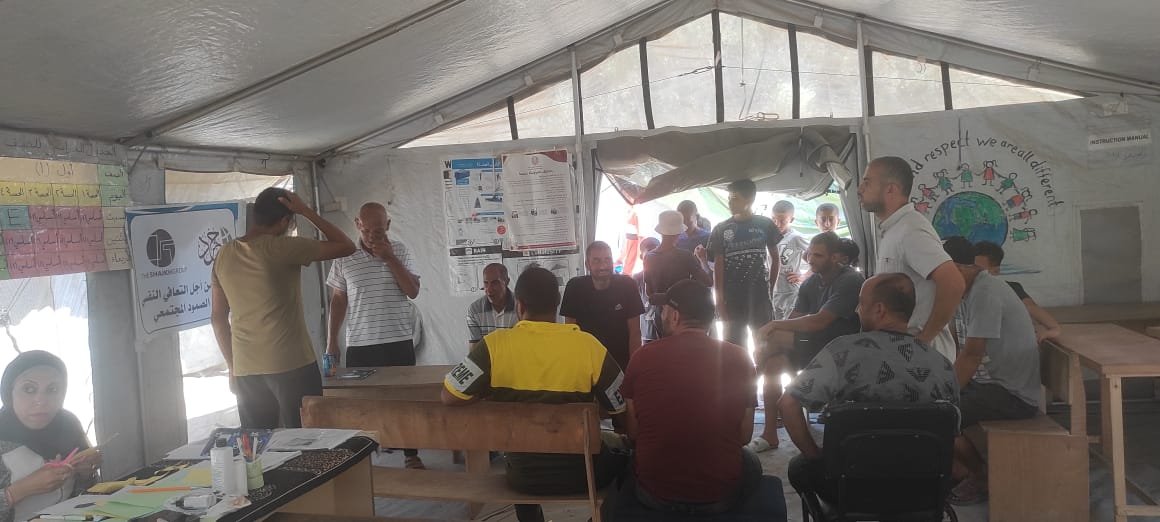
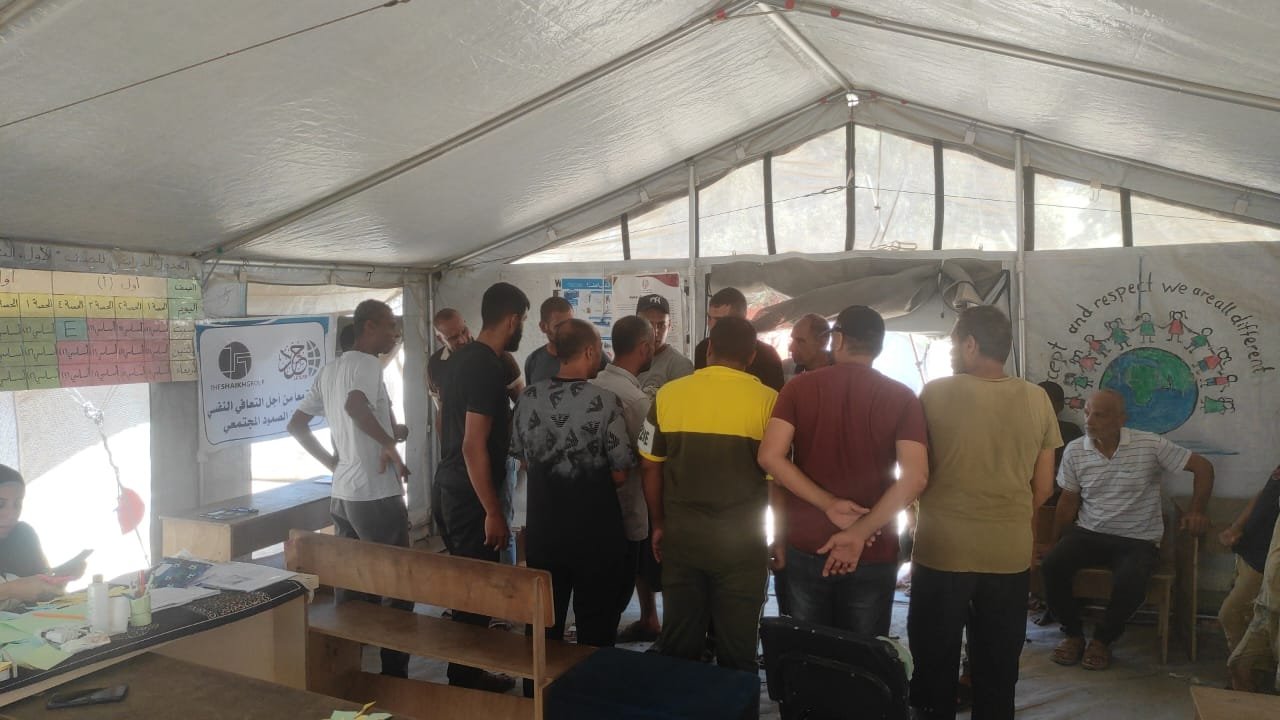
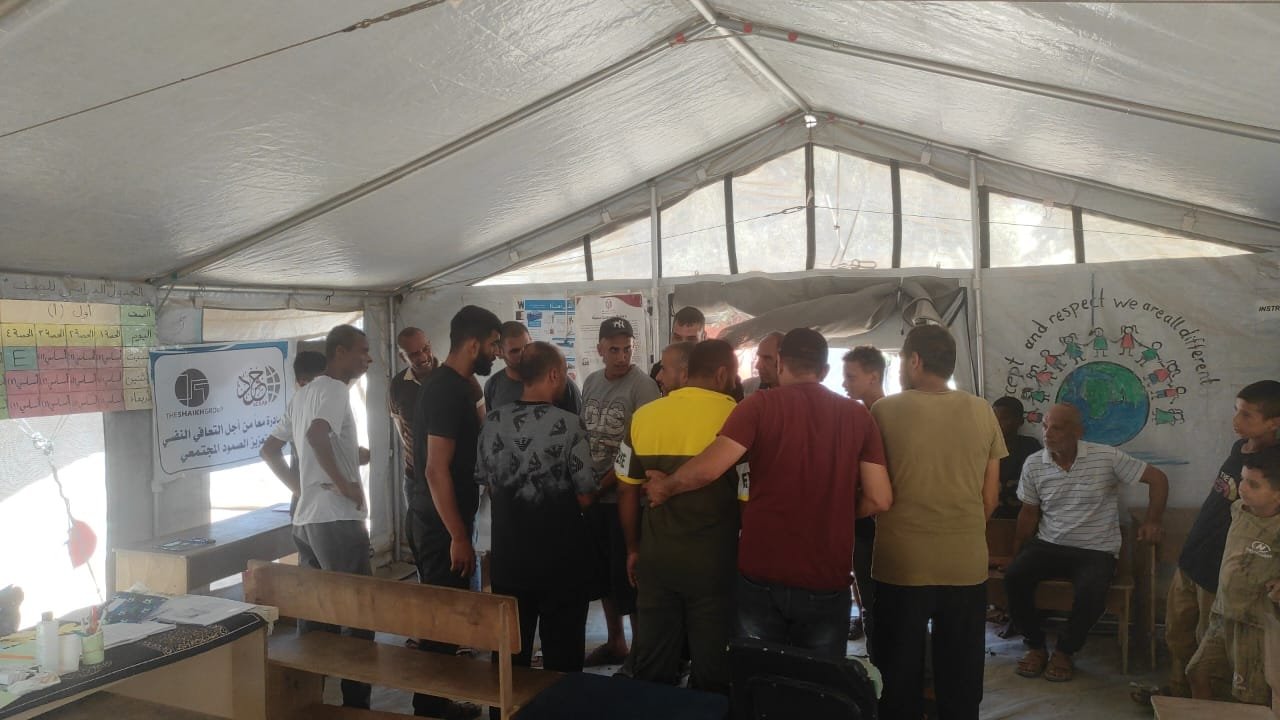
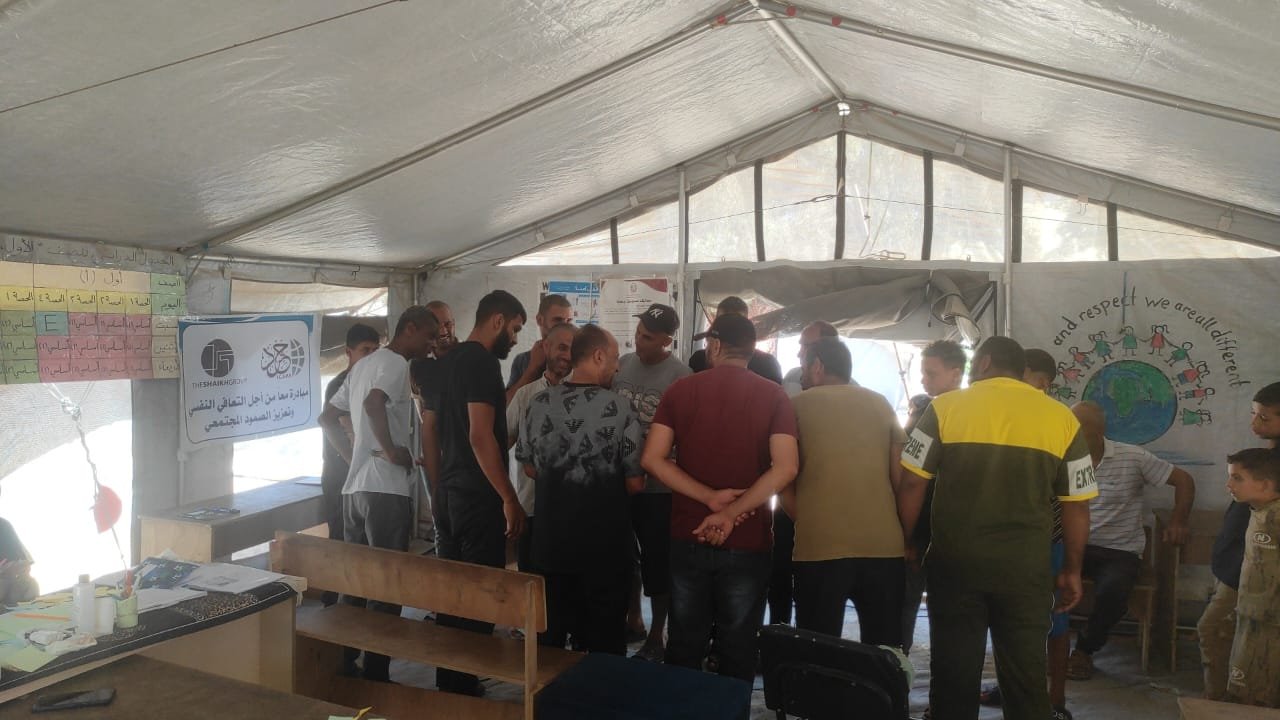
ICSPR also implemented the eighth session on Tuesday, September 1, 2026, at Al-Khutwa Al-Oula School. The session targeted the school’s male and female teachers and was designed to strengthen the role of educational staff in responding to students’ psychological, behavioral, and educational needs amid the consequences of war and crisis.
The eighth session addressed the reality of the education sector in the Gaza Strip and the psychological, social, and educational consequences of the genocide war for students, teachers, and the school environment. These included feelings of fear, anxiety, insecurity, and challenges related to maintaining educational continuity in emergency conditions.
The session focused on educational loss resulting from interrupted schooling and exceptional circumstances, as well as its impact on students’ academic achievement and foundational learning skills. It also addressed behavioral and social loss, including the behavioral and emotional changes that may emerge among students as a result of accumulated stress and traumatic experiences.
The activities examined appropriate educational approaches to dealing with students’ challenges, emphasizing that behavior can be an indication of unmet psychological or educational needs that require understanding, guidance, and support. The session stressed the need to use dialogue, respect, and positive reinforcement in working with students, instead of harmful methods or corporal punishment.
The session also discussed the risks and psychological and educational consequences of corporal punishment, and presented practical alternatives based on positive reinforcement, behavior regulation, clear rules, and building safe teacher-student relationships. These approaches support self-discipline and a sense of responsibility within the learning environment.
Ice-breaking activities, dialogue, and peer exchange were incorporated into the session, providing teachers with an opportunity to discuss the practical challenges they face at school, exchange ideas for responding to difficult behaviors, support students affected psychologically and socially, and strengthen the school’s role as a safe and supportive environment.
The initiative’s activities were implemented by Dr. Khalil Ali Abu Jarad, who holds a PhD in Educational Psychology. The sessions used an interactive methodology combining dialogue, group discussion, brainstorming, movement-based games, artistic activities, and recreational exercises, while taking into account the age-related, psychological, and social characteristics of the targeted groups.
The initiative’s activities have contributed to raising psychosocial awareness among participants and strengthening coping skills, resilience, and the capacity to respond to stress and crises. They have also supported families in understanding children’s psychological and behavioral needs, while promoting positive parenting, healthy family communication, and constructive educational practices.
The sessions further created safe spaces for children and adults to express feelings and emotions and reduce psychological pressure. They strengthened children’s psychosocial support through interactive activities and emotional release, while raising teachers’ awareness of psychological and educational support methods, alternatives to corporal punishment, and positive behavior management within the educational environment.
A total of eight sessions have been implemented under the initiative, reaching 72 mothers, 50 fathers, 25 children in kindergartens, 77 children in displacement shelters, and 15 teachers in educational points. More than 200 individuals have directly benefited from the activities, while the number of indirect beneficiaries among family members and the surrounding community has exceeded 2,000 people.
Despite the positive outcomes, the targeted groups continue to face significant challenges, including the continuation of severe humanitarian conditions, high levels of psychological stress, limited resources and capacities, the need for sustained interventions, and the presence of cases requiring specialized mental-health services and referral to competent providers.
ICSPR emphasized that the outcomes of the initiative demonstrate the importance of continuing community-based psychosocial interventions, using interactive activities suited to different groups, and involving both families and schools in protecting and supporting children. The Commission further highlighted the need to develop longer-term programs that integrate psychosocial and educational support and strengthen the capacities of individuals, families, and institutions to face future crises and challenges.
ICSPR called for the sustainability and geographic expansion of psychosocial support programs, increased child-focused activities, and specialized training for teachers in psychosocial and educational support and behavior management. It also stressed the importance of training parents and caregivers on positive parenting approaches and effective ways to respond to children’s psychological and behavioral needs.
The Commission further emphasized the need to strengthen partnerships with local and community institutions, provide follow-up and support services for the most vulnerable cases, and activate referral mechanisms to specialized bodies whenever necessary, ensuring that interventions remain coordinated, sustainable, and accessible to affected groups.
It is worth noting that ICSPR implements these activities in partnership with The Shaikh Group (TSG) as part of joint efforts to support psychosocial recovery and strengthen family and community resilience among affected groups.