
ICSPR and the Ministry of Women’s Affairs Organize a Workshop on the Political and Legal Dimensions Surrounding the Issue of Male and Female Prisoners

Date: 16/4/2026
Press Release
ICSPR and the Ministry of Women’s Affairs Organize a Workshop on the Political and Legal Dimensions Surrounding the Issue of Male and Female Prisoners
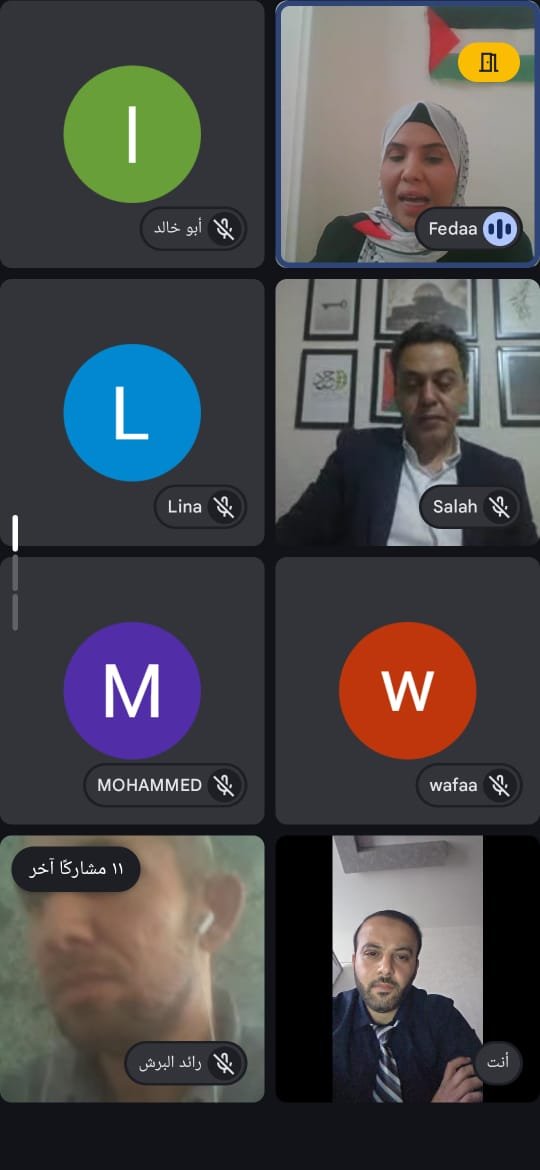
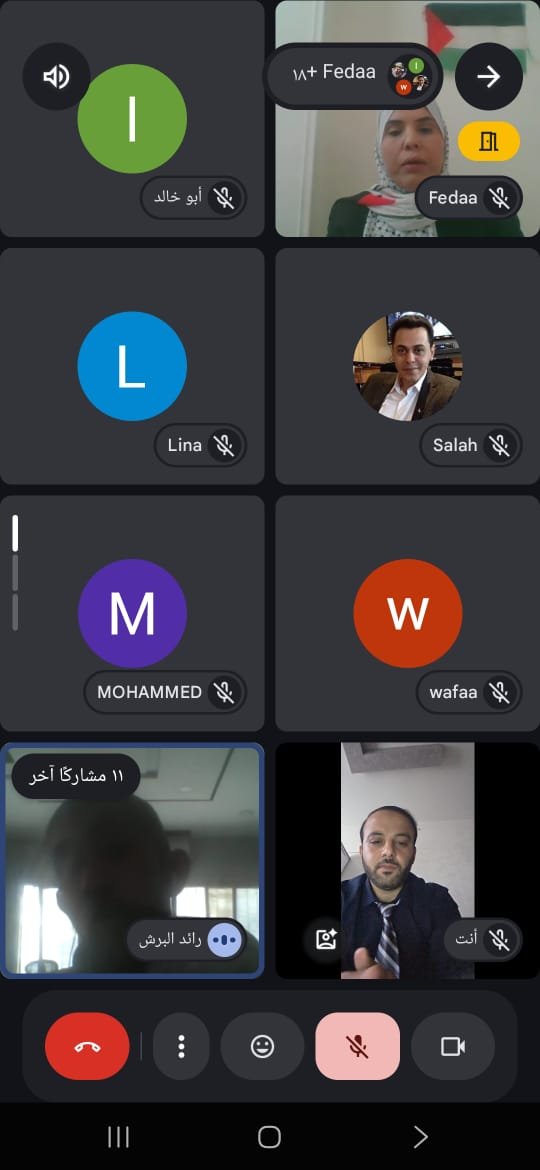
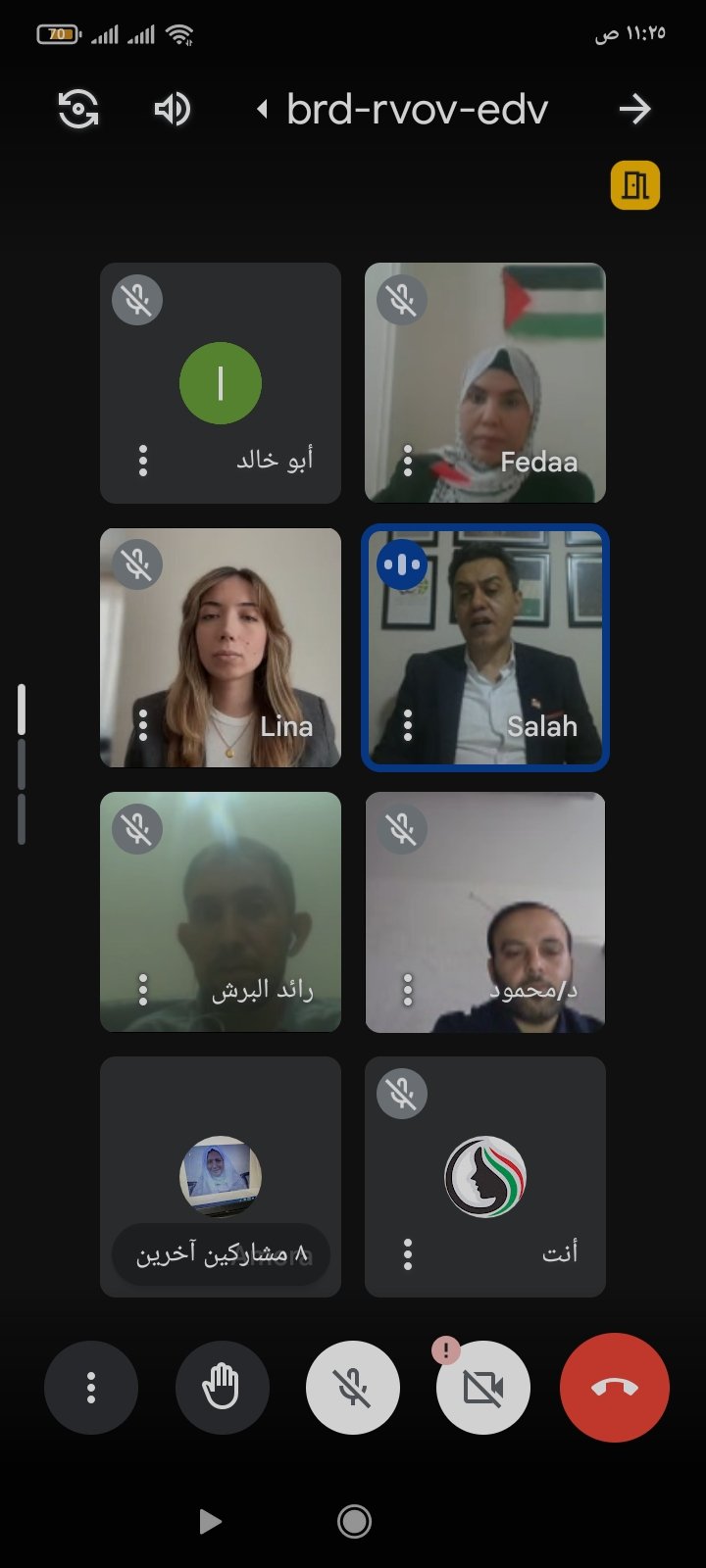
The Ministry of Women’s Affairs, in partnership with the International Commission to Support Palestinian People’s Rights (ICSPR), organized a specialized workshop highlighting the political and legal dimensions surrounding the issue of prisoners and female prisoners, in light of the current challenges. Statistics indicate that there are 133 female prisoners in Israeli prisons.
The workshop began with a presentation by Al-Madhoun on the efforts undertaken by the Ministry of Women’s Affairs in the Gaza Strip during the genocidal war and before it, through various and distinguished activities aimed at supporting female prisoners. These efforts included media campaigns, memoranda, international correspondence, protest vigils, and sit-ins exposing the racist practices committed against female prisoners, in addition to legal training and other programs supporting the cause of female prisoners and their rights.
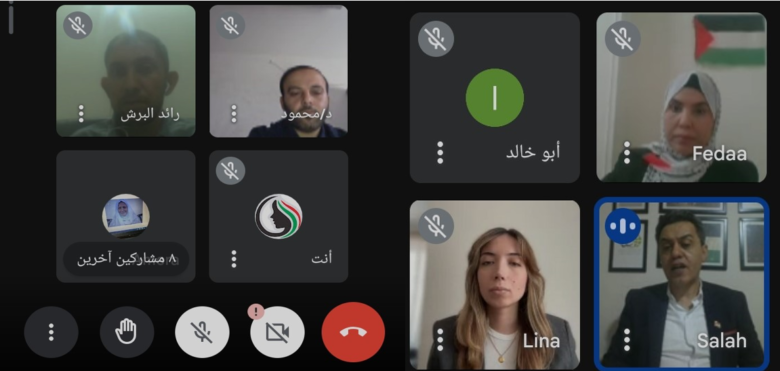
In detail, Dr. Salah Abd Alati, head of ICSPR, delivered the first session of the workshop on the legal and political dimensions of the racist law on executing prisoners, noting that the so-called “law on executing Palestinian prisoners” constitutes a dangerous shift that turns law into an instrument of killing rather than a means of regulating force.
Abd Alati argued that this law comes within the context of broad escalation since October 2023 and the systematic targeting of Palestinians. He explained that the reality of Palestinian prisoners reveals a vast system of repression involving thousands of detainees, including children, women, and administrative detainees.
Abd Alati considered that the practices inside prisons amount to a form of “slow execution” through torture, neglect, and starvation, and said that this law redefines the prisoner as a legitimate target rather than a person protected by law. He added that the Israeli judiciary, especially the military judiciary, is being transformed into a tool for issuing rulings that lack justice.
Abd Alati stressed that this law constitutes a flagrant violation of international law and the Geneva Conventions and may amount to a war crime or a crime against humanity. He added that it carries a discriminatory character and falls within a system closer to apartheid, which, politically, reinforces a violent deterrence approach and undermines opportunities for solutions and negotiation.
He called for a comprehensive international strategy for accountability and for activating legal, political, and popular pressure globally.
For her part, Lina Al-Taweel, Director of the Palestinian Center for the Defense of Prisoners, addressed the fact that the number of Palestinian prisoners has reached approximately 9,600 to 9,700, including children, women, thousands of sick prisoners, and administrative detainees held without trial. She pointed out that they suffer from harsh conditions, overcrowding, lack of food and health care, torture, physical and psychological violations, and deprivation of visits.
She noted that administrative detention is used for open-ended periods without clear charges or fair trial, and warned that recent legislation such as the law on executing prisoners raises serious concerns regarding the right to life.
She stated that international law, including the two Geneva Conventions, the International Covenant, and the Convention Against Torture, guarantees humane treatment and prohibits torture and arbitrary detention, adding that Israel is legally bound by these conventions but is repeatedly accused of violating them.
Al-Taweel affirmed that humanitarian mechanisms include the Red Cross for monitoring prisons and visiting prisoners.
In his session, lawyer Raed Al-Barsh, Director of the Legal Unit at Himaya Foundation, addressed the role of human rights organizations in supporting Palestinian prisoners in Israeli occupation prisons, pointing out that the occupation authorities commit grave violations against prisoners, such as torture and unlawful detention.
He stated that human rights organizations play an important role in monitoring and documenting these violations through work based on international laws such as the Geneva Conventions, and in providing legal and humanitarian support to prisoners. He added that international organizations such as the United Nations and the Red Cross play limited roles, as their assistance is confined to relief support and does not exert sufficient pressure on the occupation.
Al-Barsh also pointed to the importance of Amnesty International in assisting prisoners through media and legal pressure, while noting that it does not legally prosecute the occupation.
At the Arab level, Al-Barsh considered this role still weak, as activities have been limited to statements and seminars without tangible impact. He noted that Palestinian organizations have assumed a prominent role through monitoring violations and providing legal and psychological support to prisoners, but they face challenges related to resources and political pressure.
Al-Barsh stressed the importance of unifying Palestinian, Arab, and international efforts, and pressuring international institutions such as the International Criminal Court to ensure accountability for the occupation’s crimes against prisoners.
For his part, Dr. Mahmoud Zeidan, legal advisor to the Ministry of Women’s Affairs, warned in his session on the protection of Palestinian prisoners in international law about the specific violations faced by female prisoners, including degrading searches, harassment, and deprivation of motherhood, describing these as breaches of Article 27 of the Fourth Geneva Convention.
Zeidan explained that Palestinian prisoners are legally classified either as prisoners of war under the Third Geneva Convention or as protected civilians under the Fourth Geneva Convention. He affirmed that the conventions prohibit forcible transfer, unfair trials, and inhuman treatment of prisoners.
He stated that torture and administrative detention without trial constitute a flagrant violation under the Convention Against Torture, and that international laws guarantee prisoners’ health rights, including medical care, while medical negligence is considered a war crime.
Zeidan stressed that judicial protection guarantees the right of defense, the appointment of a lawyer, knowledge of the charges, and communication with the family. He noted that violations such as torture and forcible transfer are classified as war crimes under the Rome Statute.
He further noted that the taking of hostages and collective punishment are prohibited and that the arrest of relatives for the purpose of pressure constitutes a crime, adding that activating protection requires legal documentation and international prosecution to ensure an end to impunity.
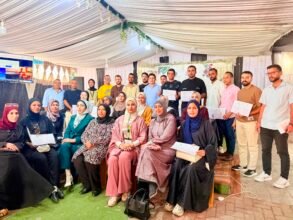
At the conclusion of the workshop, participants unanimously emphasized the importance of disseminating the workshop’s themes and recommendations in order to formulate a national vision capable of confronting attempts to legitimize violations against male and female prisoners, and to consolidate the Palestinian position in international forums.