
ICSPR 75 Palestinians Killed in 15 Days as Continuing Violations in Gaza and the West Bank Deepen the Humanitarian Catastrophe and Demand Urgent International Action

Date: 15 October 2026
Press Statement
ICSPR: 75 Palestinians Killed in 15 Days as Continuing Violations in Gaza and the West Bank Deepen the Humanitarian Catastrophe and Demand Urgent International Action
The International Commission to Support Palestinians’ Rights (ICSPR) condemns the continuing Israeli violations in the Occupied Palestinian Territory, including the killing and injury of civilians, the destruction of homes and property, repeated displacement, and restrictions on humanitarian aid and medical evacuation in the Gaza Strip. These violations coincide with escalating military incursions and settler attacks in the West Bank, including East Jerusalem, continuing violations against prisoners and detainees, and the targeting of human rights and civil society organisations and medical and humanitarian facilities.
The Commission affirms that the incidents recorded during the first half of October demonstrate the continued endangerment of Palestinian lives despite the declared ceasefire in the Gaza Strip, amid the absence of effective protection, continuing restrictions on access to basic necessities and medical care, and expanding attacks on people, land, and the conditions necessary for life.
According to ICSPR’s cumulative daily monitoring, 75 Palestinians were killed in the Gaza Strip and the West Bank between 1 and 15 October 2026, amid continuing attacks, incursions, and military and settler violence.
I. Gaza Strip: Continuing Aggression, Killings, and Attacks Despite the Ceasefire
The Commission is following with concern the continuing Israeli attacks in the Gaza Strip, including gunfire, bombardment, air and artillery strikes, the destruction of homes and property, explosive demolitions, and bulldozing operations. These actions continue to endanger civilians in residential areas, displacement sites, and during their daily movements.
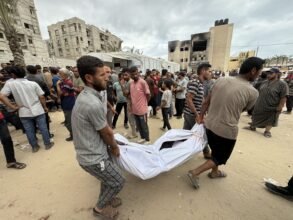
Between 10 and 14 October, ICSPR documented the killing of 18 Palestinians, including a woman and a child, in separate attacks targeting residential apartments, civilian vehicles, and gatherings of civilians, as well as deaths resulting from previously sustained injuries.
Among the most notable incidents was the killing of Reem Asaad Khalil Awad, 32, and the injury of other civilians, including a girl, when a residential apartment in the Al-Ameen building in Al-Rimal neighbourhood, west of Gaza City, was targeted on 14 October. On 13 October, Moumen Ahmed Salama Al-Ay, 30, was killed and two passers-by were injured when his vehicle was targeted in Al-Tuffah neighbourhood.
The incidents also included attacks on gatherings of civilians in several locations, including Al-Mawasi west of Rafah, Al-Buraq southwest of Khan Younis, the vicinity of Panda Mall in Al-Rimal neighbourhood, Yafa Street, and areas of Nuseirat refugee camp, resulting in deaths and injuries.
Civilians also continued to face risks from gunfire. Among the victims was seven-year-old Jihad Iyad Al-Ghandour, who died of injuries sustained after being shot by Israeli occupation forces near Al-Yemen Al-Saeed Hospital in Jabalia refugee camp.
According to Ministry of Health figures as of 14 October 2026, the announced cumulative toll since 7 October 2023 had reached 74,392 Palestinians killed and 175,440 injured. Since the beginning of the ceasefire on 11 October 2025, 1,501 Palestinians have been killed and 5,323 injured, while 838 bodies have been recovered.
These incidents coincided with continuing attacks on homes and the issuance of evacuation orders in several residential areas, including Al-Rimal neighbourhood, the vicinity of Al-Tawam roundabout west of Jabalia, and areas of Al-Zawaida and Al-Shuja’iyya. Families were forced to leave their homes and possessions, increasing the risks of repeated displacement amid the absence of adequate, safe alternatives.
II. Displacement, the Shelter Crisis, and Restrictions on Goods: Growing Risks as Winter Approaches
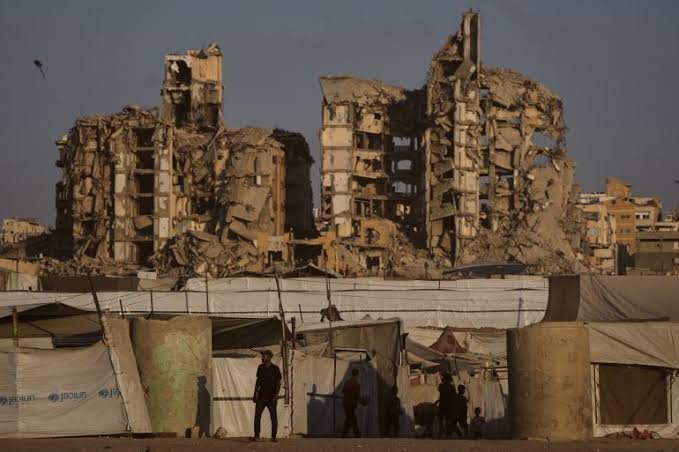
Approximately two million Palestinians in the Gaza Strip face highly precarious living conditions amid widespread destruction of homes and infrastructure, continuing restrictions on the entry of shelter supplies and materials needed to repair homes, and the displacement of large numbers of residents into tents and temporary accommodation that lack minimum standards of protection, privacy, and human dignity.
These conditions are becoming increasingly dangerous as winter approaches, with deteriorating tents, damaged temporary shelters, inadequate rainwater drainage and sewage networks, and shortages of blankets, winter clothing, insulation materials, and safe heating equipment. Overcrowded displacement sites face additional risks from water accumulation, worsening sanitary conditions, and difficulties accessing essential services.
Available humanitarian estimates indicate that approximately 1.65 million people face severely inadequate shelter conditions and nearly 300,000 families require shelter supplies, while a substantial funding gap obstructs efforts to meet growing needs.
In a development raising further concerns about food security and the availability of essential goods, media reports on 15 October indicated that Israel had announced a halt to the entry of commercial goods into the Gaza Strip.
ICSPR warns that any suspension or disruption of commercial goods, alongside restrictions on humanitarian aid, could lead to further market shortages, higher prices, and a decline in households’ ability to purchase food and basic necessities, particularly amid the loss of income, widespread poverty, and dependence on assistance. Continuing restrictions also heighten risks as winter approaches and needs for food, shelter materials, clothing, and medicines increase.
The crisis extends beyond shelter and the availability of goods. It encompasses the loss of income sources, damage to shops, productive facilities, and agricultural land, and declining employment opportunities and purchasing power. Consequently, obtaining food, medicine, and clothing and repairing homes have become burdens beyond the means of large segments of the population.
The Commission stresses the need to guarantee a regular and sufficient flow of humanitarian assistance and essential goods, without subjecting the population’s basic needs to restrictions that worsen their suffering, while ensuring that supplies reach those entitled to them according to actual needs.
III. Deterioration of the Health Sector and Obstruction of Medical Evacuation Threaten Patients’ Lives
The health crisis in the Gaza Strip is worsening as a result of damage to medical facilities, acute shortages of medicines, supplies, fuel, and equipment, reduced hospital capacity, and difficulties faced by patients and injured persons in accessing diagnostic and treatment services inside or outside the Strip.
Patients with chronic illnesses and cancer, alongside children, injured persons, and those in critical condition, face growing risks due to the inability to obtain necessary treatment and the accumulation of medical needs requiring referral to hospitals outside Gaza.
Figures cited in health statements indicate that approximately 21,000 patients require medical evacuation and treatment outside Gaza, including around 5,600 children and 2,800 patients with cancer and tumours. Meanwhile, 2,027 patients have died while awaiting evacuation since the closure of the Rafah crossing in May 2024.
ICSPR is also following reports of disrupted medical evacuations, including children scheduled to receive treatment in Jordan. According to the data included in its monitoring, only five of the 75 children scheduled for evacuation on 12 October were able to leave.
The continued closure of the Rafah crossing to medical evacuation, or the imposition of restrictions preventing patients and injured persons from leaving in time, increases pressure on the exhausted health system and exposes treatable cases to worsening health risks.
The Commission affirms that facilitating access to essential medical care and the evacuation of patients whose conditions cannot be treated locally is a humanitarian and legal necessity. It also stresses the obligation to respect the special protection afforded to hospitals, medical personnel, and patients, and not to obstruct their access to necessary care.
In this context, ICSPR condemns the Israeli occupation forces’ raid on the premises of the Palestine Red Crescent Society and Martyr Yasser Arafat Hospital in Salfit on 14 October. The forces seized surveillance-camera recordings from the Society’s premises and demanded that the hospital administration hand over its camera recordings, threatening to open fire if they were not surrendered, before raiding the hospital again later that day.
These actions raise serious concerns about the safety of medical and humanitarian facilities and the independence of their work, particularly given the need to ensure the continuity of health services and protect staff and patients. The Commission affirms that medical facilities and their personnel enjoy special protection under international humanitarian law, and that any measures affecting their work must respect the relevant legal safeguards and must not obstruct medical care.
IV. West Bank: Escalating Incursions, Arrests, and Settler Violence
The occupied West Bank, including East Jerusalem, is witnessing an escalation in military incursions, raids, and arrests, alongside continuing settler attacks against residents, their property, and agricultural land.
According to available data, 328 incursions were recorded between 8 and 12 October, resulting in the killing of three Palestinians, the injury of 37 others, and the arrest of 262 people. Monitoring between 2 and 8 October also documented 2,040 violations and attacks carried out by Israeli occupation forces and settlers, resulting in the killing of three Palestinians, the injury of 121, and the arrest or detention of 254 people.
These practices include raiding and searching homes, terrorising residents, damaging property, and restricting movement, as well as attacks targeting agricultural land and livelihoods. They exacerbate insecurity and undermine Palestinians’ ability to remain in their communities.
Settler Attacks and the Olive Harvest
During the olive harvest, Palestinian farmers face increasing attacks, including being prevented from reaching their land, physical assault and intimidation, gunfire, the theft of crops and harvesting equipment, and the destruction of trees and property.
According to available data, 219 incidents involving settlers and occupation forces were recorded between 1 and 12 October, including 136 incidents related to the olive harvest. Of the total incidents, 177 were attributed to settlers, while 42 involved direct participation by both occupation forces and settlers.
Among the harvest-related incidents, 92 directly targeted olive pickers or prevented residents from accessing their land, while 45 involved the theft of olive crops or damage to trees.
In a further attack, settlers set fire to a mosque, an olive tree, and a vehicle in the village of Mikhmas, northeast of occupied Jerusalem, at dawn on 14 October. A group of settlers entered the village and burned the mosque, the vehicle, and a nearby olive tree, in an attack affecting a place of worship, civilian property, and agricultural resources.
Additional attacks against farmers and their property were documented elsewhere in the West Bank. These included the dumping of harvested olives in Beit Furik, damage to irrigation networks, and the uprooting of olive trees, alongside attacks in other areas.
ICSPR affirms that assaults on farmers and the prevention of access to their land do not merely violate individual rights and property rights. They also threaten household incomes and local food security and deepen the economic and social damage caused by settlement activity and restrictions on access to land and resources.
Cumulative data show an increase in attacks against Palestinians and their land and property in the West Bank, including East Jerusalem, since 7 October 2023. The total number of recorded attacks reached 62,916, including 48,174 carried out by occupation forces and 14,742 by settlers.
The data also record the killing of 66 Palestinians in settler attacks and attacks against 376 villages and communities. In addition, 211 new settlement outposts were established, approximately 64,000 dunums of Palestinian land were seized, 1,814 demolition operations affected 5,059 structures, and 2,133 demolition notices were issued. Approximately 147,000 trees were damaged, including nearly 100,000 olive trees.
V. Destruction of Agriculture and the Undermining of Food Security in Gaza and the West Bank
In the Gaza Strip, agricultural estimates indicate that the number of olive trees has fallen from approximately two million before the war to around 150,000. Expected olive production has declined from approximately 40,000 tonnes to around 5,000 tonnes, while olive-oil production has fallen from approximately 5,000 tonnes to around 700 tonnes. Olive presses have also been damaged, with only seven of approximately 40 presses remaining operational on a limited basis, according to the figures cited in the draft.
These indicators reflect the scale of damage to a sector that provides food, income, and employment for thousands of families. The destruction of agricultural land and trees, restrictions on farmers’ access to their property, and difficulties obtaining production inputs threaten not only a single agricultural season, but also the capacity to restore production and achieve economic recovery.
ICSPR affirms that protecting agricultural land and livelihoods is an essential component of protecting the population’s economic and social rights. Agricultural recovery requires an end to attacks, safe access to land, the provision of production inputs, rehabilitation of agricultural infrastructure, support for affected farmers, and investigations into the unlawful destruction of property to hold those responsible accountable.
VI. East Jerusalem and Al-Aqsa Mosque: Continuing Demolitions and Restrictions
The Commission continues to monitor Israeli measures affecting the Palestinian presence in East Jerusalem, including house demolitions, threats of eviction, and restrictions on construction, movement, and access to holy sites.
According to the recorded incidents, three homes were demolished in East Jerusalem on 11 October, amid continuing pressures on Palestinian families at risk of losing their homes.
Reports concerning attempts by extremist settler groups to widen the main gate used for incursions into the Al-Aqsa Mosque compound also raise concerns about the imposition of new physical realities affecting freedom of worship, access to the mosque, and the existing historical and legal status quo.
ICSPR affirms that East Jerusalem is part of the Occupied Palestinian Territory and that measures aimed at changing its legal or demographic status or imposing unilateral facts on the ground require accountability. It also stresses the need to respect freedom of worship and access to holy places and to protect Al-Aqsa Mosque and Islamic and Christian holy sites from measures that undermine the status quo or restrict Palestinian rights.
VII. Prisoners and Detainees: Growing Risks to Life, Safety, and Dignity
The Commission expresses grave concern over the continuing ill-treatment of Palestinian prisoners and detainees, physical assaults, denial of medical care, and the risks arising from public incitement to execute prisoners and efforts to advance legislation or measures permitting such executions.
ICSPR warns that incitement to execute prisoners and the use of gallows imagery in political discourse reinforce a climate of revenge and dehumanisation and raise serious concerns about detainees’ safety and the legal safeguards afforded to them.
In a further development, the Commission of Detainees and Ex-Detainees Affairs reported on 14 October that the health of Palestinian women prisoners Basmala Saad, 20, and Israa Ahmed Hawaji, 31, had deteriorated after they contracted scabies in Damon Prison, amid difficult detention conditions, shortages of hygiene supplies, and high humidity inside the prison.
ICSPR stresses that all prisoners and detainees must be treated humanely, their dignity and physical and psychological safety must be protected, and they must receive medical care without delay or discrimination. Lawyers, doctors, and competent monitoring bodies must be granted access to them in accordance with the relevant legal safeguards.
The Commission also calls for disclosure of detainees’ places of detention, enabling their families to learn their fate, independent investigations into deaths, injuries, and allegations of torture and ill-treatment, and accountability for those responsible for violations.
VIII. Targeting Human Rights and Civil Society Organisations and Medical and Humanitarian Facilities
The Commission condemns in the strongest terms the Israeli occupation forces’ raids on the offices of Addameer Prisoner Support and Human Rights Association and the Union of Palestinian Women’s Committees in Ramallah on 13 October 2026. It also condemns the incursion into the area surrounding the Palestine Medical Complex, the deployment of snipers at its entrances, and the obstruction of entry and exit, according to published reports concerning the incident.
According to available information, these measures included the confiscation of equipment, furniture, and files from the organisations’ premises, assaults on journalists covering the operation, and the placement of a notice at Addameer’s office describing it as an “unlawful entity.”
ICSPR affirms that targeting human rights and civil society organisations, particularly those defending prisoners and providing legal support to victims, raises serious concerns about restrictions on Palestinian human rights work and attempts to undermine organisations that document violations and defend victims’ rights.
The impact of these measures extends beyond buildings and property. It affects the organisations’ ability to preserve evidence, document incidents, provide legal assistance, and follow up on victims’ cases, undermining their rights to documentation, redress, and access to justice.
The incursion into the area surrounding the Palestine Medical Complex, the deployment of snipers at its entrances, and restrictions on civilian movement also raise concerns about the safety of patients and medical personnel and access to health care.
The Commission stresses that attacks on Palestinian associations and their property, intimidation of their staff, or the undermining of their work constitute grave violations of international humanitarian law. It calls for international pressure to ensure respect for the independence of human rights and civil society organisations and protection for journalists, human rights defenders, and medical and humanitarian personnel.
ICSPR demands an end to measures obstructing the work of human rights and civil society organisations, protection for their staff, files, and evidence, and guarantees enabling them to continue their work independently and safely, preserving victims’ rights and opportunities for accountability and redress.
Legal Responsibility and the Need for International Action
The International Commission to Support Palestinians’ Rights (ICSPR) affirms that Israel, as the occupying Power, is obliged to comply with international humanitarian law and international human rights law, protect the civilian population, safeguard the dignity and safety of prisoners and detainees, respect the special protection afforded to medical facilities and their personnel, and ensure unhindered access to humanitarian assistance and essential medical care.
The Commission further stresses that the continuing killings, attacks, destruction, forced displacement, settler violence, and restrictions on medical evacuation and the entry of humanitarian assistance and essential goods, alongside the targeting of human rights and civil society organisations and medical and humanitarian facilities, require serious international action. Independent and effective investigations must establish responsibility and hold perpetrators accountable, ensuring that they do not enjoy impunity.
ICSPR affirms that the ceasefire must not become a cover for continuing violations or for merely managing their humanitarian consequences. Rather, it must serve as an entry point for effectively ending violations, addressing their causes, preventing their recurrence, and providing the protection necessary to safeguard civilians and their rights.
Protecting the Palestinian people cannot be achieved through statements and condemnations alone. It requires genuine Palestinian, Arab, and international political will and practical, tangible measures to ensure respect for international law, end impunity, provide effective civilian protection, and safeguard the Palestinian people’s rights and fundamental freedoms.
ICSPR’s Demands
On the basis of the above, the International Commission to Support Palestinians’ Rights (ICSPR) calls for the following:
1. End Unlawful Attacks and Protect Civilians
Take immediate and effective measures to ensure respect for the ceasefire, stop attacks on civilians and civilian objects, protect homes, populated areas, and medical facilities, and ensure the occupying Power’s compliance with international humanitarian law.
2. Open the Rafah Crossing and Facilitate Aid, Commercial Goods, and Medical Evacuation
End restrictions obstructing the entry of food, medicine, fuel, medical supplies, and shelter materials; guarantee the regular and sufficient flow of commercial goods and basic necessities; and facilitate urgent medical evacuation for patients and injured persons, particularly children, cancer patients, and those in critical condition.
3. Provide Shelter and Protection for Displaced Persons
Provide tents and allow the entry of temporary housing units, insulation materials, blankets, winter clothing, and sanitation supplies. Ensure safer and more dignified shelter solutions, support repairs to damaged homes, and prevent repeated displacement or the denial of residents’ right to return to their areas.
4. End Settlement Activity, Displacement, and Attacks in the West Bank and East Jerusalem
Stop land confiscation, the demolition of homes and structures, and the establishment of settlement outposts. Protect farmers and the olive harvest, guarantee Palestinians’ access to their land and property, end settler attacks, protect places of worship, and respect the legal status of East Jerusalem and Islamic and Christian holy sites.
5. Protect Prisoners and Detainees and Guarantee Their Rights
End incitement to execute prisoners; guarantee their safety, dignity, and access to necessary medical care; enable access by lawyers, doctors, and competent monitoring bodies; disclose detainees’ fate and places of detention; investigate allegations of torture, abuse, and ill-treatment; and ensure adequate food, hygiene supplies, and health care.
6. Protect Human Rights and Civil Society Organisations and Medical and Humanitarian Facilities
End raids and arbitrary measures obstructing the work of human rights and civil society organisations and medical and humanitarian facilities. Guarantee the safety and independence of their staff, protect journalists, human rights defenders, and medical and humanitarian personnel, and preserve the evidence and testimonies necessary for documentation and accountability.
7. Activate International Accountability and Take Practical Measures
Support investigations and accountability processes and the work of competent judicial bodies, foremost among them the International Criminal Court. Impose sanctions on Israel, the occupying Power, to prevent the continuation and recurrence of violations and international crimes. Work to end the crimes of settlement expansion, annexation, and forced displacement, and uphold the Palestinian people’s inalienable national rights, foremost among them their rights to life, freedom, dignity, and self-determination.
International Commission to Support Palestinians’ Rights (ICSPR)