
ICSPR Warns of the Catastrophic Deterioration of the Health of Pregnant and Breastfeeding Women in the Gaza Strip and Calls for Urgent International Action to Protect Them

Date: 4 August 2026
Press Release
ICSPR Warns of the Catastrophic Deterioration of the Health of Pregnant and Breastfeeding Women in the Gaza Strip and Calls for Urgent International Action to Protect Them
The International Commission to Support Palestinian Rights (ICSPR) has sent a briefing memorandum to a number of relevant UN and international bodies regarding the deteriorating health and humanitarian conditions of pregnant and breastfeeding women in the Gaza Strip amid the ongoing genocide, the widespread collapse of the health system, and the worsening impact of starvation, malnutrition, forced displacement, and deprivation of essential health care.
The Commission addressed its memorandum to the Special Rapporteur on the situation of human rights in the Palestinian territory occupied since 1967, the Special Rapporteur on violence against women and girls, the Committee on the Elimination of Discrimination against Women, UN Women, the UN Human Rights Council, the World Health Organization, the International Committee of the Red Cross, the United Nations Children’s Fund, and the Office for the Coordination of Humanitarian Affairs. It called on these bodies to take urgent action to protect pregnant and breastfeeding women and newborns, and to ensure their unhindered access to health care, food, medicine, and humanitarian assistance.
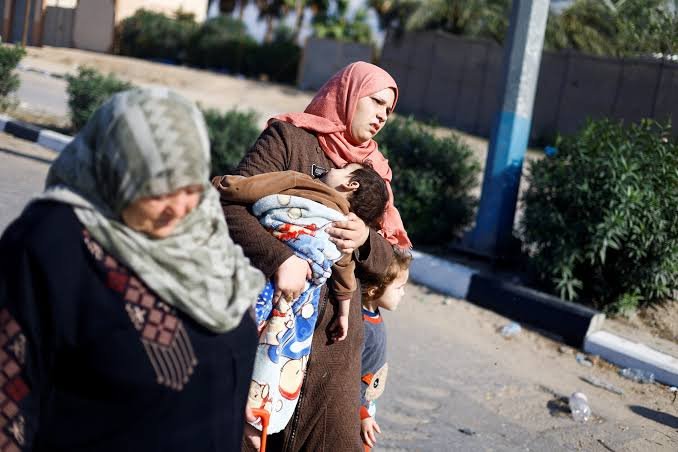
ICSPR affirmed that women in the Gaza Strip, particularly pregnant women, breastfeeding mothers, and women supporting their families, have borne compounded health and humanitarian burdens as a result of ongoing bombardment, the loss of family members, displacement, the collapse of health services, and difficulties accessing adequate food, clean water, and safe shelter. These conditions endanger their lives and health, as well as the health of fetuses and newborns.
The Commission explained that the genocide and the widespread targeting of homes, shelters, hospitals, and tents have resulted in the killing of tens of thousands of women and girls, as well as the injury of large numbers of women, many of whom have sustained severe injuries and permanent disabilities. UN data indicate that more than 38,000 women and girls have been killed in the Gaza Strip, including more than 22,000 women and around 16,000 girls, while large numbers of women and girls have been injured since the start of the war.
ICSPR noted that pregnant women have faced exceptional risks, including injury during bombardment and displacement, fetal loss, and difficulty reaching hospitals or health-care centres. Many have also been forced to give birth under conditions that lack even the minimum standards of medical and humanitarian safety.
The Commission pointed out that the destruction of health facilities, the depletion of medical staff, and severe shortages of medicines, supplies, and fuel have deprived women of reproductive health services, antenatal care, delivery services, and postnatal care. It noted that the damage to health facilities and the limited availability of functioning services have intensified risks for women and newborns.
ICSPR stressed that the collapse of maternal and child health services exposes thousands of women to preventable complications, including haemorrhage, infections, premature birth, and pregnancy loss. It warned that the deterioration of health services and nutrition has increased the risks of maternal and newborn deaths.
The Commission stated that restrictions on the entry of medicines, medical supplies, food, and nutritional supplements, combined with the destruction of health infrastructure, have created severe shortages in maternal and newborn care, pregnancy follow-up, therapeutic nutrition, and emergency obstetric services. As a result, pregnant and breastfeeding women have been left without adequate health protection.
ICSPR warned of the escalating effects of malnutrition and food insecurity on pregnant and breastfeeding women, stressing that shortages of food, iron, protein, and nutritional supplements increase the risk of anaemia, miscarriage, premature births, low birth weight, and reduced capacity for breastfeeding. Tens of thousands of pregnant and breastfeeding women in Gaza face acute malnutrition, while many pregnancies are classified as high-risk.
The Commission added that the decline in nutrition and health care has directly affected newborns, with increased risks of premature birth, low birth weight, and serious medical complications. The remaining health facilities are operating beyond their capacity amid acute shortages of incubators, medicines, and specialised care for newborns.
ICSPR further noted that repeated forced displacement has worsened the health and humanitarian conditions of pregnant and breastfeeding women. Large numbers of women are living in overcrowded tents and shelters that lack privacy, safe water, sanitation facilities, and essential hygiene services. The absence of safety and transport, along with limited access to hospitals, exposes women to the danger of giving birth outside medical facilities and without qualified medical supervision.
The Commission affirmed that the war has also imposed harsh social and economic burdens on women, particularly in families that have lost their main provider or whose members have been killed, injured, or detained. Many women have been forced to assume responsibility for providing food, shelter, child care, and other essential needs under conditions of continuing economic and humanitarian collapse.
ICSPR warned that women and girls, particularly displaced women and adolescent girls, face increased risks of gender-based violence, early marriage, and exploitation in the context of weakened protection mechanisms, the destruction of women’s support centres and services, and limited access to mental-health and psychosocial support.
The Commission stressed that the conditions facing pregnant and breastfeeding women in the Gaza Strip constitute grave violations of the rights to life, health, and human dignity, as well as of the special protections afforded to women and children under international humanitarian law and international human rights law. It further stressed that depriving civilians of food, medicine, and health care, targeting medical facilities, and obstructing humanitarian aid require an independent international investigation and accountability for those responsible.
ICSPR called on the international community, the United Nations, and relevant humanitarian and medical organisations to act immediately to ensure a ceasefire, open all crossings, and allow the entry of humanitarian aid, medical supplies, food, and maternal and child health materials without delay or restriction. It also called for safe and sustainable access to assistance throughout all areas of the Gaza Strip.
The Commission further called for the provision of emergency health and reproductive services for women, including antenatal and postnatal care, safe caesarean sections, essential medicines, incubators, iron supplements, therapeutic food, psychosocial support, and protection services against gender-based violence. It also called for support to rehabilitate health facilities and assist remaining medical personnel.
ICSPR called for an independent international investigation into violations and crimes committed against women, children, and Palestinian civilians in the Gaza Strip, and for those responsible to be held accountable in accordance with international humanitarian law and international human rights law.
The International Commission to Support Palestinian Rights (ICSPR) concluded its memorandum by stressing that protecting pregnant and breastfeeding women and newborns in the Gaza Strip is not a humanitarian response that can be postponed; it is an urgent legal and moral obligation. Continued international silence or failure to ensure access to food, medicine, and safe health care threatens the lives of women and children and leaves devastating consequences for future Palestinian generations.