
ICSPR Warns of Chemotherapy Drug Shortages Threatening the Lives of 4,000 Cancer Patients in the Gaza Strip and Calls for Urgent International Action

Date: 3 August 2026
Press Release
ICSPR Warns of Chemotherapy Drug Shortages Threatening the Lives of 4,000 Cancer Patients in the Gaza Strip and Calls for Urgent International Action
The International Commission to Support Palestinian Rights (ICSPR) has sent an official briefing memorandum to representatives of international media and press outlets regarding the catastrophic risks arising from the depletion of cancer treatment and chemotherapy drugs in the Gaza Strip. The shortage poses a direct threat to the lives of thousands of cancer patients amid the continuing collapse of the health system due to war, siege, and the ongoing closure of crossings and access routes.
At the outset of its memorandum, ICSPR stressed that the Gaza Strip has been experiencing an unprecedented health crisis for the ninth consecutive month as a result of the destruction of health facilities, severe shortages of medicines and medical supplies, the disruption of specialised services, and restrictions preventing or limiting patients’ access to treatment inside and outside the Gaza Strip.
According to Palestinian Ministry of Health data issued on 20 July 2026, shortages in the essential medicines list have reached 52%, while shortages in medical consumables and supplies have reached 62%. In addition, 27 types of oncology and chemotherapy drugs have been completely depleted out of 42 types approved under the national treatment protocol.
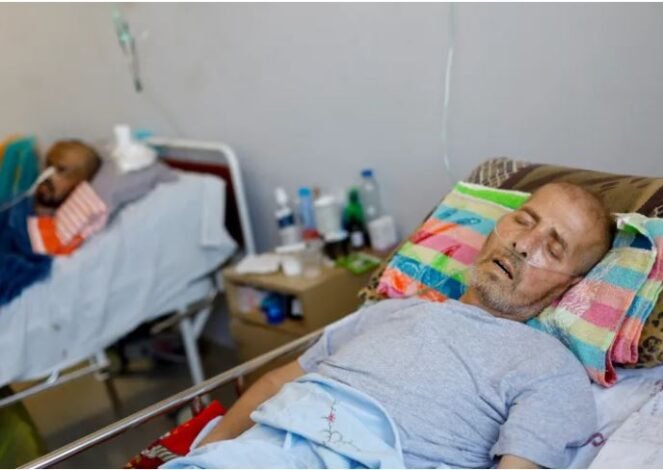
ICSPR explained that approximately 4,000 cancer patients, including 270 children, face the risk of death and acute relapse due to the forced interruption and complete cessation of treatment doses. The reality of the health sector confirms that shortages of cancer medicines and specialised treatments threaten the lives of thousands of patients and deprive them of essential treatment and medical follow-up.
ICSPR stressed that depriving cancer patients of chemotherapy and biological treatment cannot be regarded as a temporary shortage in medical supplies caused by the conditions of war. Rather, it constitutes a grave violation of the rights to life and health, exposing patients to worsening conditions and the loss of their prospects for treatment and disease control.
The Commission noted that delaying chemotherapy doses or interrupting them for prolonged periods may undermine the effectiveness of treatment protocols and turn manageable cases into advanced, life-threatening conditions. Patients are also suffering from the absence of radiotherapy, diagnostic equipment, regular examinations, and specialised medical care.
ICSPR pointed out that the Turkish-Palestinian Friendship Hospital, the only specialised cancer treatment hospital in the Gaza Strip, has been completely put out of service, depriving thousands of patients of diagnostic services and chemotherapy and radiotherapy treatment. The destruction and disruption of hospitals, together with shortages of fuel and medical supplies, have further undermined the health system’s capacity to respond to critical cases and chronic and complex illnesses.
ICSPR affirmed that the health sector has sustained devastating losses among medical and humanitarian personnel as a result of killings, injuries, arrests, and repeated attacks on health facilities. It added that restrictions on the entry of medicines, medical equipment, surgical supplies, and radiological and laboratory testing materials have deepened the health crisis and left patients without life-saving care.
The Commission explained that the health crisis was not an incidental consequence of military operations, but rather developed in the context of a policy of siege, closure, and severe restrictions on the entry of medical assistance and the exit of patients. Medical and human rights reports indicate that restrictions on movement and access have severely limited the entry of chemotherapy drugs, radiotherapy equipment, and diagnostic tools, affecting cancer patients’ ability to receive treatment in a timely manner.
ICSPR further noted that more than 14,000 patients and injured persons require urgent medical referral and evacuation to access care unavailable in the Gaza Strip, including cancer patients, children, and people with complex medical conditions. It warned that continuing restrictions on medical evacuations deprive these patients of access to specialised and life-saving treatment.
The Commission affirmed that preventing the entry of medicines, equipment, and medical supplies, and obstructing patients’ access to treatment and care, constitute grave violations of international humanitarian law. It stressed the obligations of the occupying power under the Fourth Geneva Convention to ensure medical and food supplies for civilians, protect health facilities, and facilitate the passage of medicines and medical consignments.
ICSPR stressed that imposing living and health conditions that cause serious harm to cancer patients and deprive them of treatment may amount to war crimes and crimes against humanity. It called for an independent international investigation and for accountability for all those proven to be involved in these policies and practices.
The Commission called on the Office of the Prosecutor of the International Criminal Court to include the targeting of the health system and the deprivation of cancer patients of treatment in its ongoing investigations into international crimes committed in the Gaza Strip, and to pursue accountability for those responsible for policies that endanger civilian lives and deprive them of health care.
ICSPR also called on the UN Security Council, the UN Secretary-General, and the High Commissioner for Human Rights to exert immediate political and diplomatic pressure to compel the Israeli occupation authorities to halt the war, fully and unconditionally open crossings, and ensure the entry of chemotherapy and radiotherapy medicines, medical supplies, power generators, and fuel needed for hospitals to continue operating.
The Commission called on UN Special Rapporteurs and the Office for the Coordination of Humanitarian Affairs to intensify monitoring and documentation efforts and issue urgent appeals for the opening of safe and permanent humanitarian corridors. Such corridors must ensure the immediate medical evacuation of patients and injured persons, especially cancer patients and children, so that they can receive treatment outside the Gaza Strip.
ICSPR further called on the World Health Organization, the International Committee of the Red Cross, and international medical and humanitarian institutions to provide urgent logistical support for the entry of oncology equipment and treatment supplies, and to work towards restoring and rehabilitating specialised medical centres, particularly the Turkish-Palestinian Friendship Hospital. It also called for palliative care, psychosocial support for patients and their families, and the deployment of specialised medical teams to assist exhausted local health personnel.
The Commission called on international media and press outlets to shed light on the silent suffering and slow death faced by cancer and tumour patients in the Gaza Strip, and to highlight their deprivation of treatment as one of the most serious manifestations of the ongoing health and humanitarian collapse and the structural destruction of Palestinian society.
The International Commission to Support Palestinian Rights (ICSPR) concluded its memorandum by affirming that saving the lives of cancer patients requires immediate and effective international action to ensure the entry of life-saving medicines and treatments, guarantee medical evacuation for cases that cannot be treated inside the Gaza Strip, rehabilitate the health system, and hold accountable those responsible for policies that deprive civilians of their rights to life and health.