
On World Law Day: Cairo Event Affirms that Palestine Is a Test of the Credibility of International Law

Date: 14 September 2026
Press Release
On World Law Day: Cairo Event Affirms that Palestine Is a Test of the Credibility of International Law
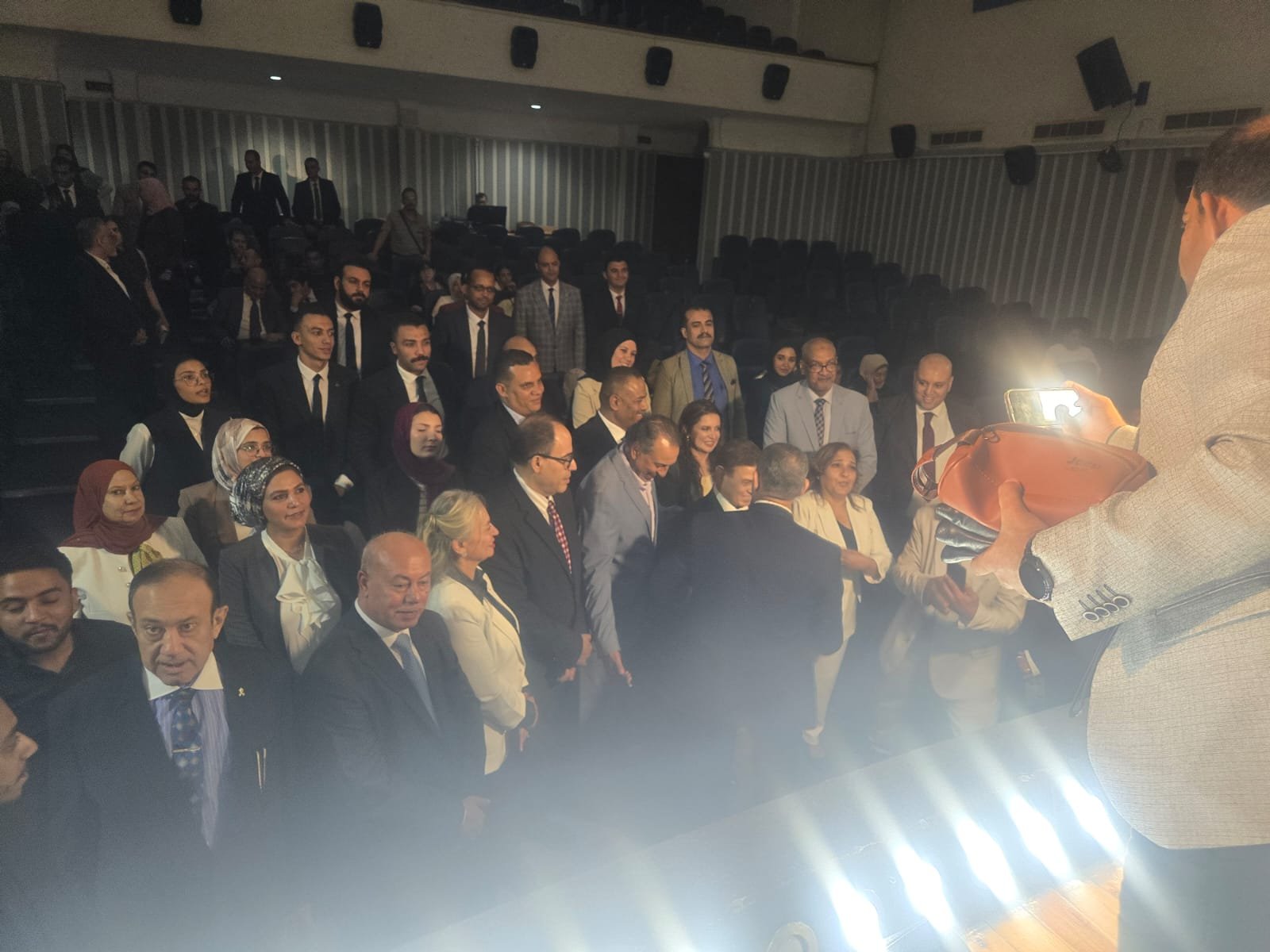
The International Commission to Support Palestinians’ Rights (ICSPR), in cooperation with the Legal Awareness Ambassadors Foundation and the Egyptian Lawyers Syndicate, organised a celebratory event marking World Law Day at the Russian Cultural Centre in Cairo. The event was attended by nearly 200 Egyptian, Palestinian, and Arab judges, lawyers, academics, and human rights advocates.
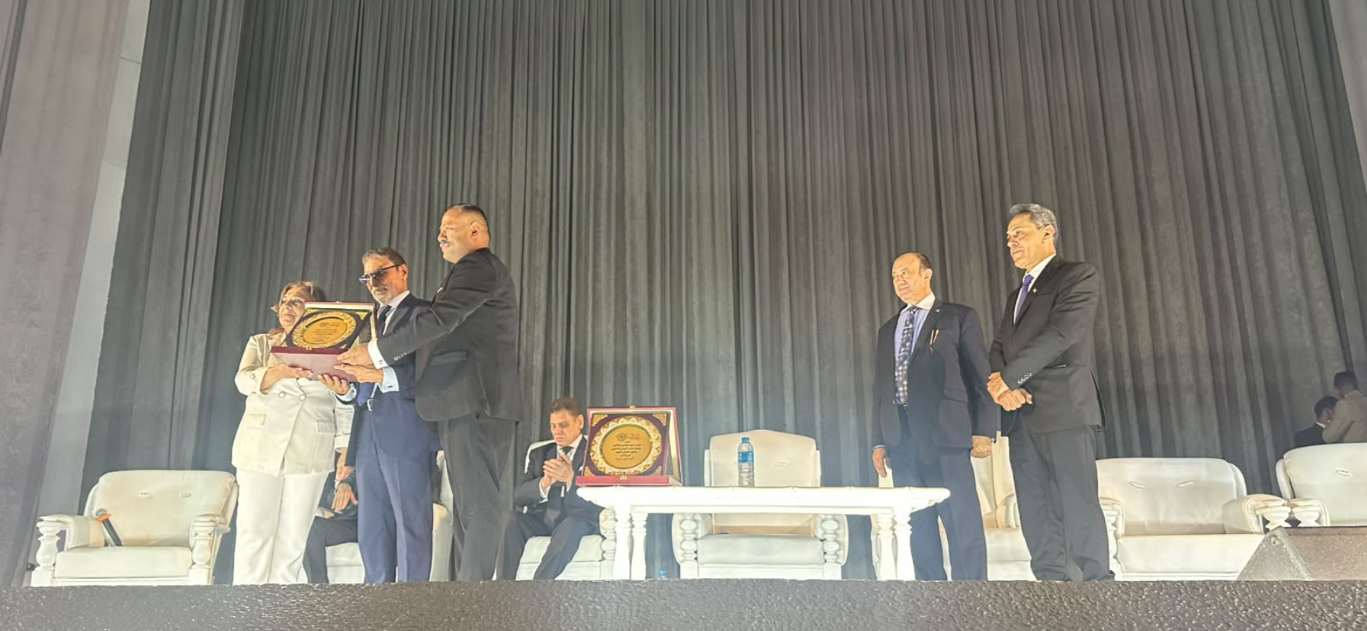
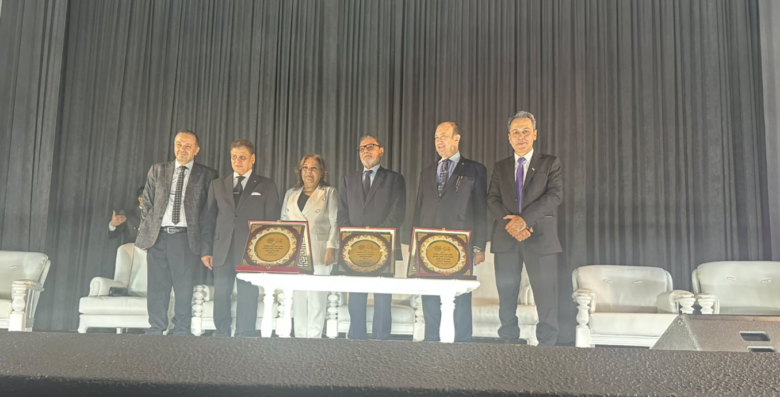
The event included a ceremony honouring a distinguished group of legal and judicial figures from Palestine, Egypt, and the Arab world, in recognition of their contributions to the service of justice, the promotion of the rule of law, the protection of human rights, support for the Palestinian cause, and the advancement of Arab legal and intellectual dialogue.
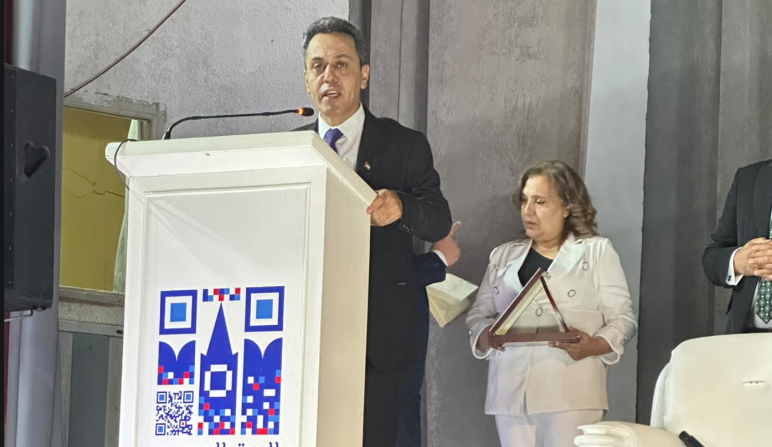
In his address, Dr Salah Abdel Ati, Chairperson of the International Commission to Support Palestinians’ Rights (ICSPR), welcomed attendees and stated that observing World Law Day comes at a historic moment in which the international justice system faces a profound test. He explained that this test extends beyond the violation of individual legal rules to the ability of law itself to remain a barrier between humanity and chaos, and between power and justice.
Dr Abdel Ati said: “Law is not ink on paper, texts in books, or doors in courtrooms. Law is the idea that prevents power from becoming a right, prevents chaos from becoming an order, and protects human beings when balances of power fail to protect them.” He added that the defeat of law does not only mean the triumph of injustice; it also means the retreat of humanity itself.
He noted that the world is currently facing a real danger represented by the decline of the international legal system in the face of the logic of power. He stressed that Palestine represents one of the clearest tests of the credibility of this system. International legal rules exist, courts are in place, and international conventions and resolutions are available; yet the fundamental question remains: what is left of law if it fails to protect human beings, and what remains of justice if it stops at the boundaries of politics?
The Chairperson of ICSPR explained that law which is not enforced becomes a promise, justice which is not implemented becomes rhetoric, and rights that are not protected by accountability become hostage to power. He stressed that the struggle for Palestine is not only about applying international law, but also about saving the very idea of law from selectivity, double standards, and impunity.
Dr Abdel Ati affirmed: “When the powerful become above the law, there is no longer any law; power itself becomes the law.” He added that law is the distance separating civilisation from the law of the jungle. He further stressed that justice is not a privilege reserved for the powerful, and that the true strength of law lies in making rights stronger than power and human beings more important than political calculations.
He warned that the gravest threat facing law is not merely its violation, but its violation without holding perpetrators accountable. He noted that when impunity becomes the rule, law becomes the exception, undermining trust in the international justice system and threatening the foundations of international peace and security.
Dr Abdel Ati also expressed his appreciation for the role played by judges, lawyers, and human rights defenders in exposing crimes committed by the Israeli occupation, documenting violations, and pursuing perpetrators through national and international legal and human rights mechanisms. He extended his gratitude and appreciation to the Egyptian leadership, government, and people for their continued support for the Palestinian people and cause, and for Egypt’s role in hosting dialogue, seeking to end the war, protecting civilians, and supporting pathways to justice and peace.
For her part, Ms Hanan El-Bably, Coordinator of the Legal Awareness Ambassadors Foundation, affirmed the importance of World Law Day in renewing commitment to the rule of law, advancing justice, and protecting rights and freedoms. She expressed appreciation for Arab contributions to legal and human rights work, stressing that support for the Palestinian cause must be translated into effective legal, human rights, and diplomatic positions.
Ms El-Bably called on the international community to assume its legal and moral responsibilities towards the Palestinian people, to work to provide international protection for Palestinian civilians, to ensure respect for international humanitarian law and international human rights law, to hold those responsible for grave crimes and violations accountable, to provide justice for victims, and to guarantee an end to impunity.
ICSPR affirmed that defending the rule of law is not an intellectual luxury, but a defence of life, dignity, freedom, and peace. It stressed that law is the final barrier between humanity and chaos, and the final legal and moral constraint on the unchecked use of force. ICSPR further affirmed that protecting the rights of the Palestinian people is not merely a matter of political solidarity, but an international legal obligation requiring states and international institutions to act decisively to stop violations, enforce legal rules, and support accountability and justice mechanisms.
The Commission extended its sincere gratitude and appreciation to Egypt—its leadership, people, and institutions—for its historic role in supporting Palestine, facilitating dialogue, working to stop the war, protecting human beings, and advancing paths toward peace and justice. It also commended all those who contributed to the success of the event, foremost among them Ms Hanan El-Bably, Coordinator of the Legal Awareness Ambassadors Foundation, and Mr Sayed Moawad, representative of the Egyptian Lawyers Syndicate.
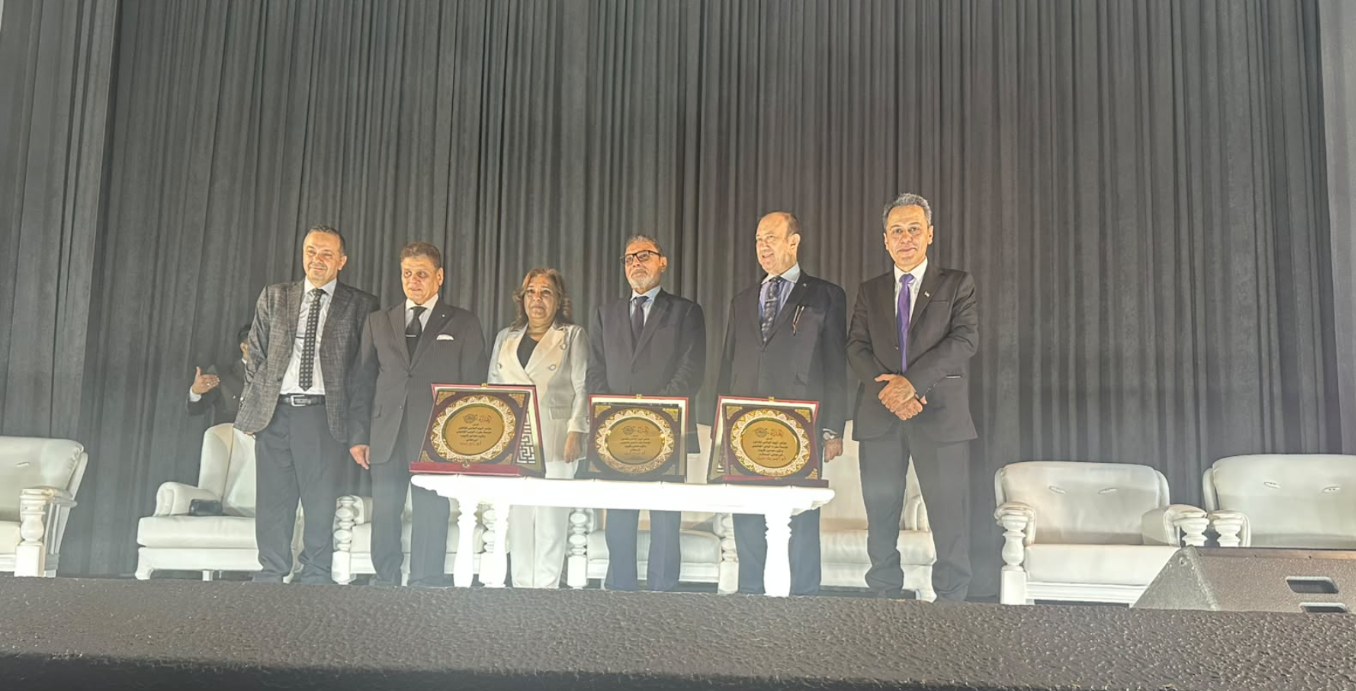
During the event, honours were presented to Professor Dr Mahmoud Kebeish, Dean of the Faculty of Law at Cairo University and Arab legal expert; Professor Dr Rabih Rateb, Arab legal expert; Mr Mohamed El-Sherif, Egyptian judge; Dr Ahmed Khalil, President of the Alexandria Court of Appeal and Director of the Russian Cultural Centre in Cairo; and Dr Rehab El-Gebaly, Dean of the Faculty of Law at Ain Shams University. A number of Egyptian, Palestinian, and Arab academics, judges, lawyers, researchers, and human rights advocates were also recognised.
The honourees were recognised for their contributions to strengthening legal and intellectual dialogue, entrenching the values of justice, the rule of law, and human rights, and supporting efforts to use law to confront violations, occupation, and impunity.
The event concluded with the honouring of a distinguished group of Palestinian, Egyptian, and Arab lawyers, judges, and legal figures, reaffirming the importance of the role played by legal professionals in protecting human beings and promoting justice, as well as the need to activate national and international legal tools to confront crimes and grave violations.
Participants stressed in their remarks that the world does not need more legal texts as much as it needs more justice. They affirmed that what is needed is not a law that is strong on paper, but a law that is strong in the face of power. They called for renewing the international legal system, restoring the centrality of justice and accountability, ending selectivity and double standards, and building a world in which the force of law prevails over the law of force, human dignity is more sacred than state interests, justice is the foundation of peace, and humanity is both the essence and ultimate purpose of law.