
ICSPR Warns of Deteriorating Human Rights Conditions in the Occupied Palestinian Territory and Their Impact on Civilian Protection and Social Cohesion

Date: 05 October 2026
Press Release
ICSPR Warns of Deteriorating Human Rights Conditions in the Occupied Palestinian Territory and Their Impact on Civilian Protection and Social Cohesion
The International Commission to Support Palestinian People’s Rights (ICSPR), known as “Hashd,” submitted a briefing memorandum to Francesca Albanese, the United Nations Special Rapporteur on the situation of human rights in the Palestinian territories occupied since 1967, concerning the severe and systematic deterioration of human rights conditions in the Gaza Strip and the West Bank, including East Jerusalem. The Commission warned of the consequences of ongoing violations for civilian protection, the basic conditions necessary for life, and Palestinian social cohesion.
The Commission called on the Special Rapporteur to take urgent action within her UN mandate to strengthen civilian protection, press for unrestricted access to humanitarian aid and essential supplies, halt demolitions, forced displacement, and settler attacks, and support international accountability efforts to prosecute those responsible for violations against Palestinians.
ICSPR emphasized that civilians continue to be deprived of the basic necessities of life and exposed to killing, injury, displacement, and the destruction of civilian property, amid persistent restrictions on humanitarian response. These conditions, it stated, undermine the protections guaranteed by international humanitarian law and international human rights law.
The Commission explained that nearly a year after the ceasefire announced in October 2025, violations in the Gaza Strip have not ended. It pointed to Israel’s continued failure to fulfill its obligations and the prolonged humanitarian vulnerability imposed on the population through attacks on civilians, restrictions on relief, and disruption of essential services.
ICSPR reported that it had documented the killing of more than 67 Palestinians and the injury of 582 others between 31 July and 03 October 2026, bringing the recorded toll since the ceasefire announced on 10 October 2025 to 1,454 Palestinians killed and 4,429 injured.
The Commission noted that threats to civilians extend beyond direct attacks to include their forced residence in damaged buildings that lack basic safety conditions. It cited the deaths of 21 civilians, including 12 children, when a previously damaged residential building collapsed in the Tel al-Hawa neighborhood of Gaza City on 16 September. The incident, it stated, illustrates the dangers facing displaced people in the absence of safe shelter alternatives.
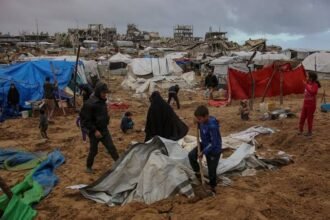
It explained that approximately 2.1 million people in the Gaza Strip continue to suffer the consequences of prolonged displacement. Citing UN data issued in September 2026 and included in its memorandum, the Commission stated that 94% of the population urgently needs emergency shelter assistance, while 65% of families live in tents and temporary shelters that lack minimum protection against weather conditions.
The Commission added that 451 displacement sites, accommodating approximately 464,402 people, are located in areas at high risk of erosion and flooding. It warned that the absence of adequate shelter turns displacement sites into an additional source of health and physical danger, particularly for children, women, older people, and persons with disabilities.
Regarding water and sanitation, ICSPR reported that the proportion of households experiencing moderate to severe water insecurity reached 91% in August 2026. It noted that major desalination units and pumping stations in Deir al-Balah and al-Bureij sustained severe damage from nearby airstrikes, depriving hundreds of thousands of people of access to drinking water.
The Commission explained that six wastewater treatment plants and approximately 70% of pumping stations had ceased functioning, causing sewage to leak into residential areas. According to the figures included in the memorandum, the health sector recorded 45,190 cases of impetigo, a bacterial skin infection, alongside outbreaks of watery diarrhea and respiratory infections.
ICSPR stressed that restrictions on aid, fuel, and movement through crossings exacerbate these conditions. It stated that between 31 July and 03 October 2026, only 11,814 trucks entered Gaza out of an agreed 39,000, representing a compliance rate of 30.2%. Fuel deliveries did not exceed 16.4% of the agreed quantities, obstructing the regular operation of hospitals and water facilities.
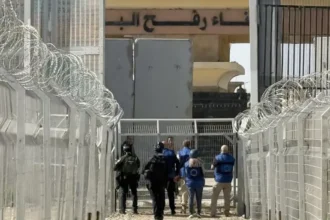
The Commission added that disruptions to normal operations at the Rafah crossing prevented large numbers of patients and humanitarian cases from traveling. Only 3,843 people were able to leave out of the 9,000 expected to travel, representing a compliance rate of 42.7%. It also pointed to the continued prohibition on the entry of more than 442,000 pieces of timber and thousands of tarpaulin and shelter supplies on the grounds of alleged dual use.
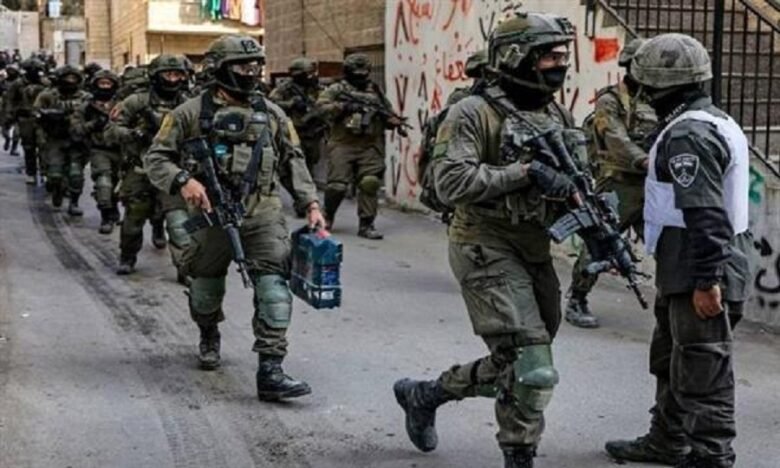
In the West Bank, including East Jerusalem, ICSPR warned of escalating violence and the convergence of Israeli military measures with attacks by armed settlers, placing growing pressure on residents and driving displacement and demographic and geographic changes.
The Commission stated that the statistical data included in its memorandum recorded the killing of 79 Palestinians, including 19 children, and the injury of 1,870 others during the reporting period, bringing the cumulative death toll cited for the West Bank to 1,183. It also cited UN documentation of more than 1,600 settler attacks affecting 275 Palestinian communities, averaging 6.7 attacks per day compared with five daily attacks in 2025. These attacks directly resulted in the deaths of 23 Palestinians and injuries to more than 1,040 others.
It noted that attacks also targeted agricultural and pastoral livelihoods through the uprooting, burning, and destruction of more than 800 olive and fruit trees, as well as damage to water and electricity networks in several areas, including Khirbet Yarza and al-Mas‘udiyya. The Commission stated that targeting essential resources and services intensifies pressure on Palestinian communities and undermines their ability to remain on their land.
On demolitions and displacement, ICSPR reported that Israeli authorities had demolished more than 1,100 Palestinian structures since the beginning of 2026 on the grounds that they lacked permits, displacing more than 1,500 people. It added that displacement resulting from demolitions, evictions, settler violence, and administrative restrictions had exceeded 4,300 people since the start of the year, with these policies concentrated in Bedouin communities surrounding the “E1” area to facilitate settlement expansion.
The Commission explained that movement restrictions and attacks on essential services are worsening health and living conditions in the West Bank. It cited the World Health Organization’s documentation of 124 attacks on healthcare since the beginning of the year, including obstruction of ambulances and attacks on medical facilities. It also referred to the World Food Programme’s announcement that it was reducing food assistance from 400,000 to 200,000 beneficiaries because of funding shortfalls, while estimates included in the memorandum indicated that 900,000 people faced water and food insecurity and that 76% of households had experienced a substantial decline in income.
ICSPR stressed that the effects of these violations extend beyond immediate human and material losses to undermine Palestinians’ fundamental rights, foremost among them the rights to life, physical integrity, housing, education, and healthcare. It emphasized that the depletion of the medical system and restrictions on travel for treatment increase the risk of permanent disabilities, while repeated displacement causes families to lose stability and personal documents and erodes their sense of security.
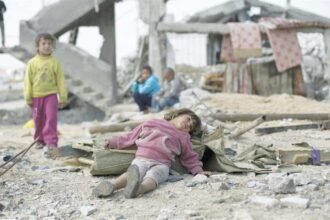
The Commission warned that more than 200,000 children in Gaza, along with thousands of displaced students in the West Bank, continue to be deprived of education during the current academic year because schools have been destroyed, closed, or converted into shelters. This, it stated, threatens children’s futures and deepens long-term social harm.
It emphasized that repeated forced displacement uproots families from their surroundings and fragments local communities, while impoverishment, unemployment, and the loss of breadwinners intensify psychological trauma and pressures within families and society. The Commission also warned that continued impunity reinforces feelings of abandonment and injustice and weakens confidence in the international system’s ability to protect human rights and uphold the rule of law.
ICSPR stated that the practices described in its memorandum constitute grave violations of international humanitarian law, particularly the Fourth Geneva Convention of 1949, and international human rights law. In calling for an end to these policies, it referred to the International Court of Justice’s advisory opinion of 19 July 2024 concerning the unlawfulness of Israel’s continued presence in the occupied Palestinian territory.
The Commission urged the Special Rapporteur to advocate for on-the-ground protection measures for civilians, particularly children, women, persons with disabilities, and patients, and to mobilize international pressure to compel the Israeli authorities to open all crossings and allow the unrestricted flow of aid, shelter materials, fuel, and medical equipment.
It also called for the condemnation of home demolitions and forced displacement in Gaza and the West Bank, an end to settler attacks, and accountability for their perpetrators. The Commission urged support for the International Criminal Court and independent investigative mechanisms to ensure accountability for those responsible for crimes against civilians. It further stressed the need to prioritize psychosocial support and the rebuilding of social cohesion in humanitarian response plans.
The International Commission to Support Palestinian People’s Rights concluded its memorandum, signed by lawyer and Chairman of the Board Dr. Salah Abdel Ati, by emphasizing that continued violations without deterrence or accountability entrench the dominance of force over the rule of law. It called for urgent and effective international action to protect civilians, safeguard their rights, and preserve the remaining basic conditions necessary for life in the occupied Palestinian territory.