
ICSPR Opens Specialized Training on Election Monitoring in Gaza City, Strengthening Civil Society’s Readiness for Democratic Processes

Date: September 13, 2026
Press Release
ICSPR Opens Specialized Training on Election Monitoring in Gaza City, Strengthening Civil Society’s Readiness for Democratic Processes
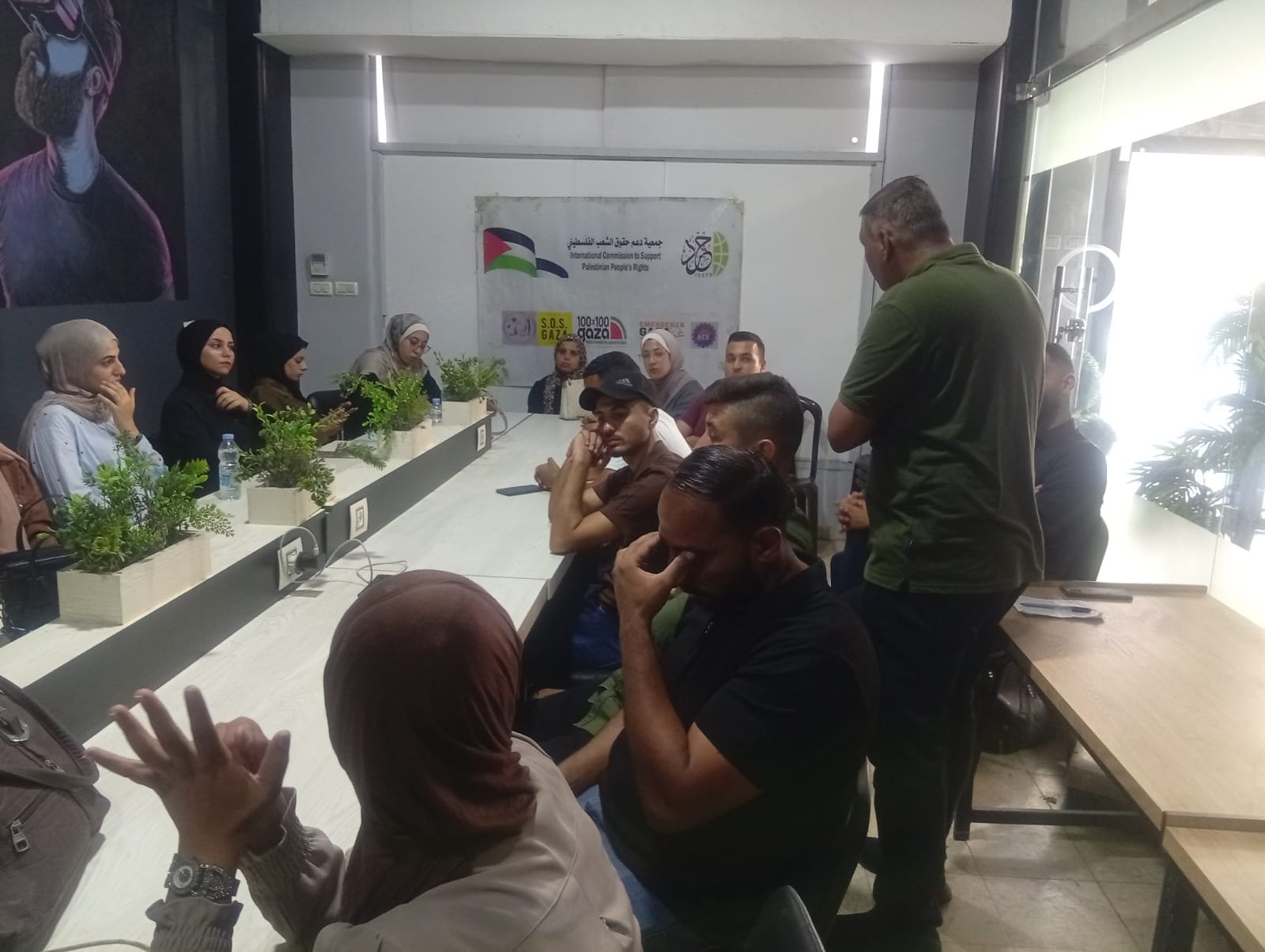
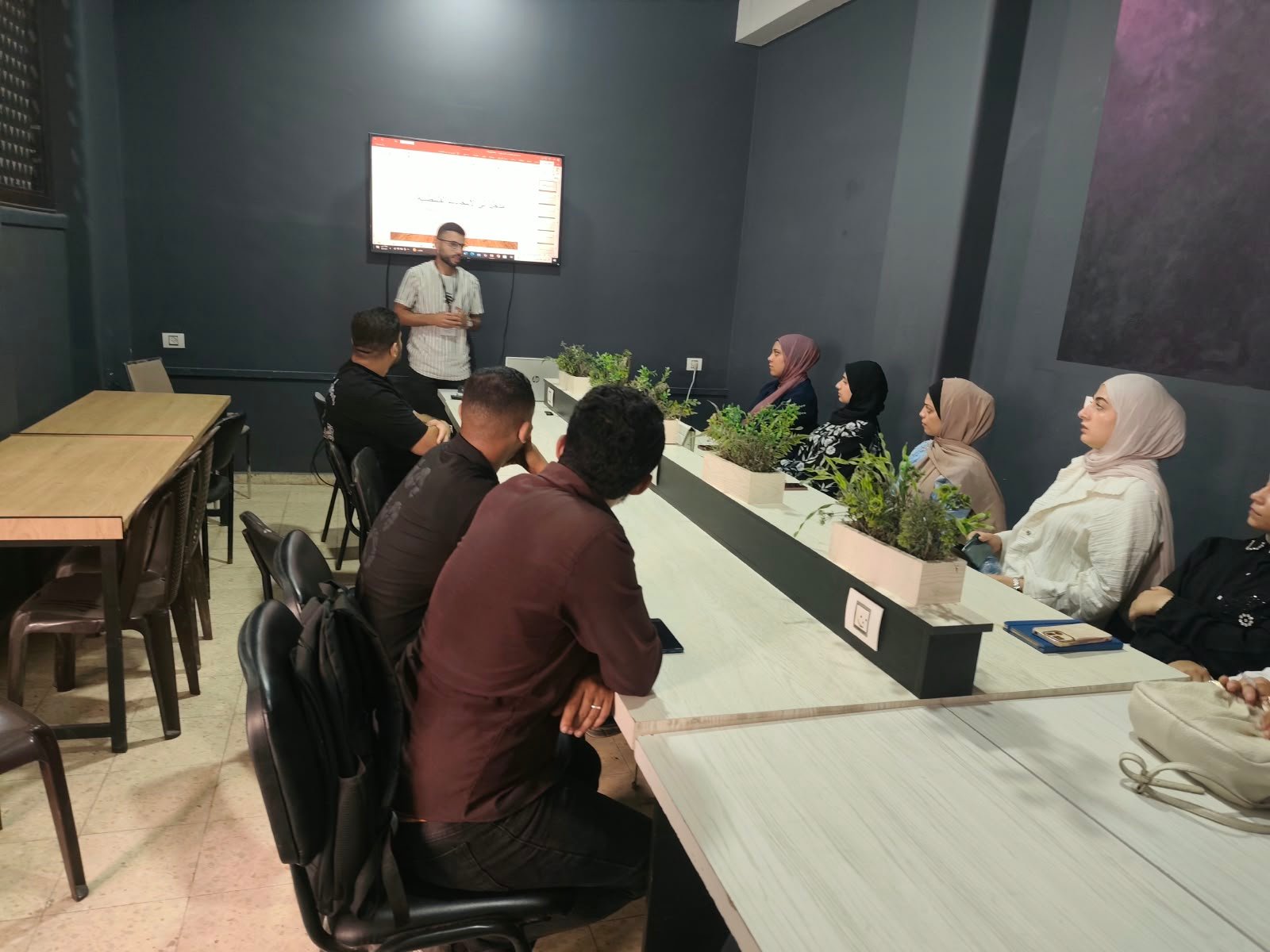
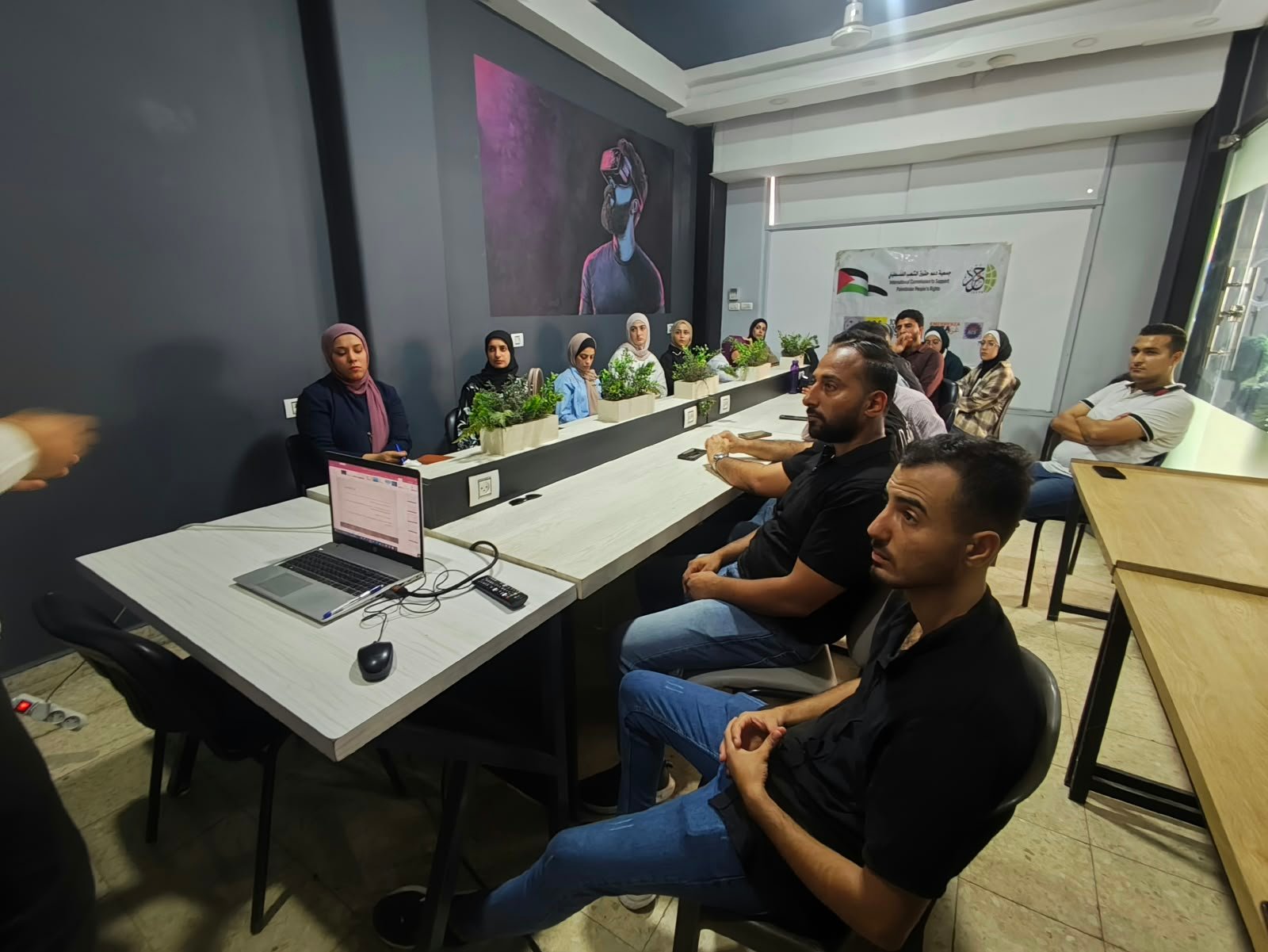
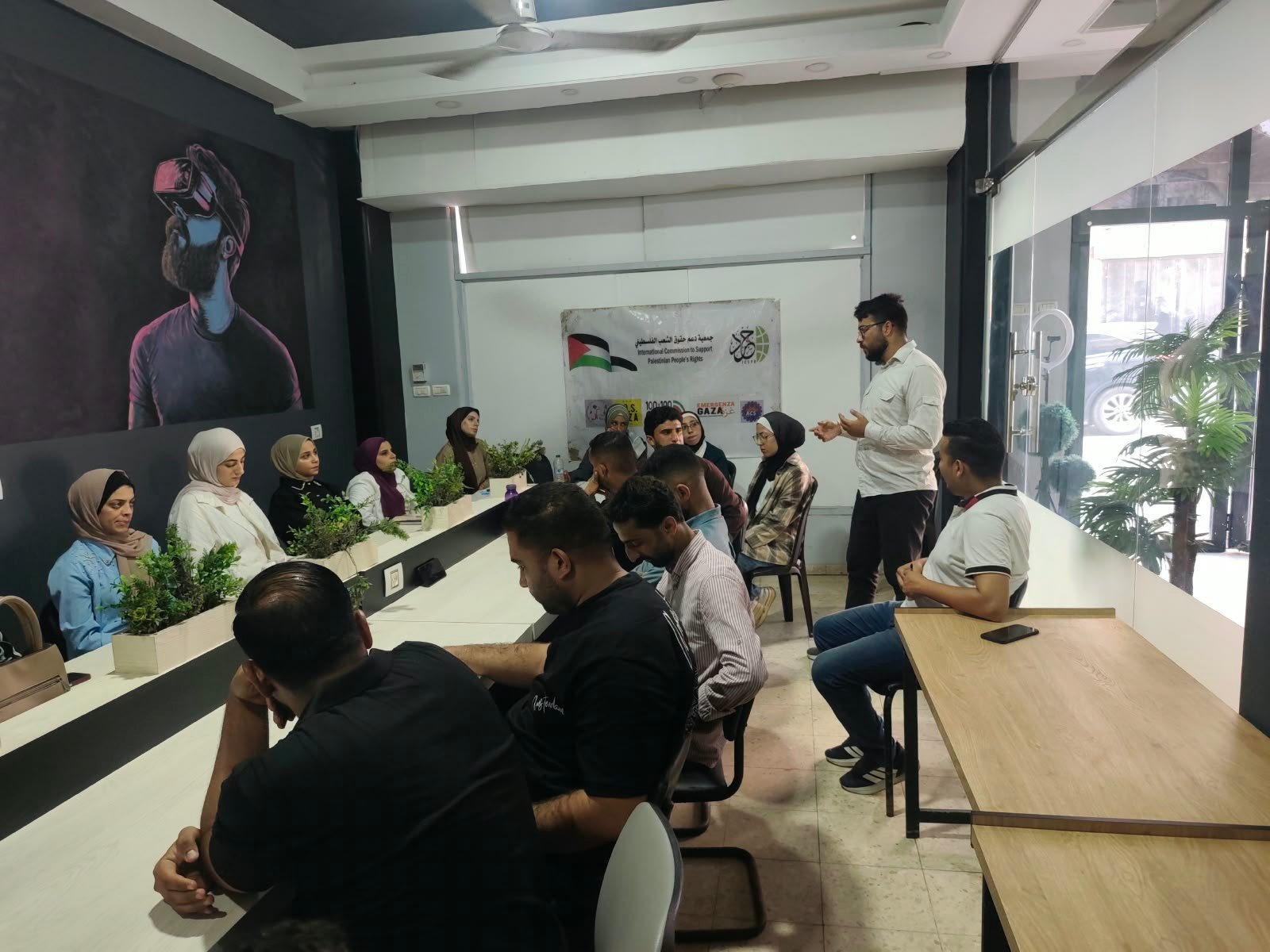
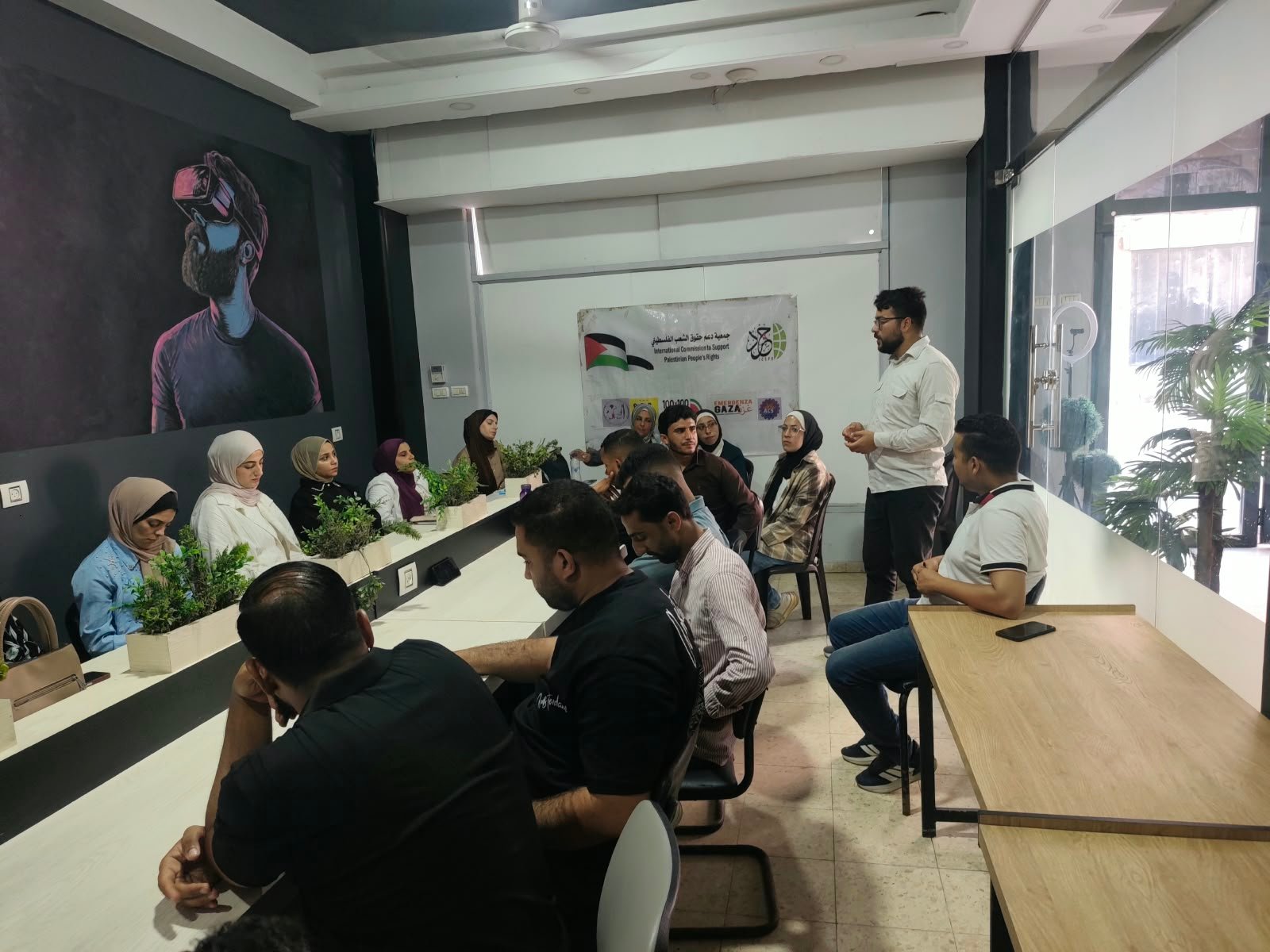
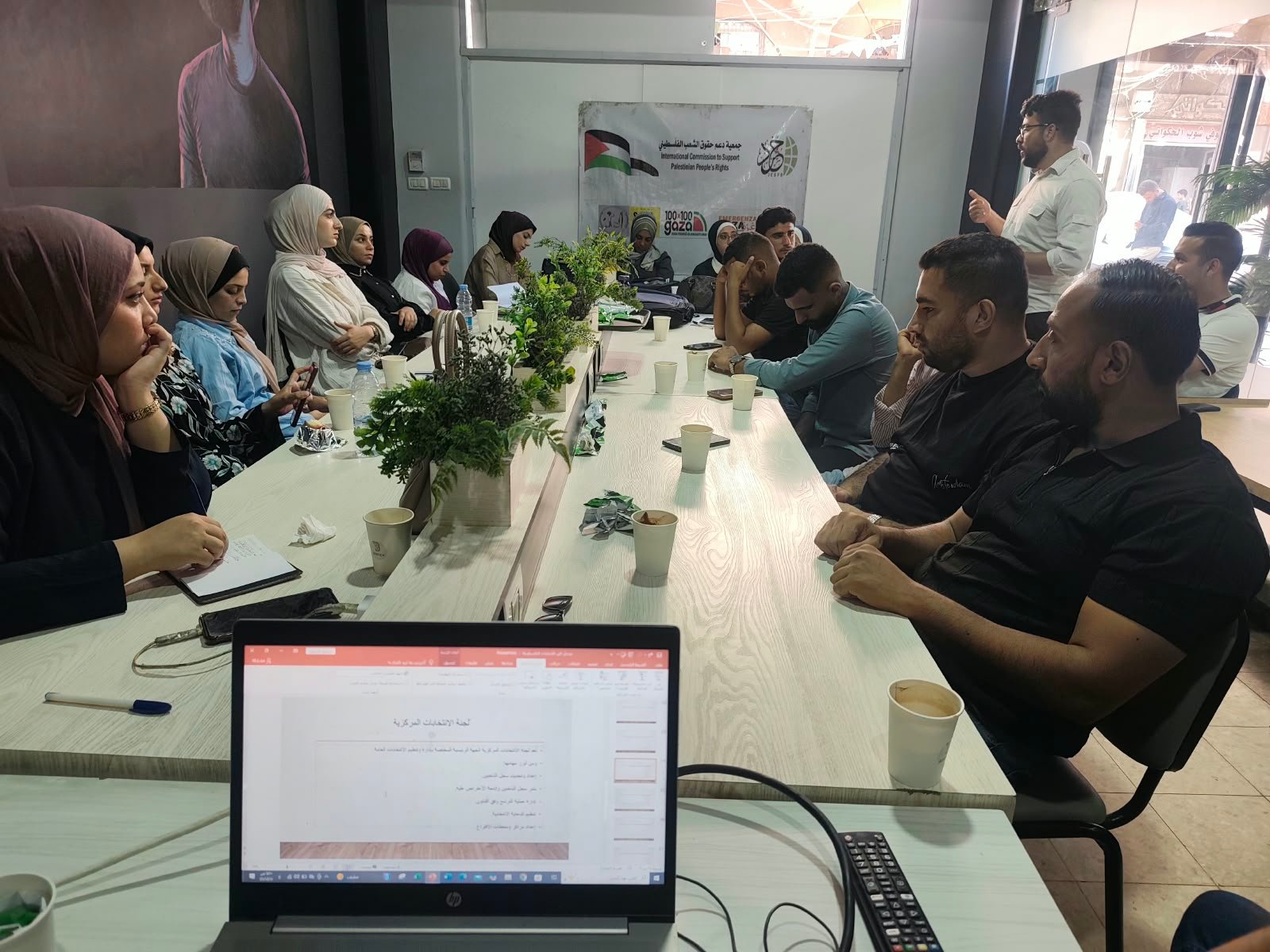
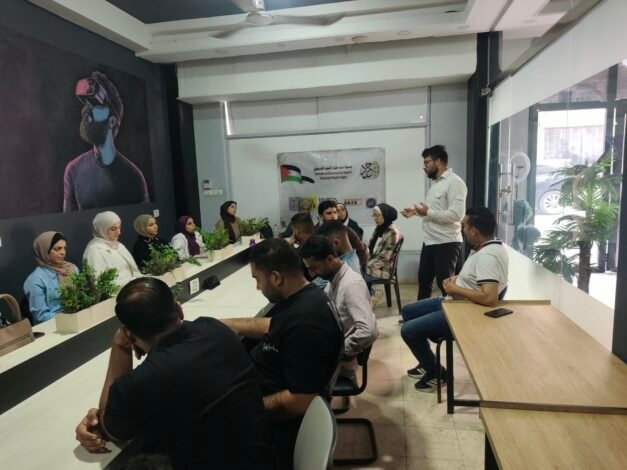
Gaza – The International Commission to Support Palestinian Rights (ICSPR) today opened a specialized training program on election monitoring in Gaza City, with the participation of individuals interested in electoral and community affairs. The training is part of ICSPR’s efforts to promote electoral awareness, build the capacities of civil society workers, human rights defenders, and media professionals, and enable them to play an effective role in monitoring the electoral process, alongside preparations for the anticipated Palestinian electoral processes.
During the opening of the program, Mr. Mohammed Aslim, a lawyer at ICSPR, explained that the training will run for three days and cover a range of specialized topics. The first day focuses on electoral law and the principles of monitoring the electoral process; the second day addresses electoral campaign management and the role of the campaign manager; while the third day is dedicated to training-of-trainers in the field of election monitoring, with the aim of developing a core group of qualified individuals capable of transferring electoral knowledge and skills and expanding their reach.
The first day began with an introduction to ICSPR and its role in promoting human rights and political participation. Participants then discussed the concept and principles of the electoral process, the proportional representation system, the legal framework governing elections, the various stages of the electoral process, and the requirements necessary for conducting general elections that meet standards of integrity, freedom, and transparency.
The training also addressed the key challenges and obstacles facing the conduct of general elections in Palestine, foremost among them the restrictions and interventions imposed by the Israeli occupation that affect the environment necessary for exercising the right to political participation. Participants also examined the impact of political, geographic, and institutional division, as well as the responsibilities these challenges place on civil society, human rights defenders, and media professionals in protecting the democratic process, raising electoral awareness, promoting community participation, and monitoring respect for the rights and freedoms associated with the electoral process.
For his part, Dr. Ali Al-Attar, a lawyer and member of ICSPR’s Board of Directors, explained that election monitoring is generally divided into domestic and international monitoring. He noted that domestic monitoring is carried out by civil society institutions and organizations and national coalitions concerned with election observation, while international monitoring involves the participation of missions and observers from other countries in accordance with established frameworks and standards. Such monitoring aims to provide independent oversight and support national efforts to ensure the integrity of the electoral process.
Al-Attar noted that the importance of election monitoring stems from its role as a civic mechanism for following up on the various stages of the electoral process, assessing compliance with the law and applicable standards, and documenting observations and violations in a professional and objective manner. This contributes to enhancing transparency and accountability, while increasing citizens’ confidence in the electoral process and its outcomes.
He emphasized that election monitoring is not limited to election day, but extends across all stages of the electoral process, beginning with preparations, voter registration, and pre-election procedures, through electoral campaigns and election day, and concluding with vote counting and the announcement of results. Such comprehensive monitoring contributes to ensuring free, fair, and transparent elections, free from violations and abuses that could affect voters’ will, while promoting the peaceful transfer of power and respect for citizens’ choices.
ICSPR affirmed that organizing this training stems from its conviction that protecting the right to political participation cannot be achieved through holding elections alone. Rather, it requires a legal, social, and institutional environment that guarantees the free exercise of this right, provides effective mechanisms for monitoring and accountability, and enables civil society to play its role in safeguarding the integrity of the democratic process.
The Commission stressed that building the capacities of election observers and trainers represents a long-term investment in the Palestinian democratic process, particularly in light of the complexities of the Palestinian context and the challenges posed by political division and occupation policies. These circumstances require strengthening independent civil monitoring, expanding meaningful community participation, and protecting the electoral process from any interference or violations that could undermine voters’ will or erode public confidence in the democratic process.
ICSPR will continue implementing the training program over the next two days, covering electoral campaign management and the role of the campaign manager, in addition to training-of-trainers in election monitoring. The program aims to prepare qualified individuals capable of transferring knowledge, expanding the base of informed community participation, and contributing to professional and independent election monitoring that supports the conduct of free, fair, and transparent Palestinian elections that respect the will of voters.