
ICSPR Launches Second Training Course on Electoral Monitoring for Civil Society and Youth Activists in the Central Governorate

Date: 28 September 2026
Press Release
ICSPR Launches Second Training Course on Electoral Monitoring for Civil Society and Youth Activists in the Central Governorate
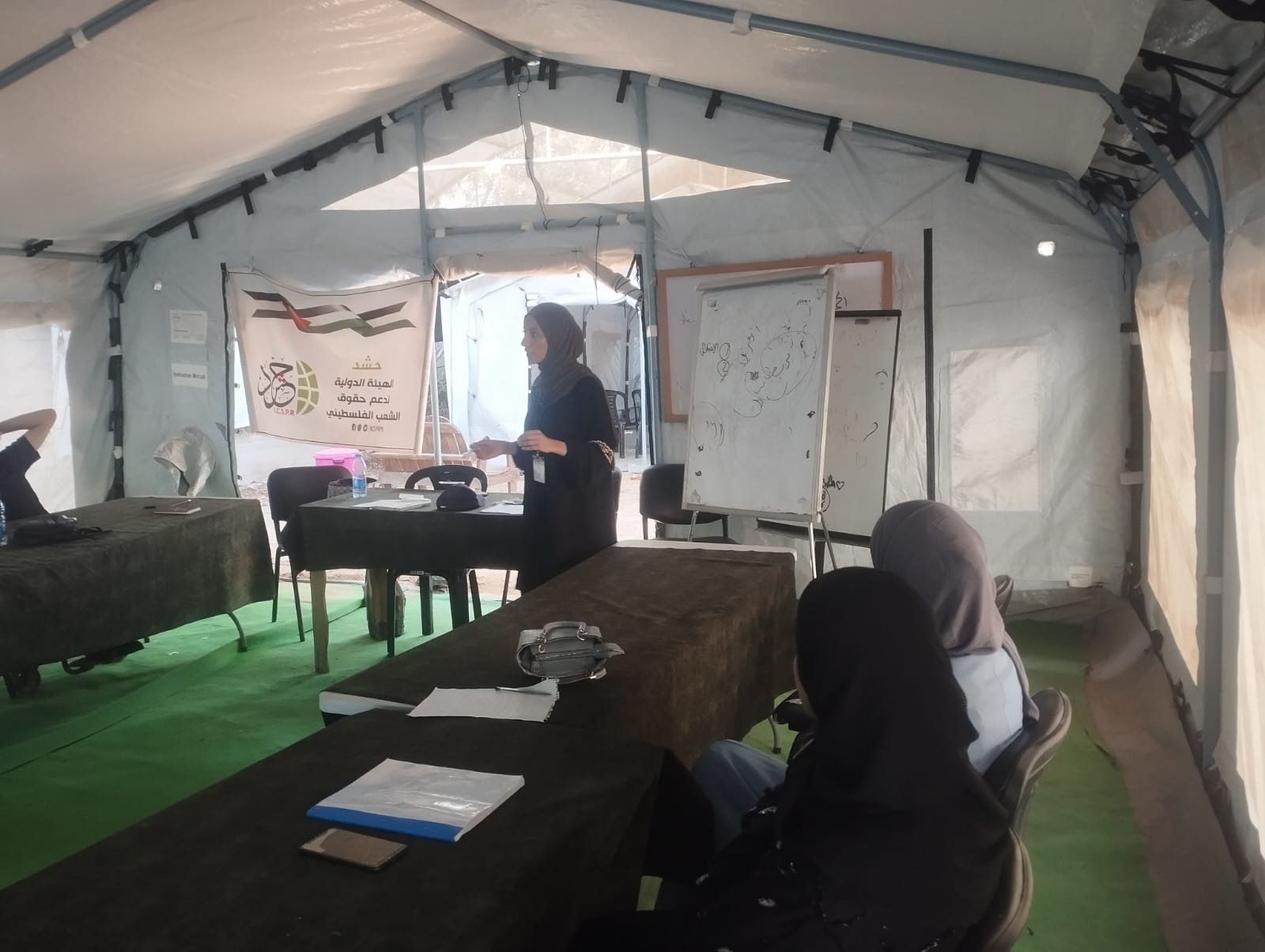
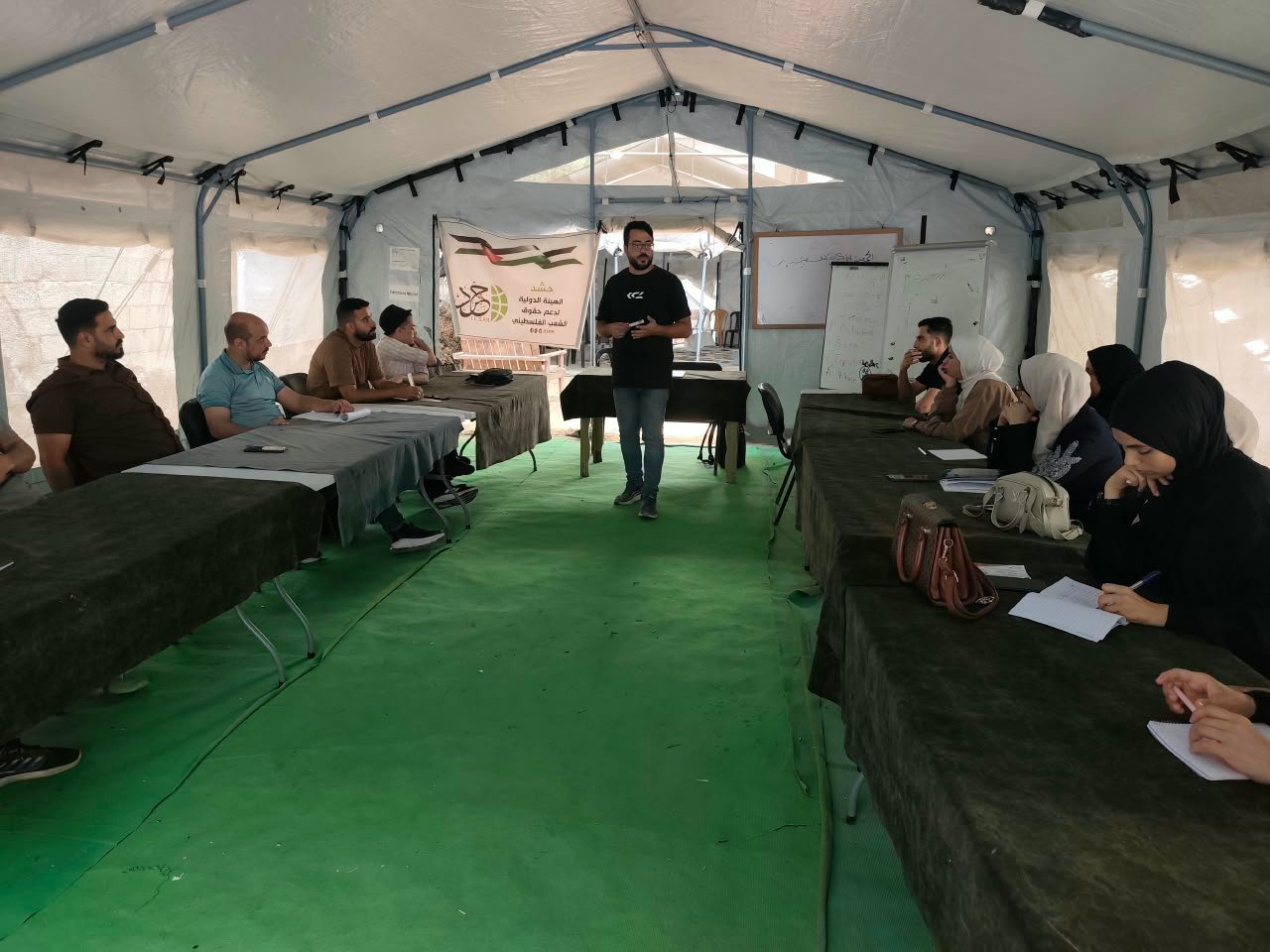
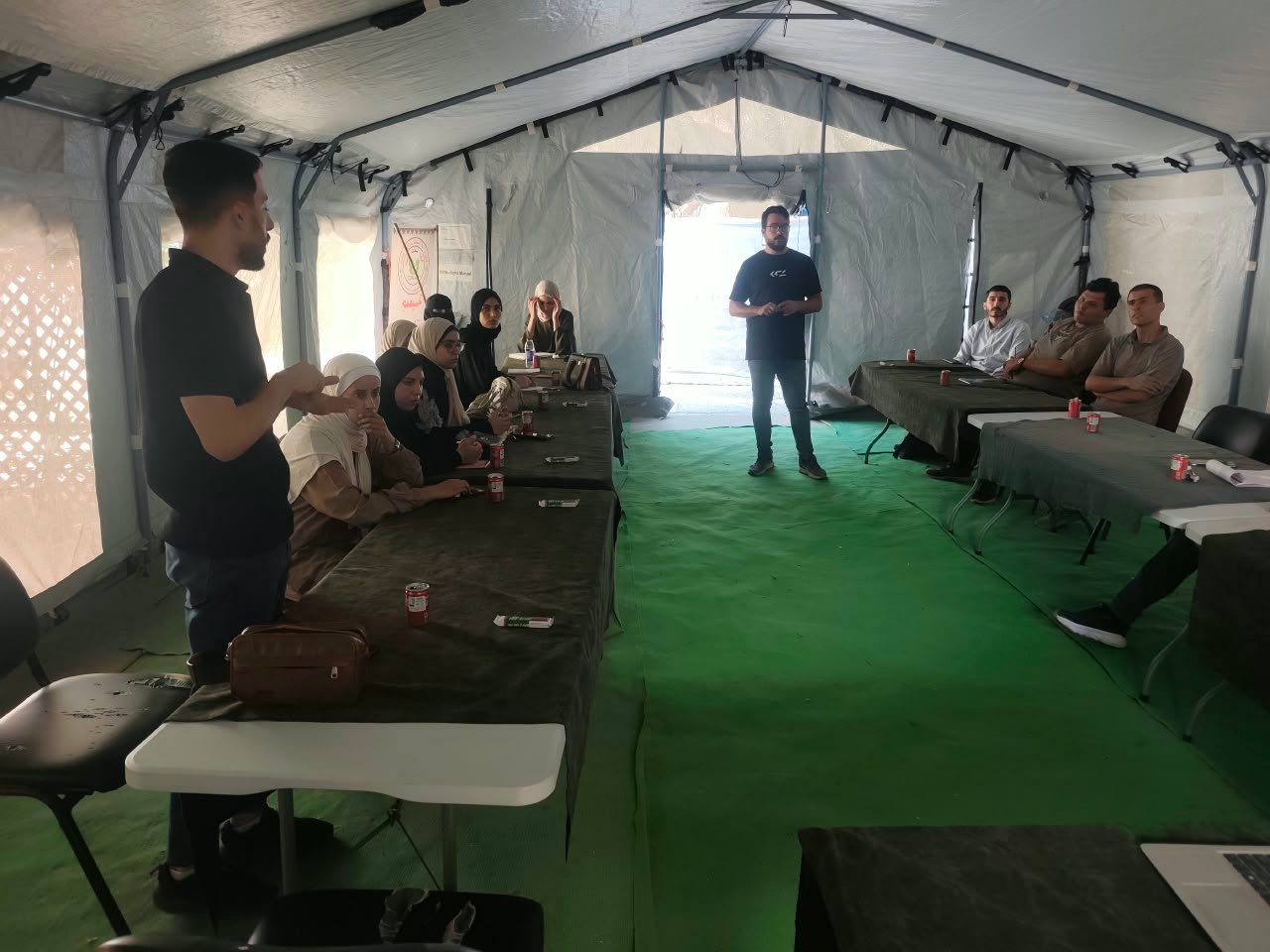
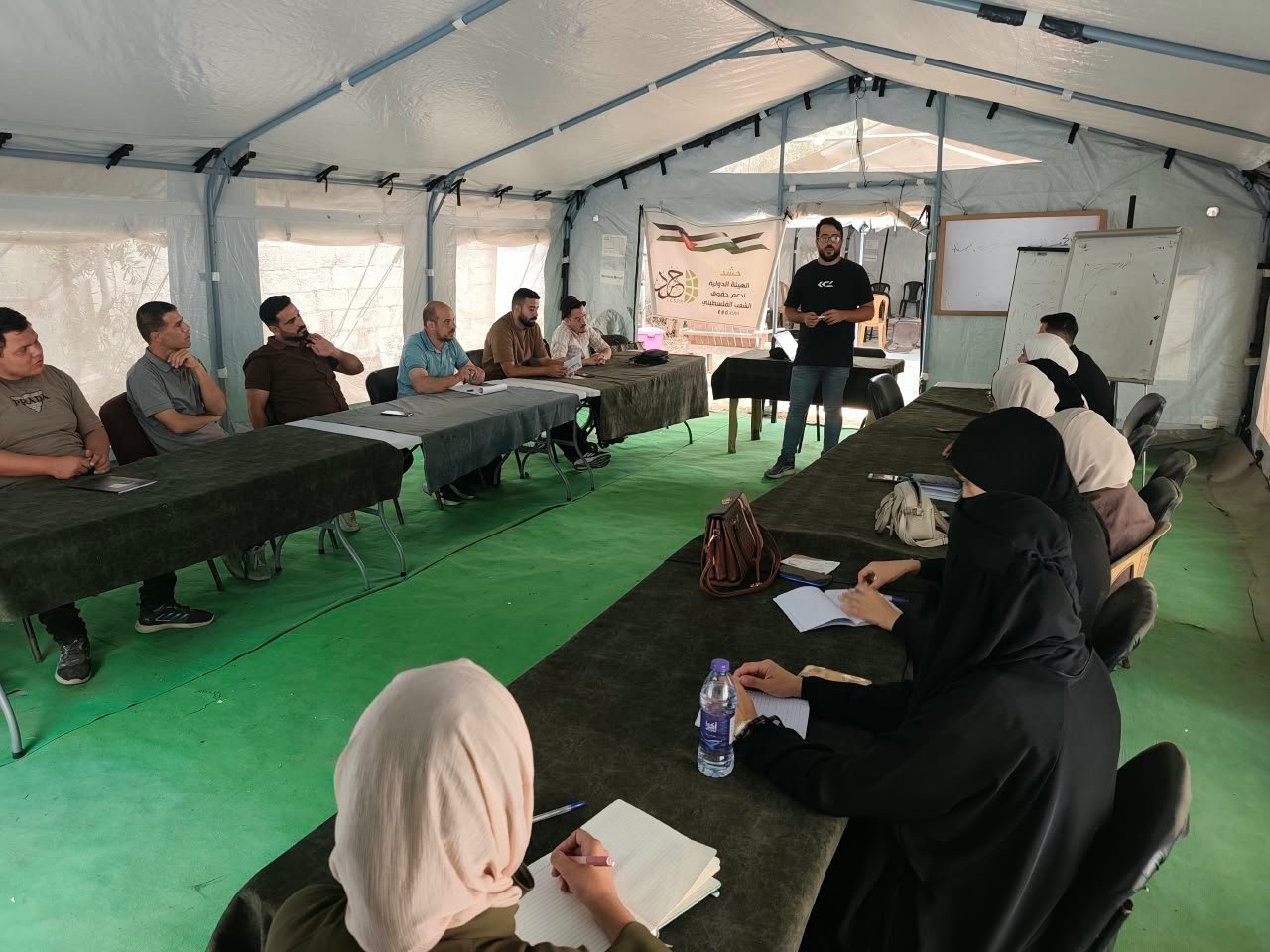
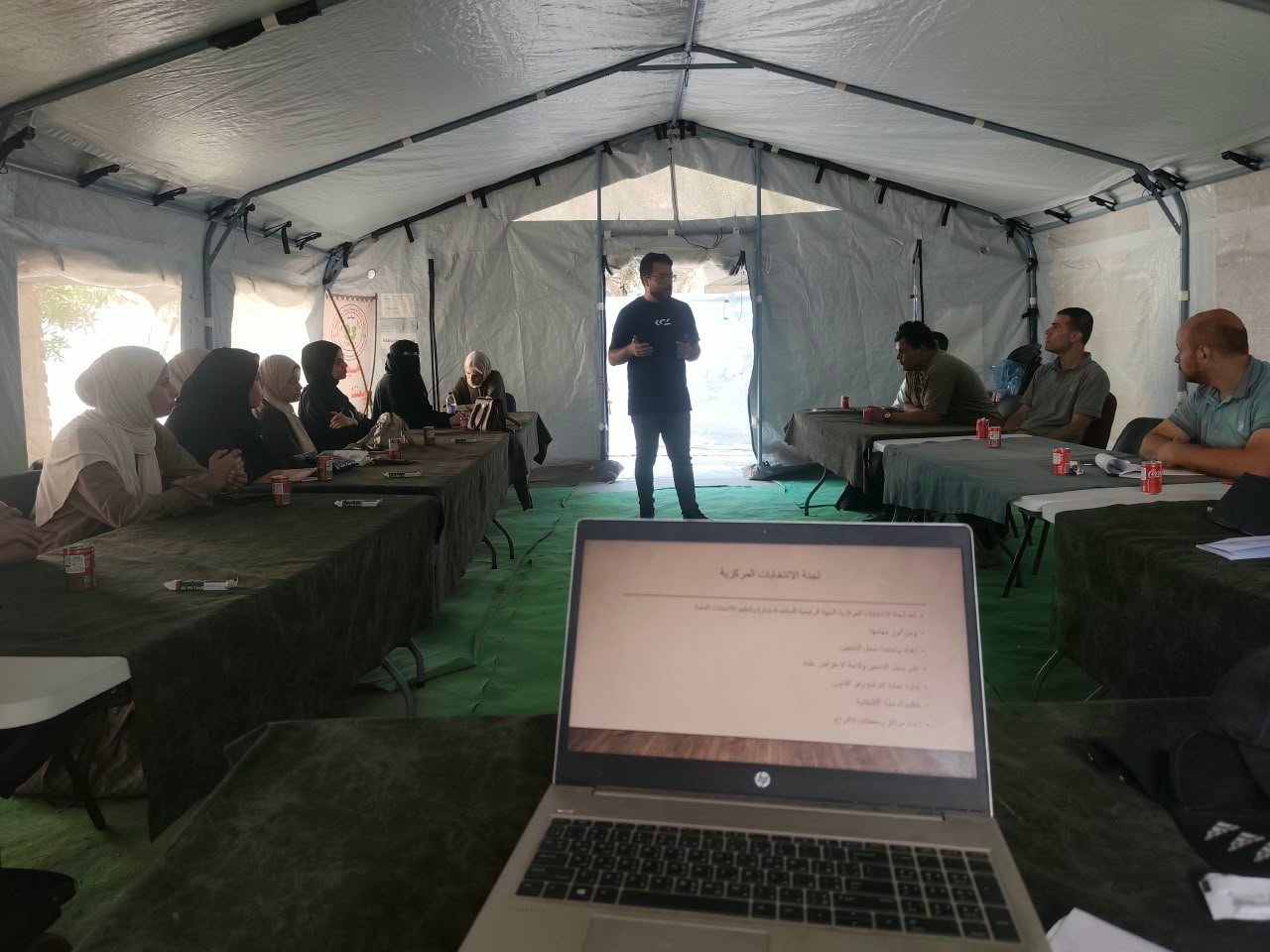
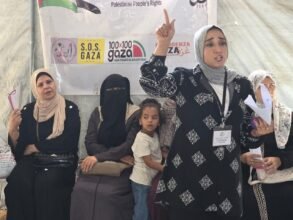
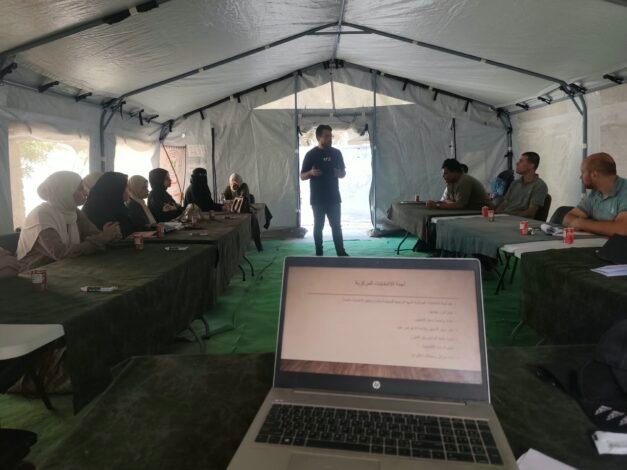
The International Commission to Support Palestinians’ Rights (ICSPR) today launched the second training course aimed at strengthening the capacities of civil society and youth activists in the field of electoral monitoring in the Central Governorate. The course brought together approximately 25 male and female activists representing civil society organisations and youth initiatives.
The opening of the course comes within the framework of ICSPR’s programme to promote civic participation, electoral awareness, and the capacity-building of local observers. The programme seeks to enable civil society organisations and young people to play an effective and independent role in monitoring the electoral process throughout its different stages, and to contribute to safeguarding its integrity, transparency, and respect for citizens’ right to political participation.
The session was opened by Adham Al-Majdalawi, a lawyer at ICSPR, who welcomed the participants and stressed the importance of investing in the capacity-building of youth and civil society activists in electoral monitoring. He described civic monitoring as one of the key tools for strengthening public confidence in electoral processes and assessing the extent to which all parties comply with the legal rules and standards governing them.
Al-Majdalawi noted that electoral monitoring is not limited to election day. It encompasses all stages of the electoral process, beginning with the legal environment and preliminary procedures, followed by voter registration, candidacy, and electoral campaigns, and extending to voting, counting, and the announcement of results. It also includes the observation, documentation, and follow-up of any concerns or violations that may arise throughout these stages.
The first day of the training included a specialised session entitled “Introduction to Palestinian Elections,” delivered by Dr Ali Al-Attar, a member of ICSPR’s Board of Directors. The session addressed the fundamental concepts of the electoral process, the general framework of Palestinian elections, the concept, objectives, and forms of electoral monitoring, and the relevant legal and human rights principles and standards governing democratic elections.
The training also focused on the role of observers and their working methods, as well as the importance of maintaining neutrality, objectivity, and accuracy in monitoring and documentation. It stressed the need to distinguish between electoral observation and intervention in the electoral process, in a manner that preserves the independence of observers and the professionalism of civil society monitoring organisations.
The course seeks to provide participants with the knowledge and practical skills needed to monitor electoral processes professionally and systematically, document observations and violations, prepare monitoring reports, and apply relevant legal and human rights standards. This is intended to strengthen civil society’s capacity to contribute to protecting the right to political participation.
The training forms part of a series of activities and programmes implemented by ICSPR in preparation for accompanying Palestinian electoral processes and strengthening civil society engagement in observation and follow-up. These efforts aim to ensure that elections are conducted as a public, transparent, and participatory process, while enhancing citizens’ confidence in their institutions and mechanisms of political representation.
ICSPR affirmed that elections are an inherent right of the Palestinian people and a national entitlement. It stressed that protecting this right is not fulfilled merely by holding a vote, but requires the provision of a fair, transparent, and competitive electoral environment; guaranteeing citizens’ right to participate without exclusion or discrimination; and enabling civil society organisations to exercise independent and professional monitoring throughout all stages of the electoral process.
The Commission further stressed the importance of continued investment in young people and civil society activists as key partners in safeguarding the democratic process. It affirmed its commitment to continuing specialised training and awareness programmes aimed at building a generation of young people, activists, and observers capable of carrying out their roles in accordance with the law and human rights standards in electoral monitoring, promoting civil peace and democracy, and contributing to transparency, integrity, accountability, and political participation.