
ICSPR Implements an Awareness Session on Humanitarian Aid Governance at Al-Hoor Camp in the Gaza Strip
 wasem aa
Send an email
wasem aa
Send an email
September 24, 2026
Press Release
ICSPR Implements an Awareness Session on Humanitarian Aid Governance at Al-Hoor Camp in the Gaza Strip
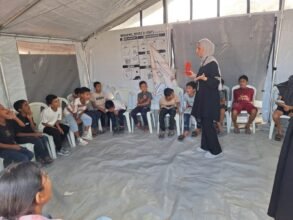
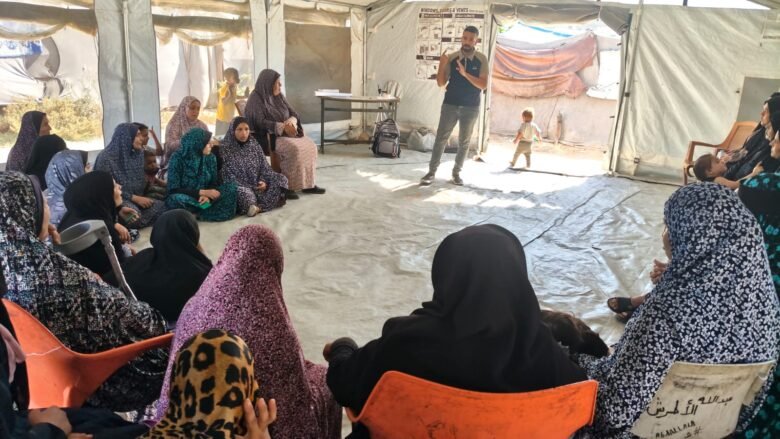
The International Commission to Support Palestinian Rights (ICSPR) implemented an awareness session entitled “Humanitarian Aid Governance” at Al-Hoor Camp in the Gaza Strip. The session aimed to strengthen community awareness of the principles of transparency, accountability, and fairness in the management and distribution of humanitarian assistance, and to support the right of displaced and affected people to access information, participate in identifying their needs, and monitor humanitarian responses.
The session was conducted amid the continuing severe humanitarian conditions facing people in the Gaza Strip and the growing need to ensure that aid and services reach the most vulnerable groups through clear and equitable criteria. It emphasized the importance of preserving the dignity and rights of beneficiaries and strengthening trust between communities and humanitarian actors.
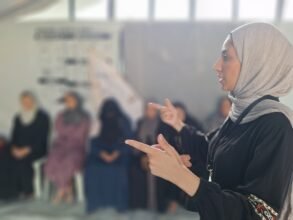
The session was facilitated by Mr. Mohammed Samih Al-Karnaz through an interactive approach based on open dialogue and direct participation. This enabled participants to share their experiences, observations, and proposals concerning humanitarian assistance, the difficulties they face in accessing it, and ways to improve distribution mechanisms, communication, and complaints procedures.
The discussion focused on introducing participants to the concept and importance of humanitarian aid governance as a framework for ensuring that assistance is managed and delivered fairly, responsibly, and transparently, while taking into account the needs and rights of affected people. It addressed the core principles of aid governance, including transparency in sharing information, accountability to affected communities, fairness and non-discrimination in access to services, and community participation in identifying needs, setting priorities, and monitoring humanitarian responses.
These issues are consistent with humanitarian standards that affirm the right of crisis-affected communities to know their rights and entitlements, access clear information, and participate in decisions that affect their lives. They also affirm the right of affected people to use safe and effective complaints mechanisms that address feedback responsibly.
Participants discussed the criteria and mechanisms for aid distribution and the importance of adopting clear and publicly communicated criteria for identifying beneficiaries, while prioritizing the most vulnerable and affected families. The session also emphasized the need to regularly update beneficiary data and lists in line with changing needs and the living and humanitarian conditions of displaced people and affected families.
The session addressed the importance of transparency in information related to assistance, including clear communication about available services, eligibility conditions, the entities responsible for providing assistance, and distribution schedules and procedures. Participants emphasized that accurate and reliable information helps reduce rumors and misunderstandings, while strengthening the community’s ability to monitor services and claim its right to equitable access.
The discussion also addressed the need to safeguard the dignity and privacy of beneficiaries throughout all stages of aid delivery and to prevent discriminatory or degrading practices. It emphasized that registration, targeting, and distribution procedures must take into account the circumstances of women, children, older persons, persons with disabilities, patients, and other groups at heightened risk.
Under the complaints and feedback component, the session affirmed the right of beneficiaries to submit feedback, inquiries, and complaints concerning aid and services. It stressed the need to provide clear, safe, and accessible channels that guarantee privacy, protection, and effective response. Participants also discussed the importance of following up on complaints and informing complainants of measures taken, within the limits of confidentiality and respect for individual dignity.
The discussion affirmed that community participation is not merely a procedural requirement, but an essential component for improving the quality of humanitarian response and ensuring that it corresponds to people’s actual needs. Involving displaced people and local communities in identifying priorities, monitoring challenges, and proposing solutions contributes to a more fair and effective response and strengthens community oversight and accountability to crisis-affected people.
The session concluded with several recommendations, including the dissemination of clear and accessible information about assistance and eligibility criteria; regular updating of beneficiary information and lists based on changing needs; the provision of safe and accessible feedback and complaints channels; community participation in identifying needs and priorities; and consideration of the circumstances of the most vulnerable groups in the design and implementation of aid programs.
Participants also stressed the importance of continuous communication between displaced people and humanitarian actors and the development of mechanisms to ensure that official information reaches all groups. Such mechanisms can reduce confusion, build trust, and ensure that humanitarian assistance is grounded in dignity, rights, and fairness.
It is worth noting that the session was implemented with the support of the International Commission to Support Palestinian Rights (ICSPR) and in partnership with The Shaikh Group (TSG), as part of ongoing efforts to promote humanitarian aid governance and strengthen transparency, accountability, and fairness in responding to the needs of people in the Gaza Strip.