
ICSPR Graduates 100 Participants from Its Diploma Programme for Young Civil Society Activists, Who Produced 87 Research Papers and Reports and Carried Out Dozens of Initiatives and Activities

Date: 17 October 2026
Press Release
ICSPR Graduates 100 Participants from Its Diploma Programme for Young Civil Society Activists, Who Produced 87 Research Papers and Reports and Carried Out Dozens of Initiatives and Activities
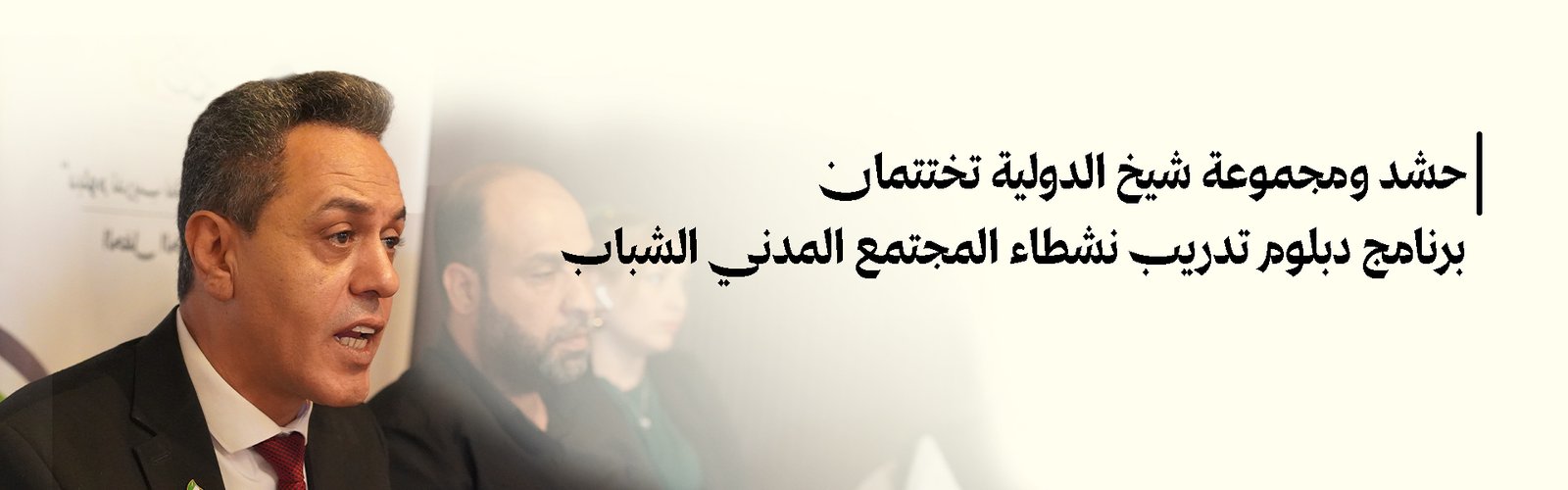
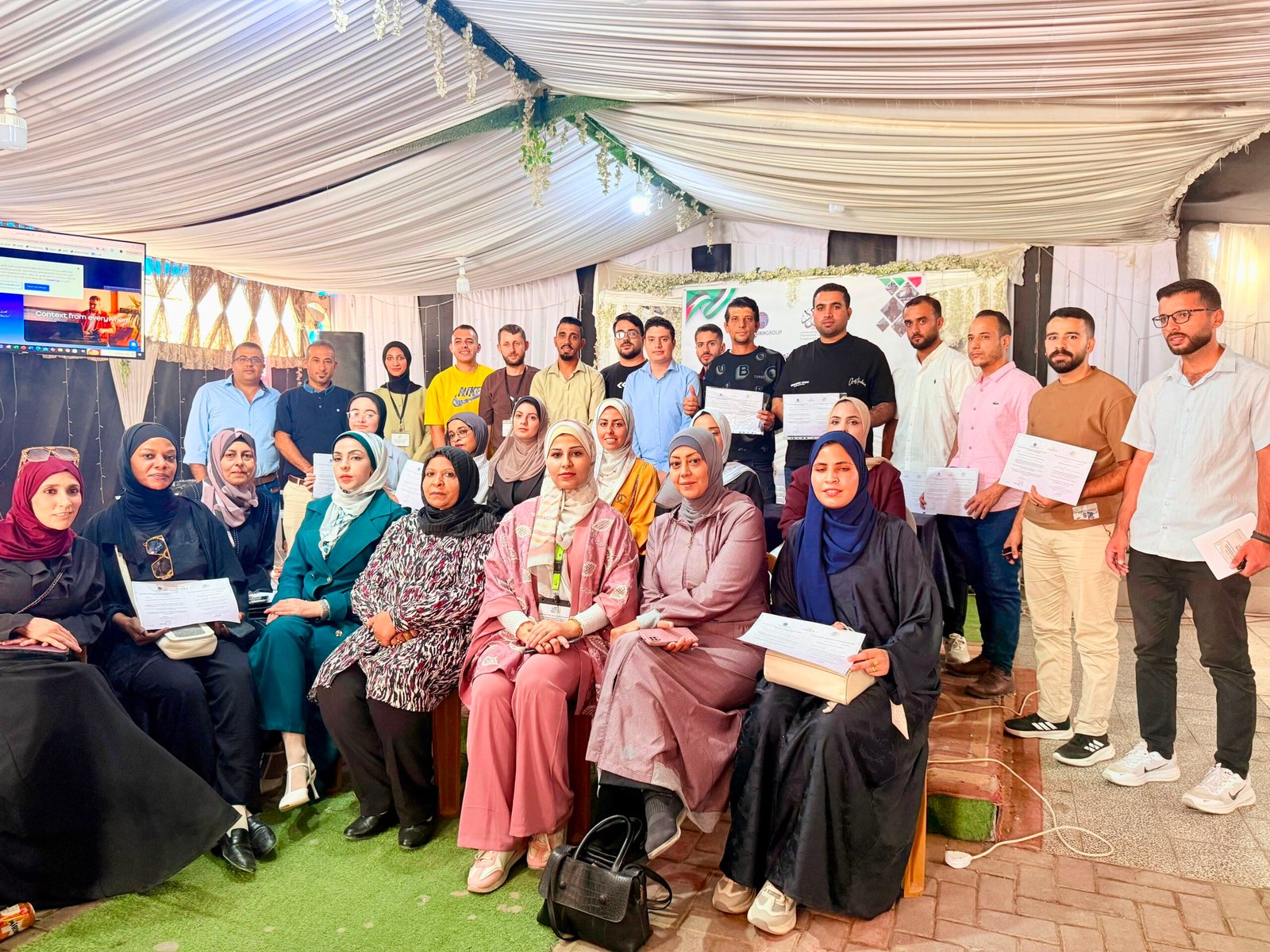
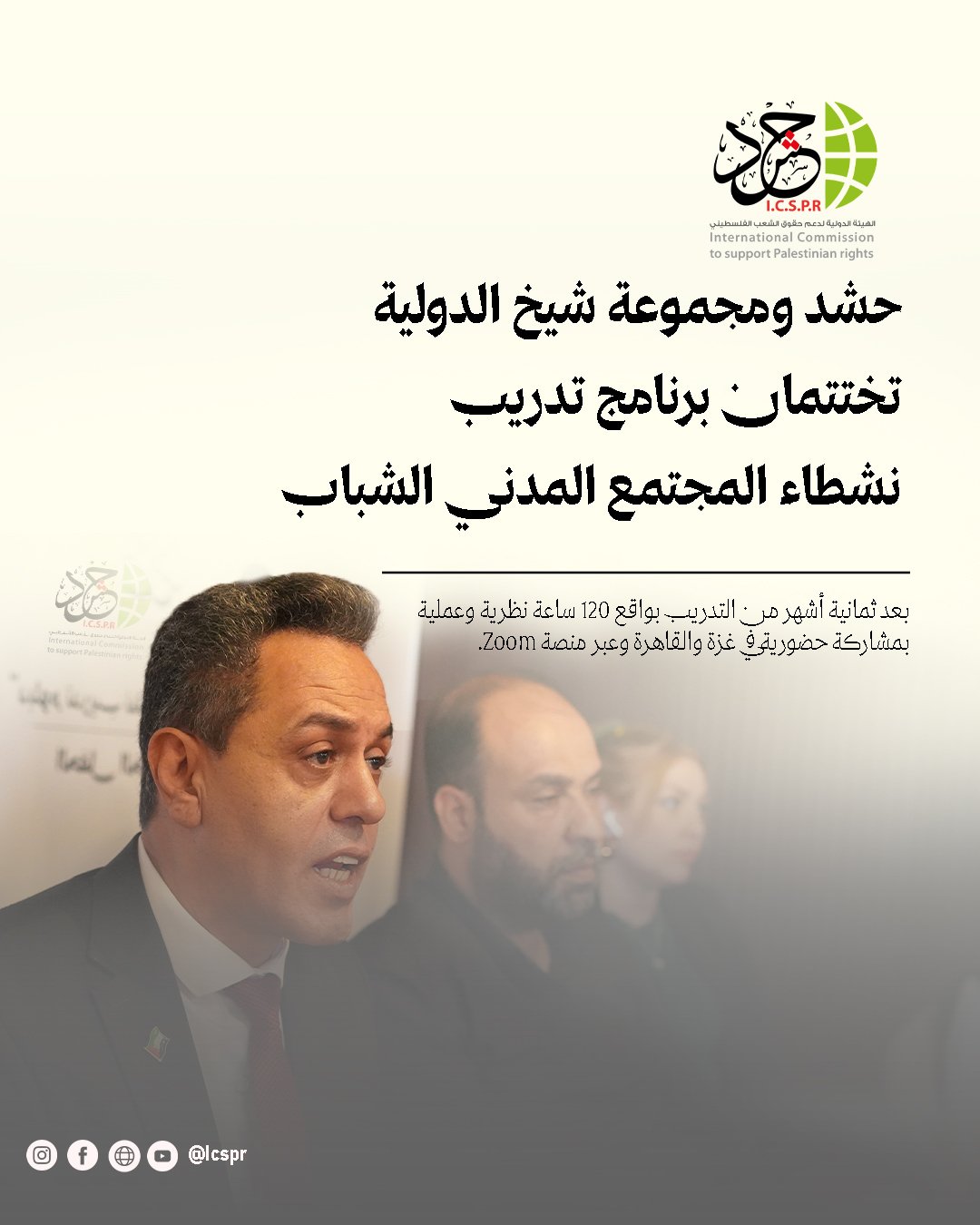
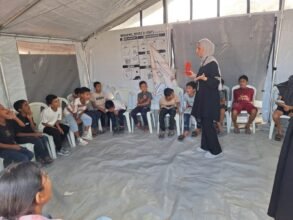
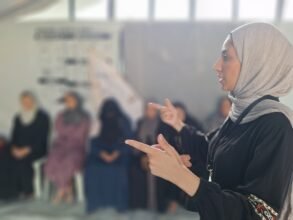
In a scene embodying Palestinian youth’s determination to transform pain into knowledge and challenges into opportunities for action and change, the International Commission to Support Palestinian Rights (ICSPR), in partnership with The Shaikh Group, organised a graduation ceremony for approximately 100 participants in its Diploma Programme for Young Civil Society Activists. The ceremony followed an eight-month training journey comprising 120 training hours, culminating in the production of 87 research papers and reports and the implementation of dozens of community initiatives and activities. The programme continued despite war, displacement, electricity and internet outages, and difficulties in movement and communication.
The programme’s outputs included the implementation of 10 community initiatives, the organisation of 30 awareness-raising and dialogue workshops and meetings, and five dialogues with officials and decision-makers, alongside the preparation of fact sheets, policy papers, and reports addressing human rights, national, and community issues. Research outputs were published on Palestinian and Arab websites and reached more than 80,000 addresses worldwide, expanding the circulation of Palestinian human rights knowledge and strengthening its visibility.
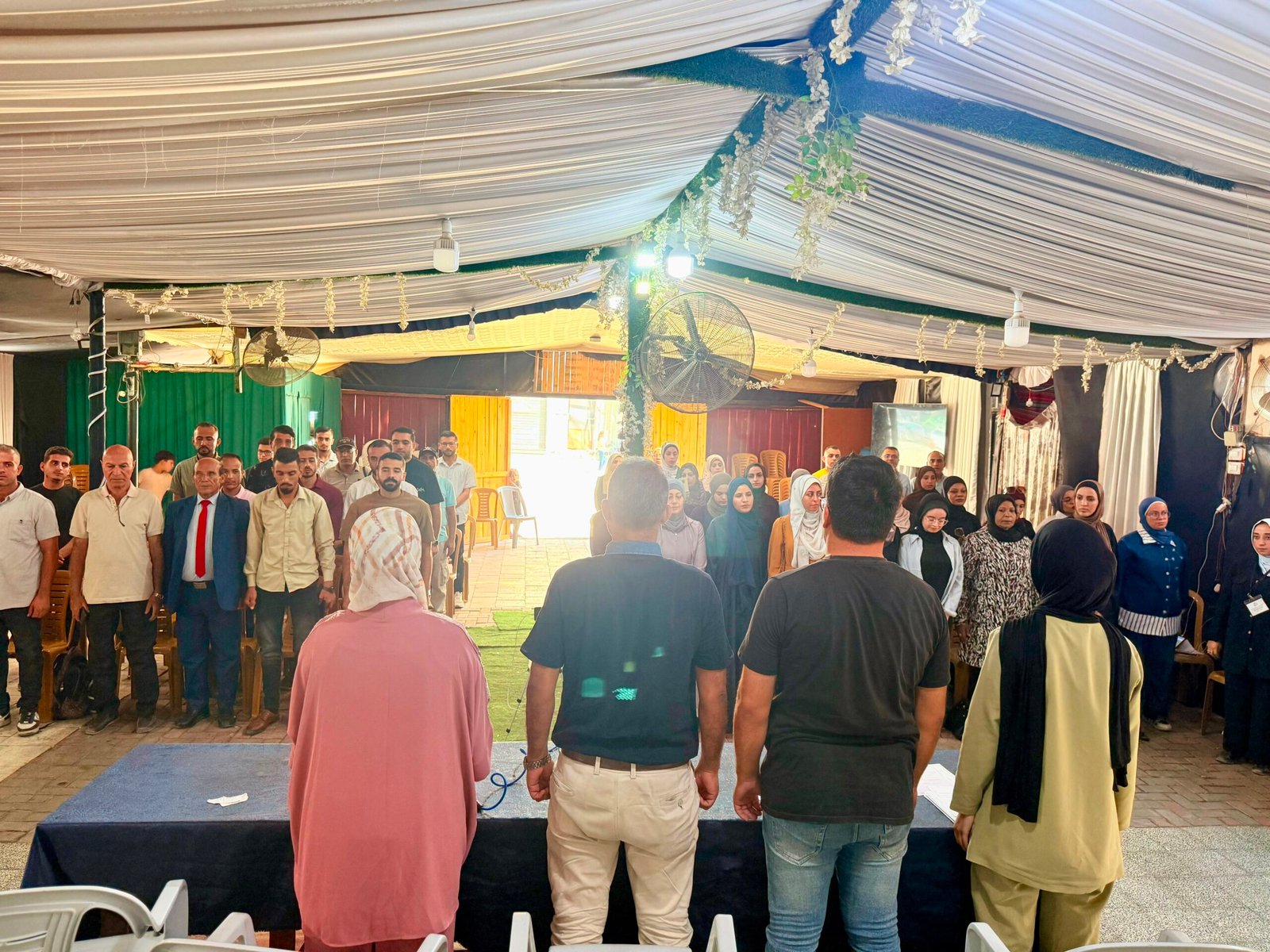
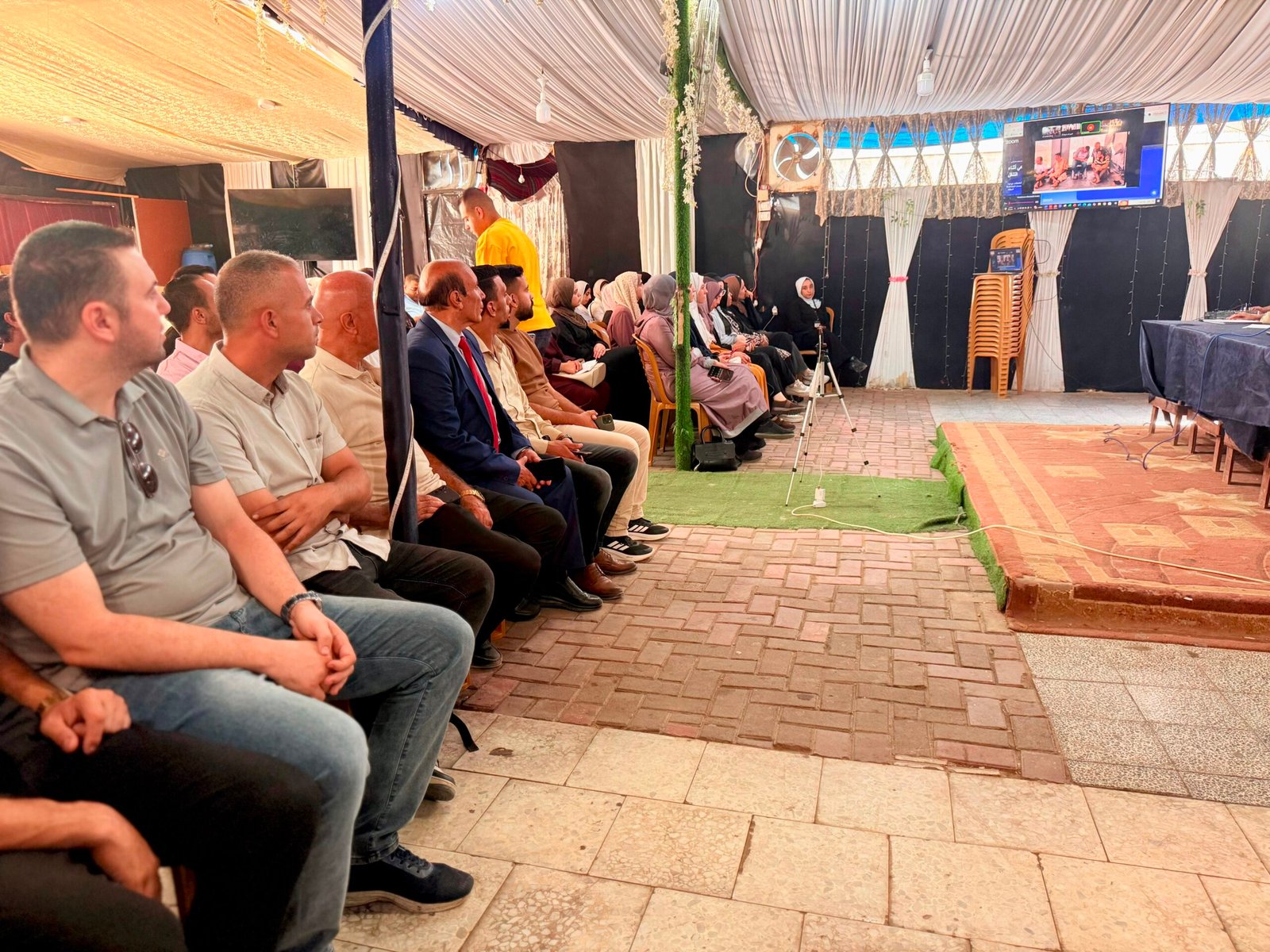
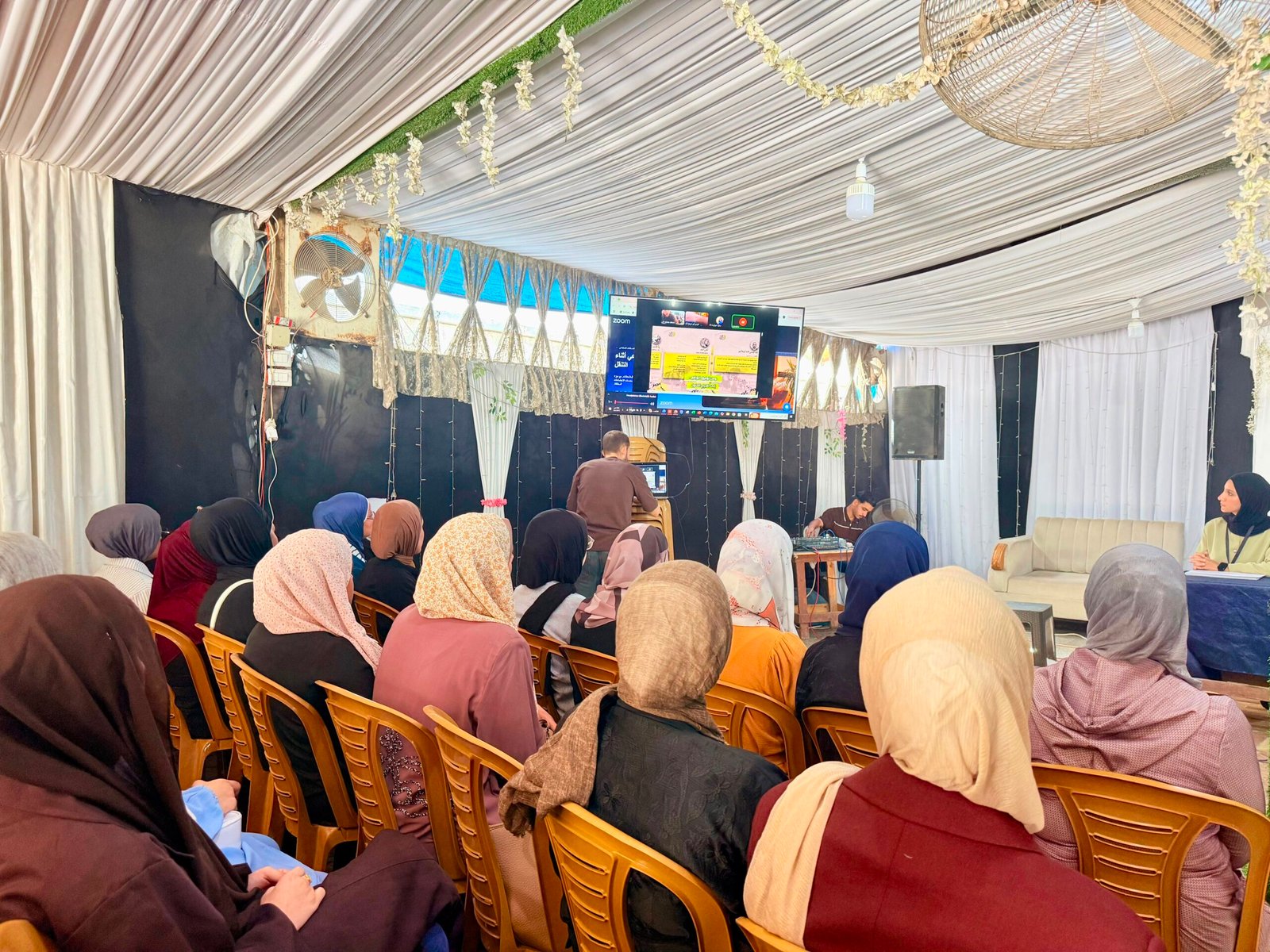
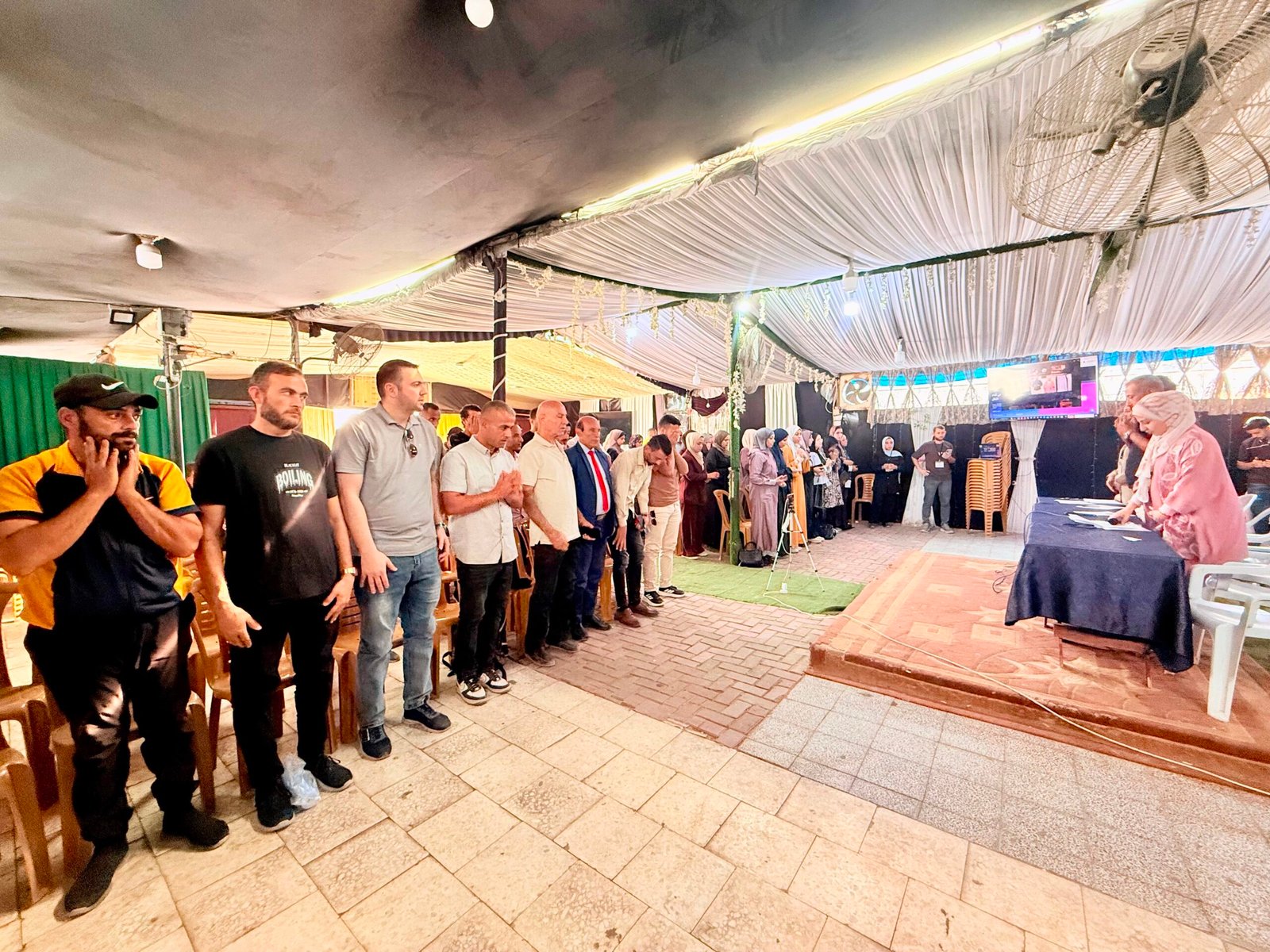
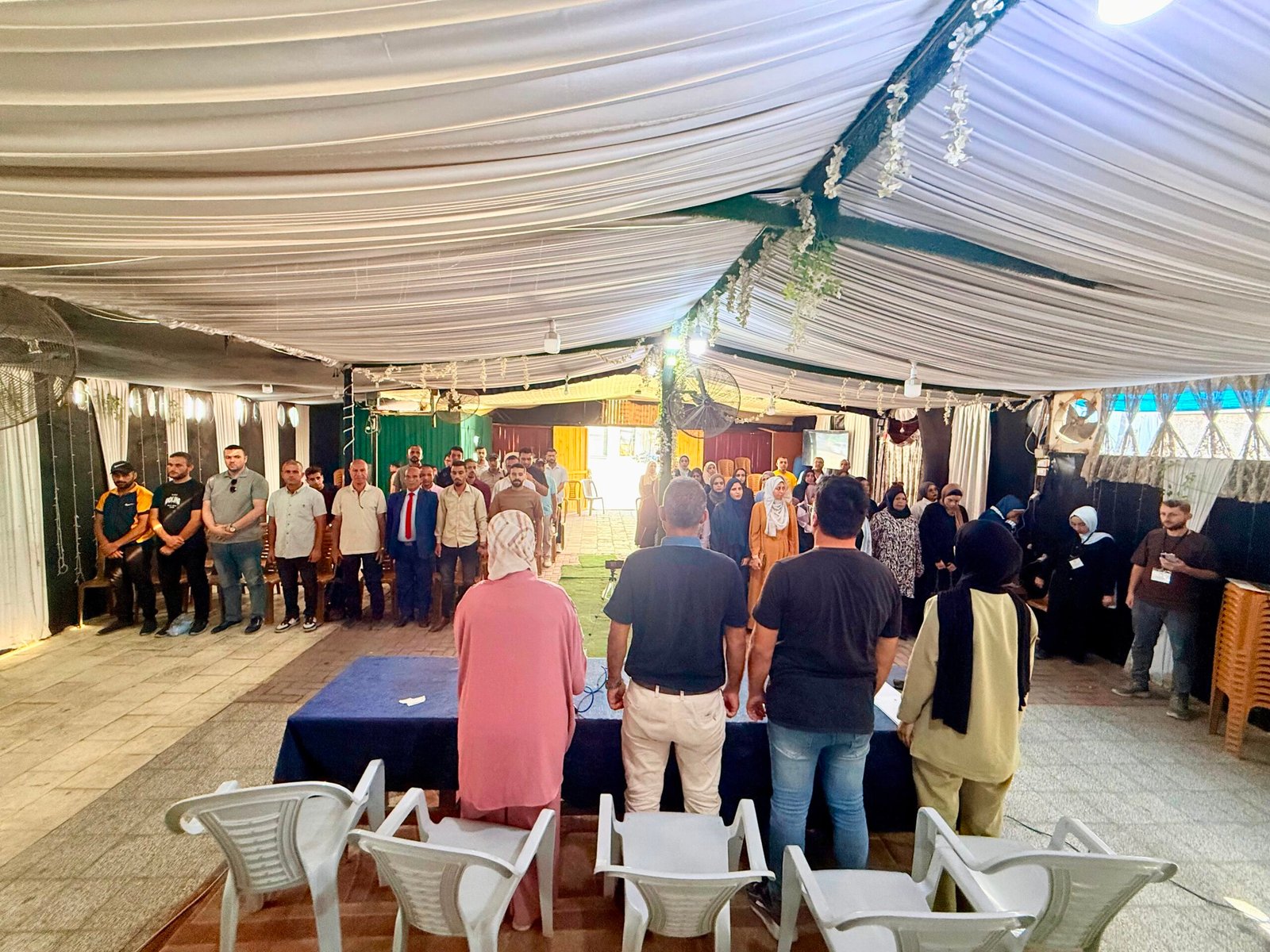
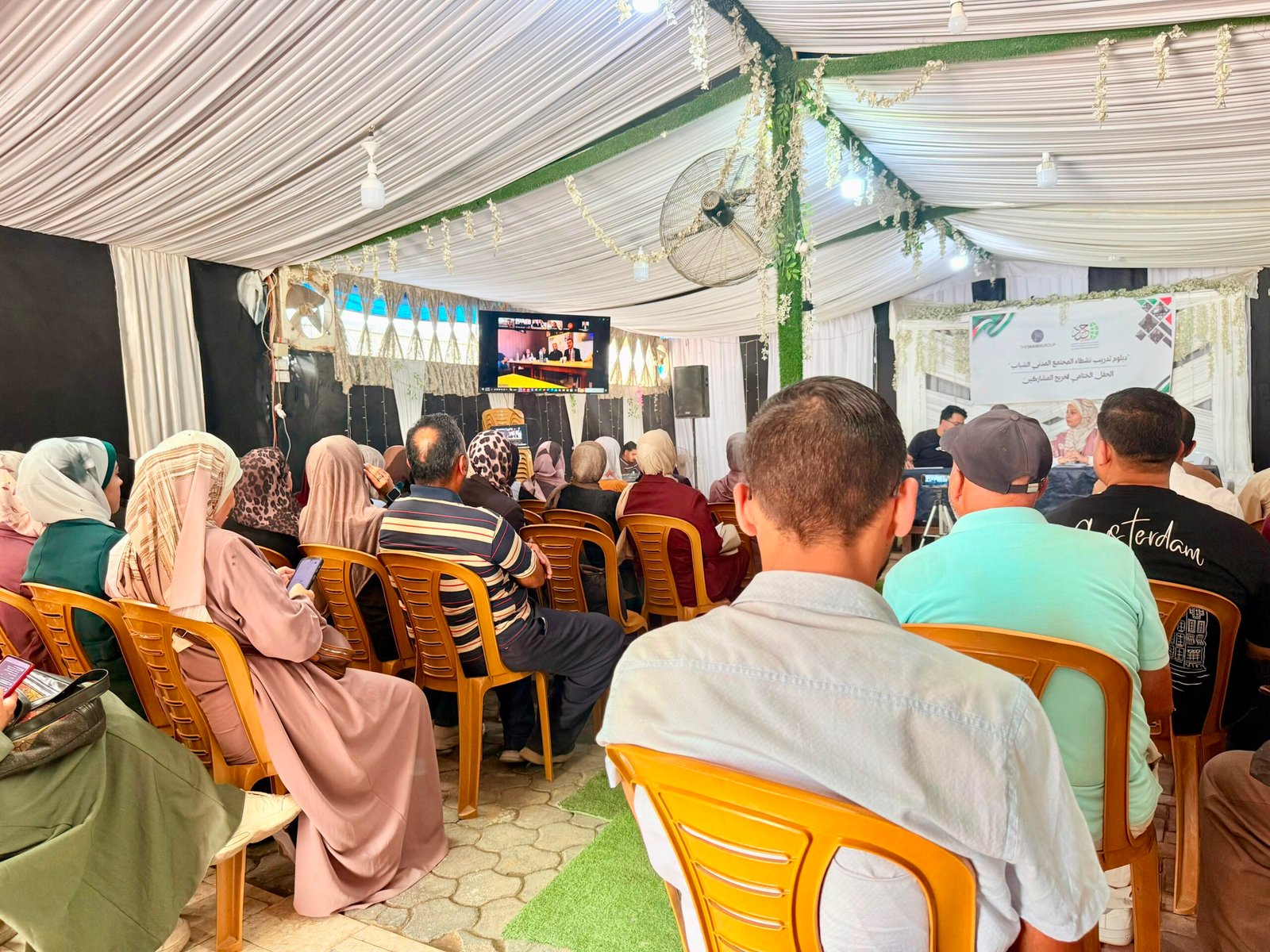
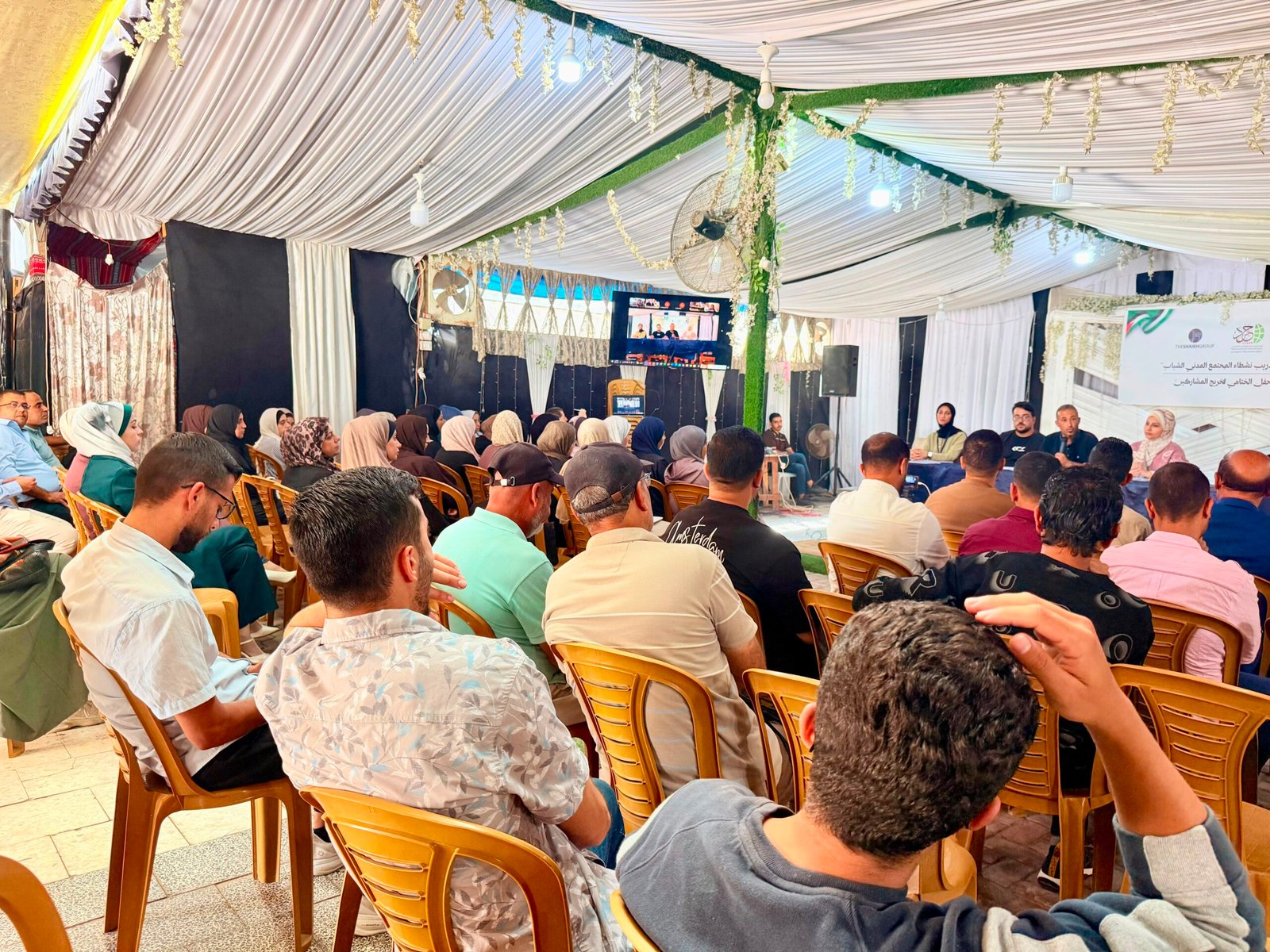
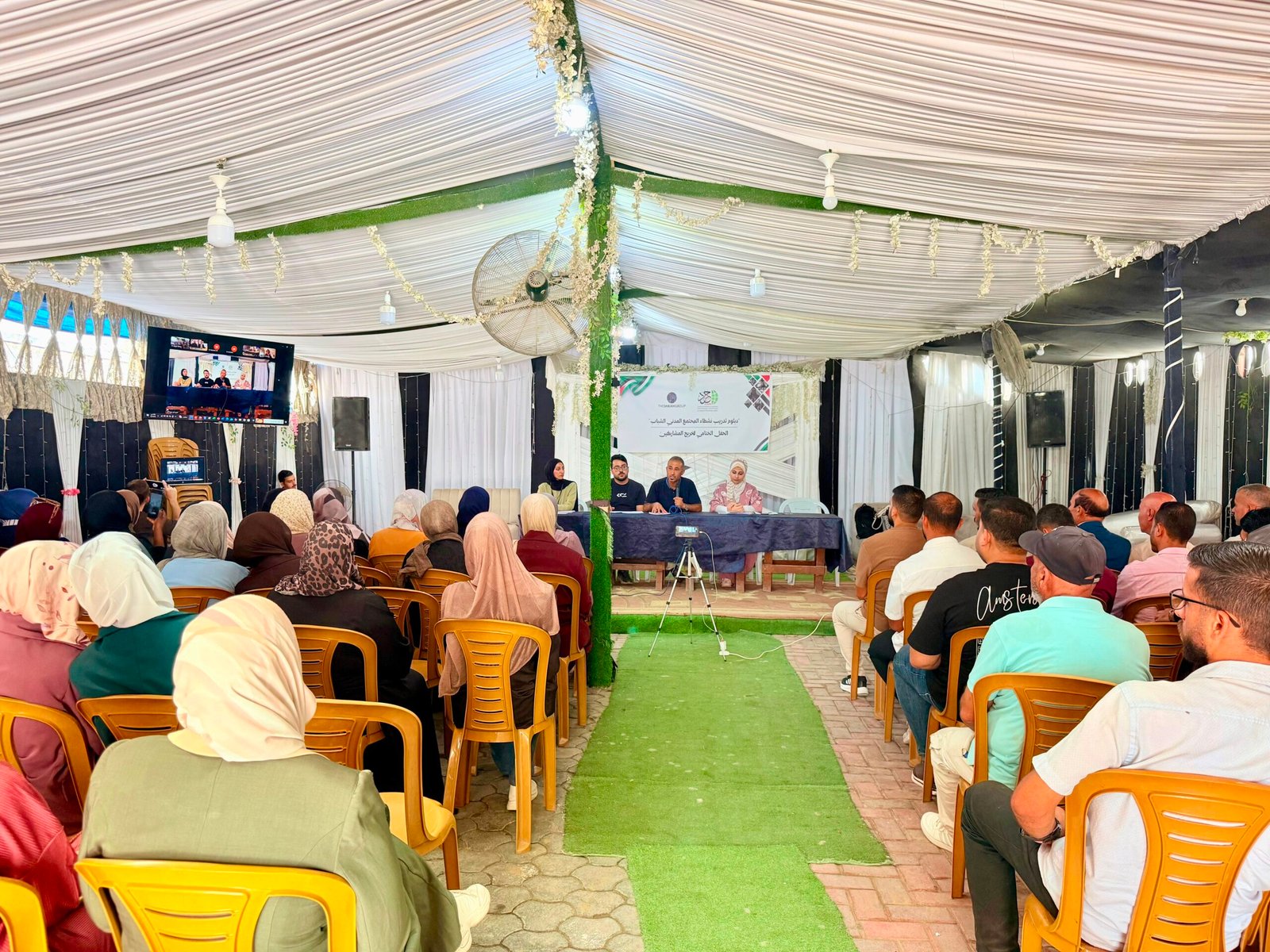
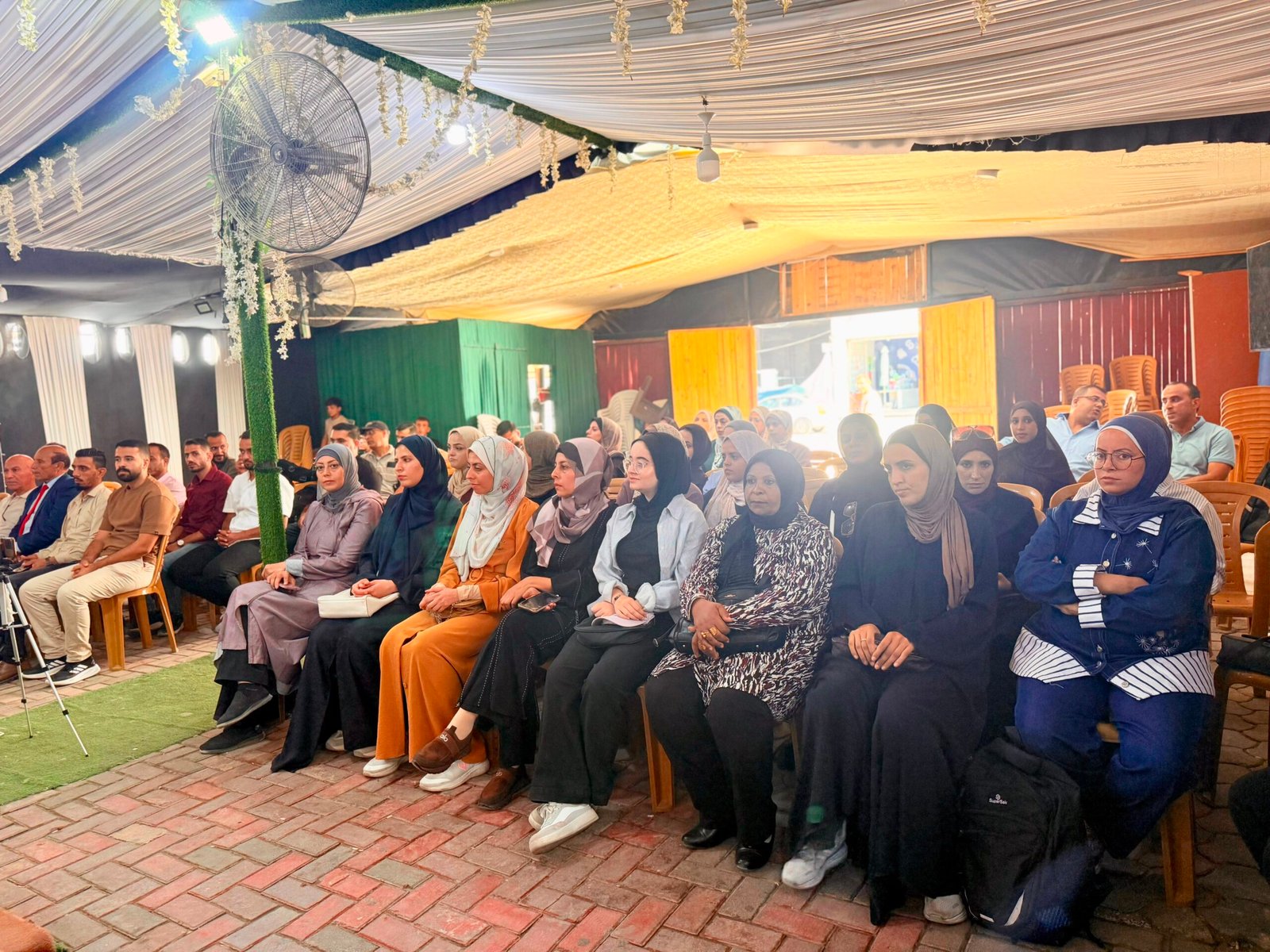
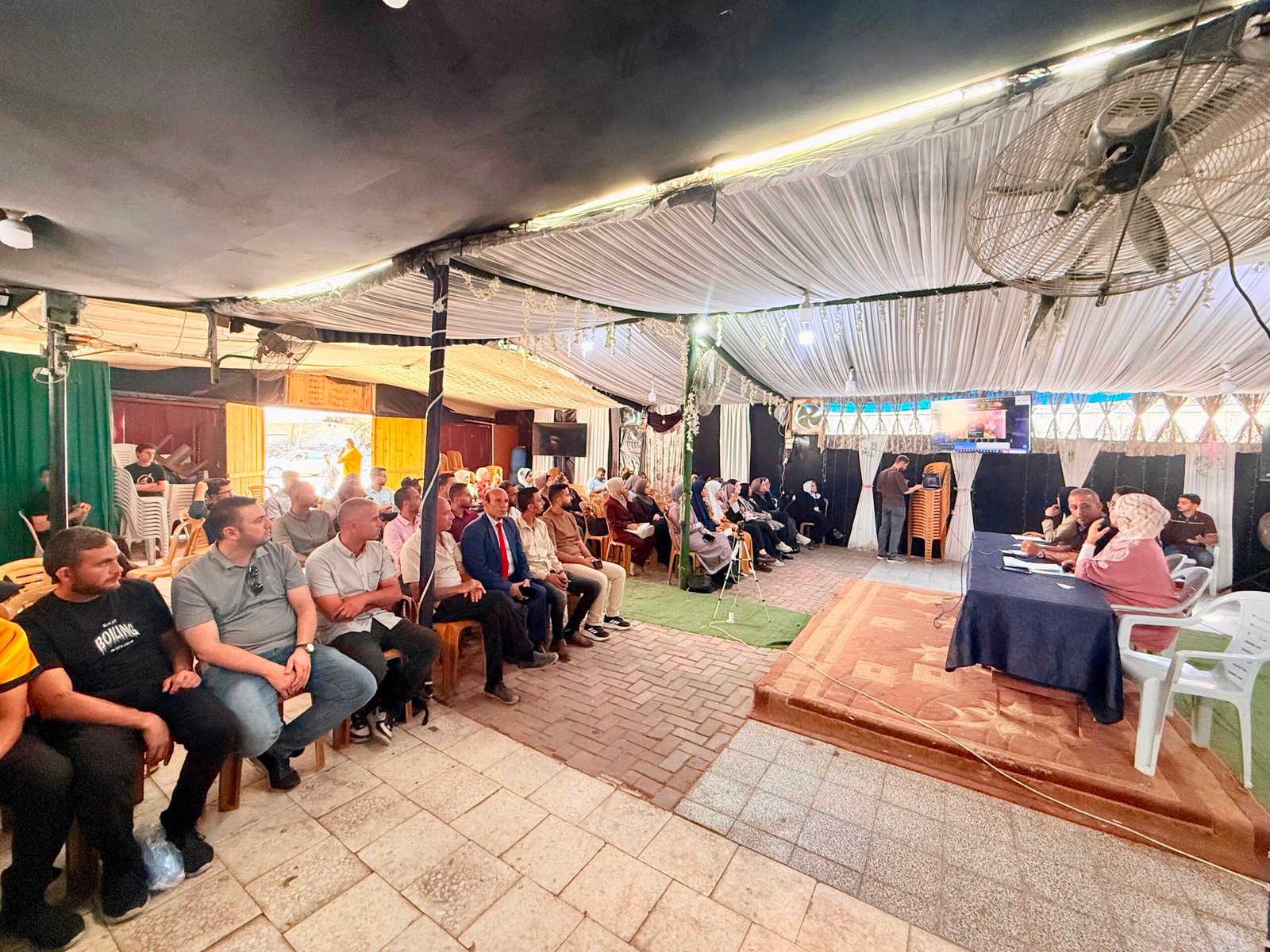
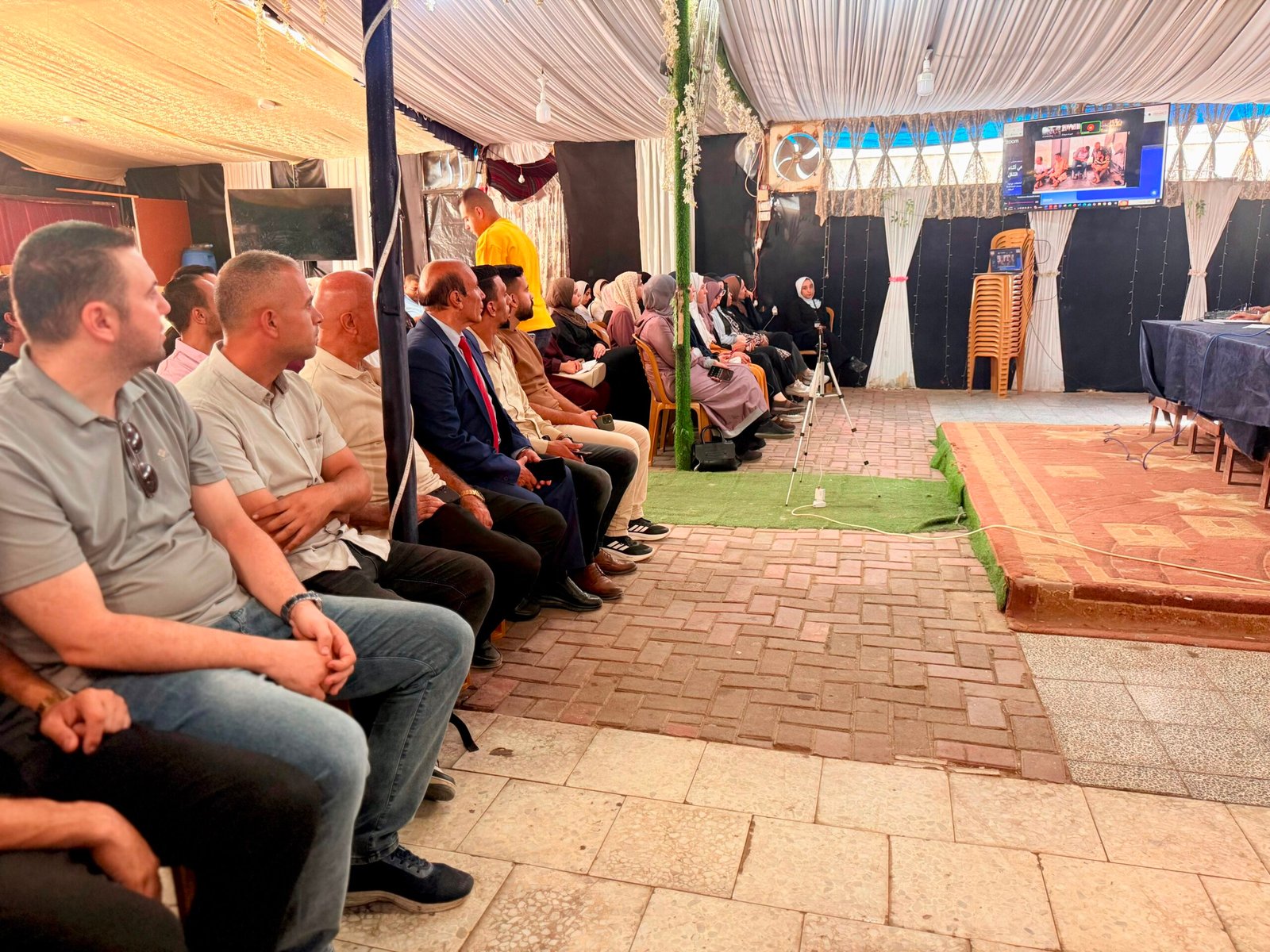
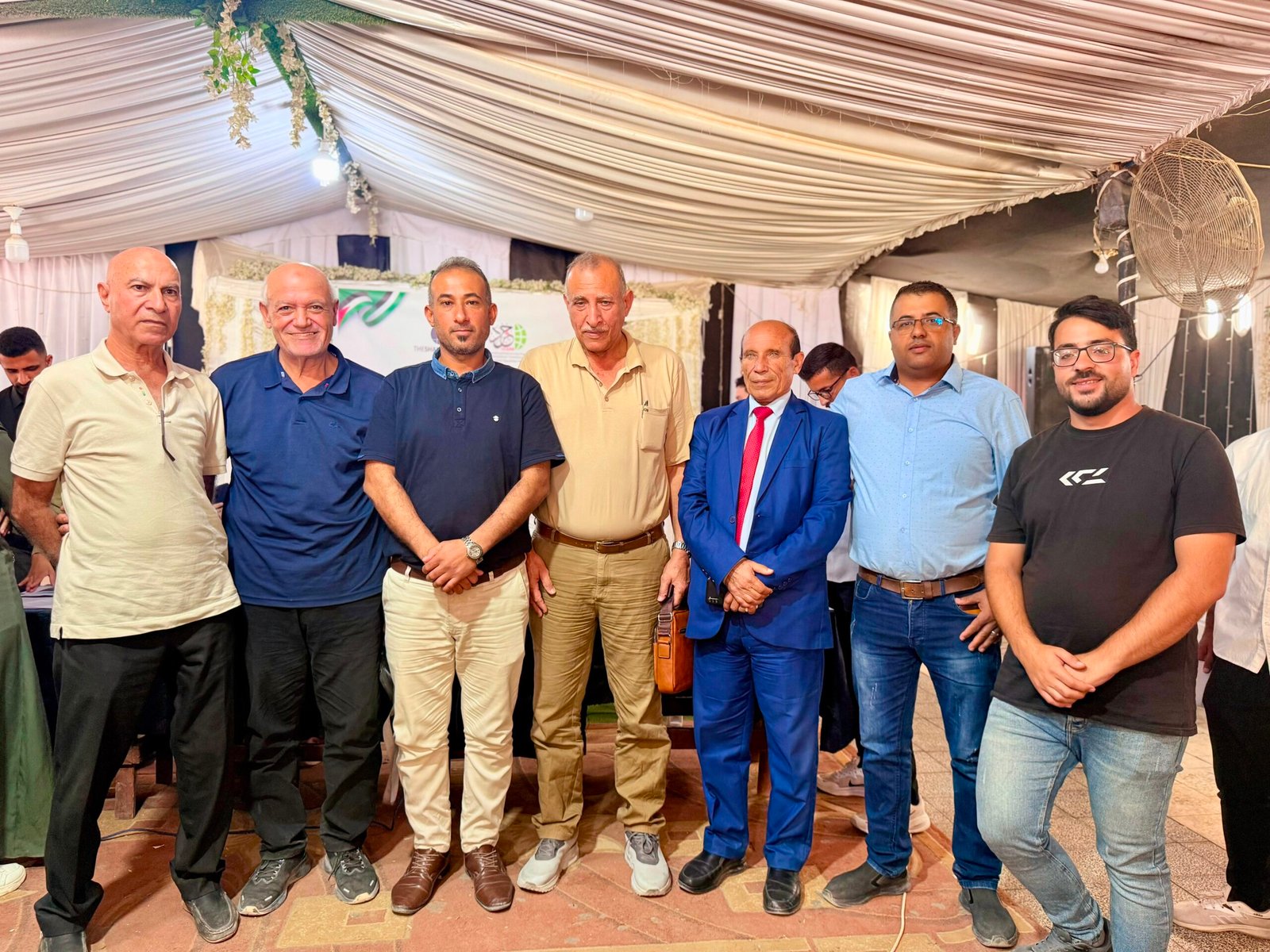
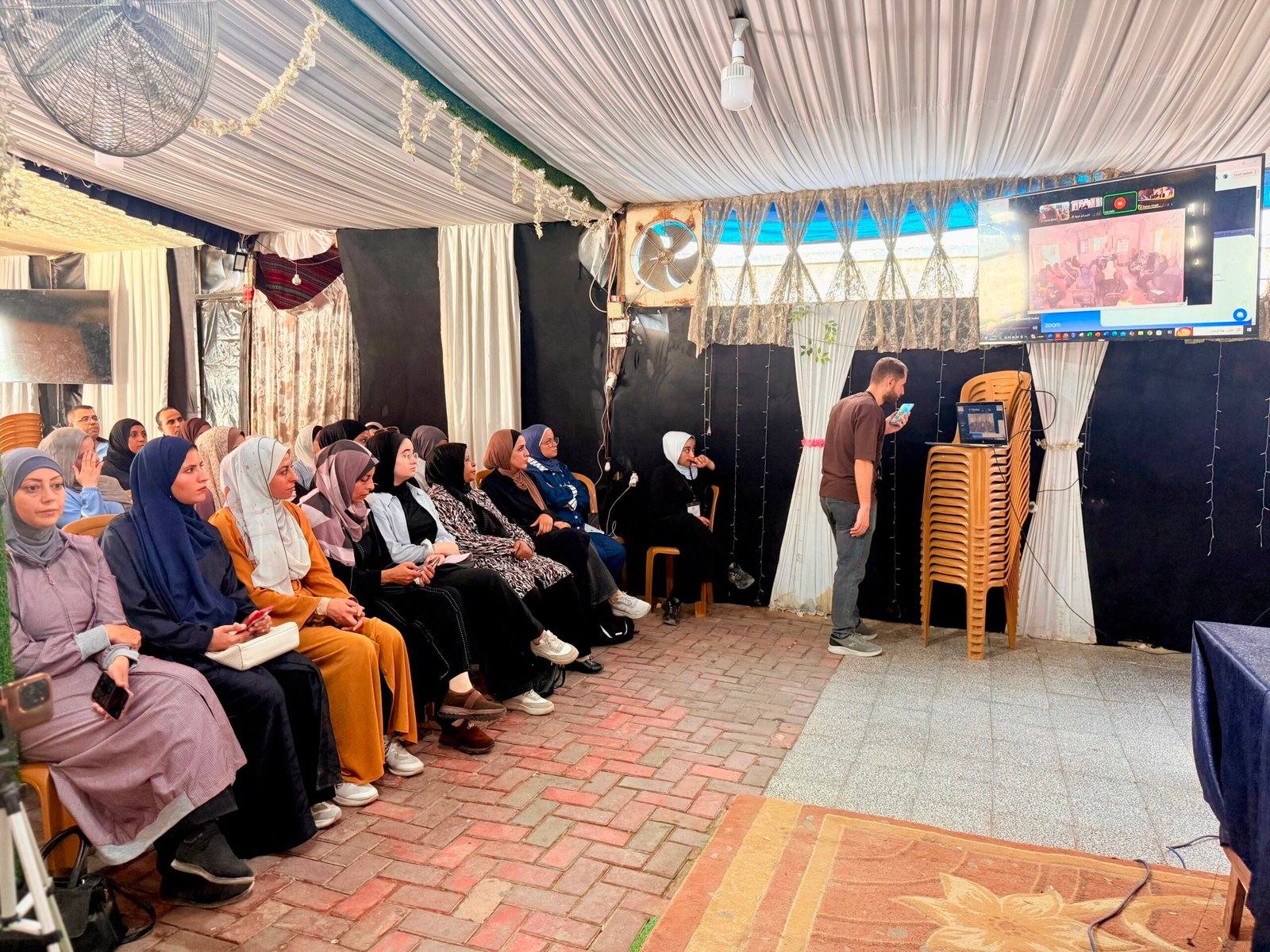
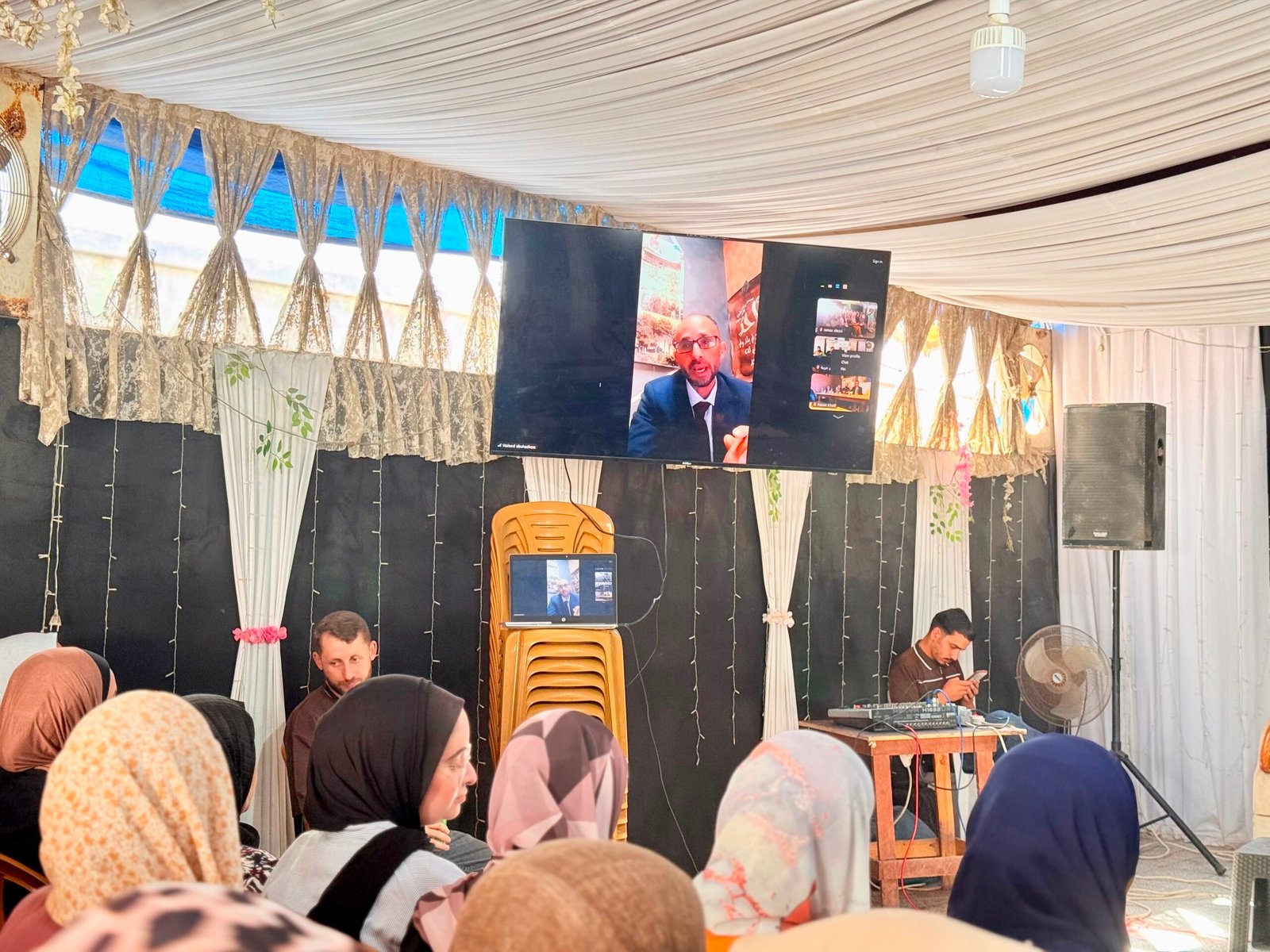
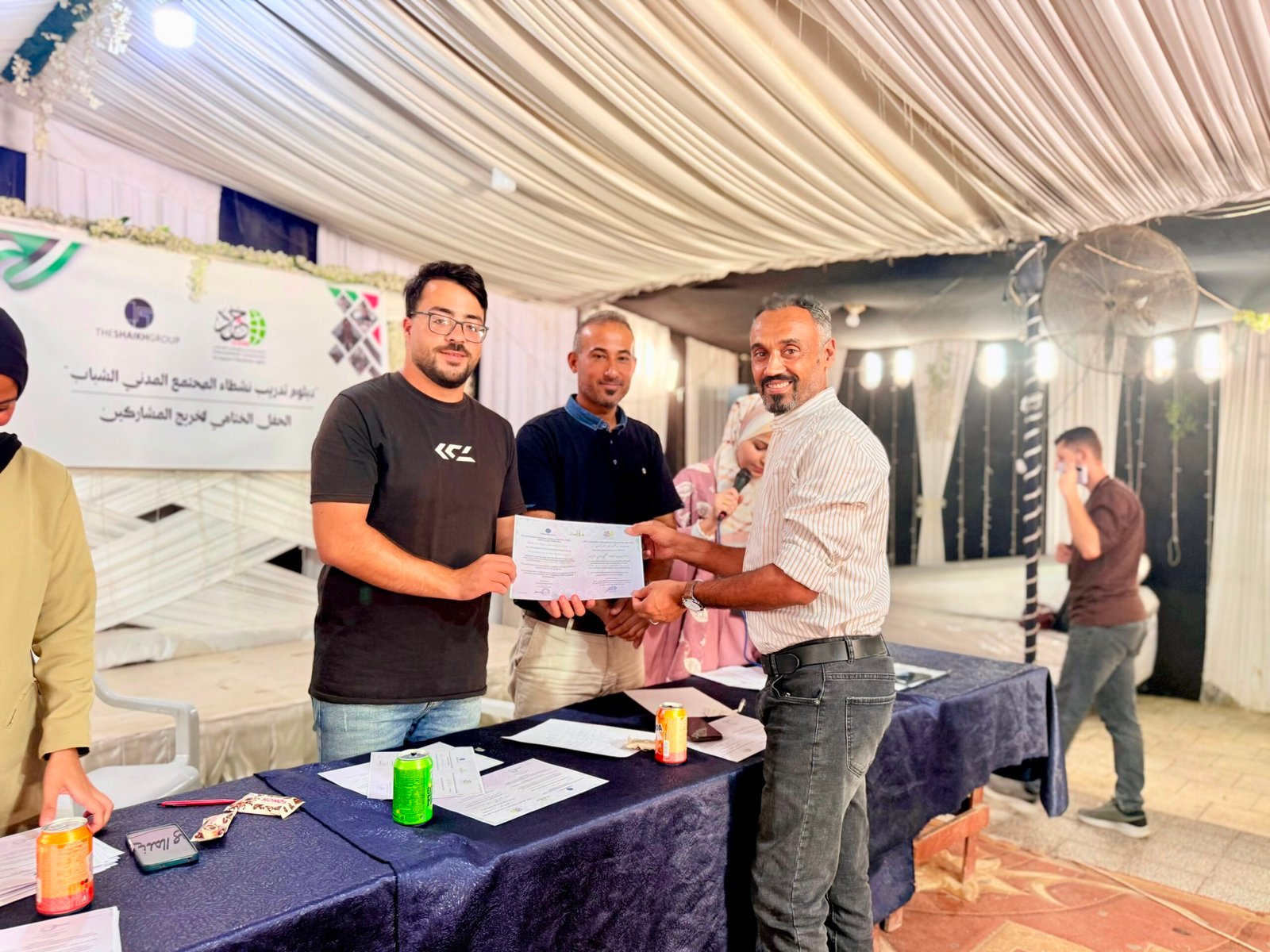
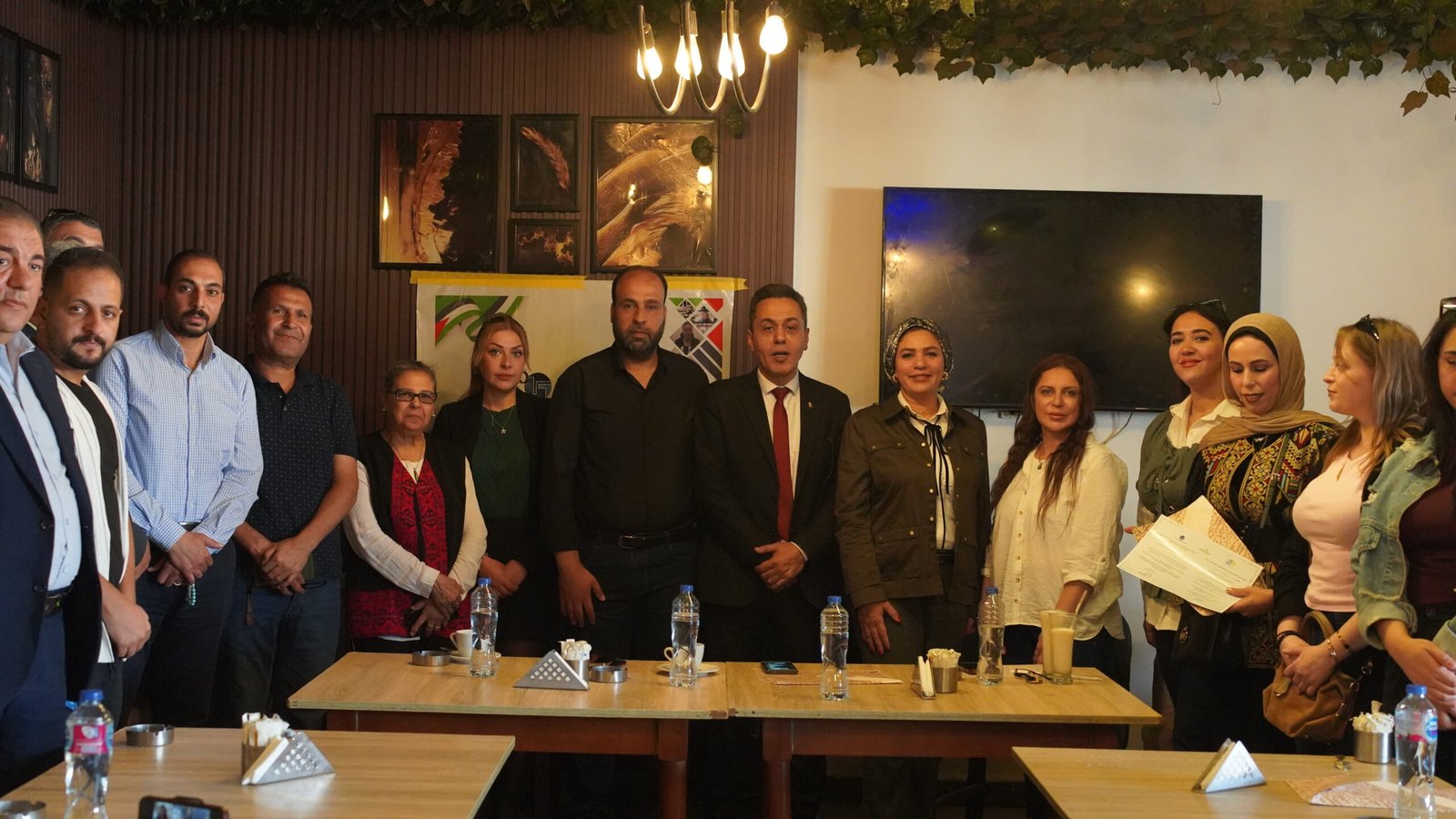
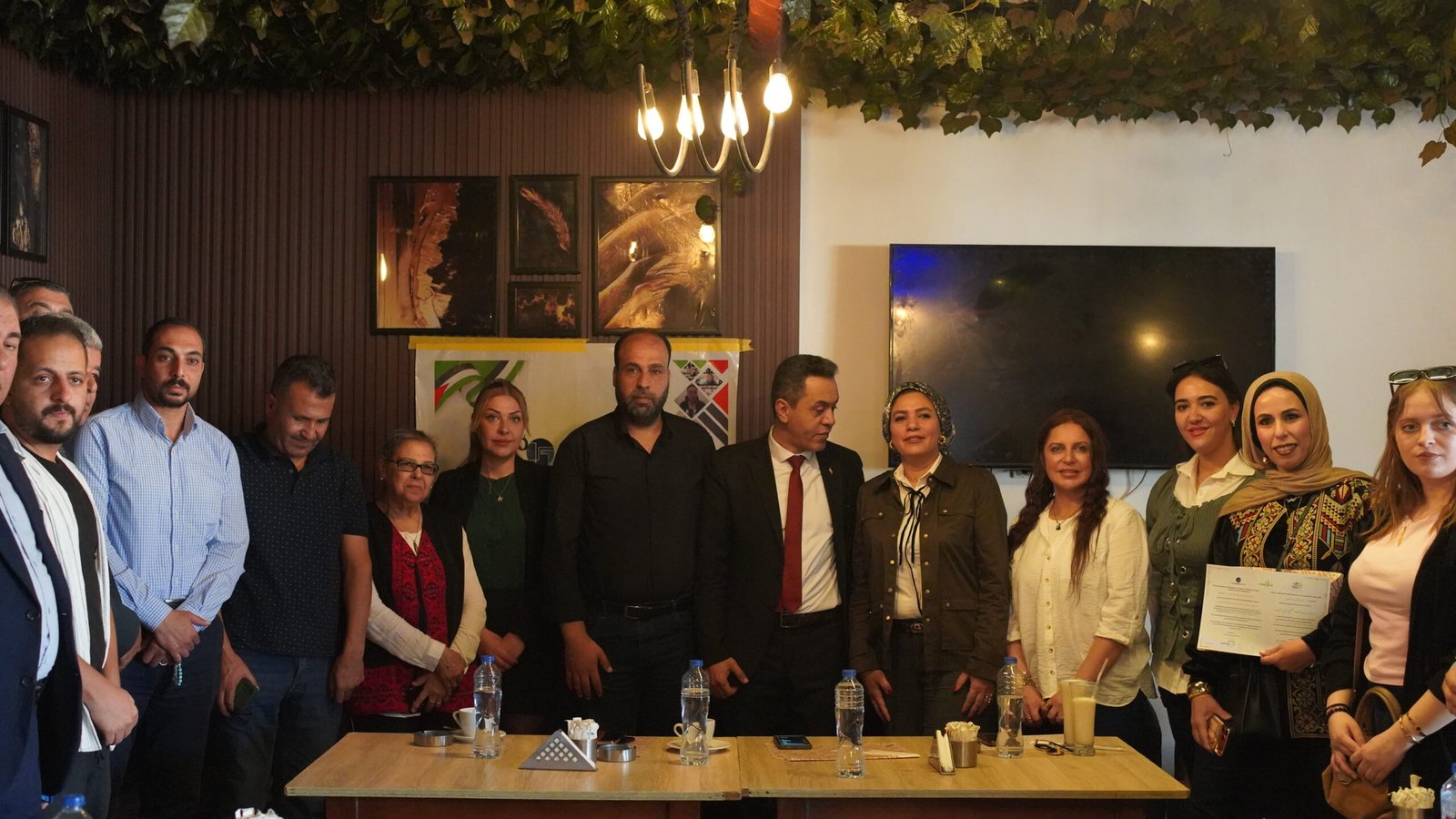
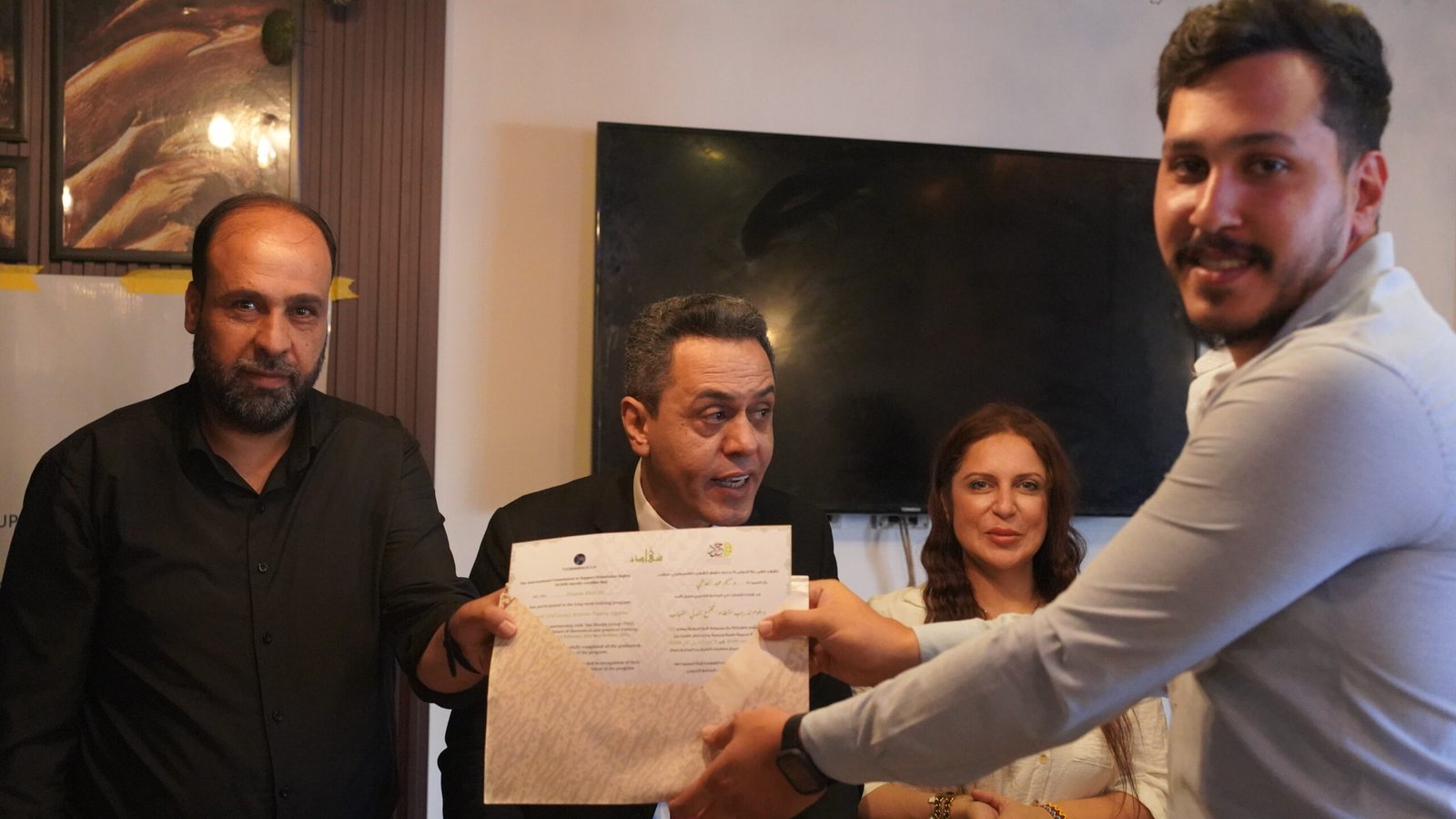
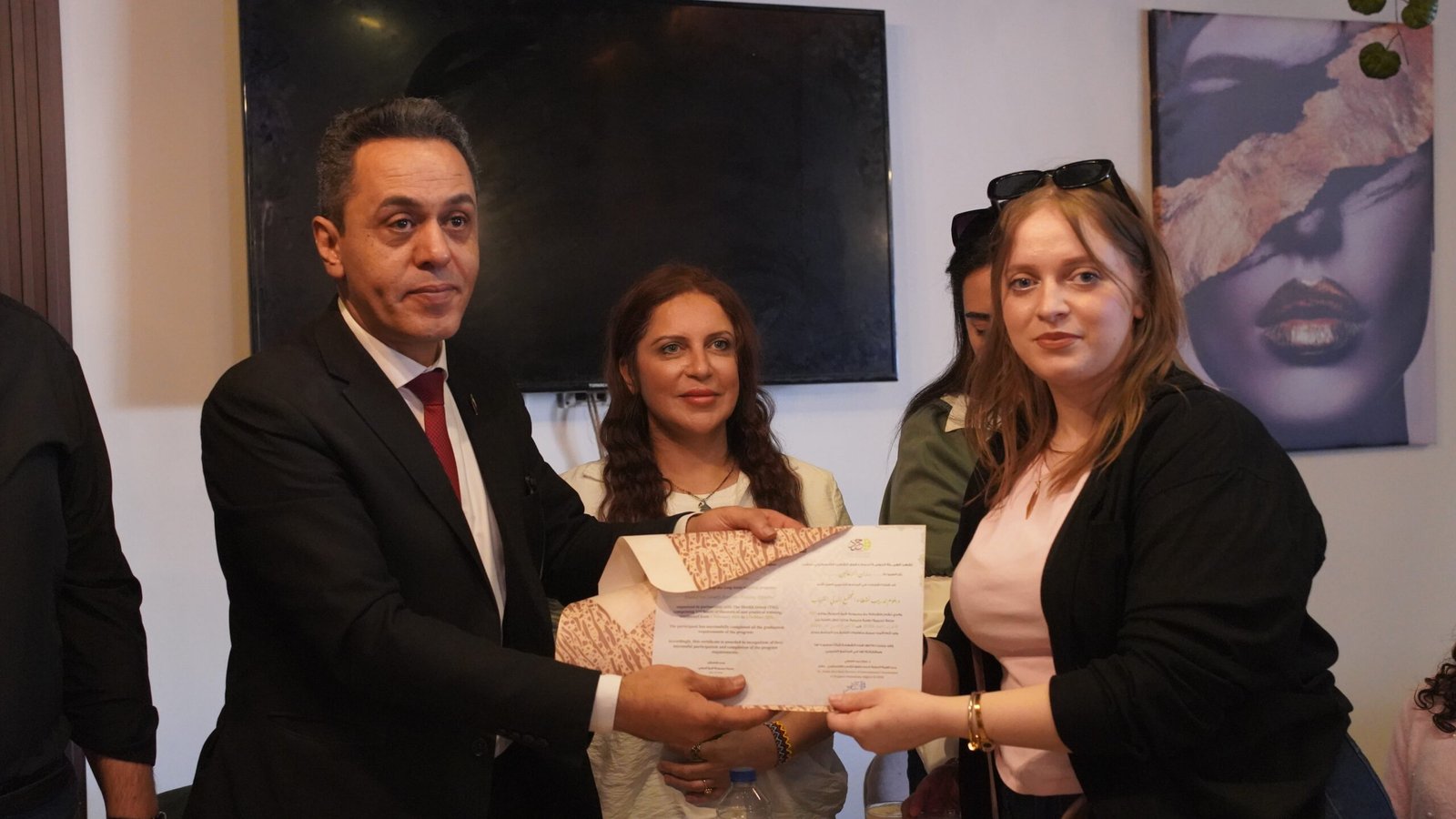
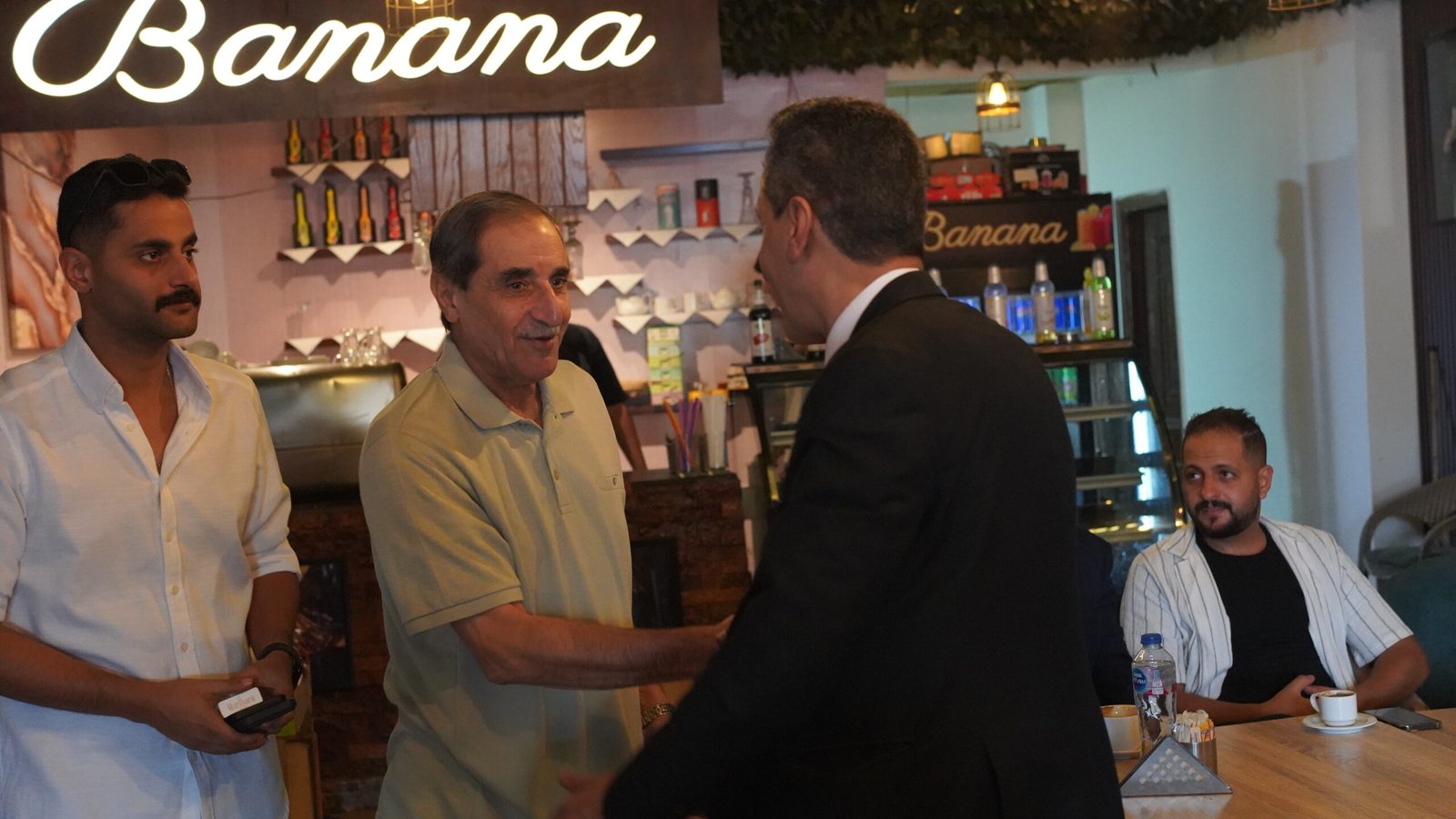
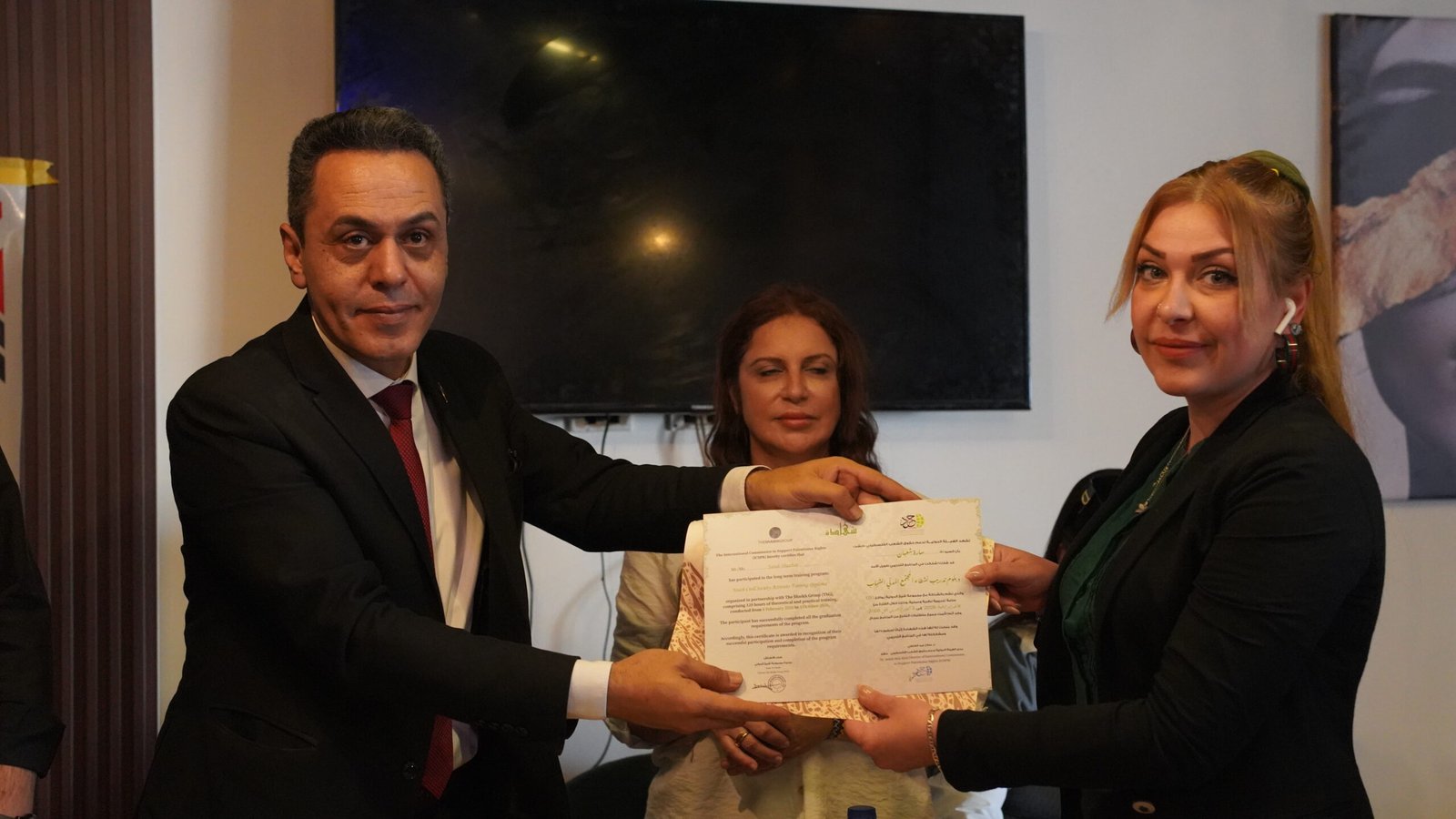
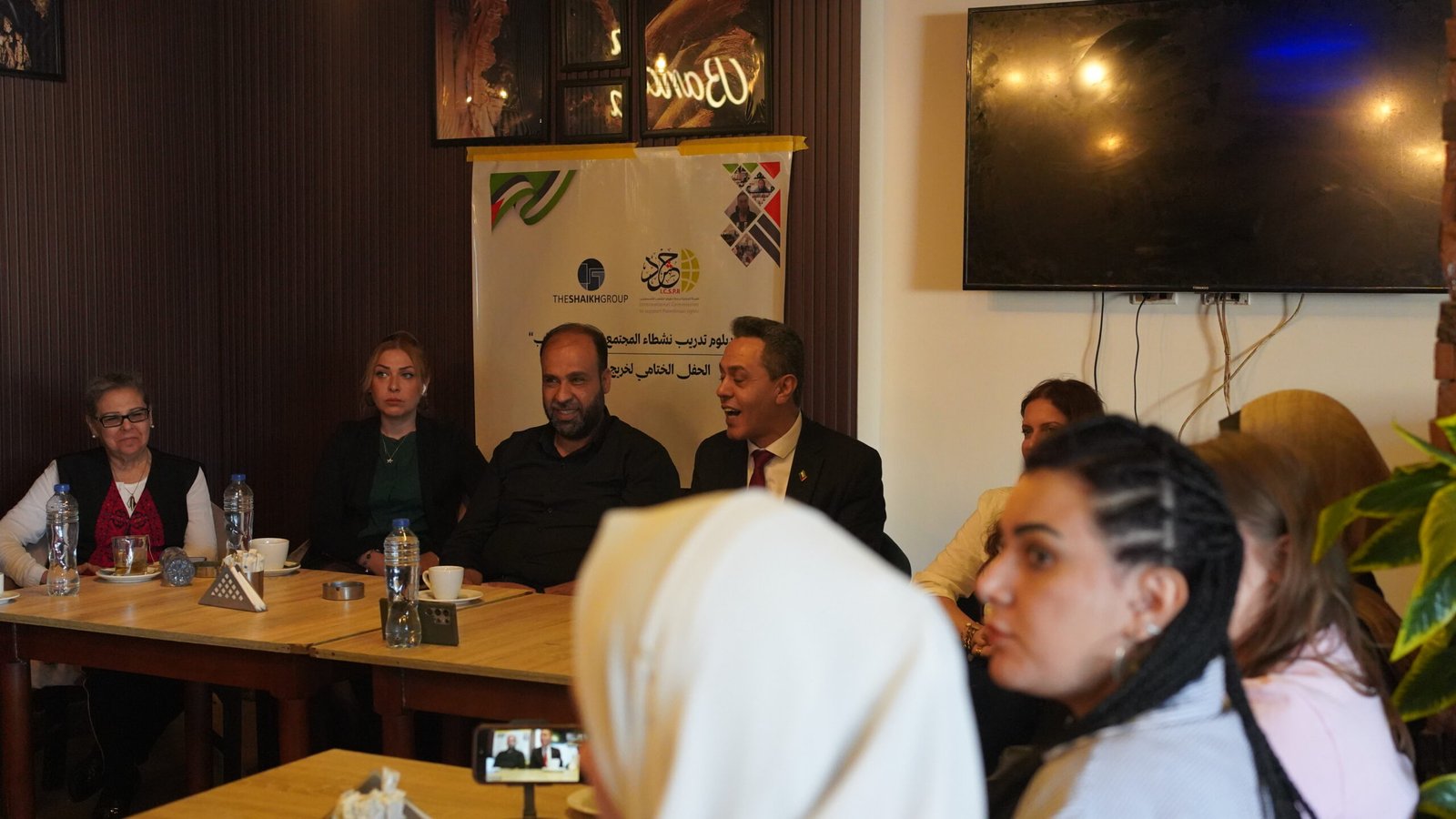
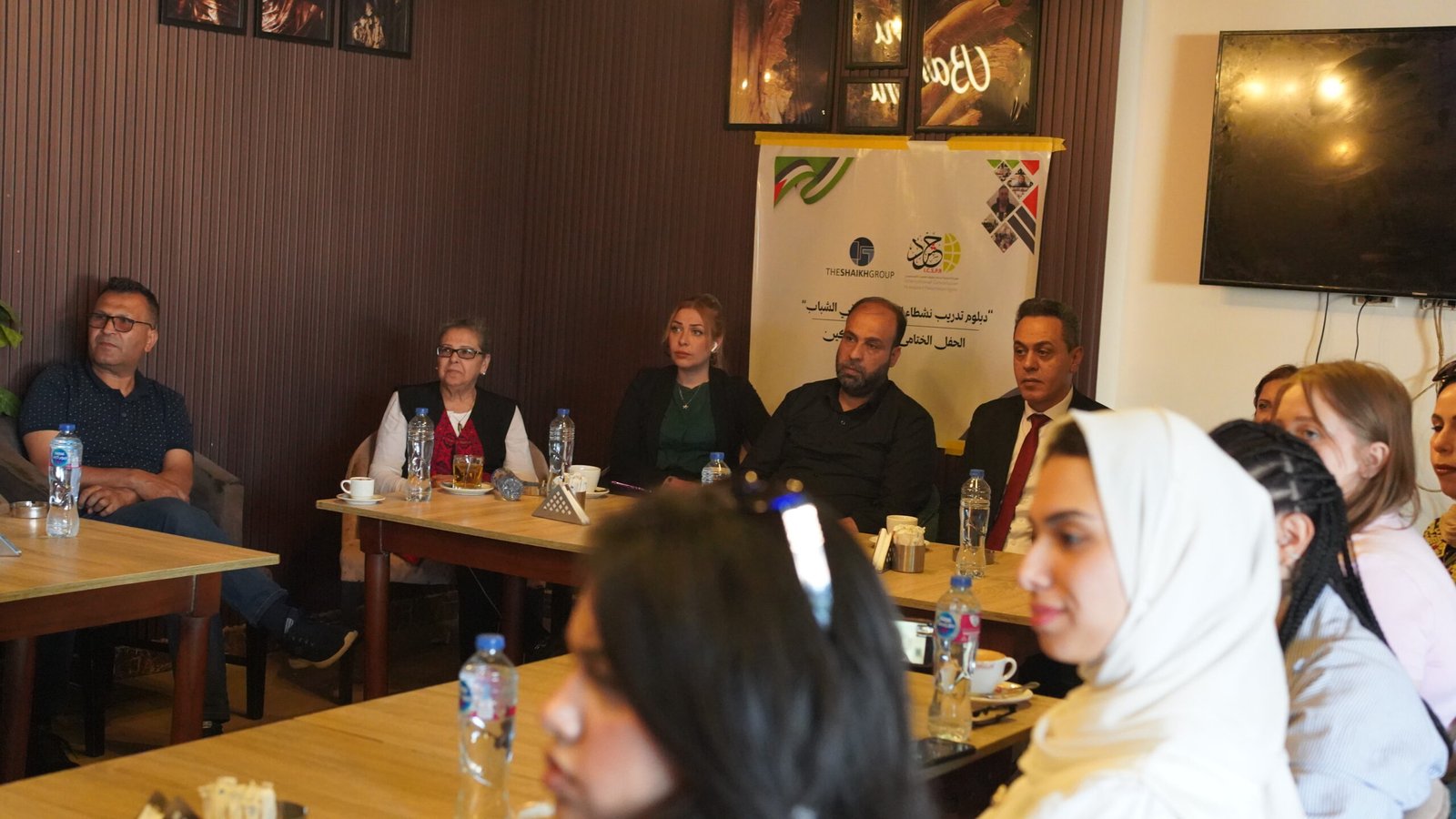
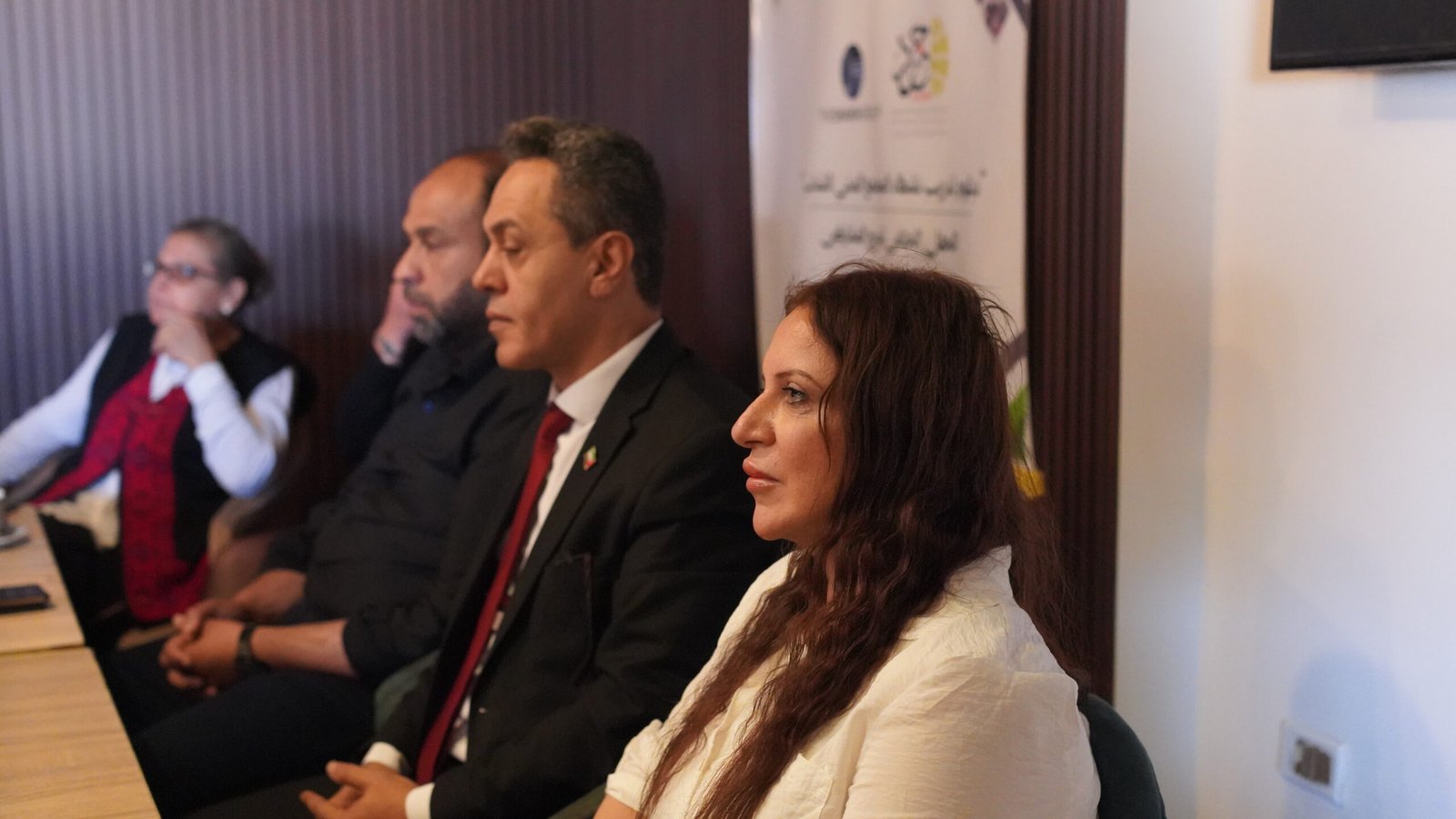
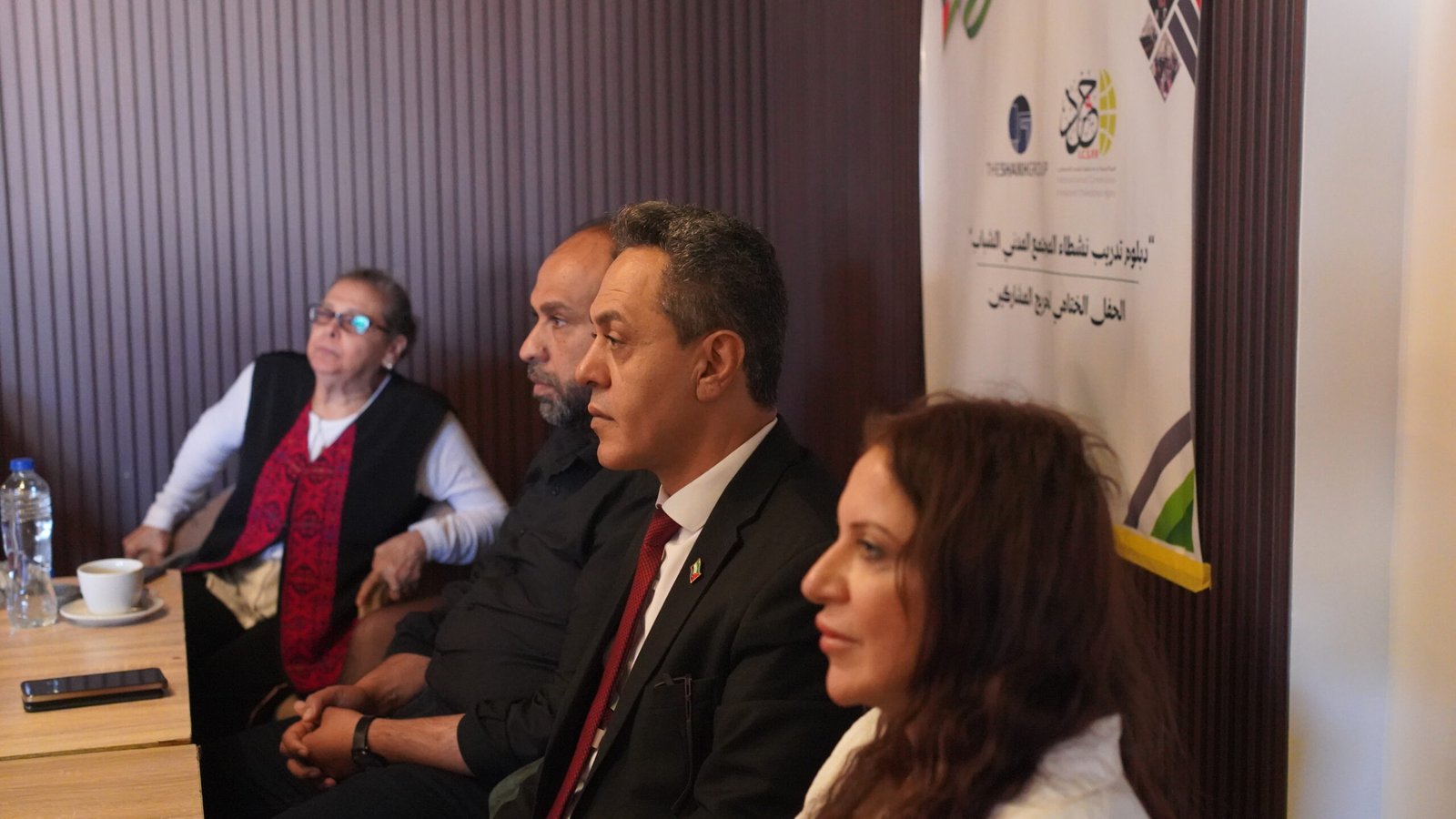
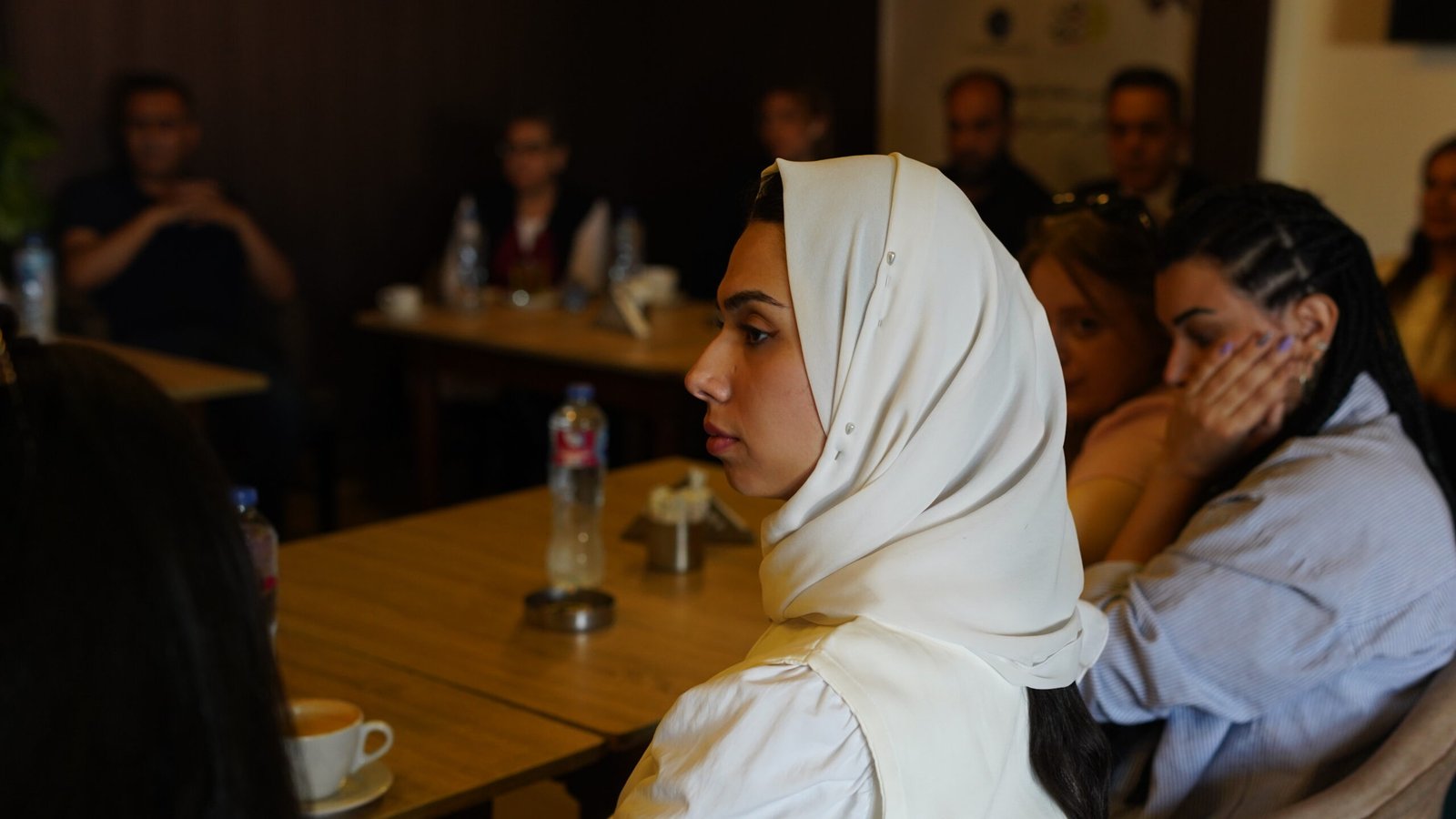
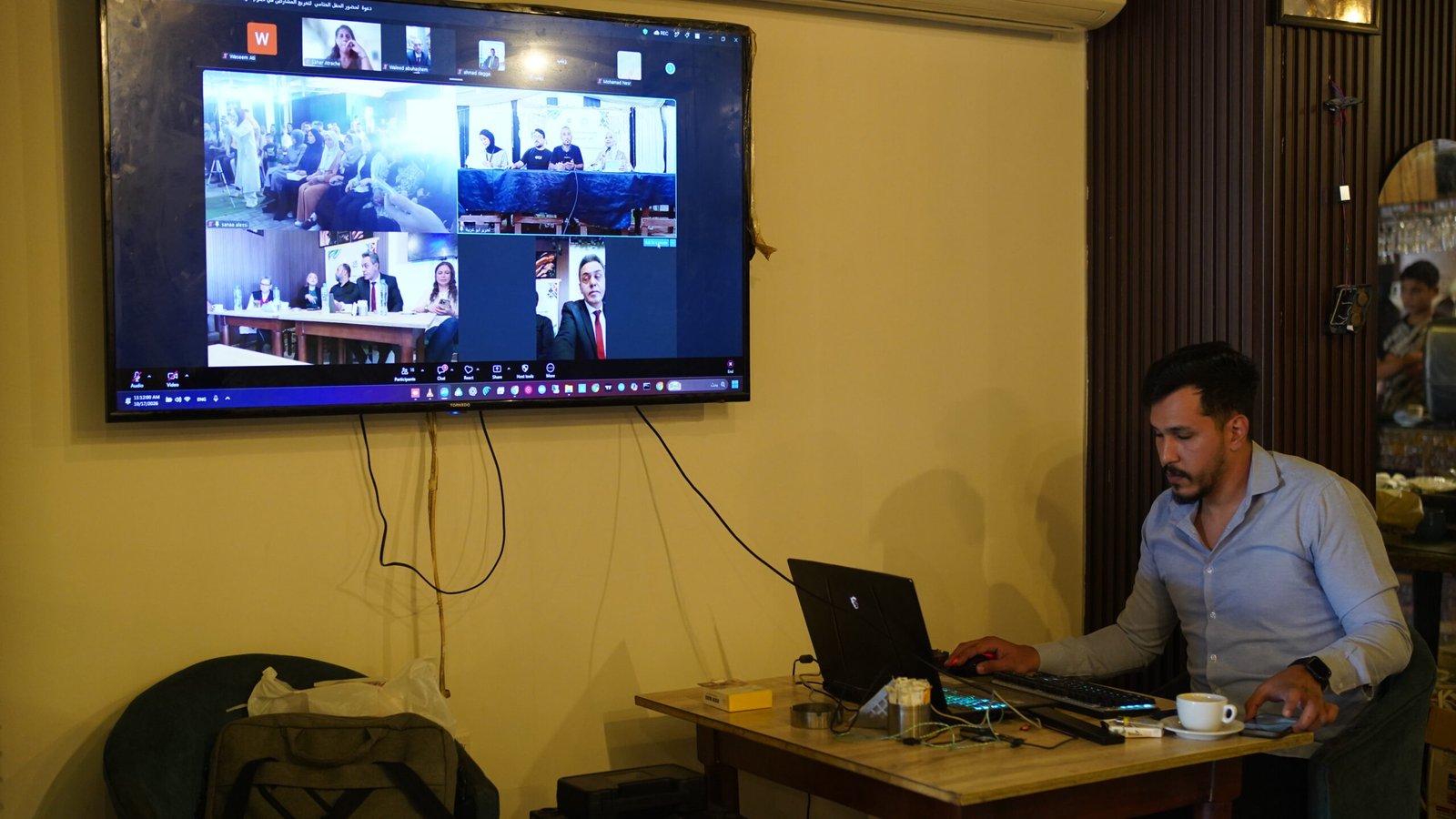
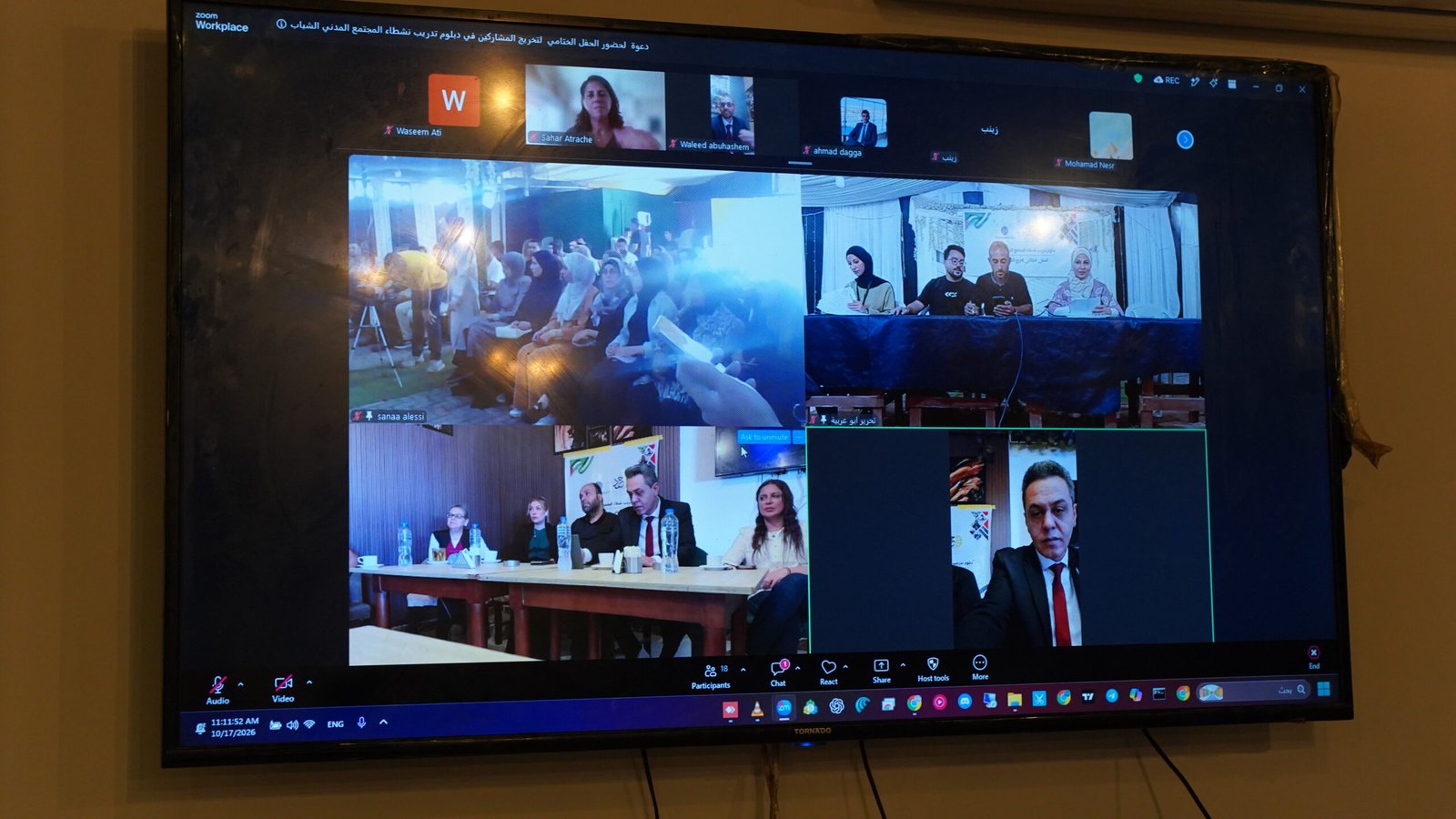
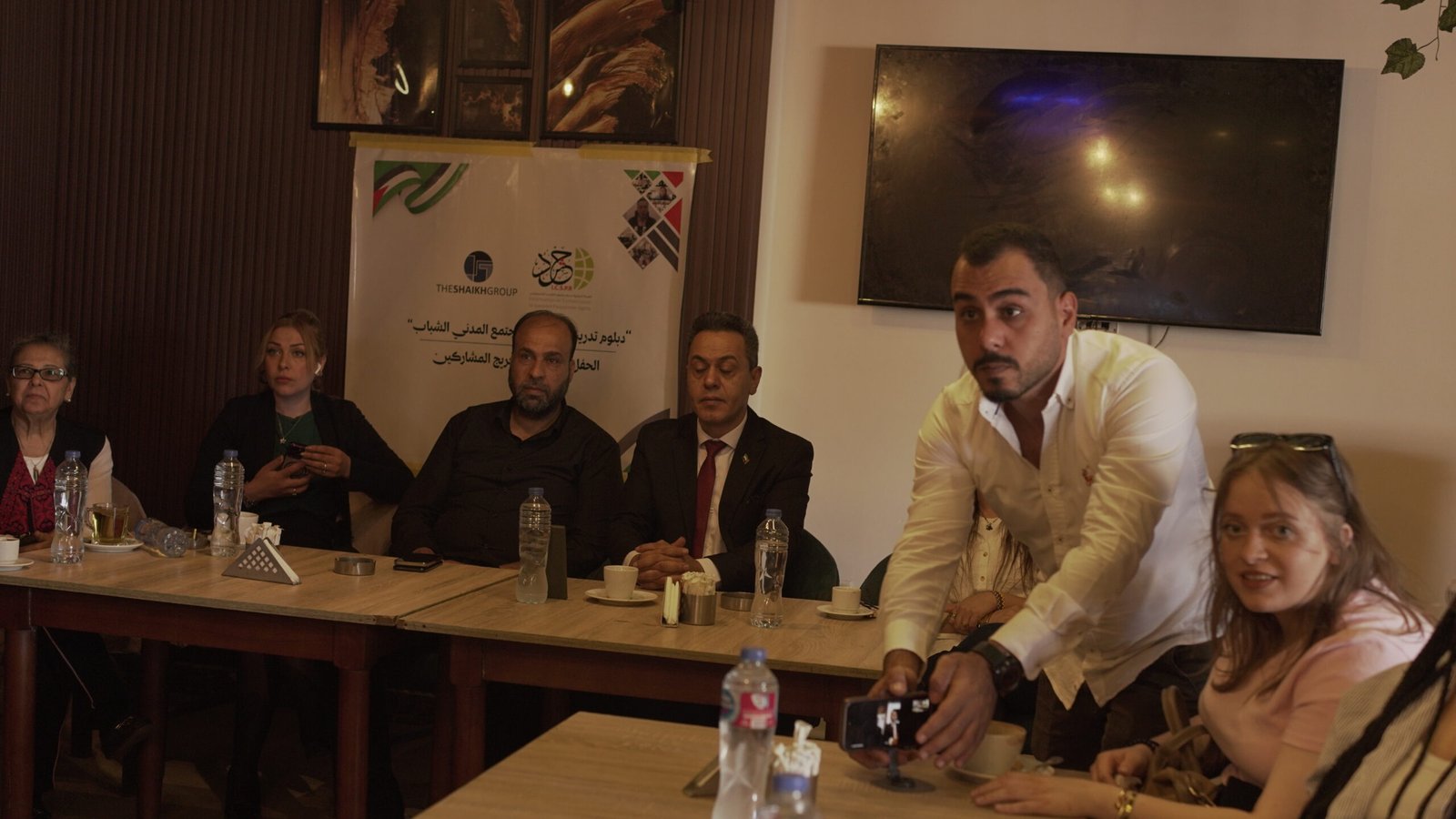
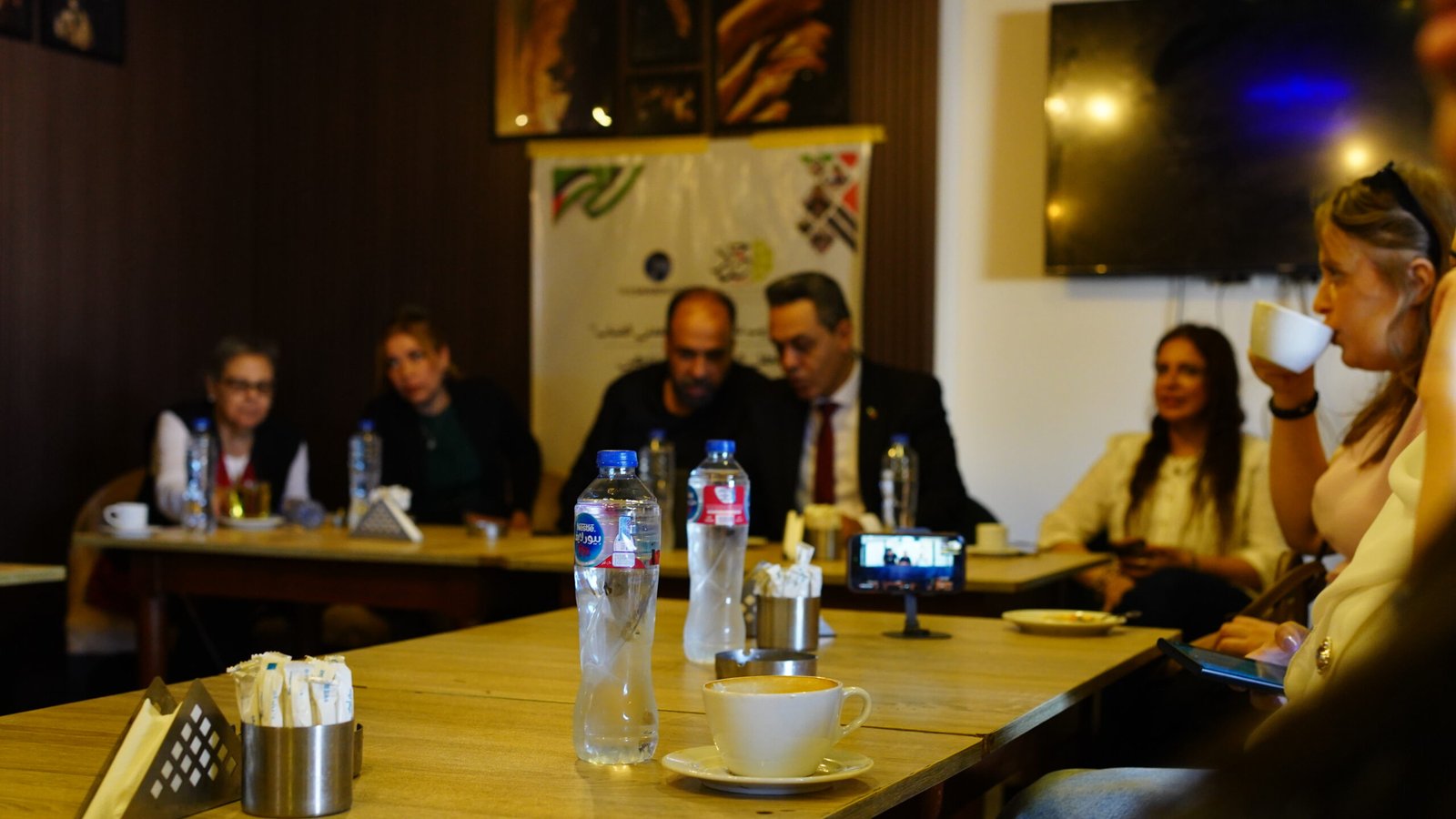
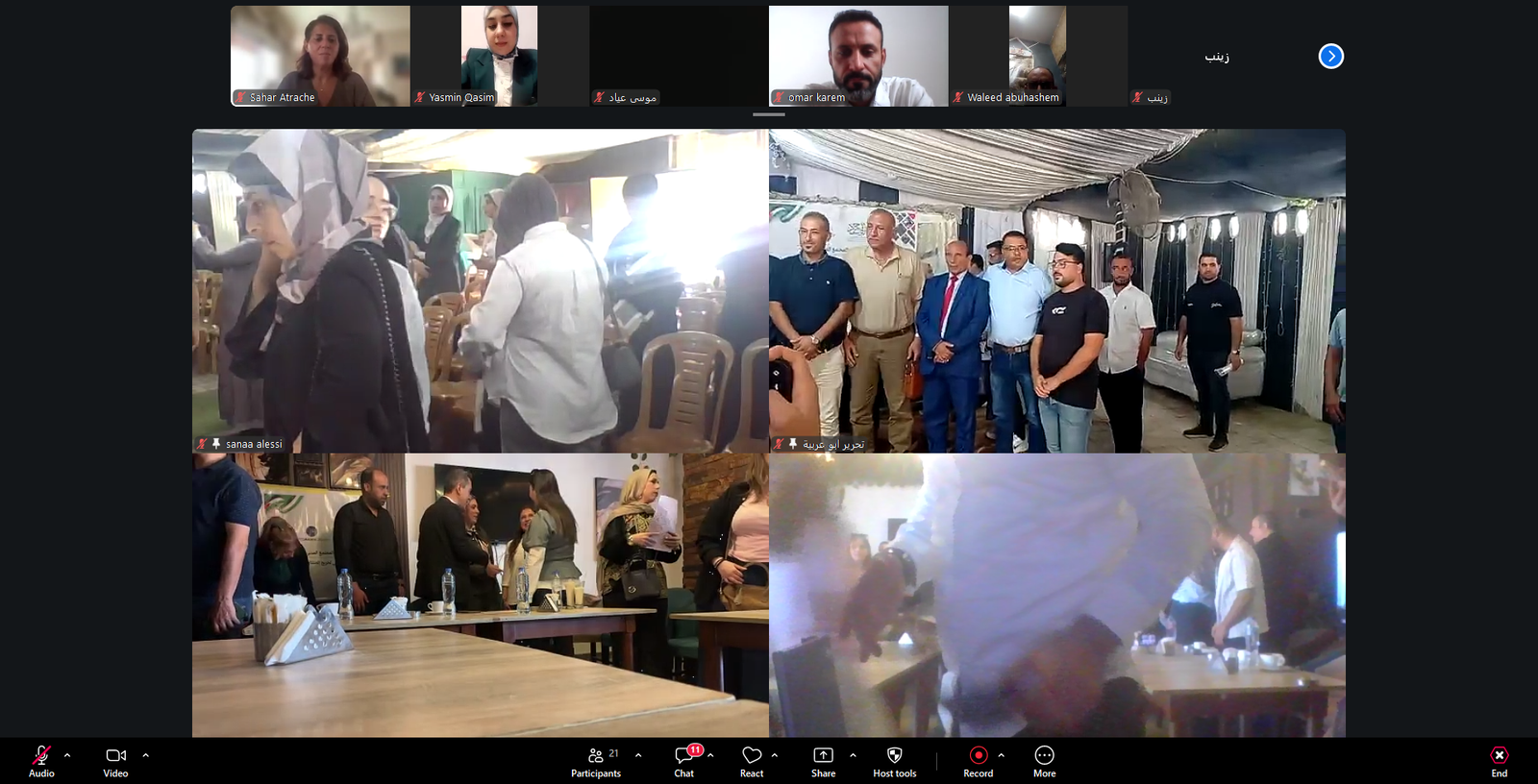
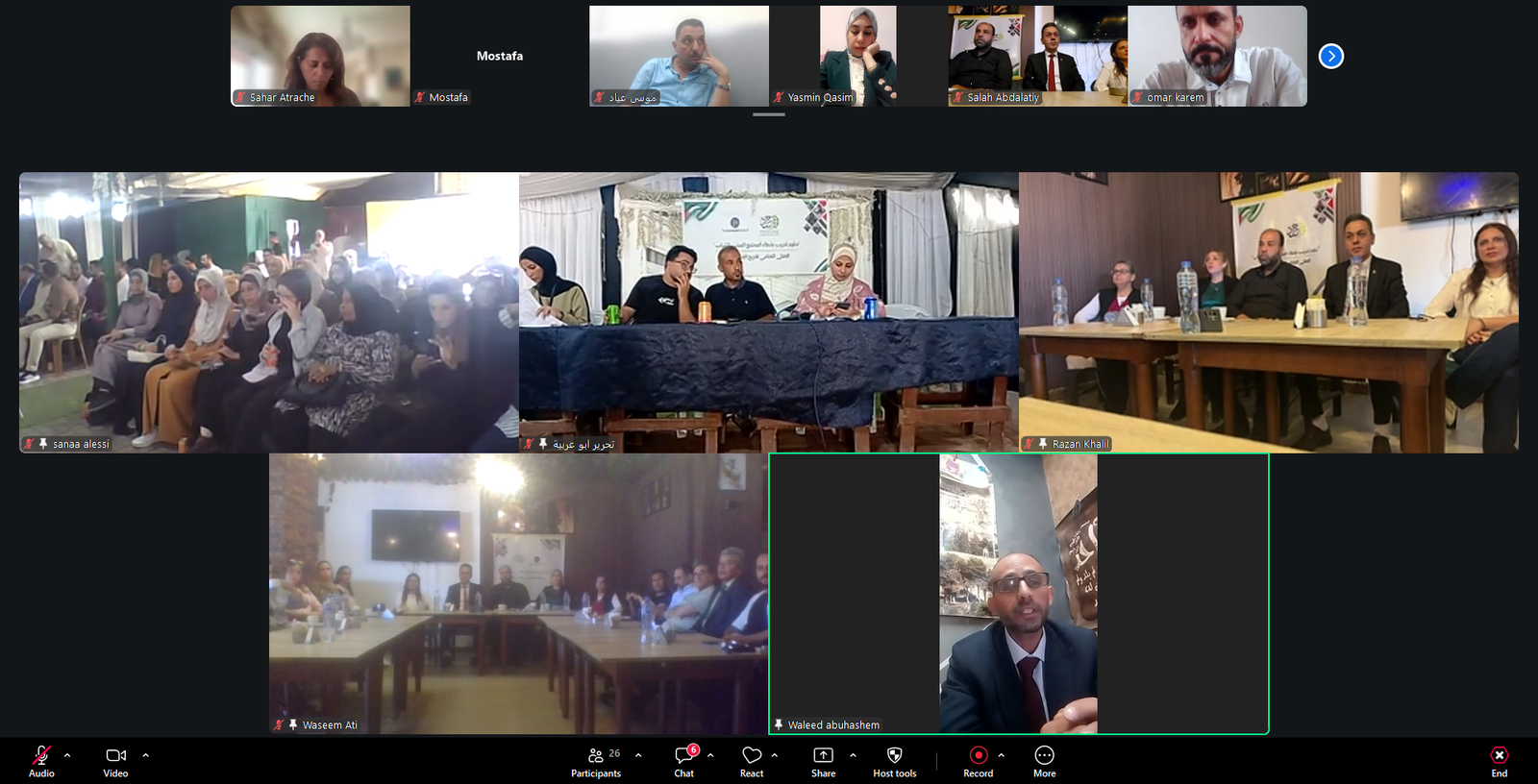
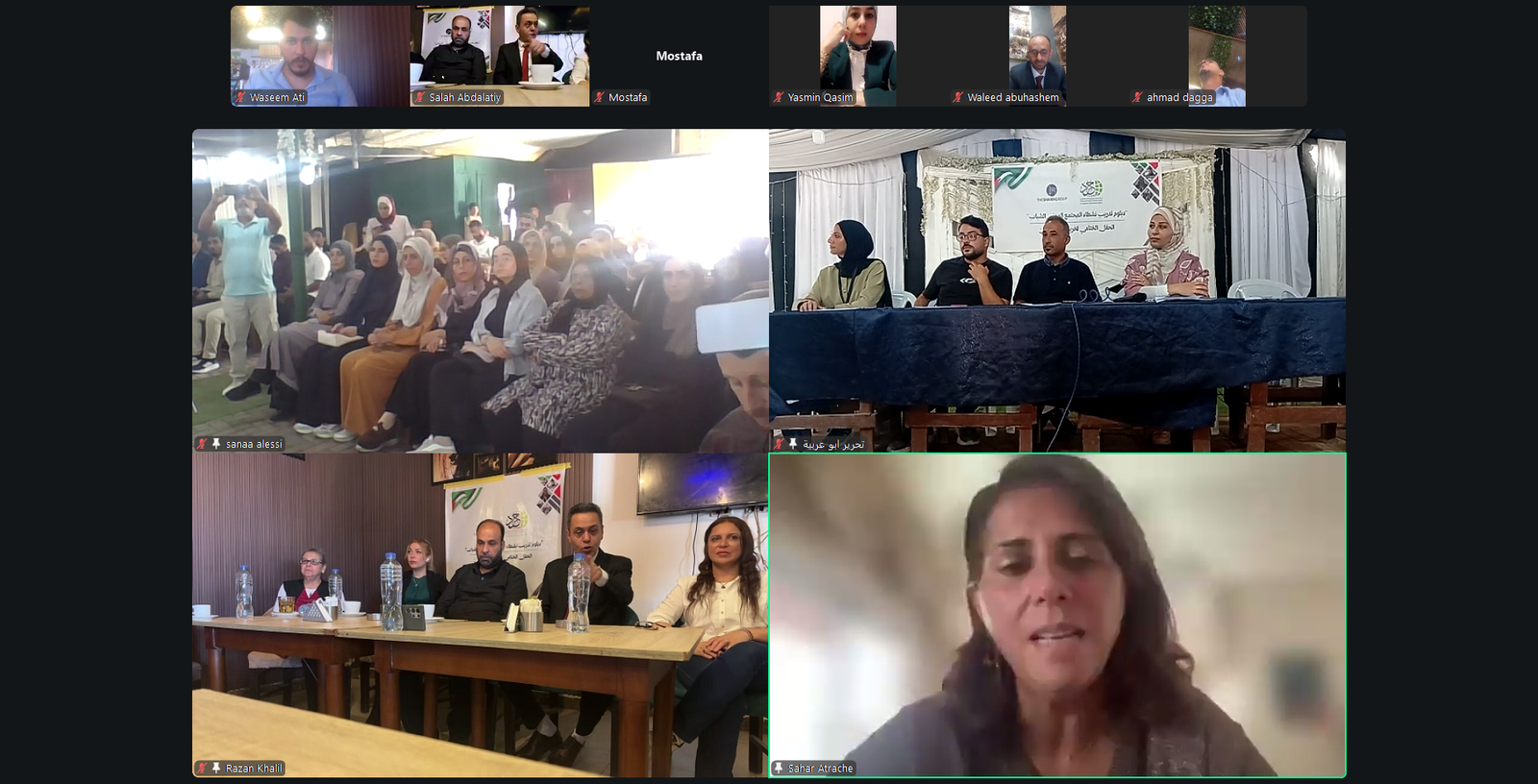
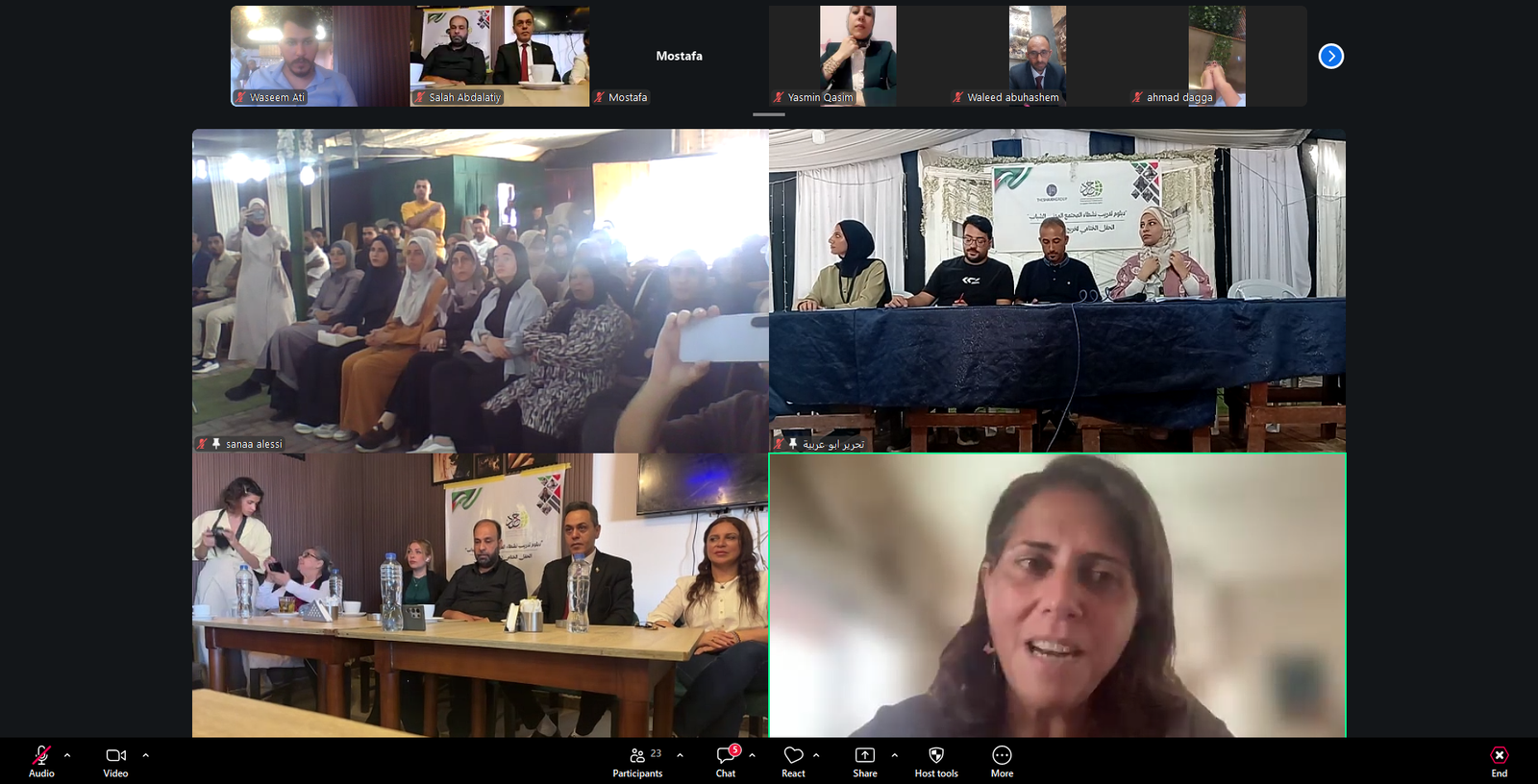
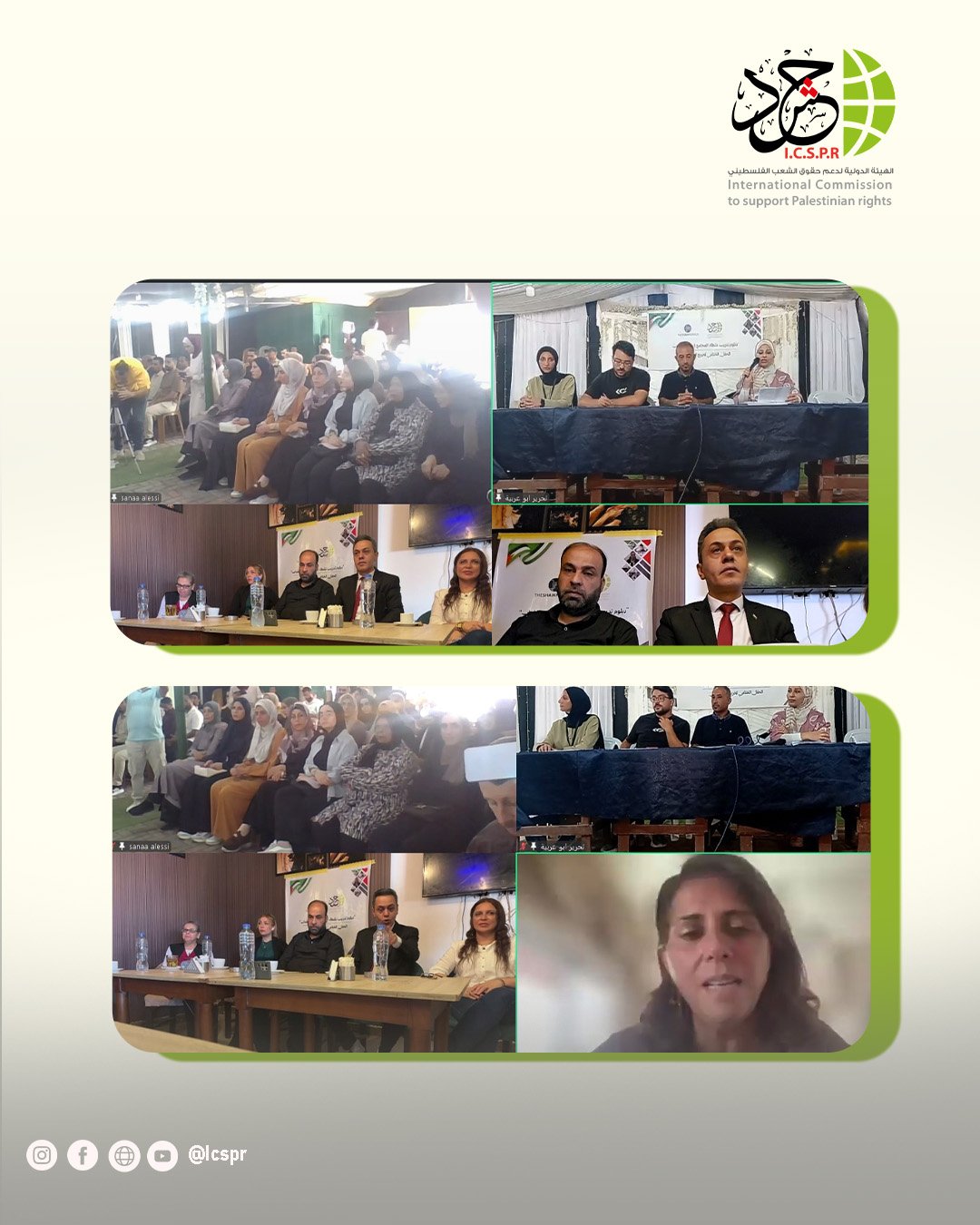
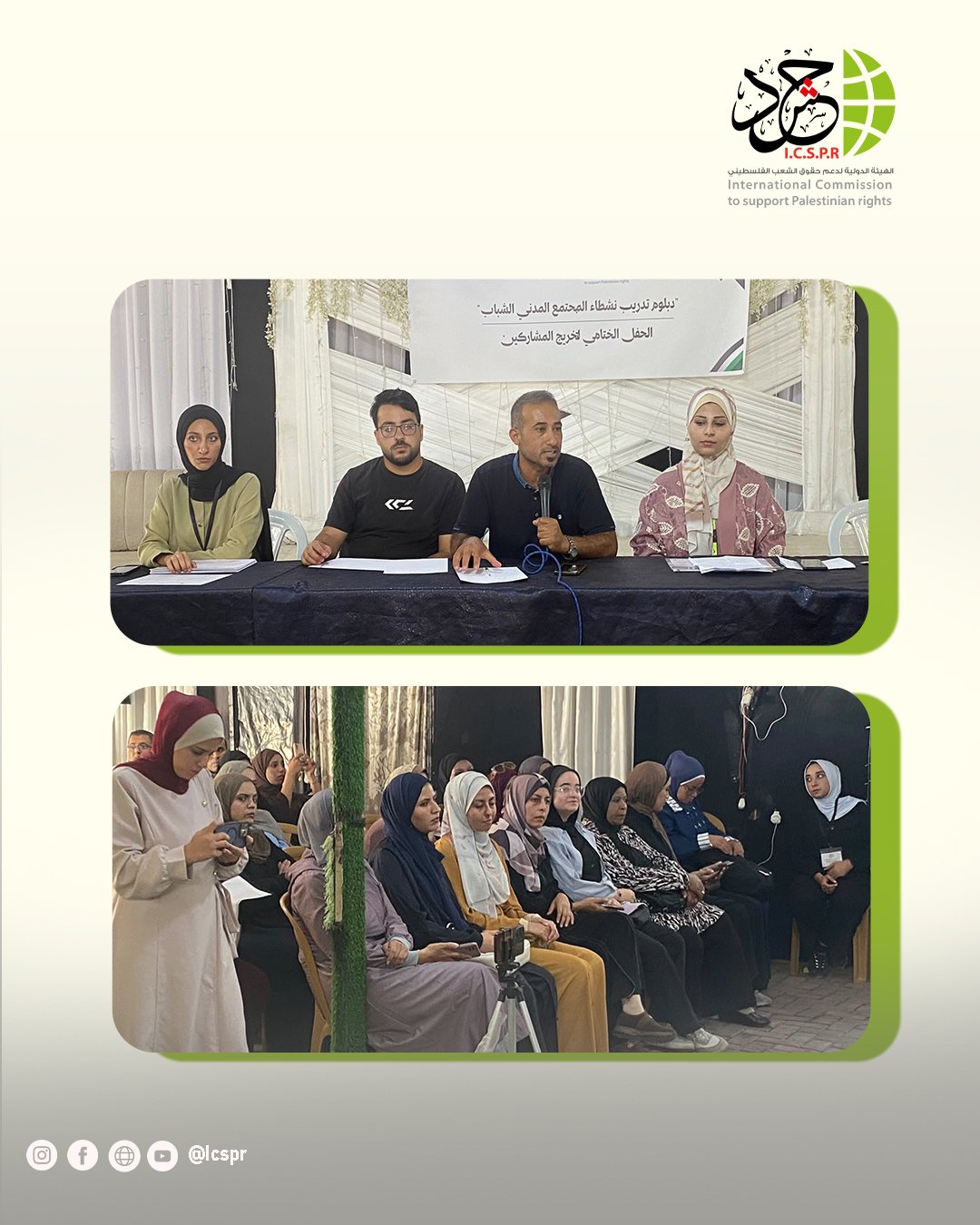
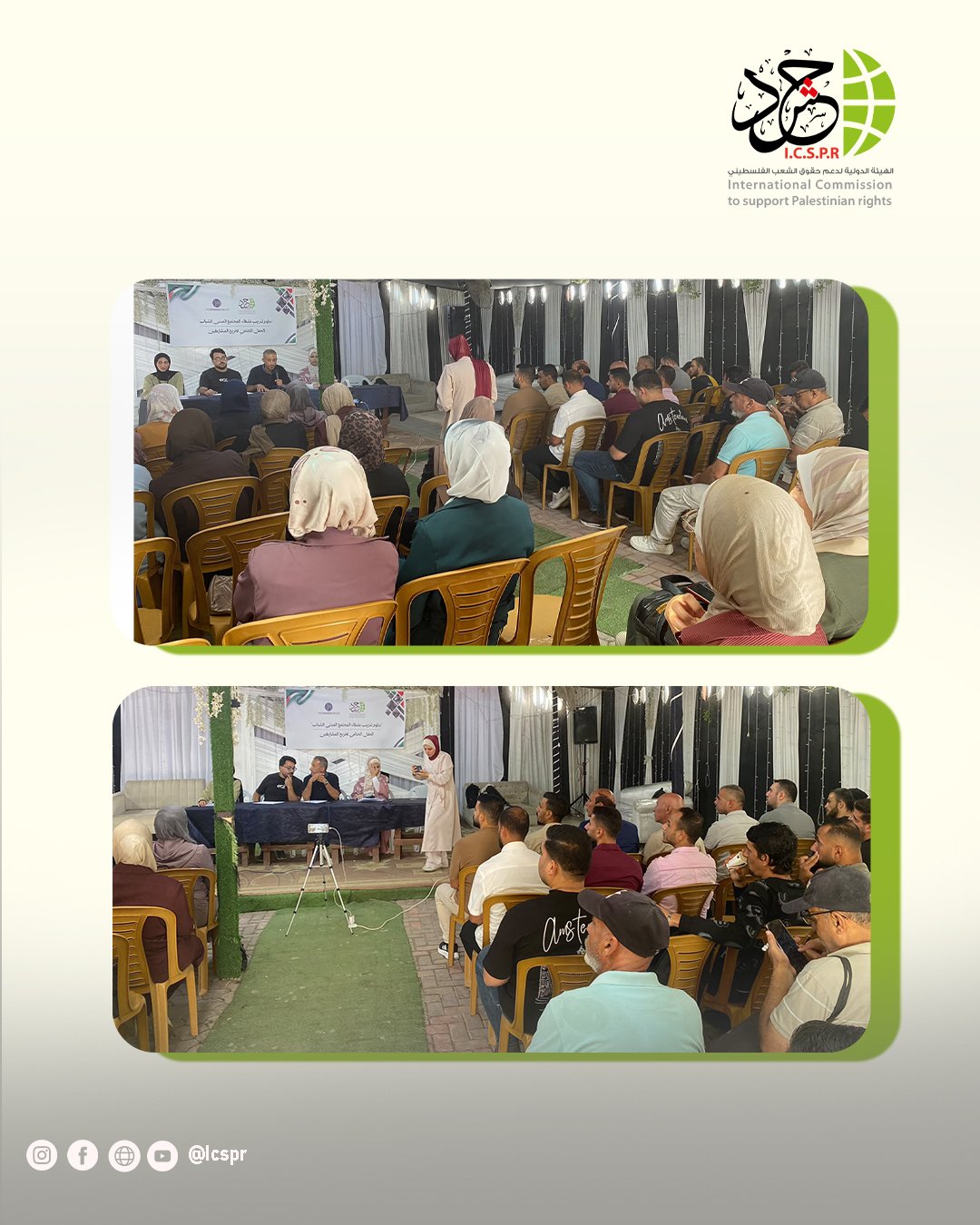
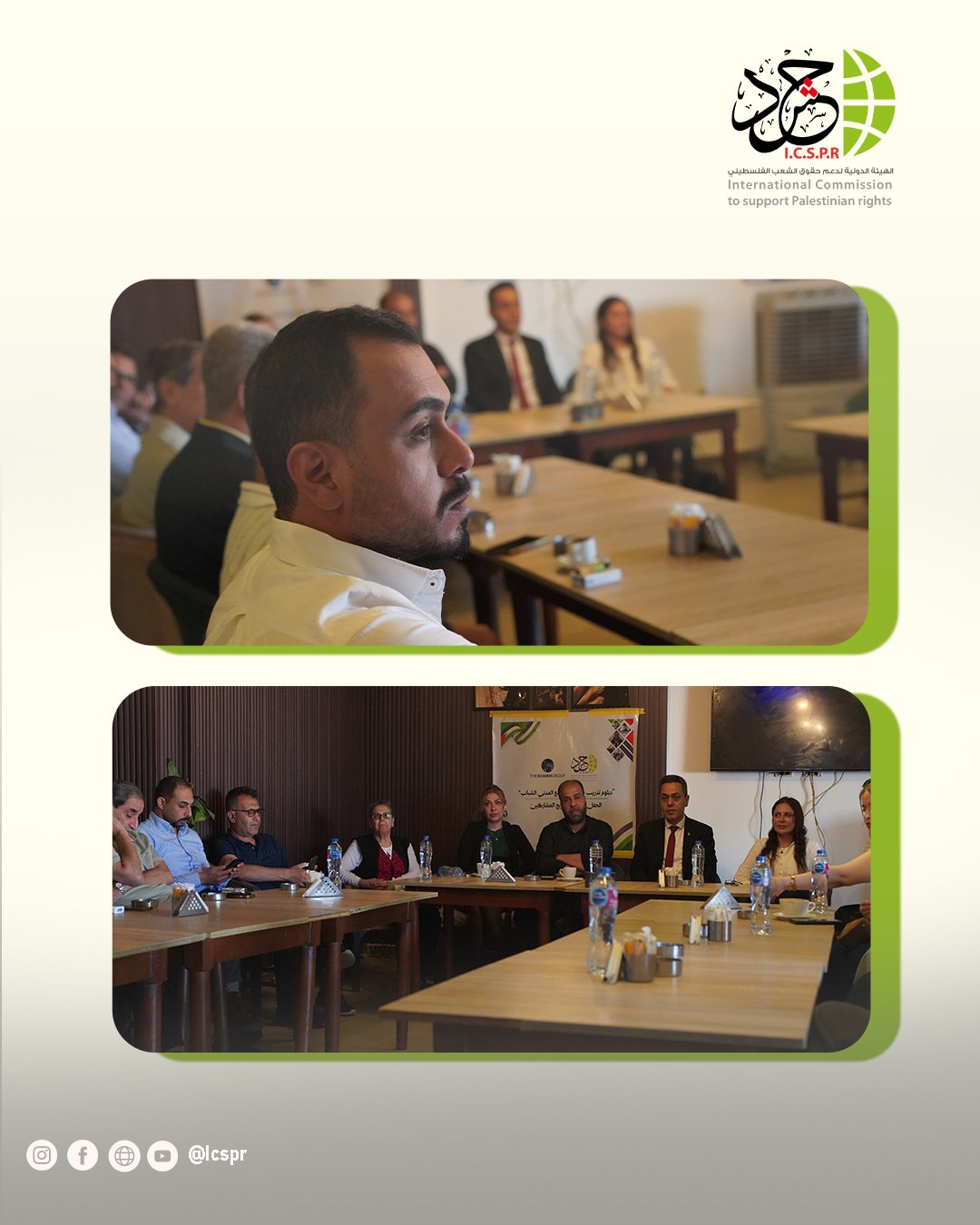
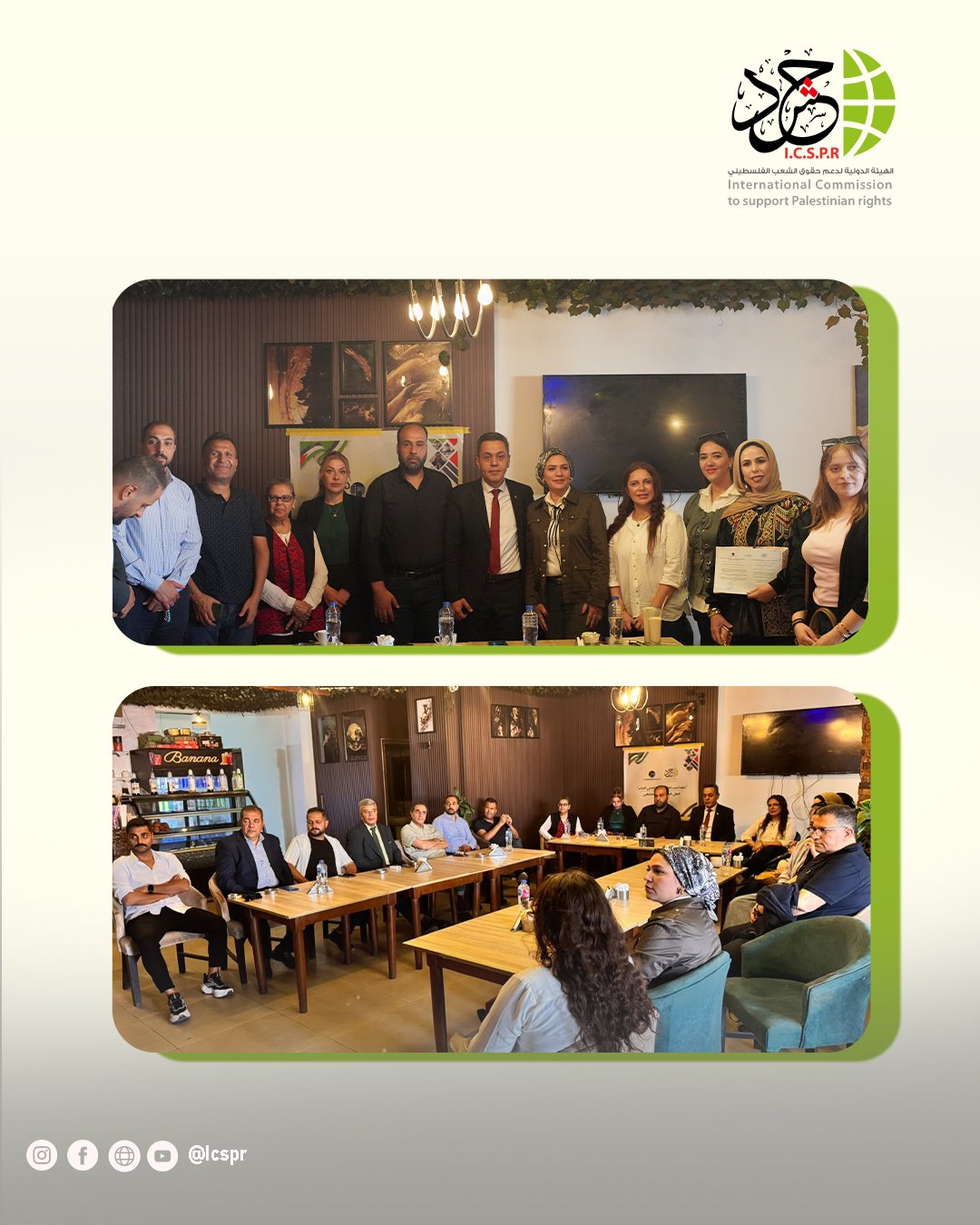
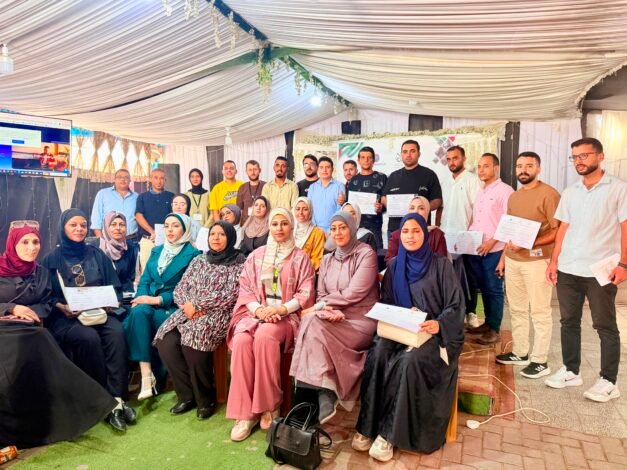
The ceremony was held simultaneously at Metro Hall on al-Shuhada Street in Gaza City and Banana Café Hall in Cairo, with participants from the West Bank and the diaspora joining via Zoom. Approximately 170 guests, civil society representatives, participants, graduates and their families, ICSPR staff, representatives of The Shaikh Group, civil society activists, and people interested in human rights attended.
The ceremony provided an opportunity to celebrate the achievements of Palestinian youth who upheld their right to learn, participate, and produce knowledge despite the harsh humanitarian conditions in the Gaza Strip. It also reflected the importance of investing in young people’s potential and strengthening their role in research, documentation, advocacy, and the defence of human rights and freedoms, while transforming knowledge into initiatives and practical tools that help address national and community challenges.
Programmes Director and lawyer Rana Hdeib opened the ceremony with remarks affirming that completing the diploma amid war and displacement reflected Palestinian youth’s determination, commitment to knowledge, and continued work through words and writing, despite pain and limited resources. She expressed the Commission’s pride in the graduates, who demonstrated commitment and determination in completing the programme’s requirements.
For his part, Mr. Rami Mohsen, Chair of ICSPR’s Board of Directors, welcomed the attendees, partners, and training team, commending the programme’s continuation and the completion of its requirements despite the difficult conditions, crimes, and ongoing humanitarian suffering in the Gaza Strip. He emphasised the important role of young people in raising awareness of rights and freedoms, producing human rights and research knowledge, and strengthening civic action and community participation.
Mohsen praised the efforts of the working, training, and management teams and the participants, giving particular recognition to Dr. Salah Abdel Ati, the Commission’s Director General, for his efforts in overseeing the programme and developing its outputs. He affirmed that the Commission’s doors remain open to graduates to continue working, volunteering, and participating in its human rights and community activities and initiatives.
In turn, Ms. Sahar Al-Atrash, Director of The Shaikh Group, expressed her pride in the partnership with ICSPR, praising the efforts of the training team and everyone who contributed to the programme’s success. She affirmed that young people’s determination to complete the diploma despite war and displacement reflected their ability to continue learning and overcome challenges, as well as the importance of providing spaces that help them develop their skills and strengthen their participation in serving their communities.
Abdel Ati: The Diploma’s Outputs Went Beyond Training to Human Rights and Community Impact and International Advocacy
In his remarks, Dr. Salah Abdel Ati, Director General of ICSPR, praised the diversity of the research papers and reports produced by participants and the initiatives and activities they implemented. He affirmed that the programme was not limited to theoretical training, but helped develop young people’s capacities for research, analysis, knowledge production, and translating knowledge into practical action.
Abdel Ati stressed that young people’s continued learning, research, production, and participation amid the genocidal war and harsh humanitarian conditions expressed their commitment to hope, life, rights, and human dignity. He noted that the diploma’s outputs extended to preparing reports, fact sheets, and policy papers, implementing community initiatives and advocacy campaigns, and organising national, political, and human rights dialogues.
He explained that these outputs addressed strengthening resilience and community recovery, supporting civil peace, preparing for elections, improving the governance of humanitarian aid, expanding access to justice, identifying community problems, and developing solutions and policy alternatives, thereby strengthening young people’s ability to contribute to addressing the challenges facing Palestinian society.
He added that a number of these outputs were directed to national, Arab, and international bodies, while also being used in dialogues with political parties and public figures and in support of advocacy campaigns aimed at protecting the Palestinian people’s rights and strengthening solidarity with them. He noted that the circulation of research papers through Palestinian and Arab platforms and their reaching more than 80,000 addresses worldwide created a broader space for sharing and engaging with Palestinian human rights knowledge.
Abdel Ati stressed that the participation of young people from different Palestinian regions and communities, both in person and through video communication, reflected the unity of the Palestinian experience and the importance of building shared spaces that bring young people together around knowledge and human rights and community work, despite geographic barriers and the conditions imposed by war.
ICSPR Moves Towards Establishing a Palestinian Youth Forum to Sustain Action and Participation
Abdel Ati announced plans to establish a Palestinian youth forum that would enable graduates and other young people to continue working together, exchange experiences, develop initiatives, strengthen community and political participation, and expand research, international advocacy, and solidarity with the Palestinian people’s rights.
He explained that the forum aims to provide a sustainable space for organising youth efforts and developing initiatives, strengthening young people’s role in rebuilding the Palestinian political system, protecting civil peace, supporting democratic participation and preparations for electoral processes, and contributing to addressing national and community challenges during the transitional period.
He affirmed that the goal is to move from training to organised human rights, national, and international action, ensuring the programme’s lasting impact and enabling young people to apply their knowledge and experience in serving society and defending rights and freedoms.
At the conclusion of his remarks, Abdel Ati thanked Ms. Sahar Al-Atrash, Director of The Shaikh Group, the training team, trainees, and graduates, praising their efforts and commitment, which contributed to the programme’s success and the achievement of its outputs.
Graduate Rawand Abu Watfa, speaking on behalf of the Gaza Strip’s graduates, expressed her appreciation to ICSPR, the training staff, and The Shaikh Group. She noted that the experience provided participants with new knowledge and skills, helped develop their capacities, and strengthened their interest in human rights and community work, despite the difficulties encountered during the training period.
Speaking on behalf of the West Bank’s graduates, lawyer Walid Abu Hashem delivered a message of solidarity and resilience expressing the unity of Palestinian youth in Gaza, the West Bank, and abroad. He emphasised the diploma’s importance in developing young people’s capacities in mobilisation, advocacy, good governance, civil peace, and democratic participation, calling for theoretical knowledge to be translated into practical action that helps address community problems and empower Palestinians.
Dr. Mohammed Abu Saada also stressed the importance of scientific research as a fundamental pillar in the advancement of peoples, state-building, addressing problems, and developing alternative solutions.
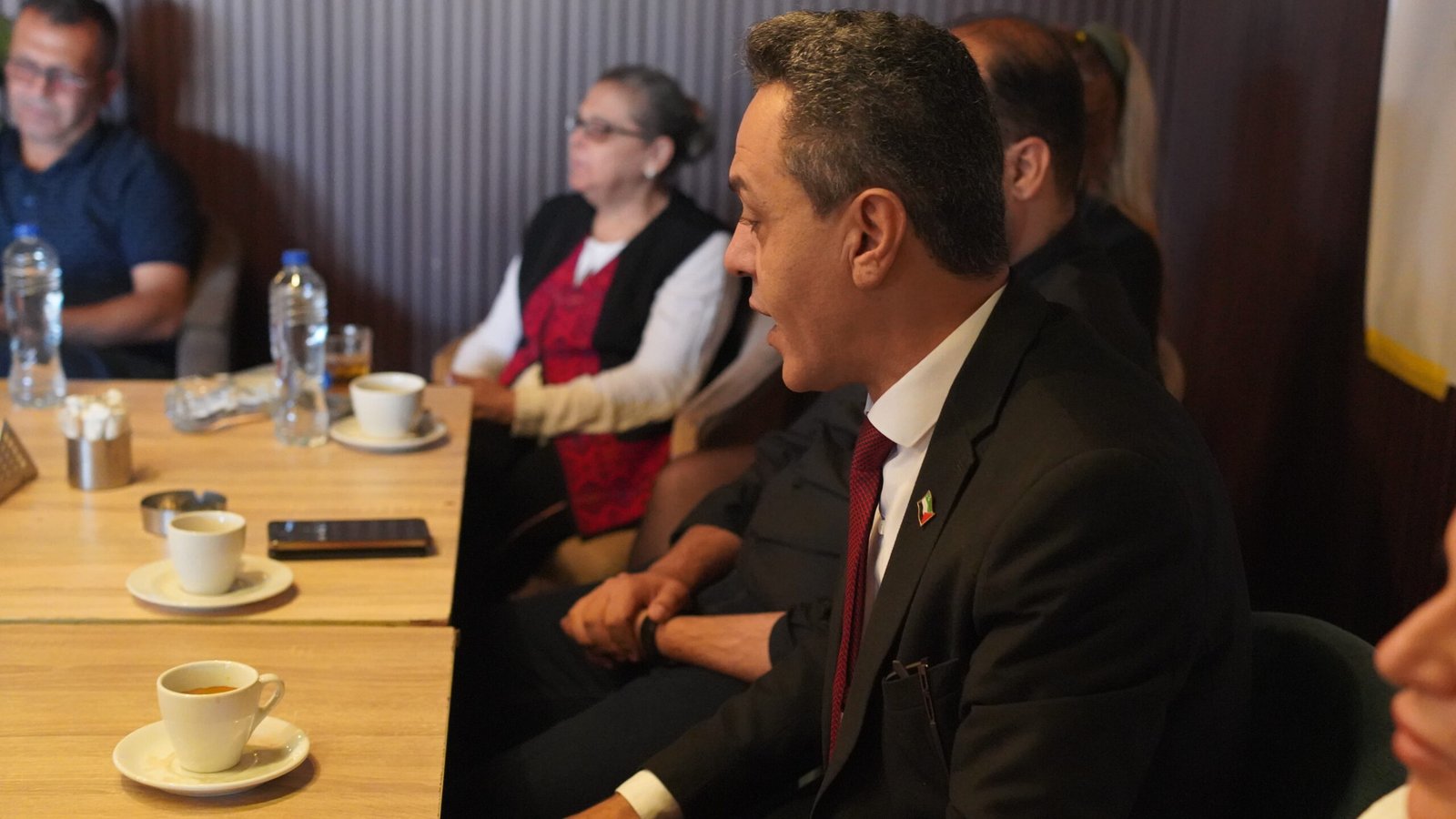
For their part, Dr. Karima El-Hefnawi and Dr. Dina Mohsen, from the Arab Republic of Egypt, praised the importance of training in strengthening young people’s capacities and awareness of human rights and humanitarian issues amid Israeli crimes and violations and the crimes and humanitarian suffering endured by the Palestinian people. They commended the Palestinian people’s steadfastness and commitment to their rights and land, and thanked ICSPR, Dr. Salah Abdel Ati, and the working team for their efforts and participation in training and activities supporting Palestine.
They affirmed that completing this programme represented a distinguished professional experience, given the research and community results achieved by participants, particularly amid the genocidal war and humanitarian catastrophe endured by the Palestinian people.
The ceremony included the screening of a short film documenting the diploma’s main milestones and the challenges faced during its implementation. It presented participants’ experiences over the eight months, including repeated electricity and communications outages and the difficulties of displacement and movement, alongside their determination to continue training and complete their research papers.
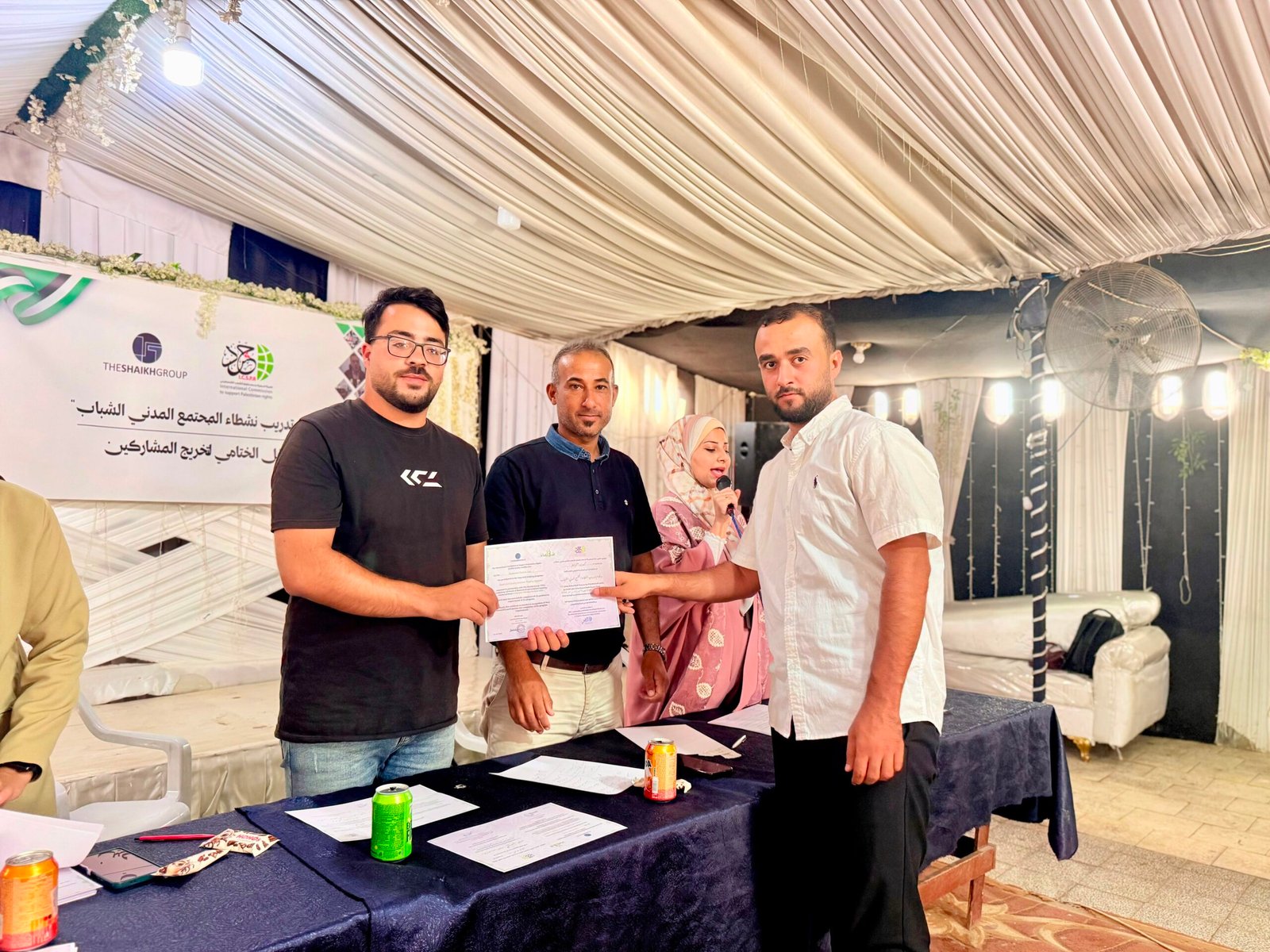
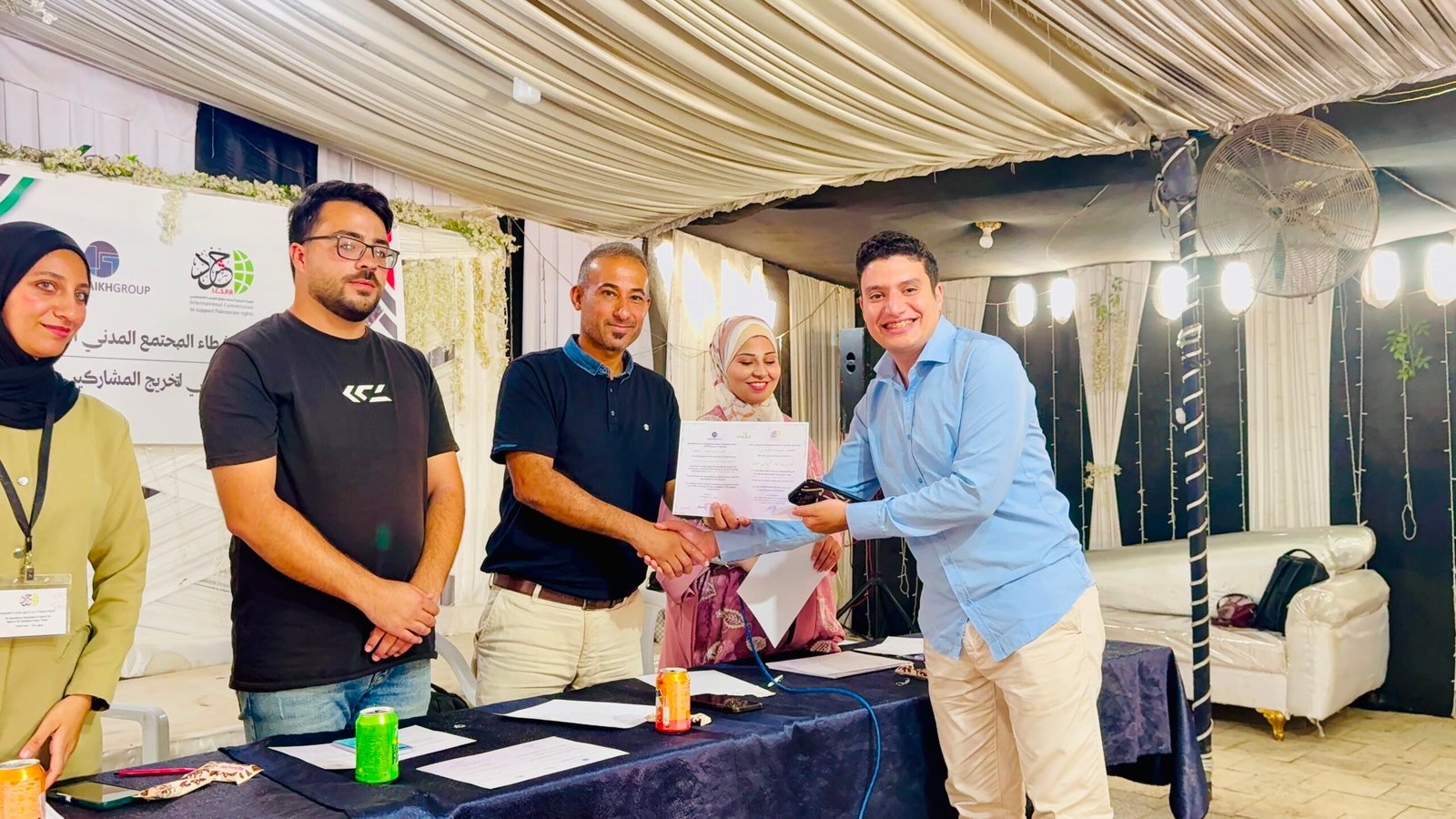
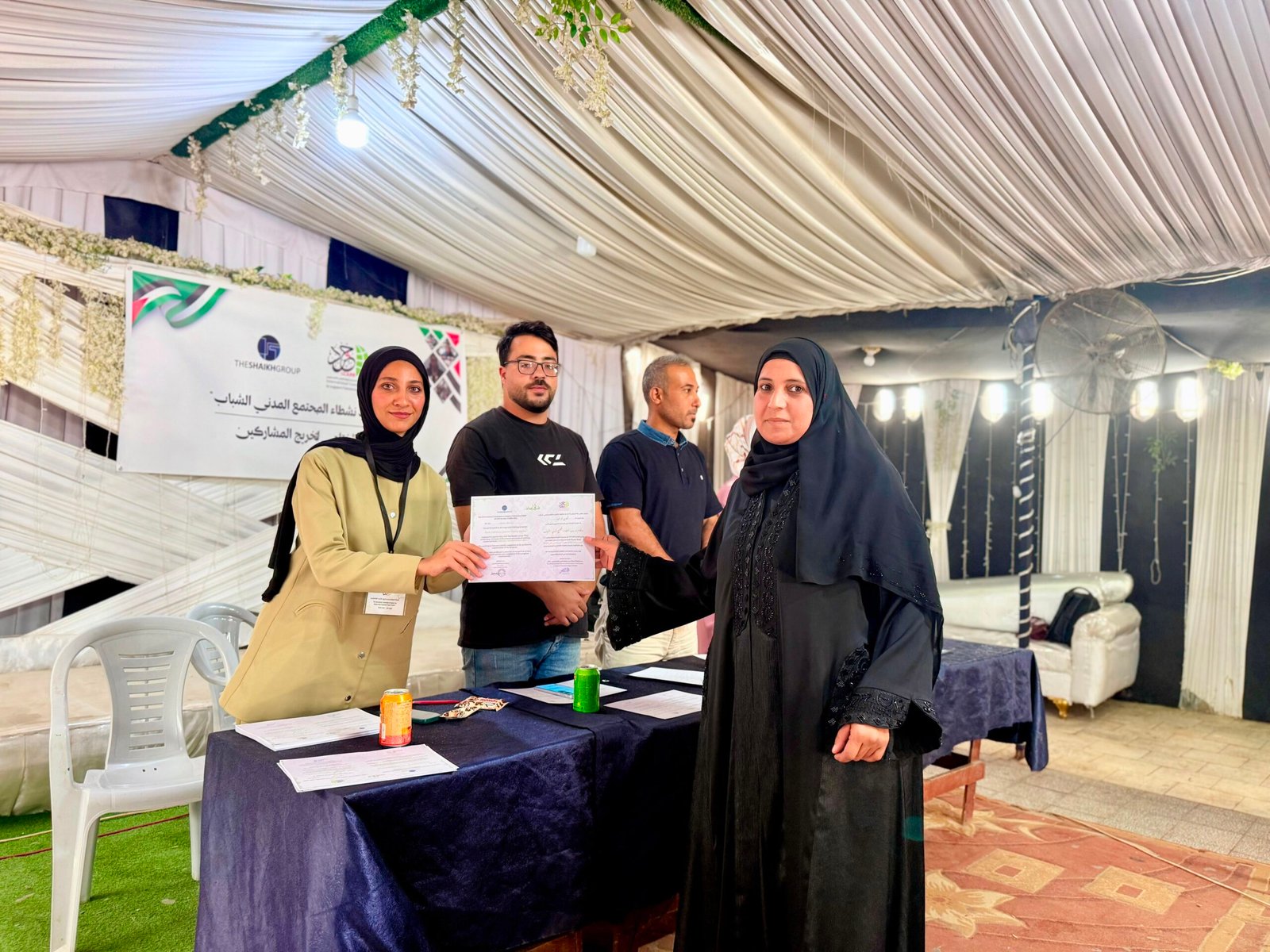
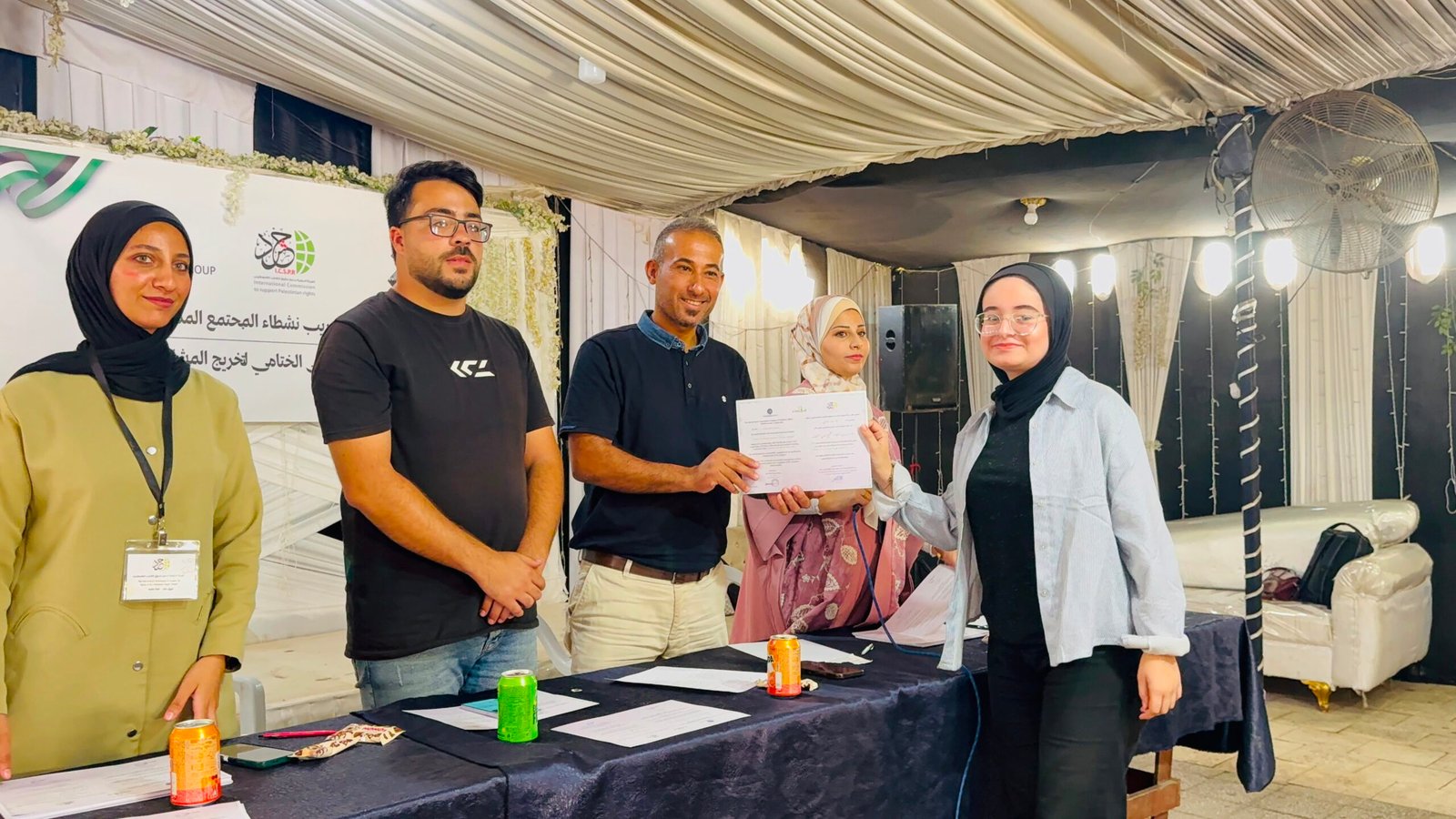
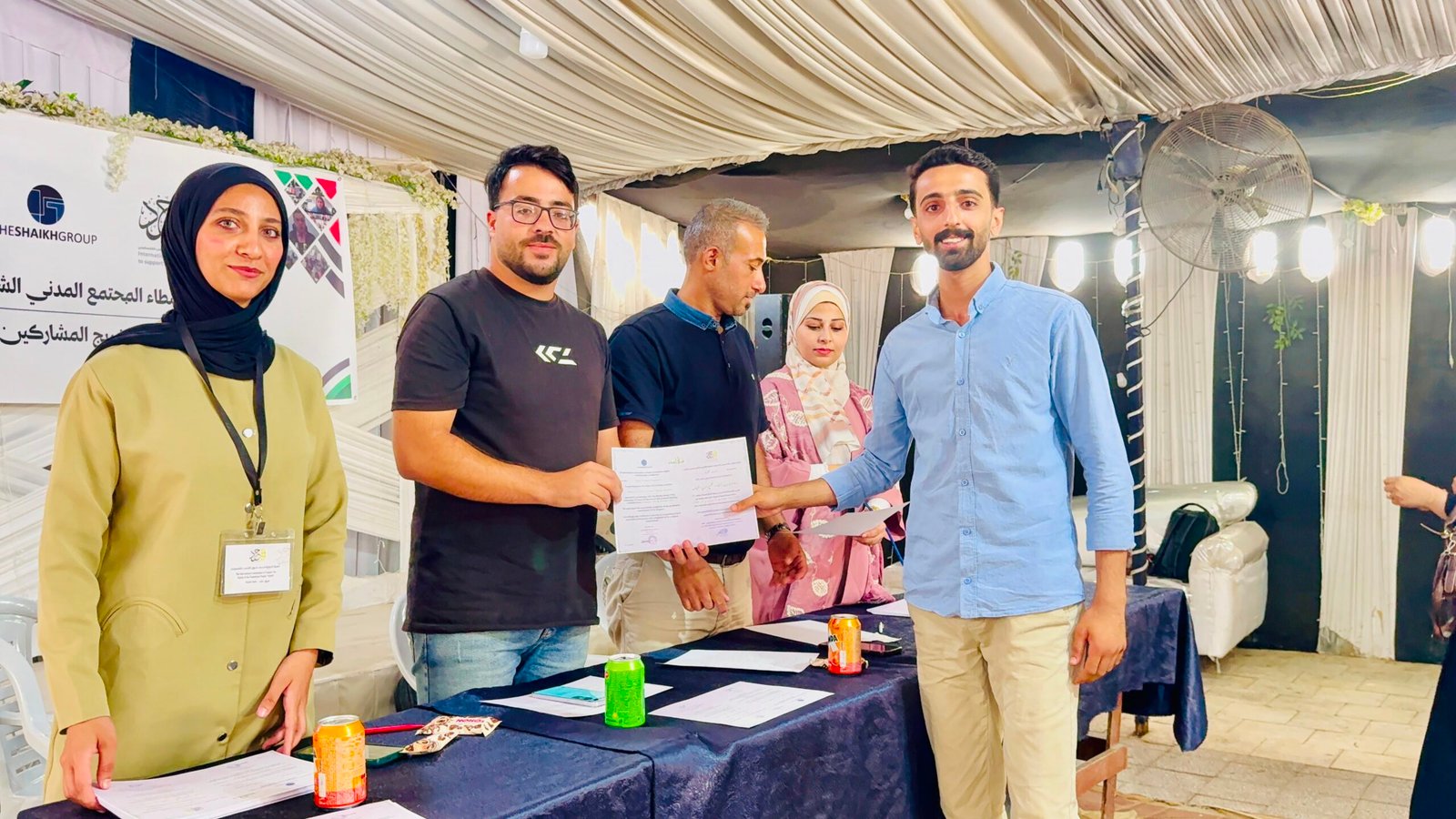
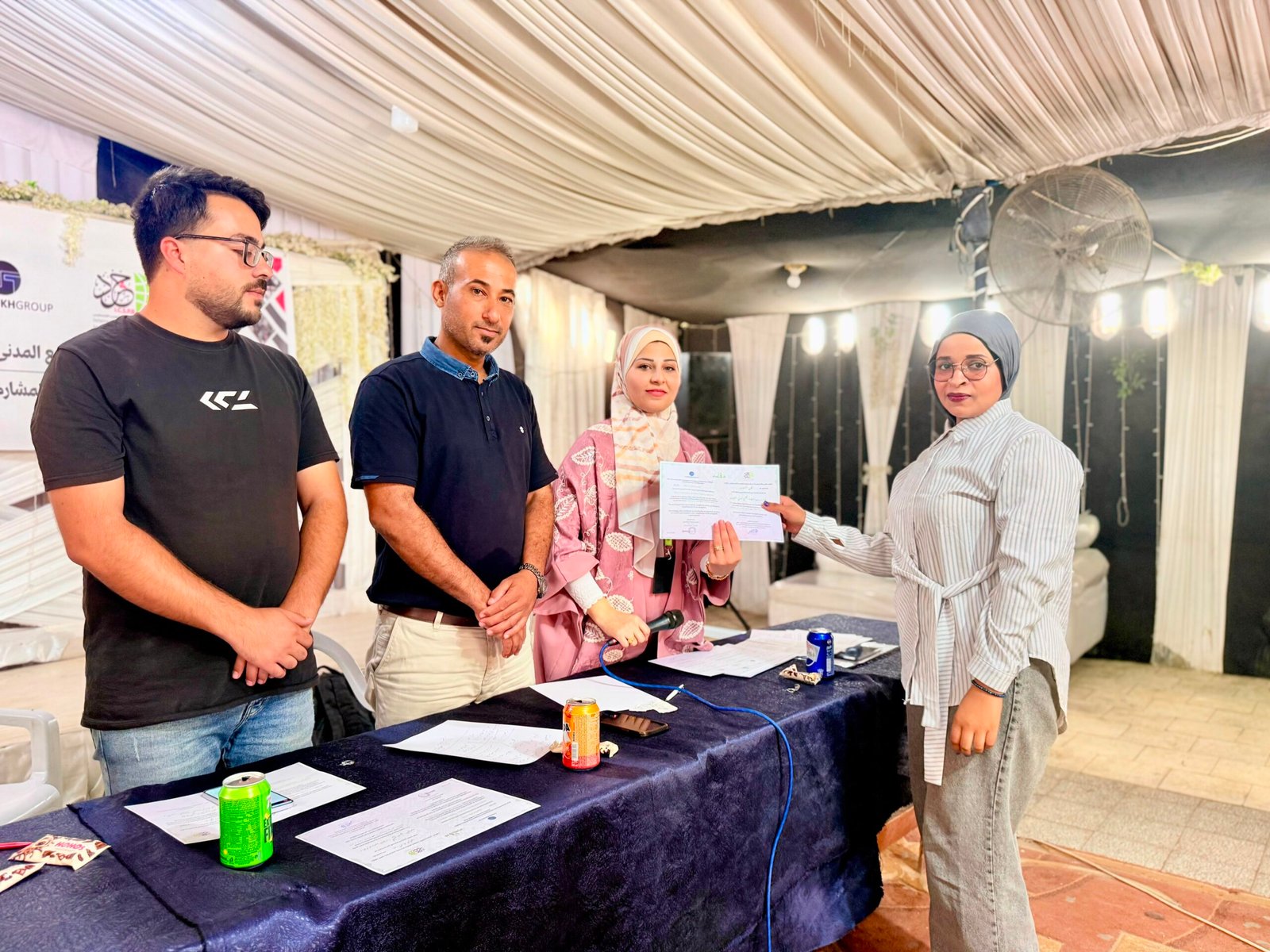
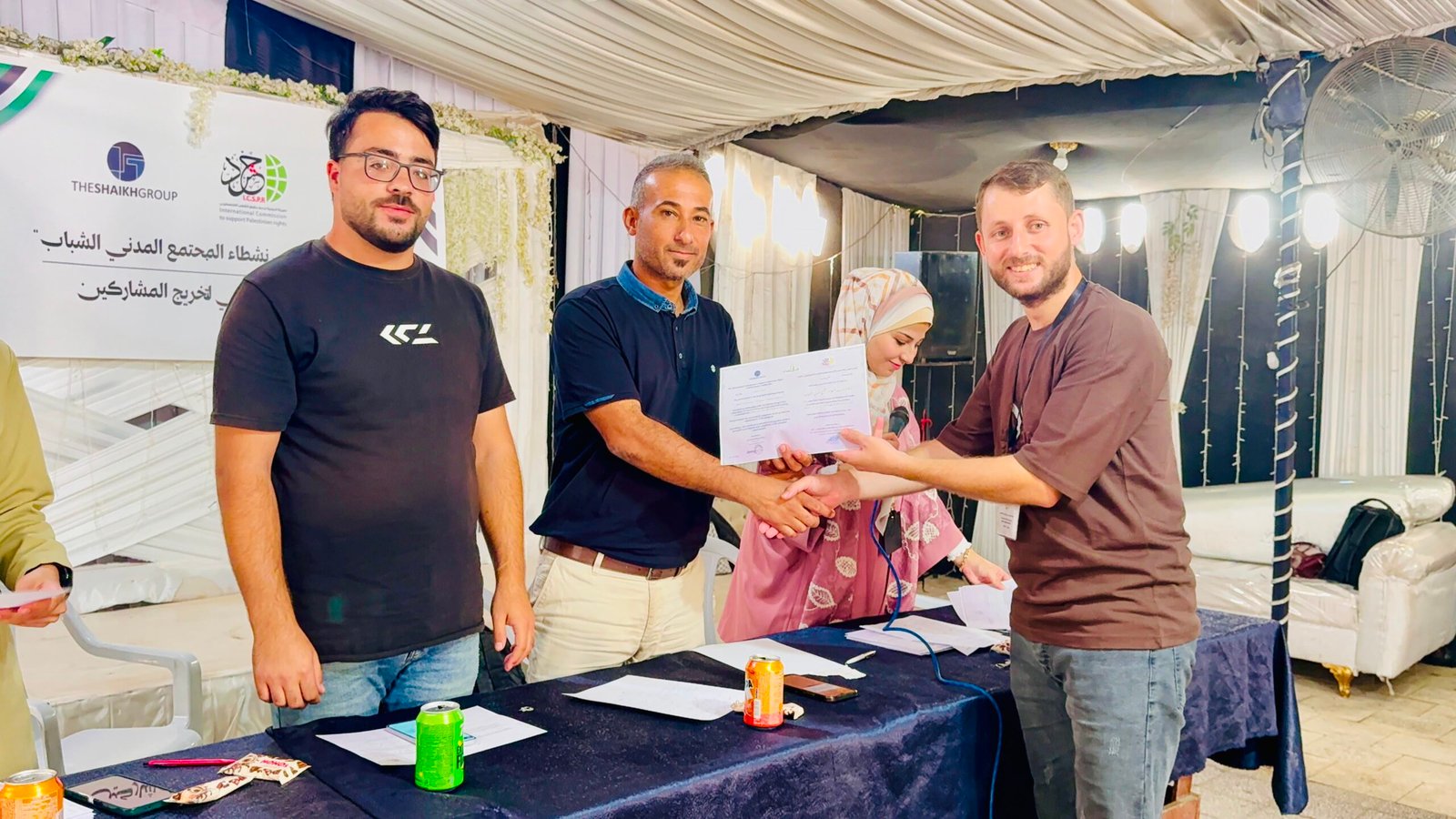
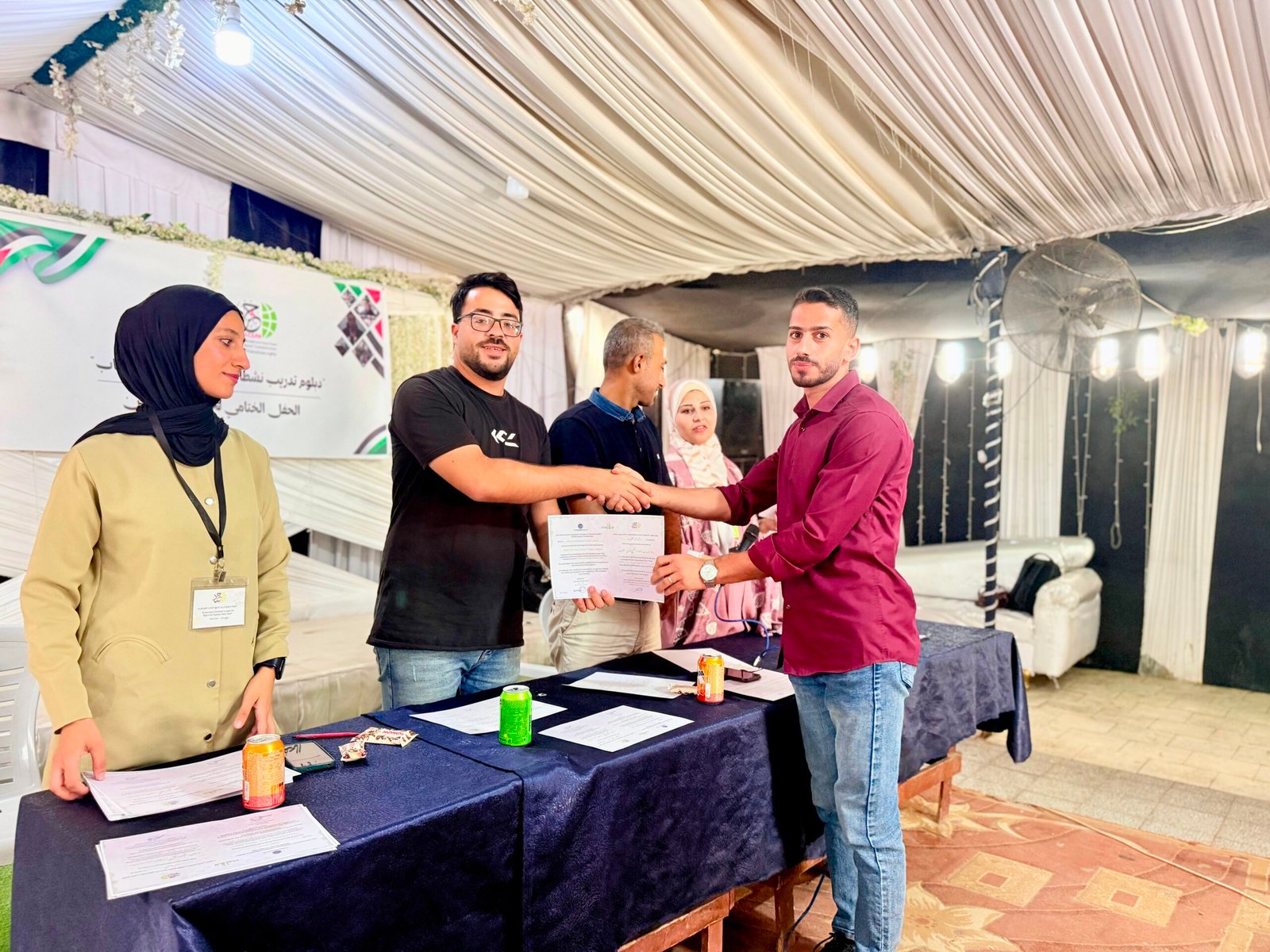
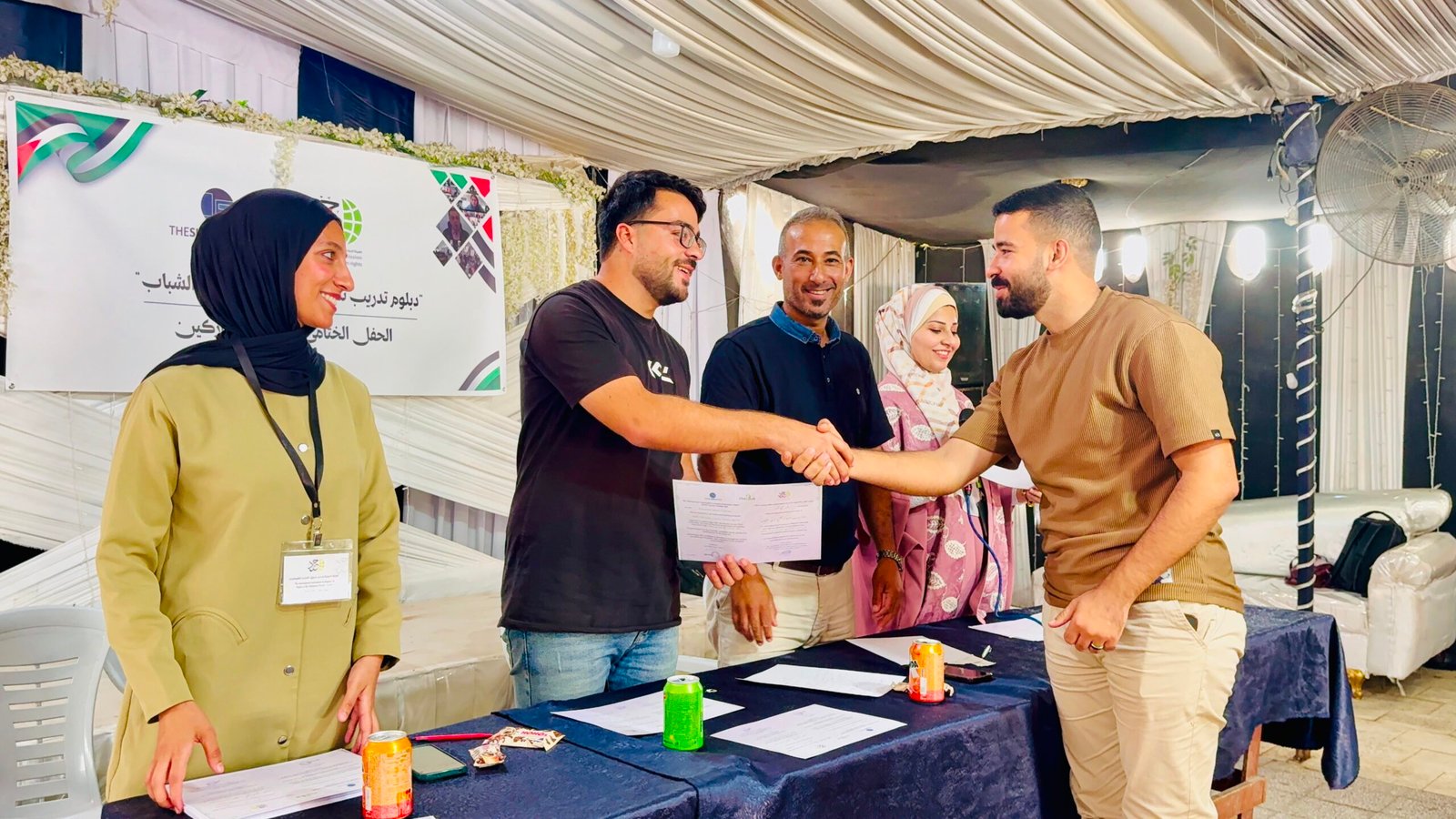
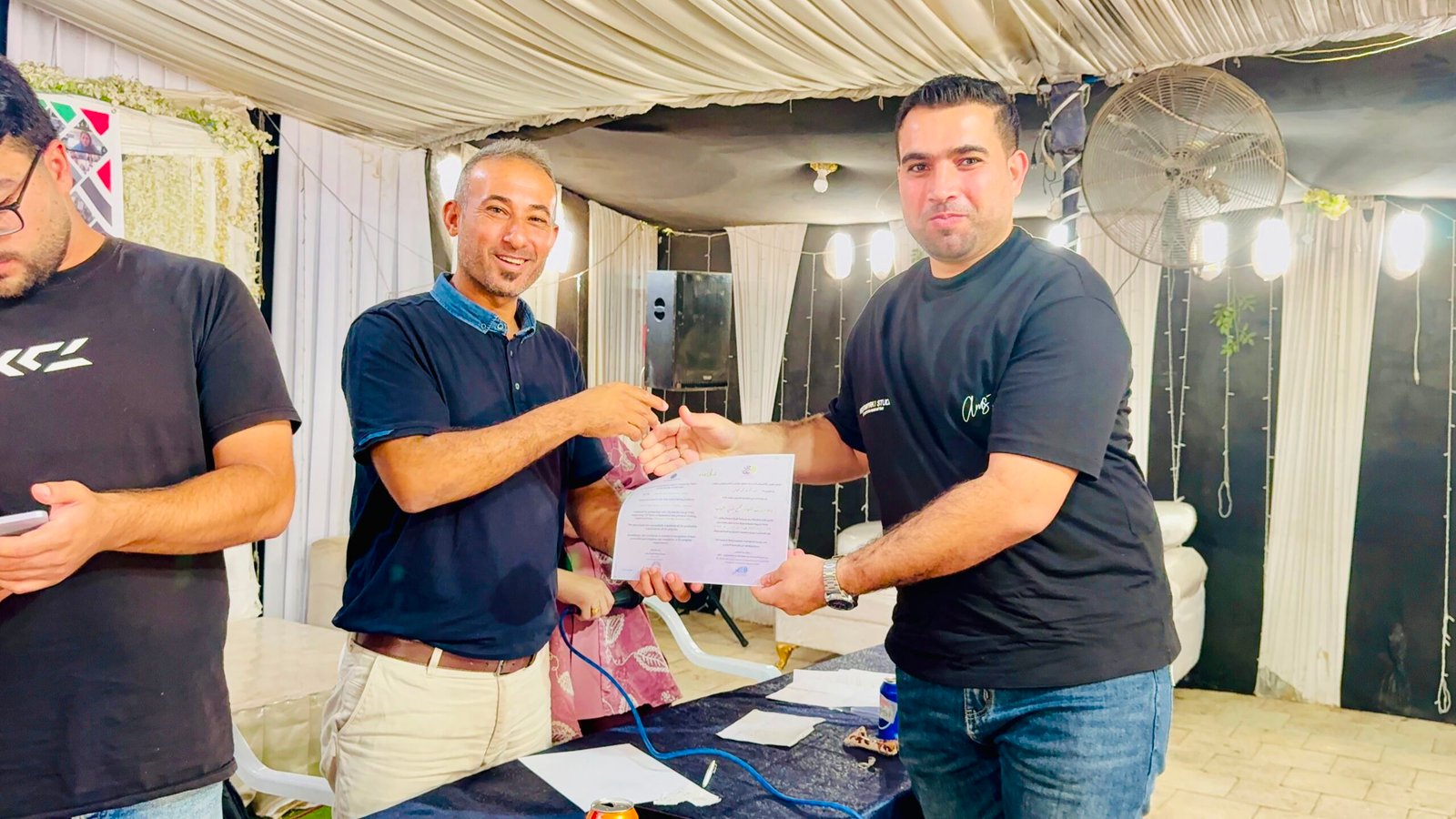
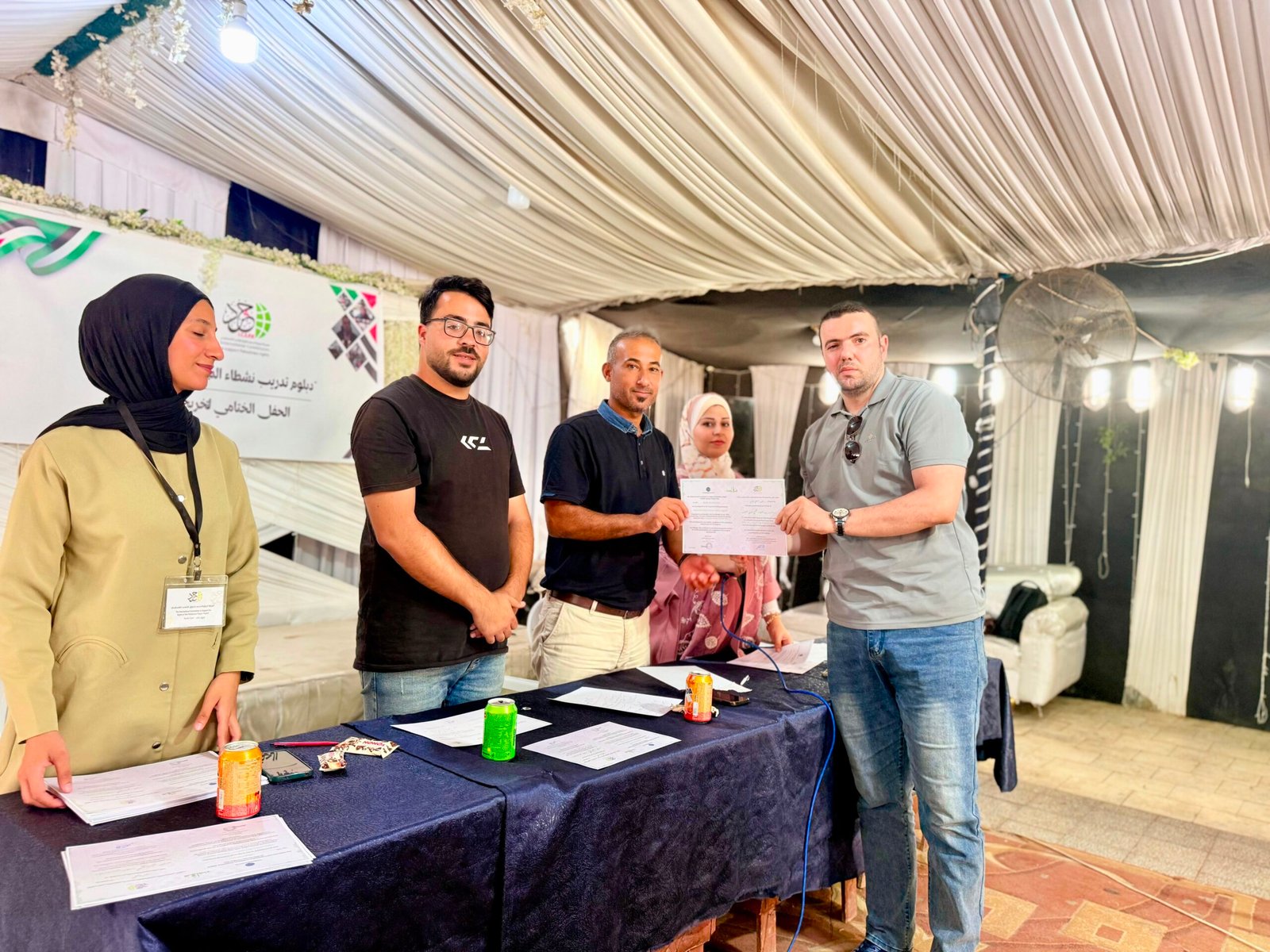
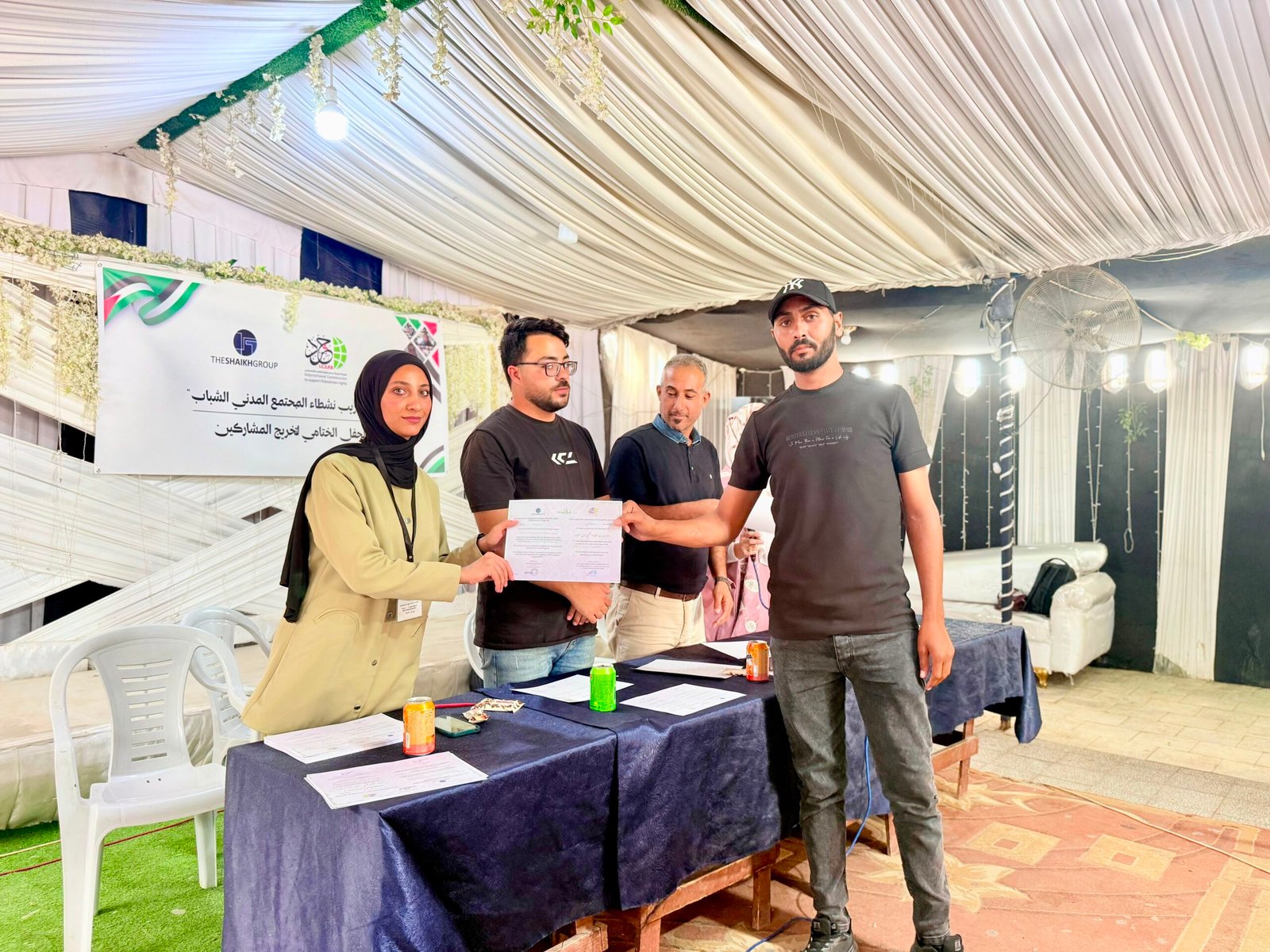
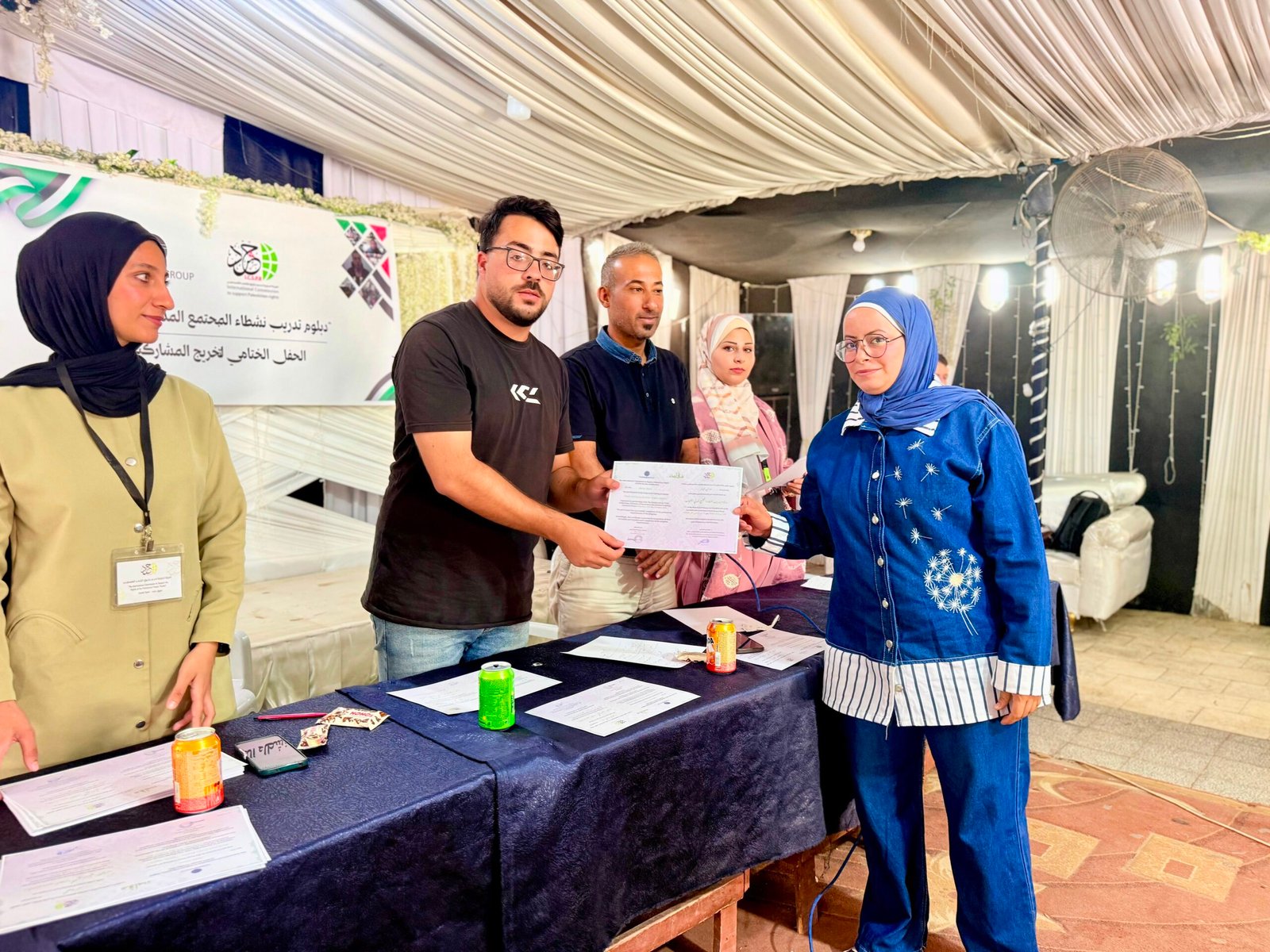
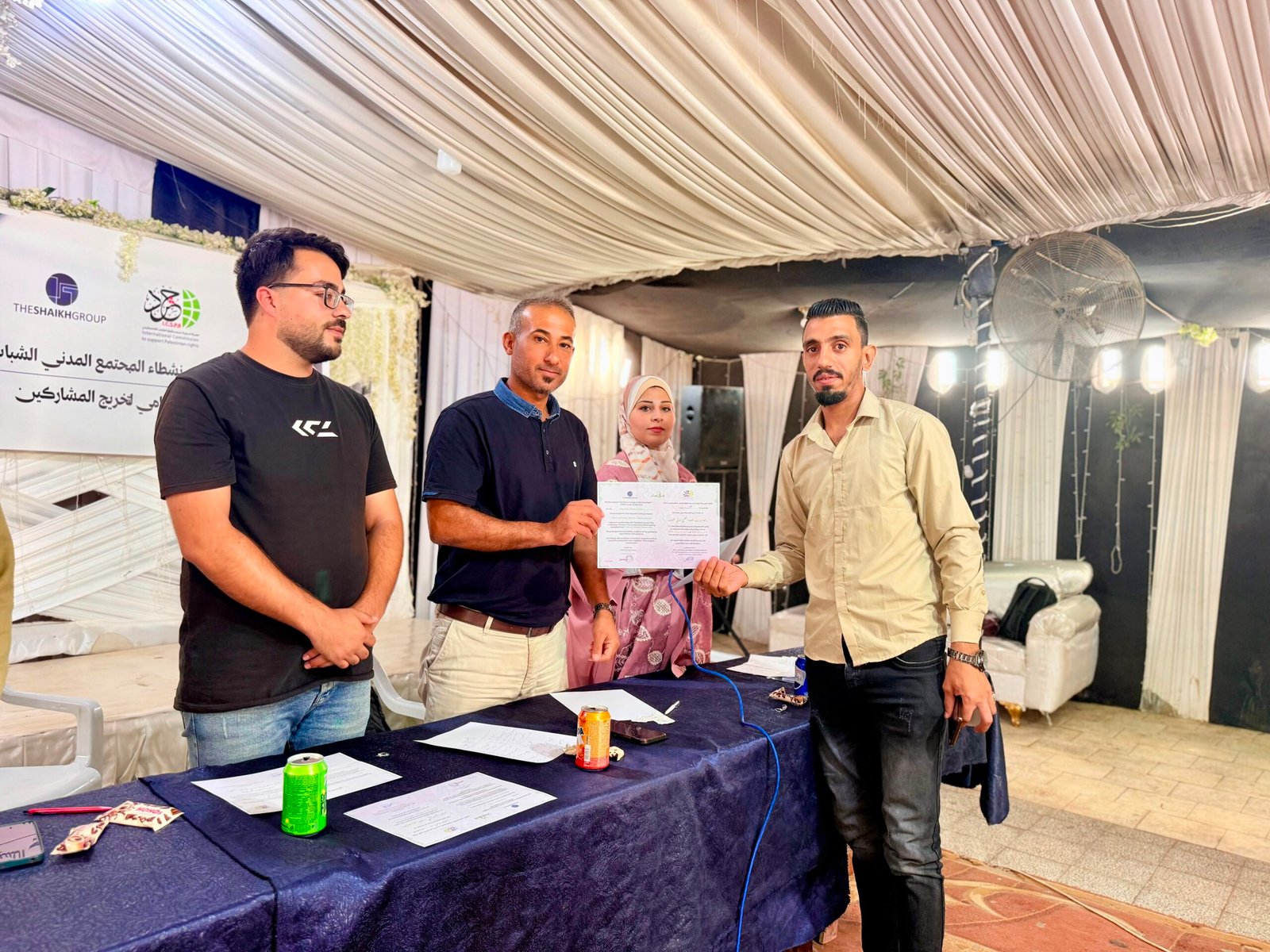
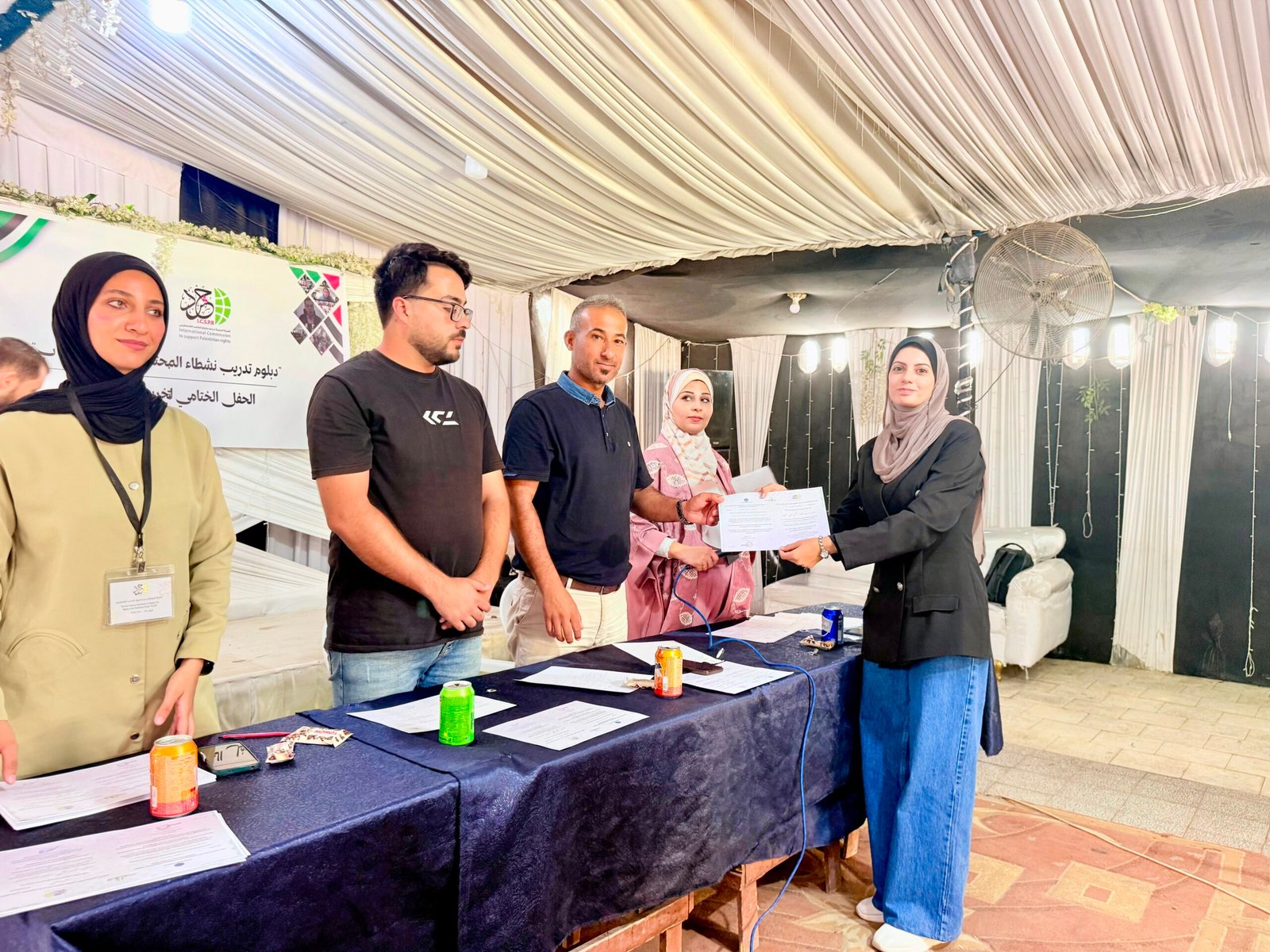
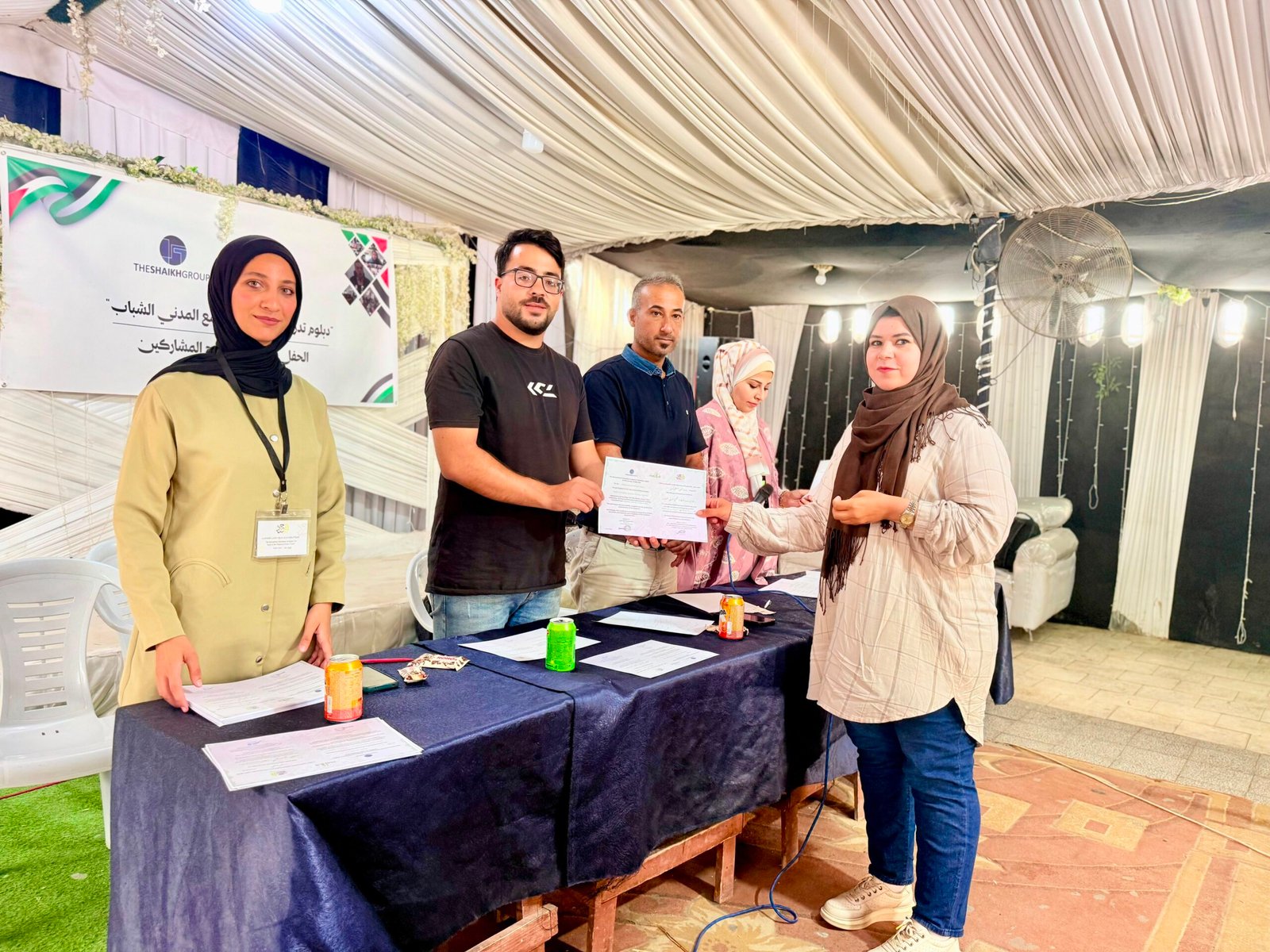
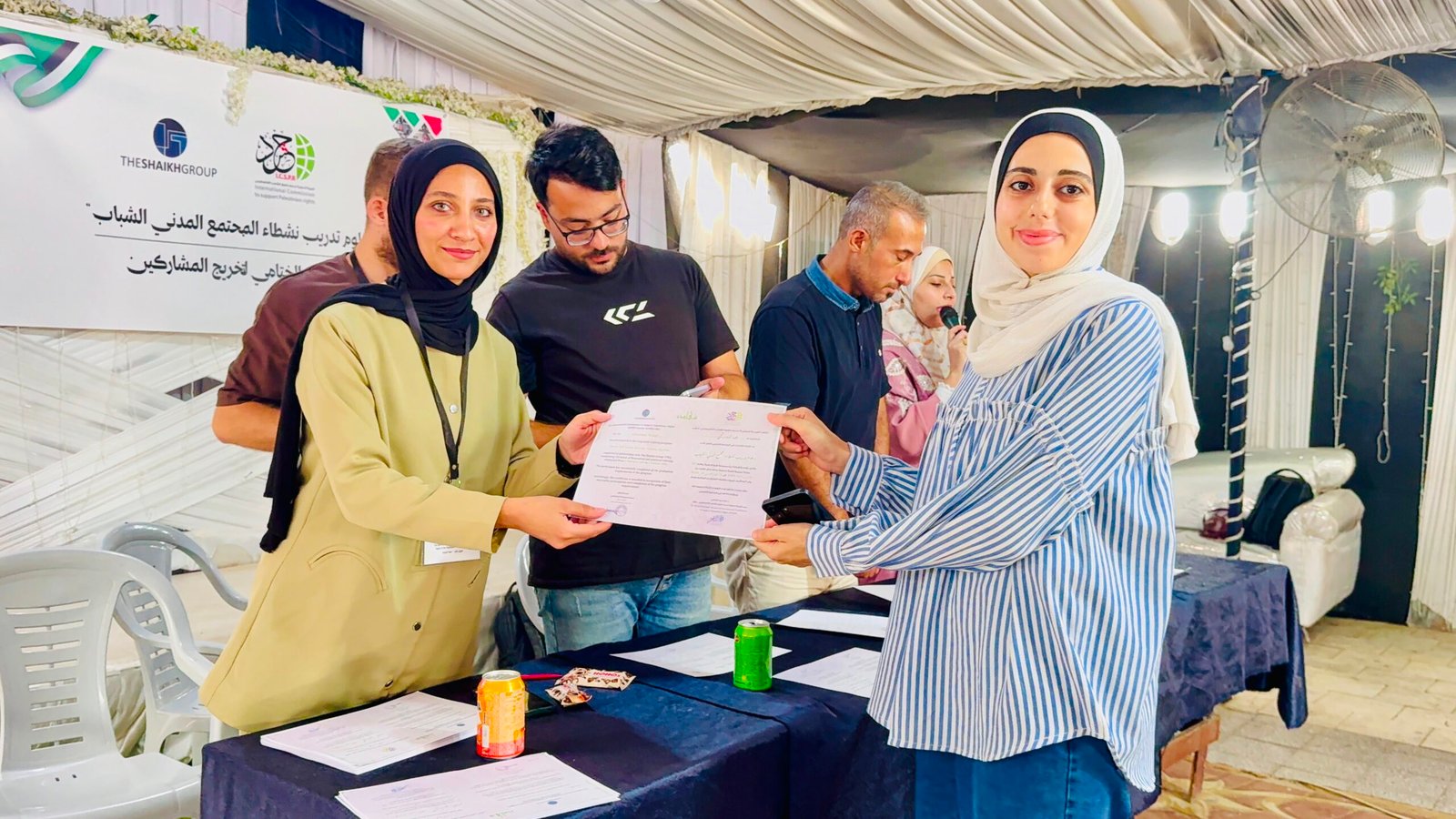
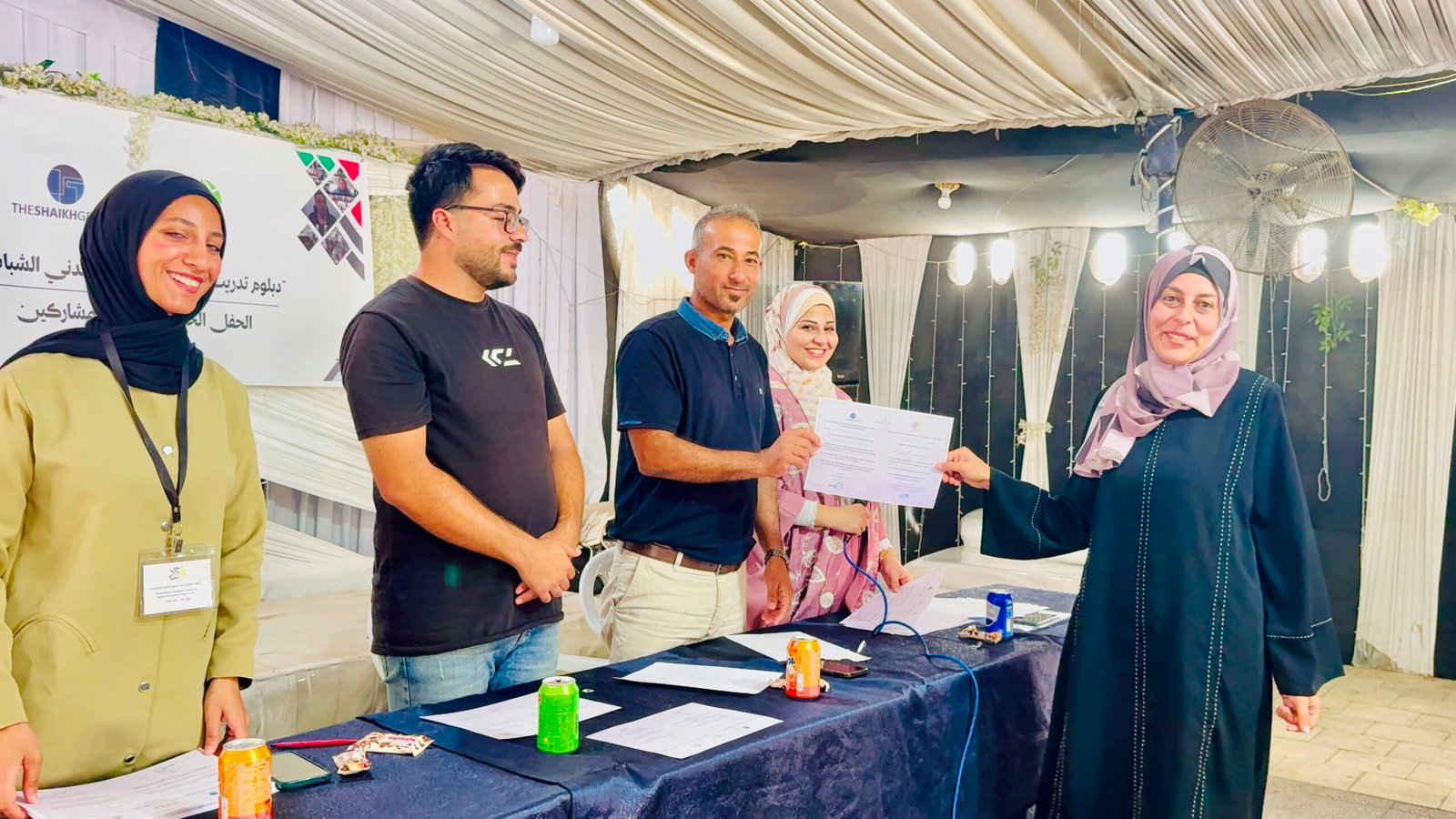
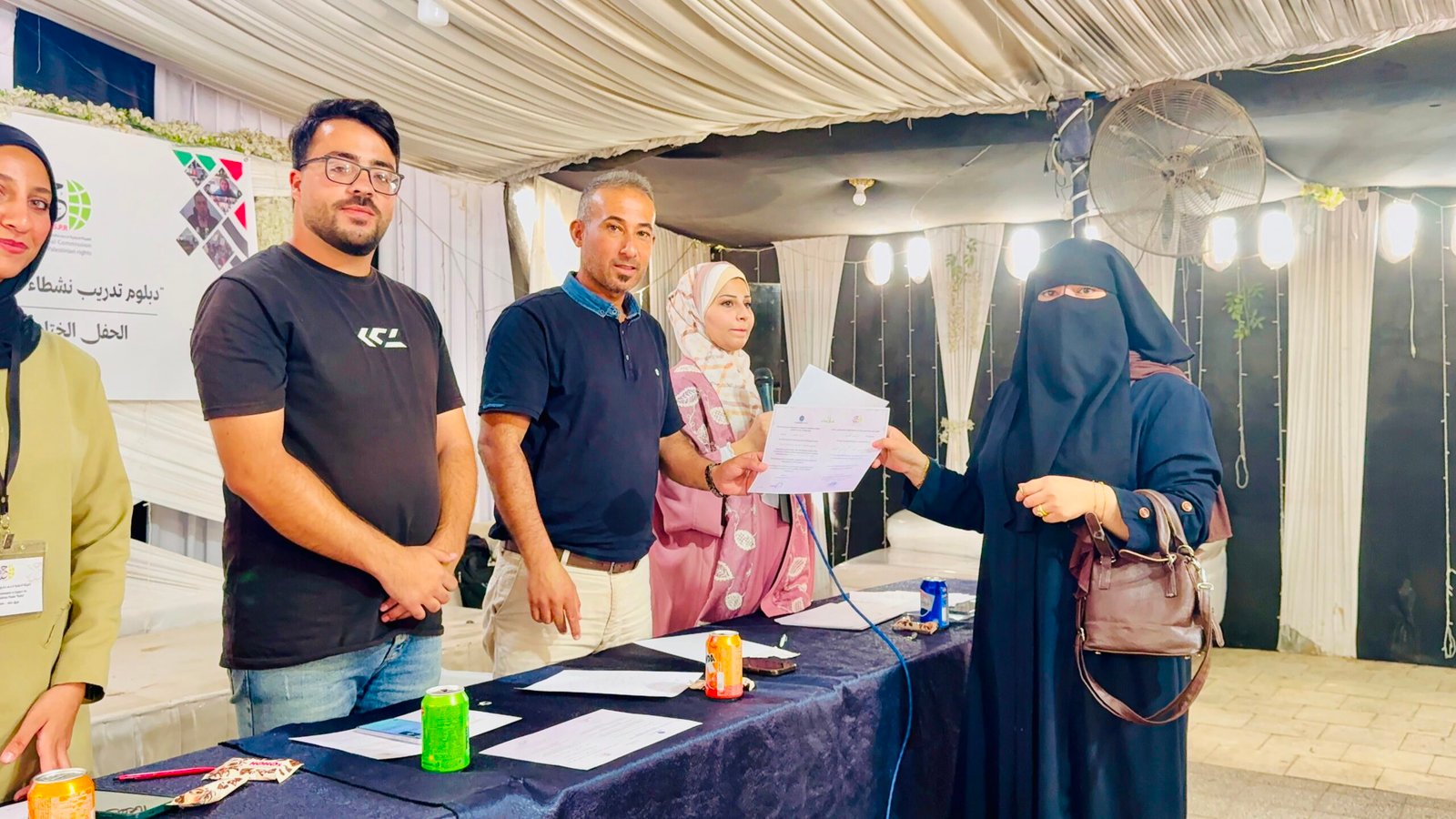
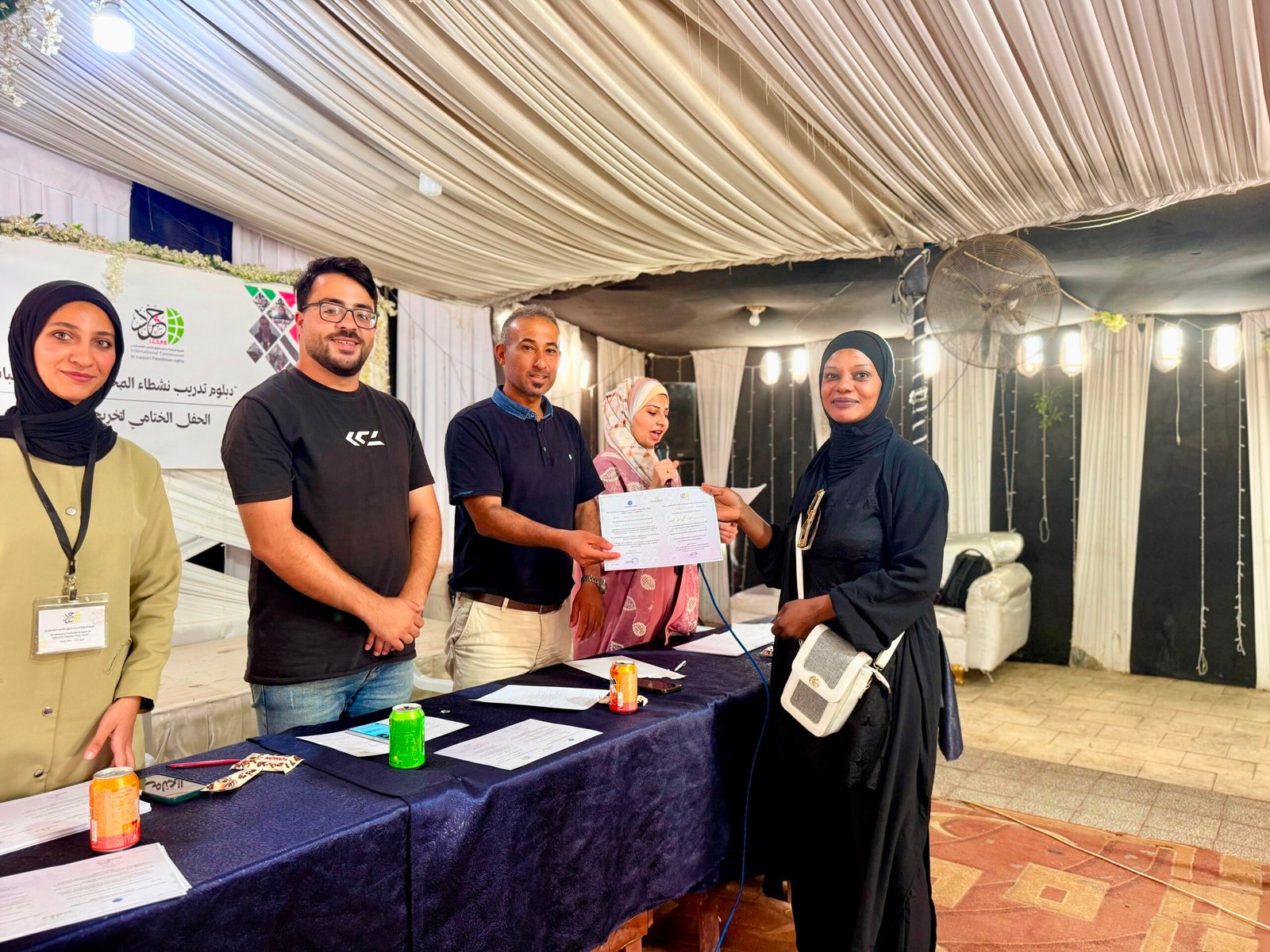
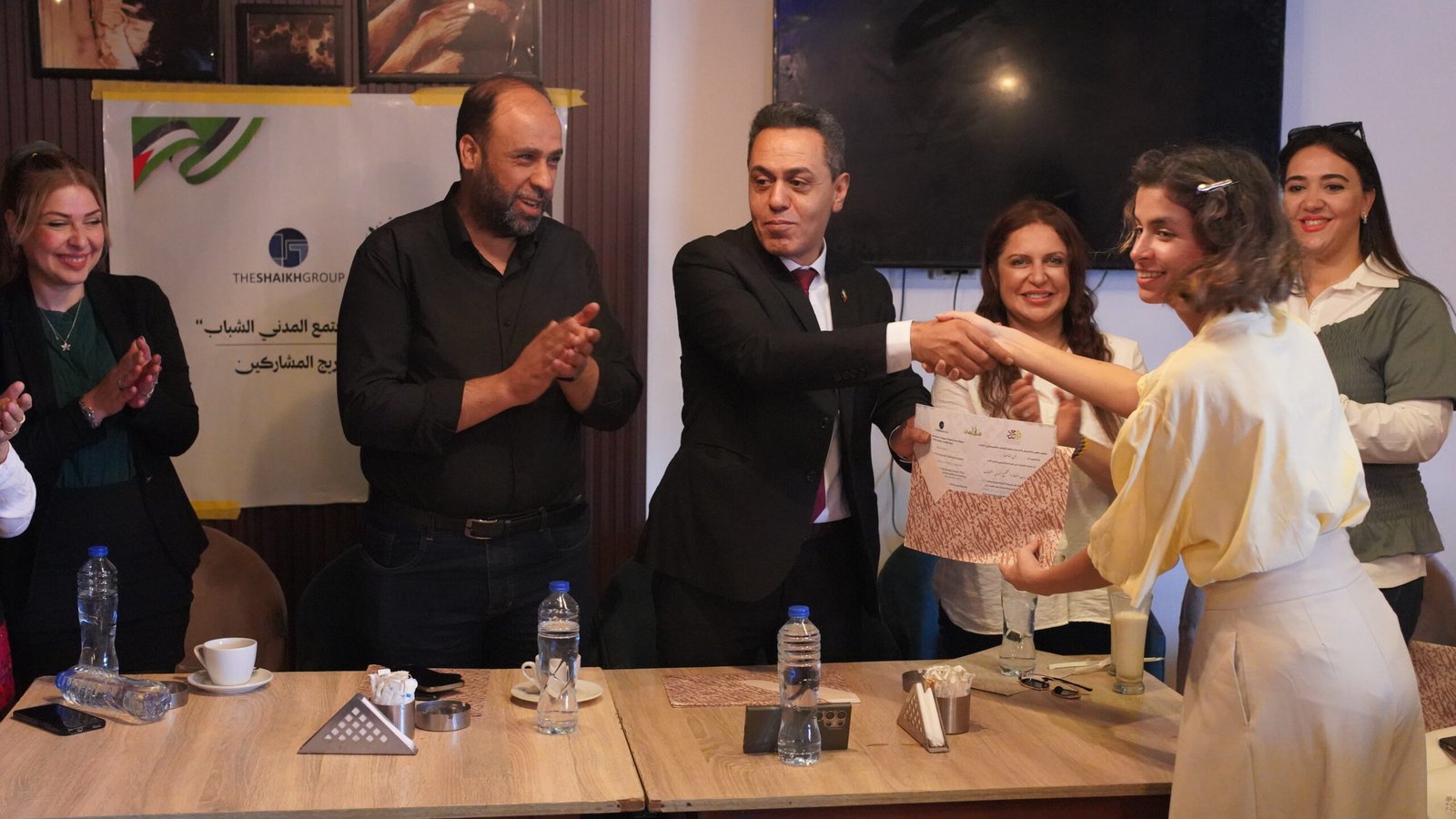
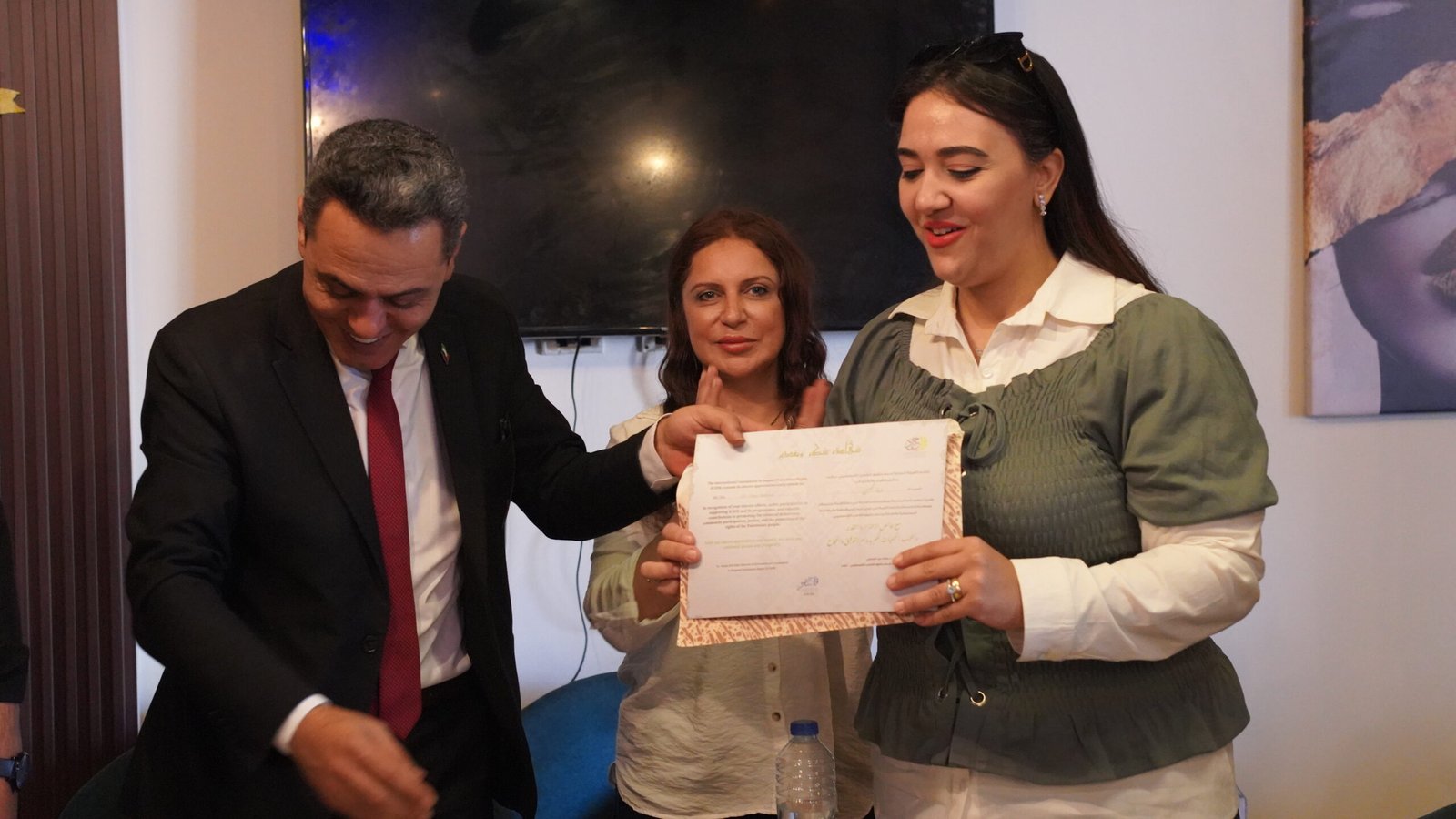
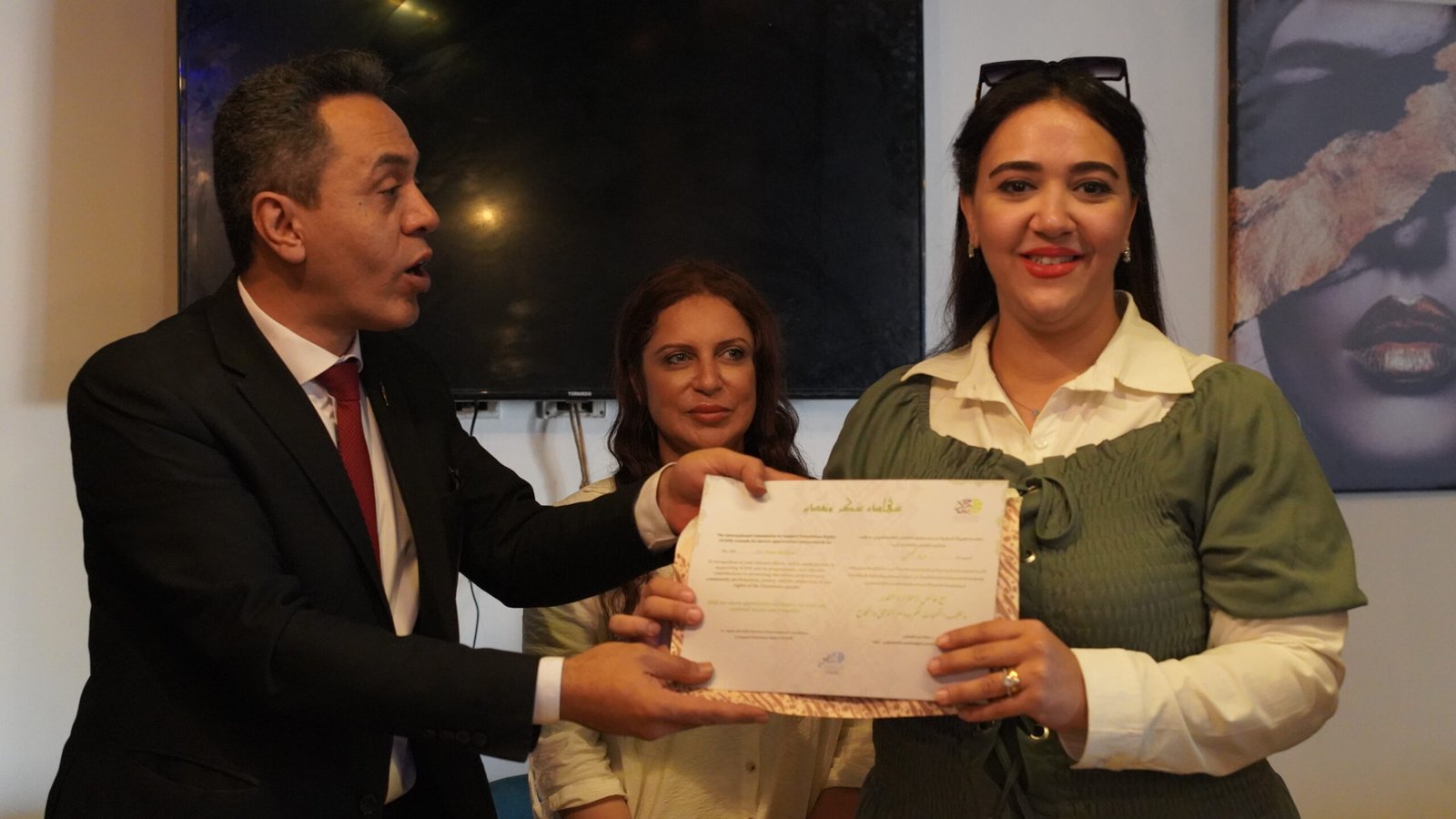
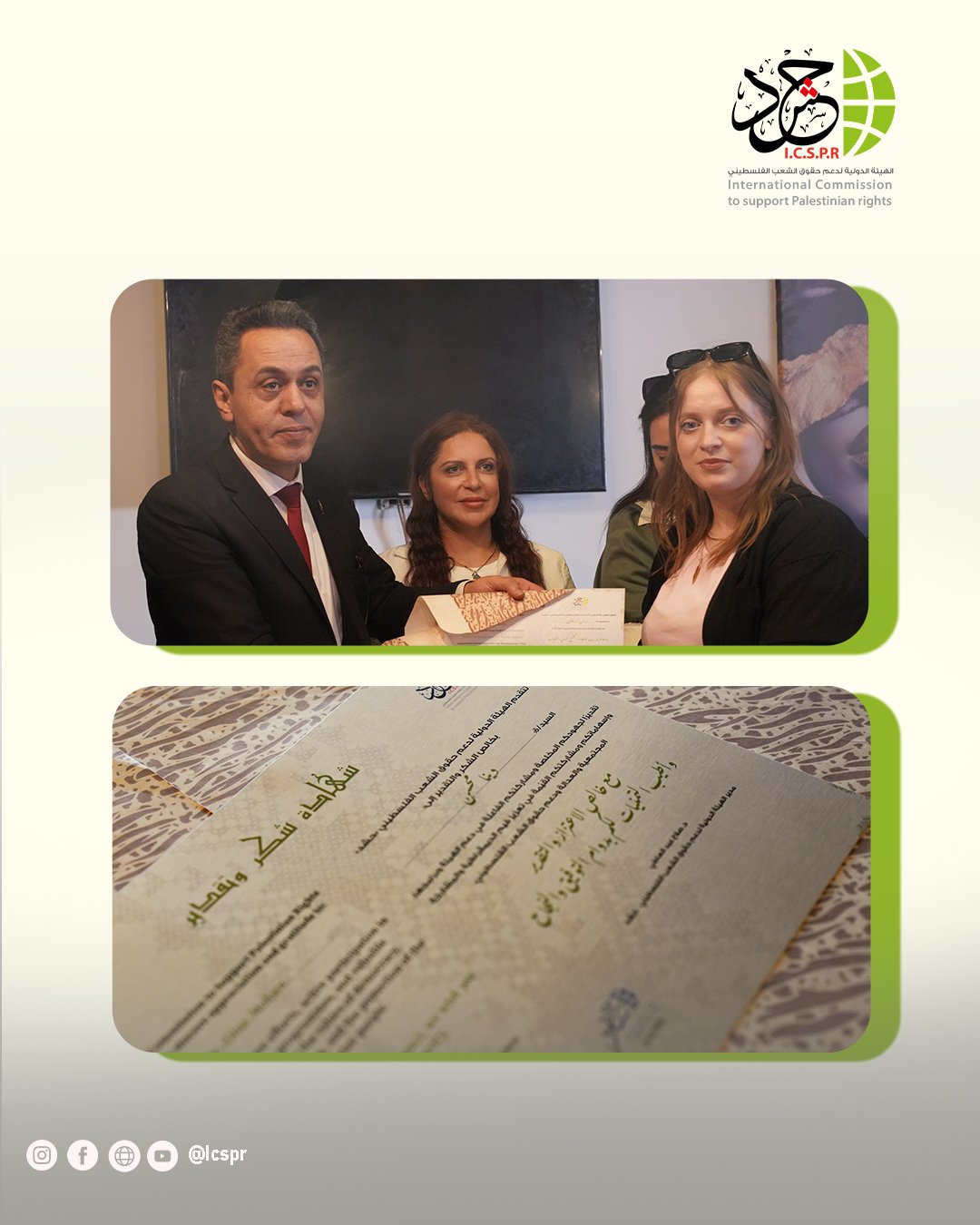
The ceremony also featured the distribution of certificates to graduates and the recognition of the training team and representatives of the partner group in appreciation of their efforts in implementing the programme and supporting participants until they completed its requirements.
ICSPR affirmed that the graduation ceremony did not mark the end of the training journey, but the beginning of a new phase of human rights and community work. It stressed that investing in young people’s capacities is a fundamental pillar for strengthening community participation, developing their abilities in research, documentation, advocacy, and the defence of rights and freedoms, and striving to strengthen civil peace and serve the Palestinian cause.
The Commission added that it would continue to provide opportunities for graduates to participate in its programmes, activities, and voluntary and human rights initiatives, and work to develop sustainable spaces for cooperation, the exchange of experience, and knowledge production through the Palestinian Youth Forum, which includes more than 500 young men and women from various Palestinian communities. This would strengthen young people’s presence in national, human rights, and humanitarian issues and provide broader opportunities for participation, coordination, and collective action.
The ceremony concluded with congratulations to the graduates and an emphasis on the importance of continuing to write, research, and publish, and transforming training outputs into practical initiatives that serve Palestinian society and promote the values of freedom, justice, human dignity, and accountability.
During the ceremony, the graduates affirmed in a clear message that their participation in the programme had strengthened their resilience and capacities: war had not stopped learning, displacement had not eliminated the ability to produce, and harsh conditions had not prevented Palestinian youth from continuing research and national and community work in defence of the Palestinian people’s rights and human dignity.