
ICSPR Continues Dialogue on Elections, Examining Participation Guarantees, Challenges, and the Rebuilding of the Palestinian Political System

Date: September 16, 2026
Press Release
ICSPR Continues Dialogue on Elections, Examining Participation Guarantees, Challenges, and the Rebuilding of the Palestinian Political System
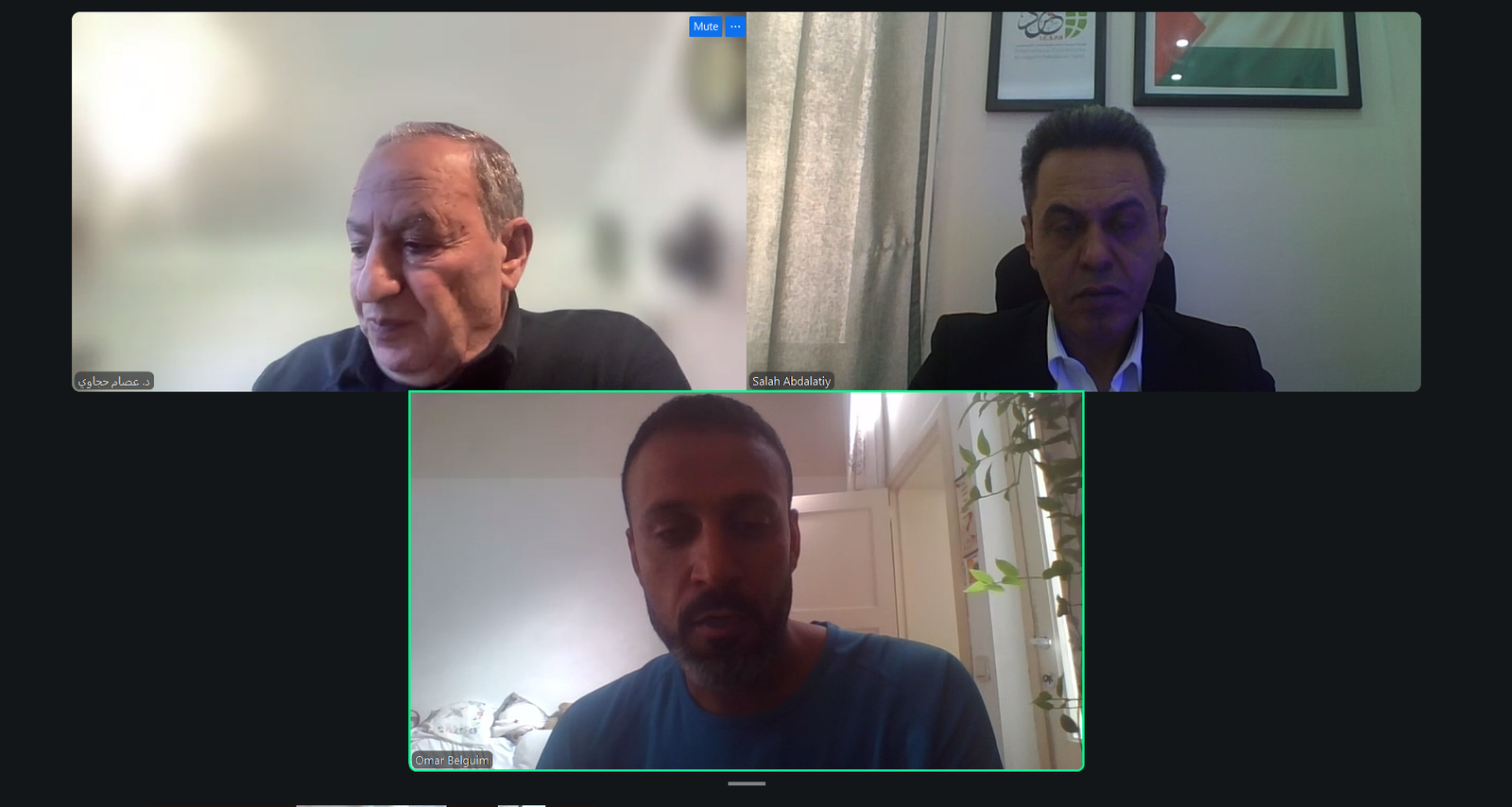
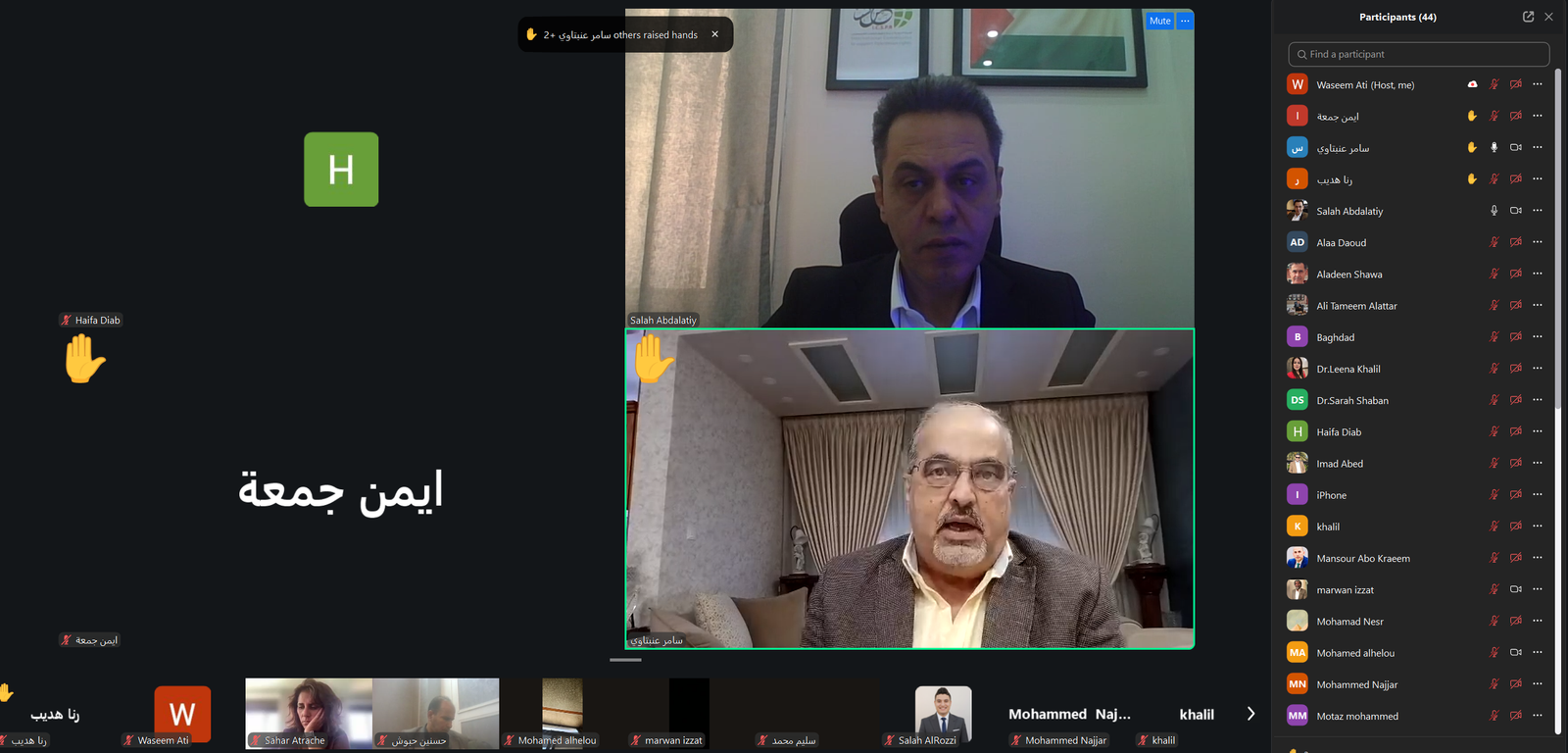
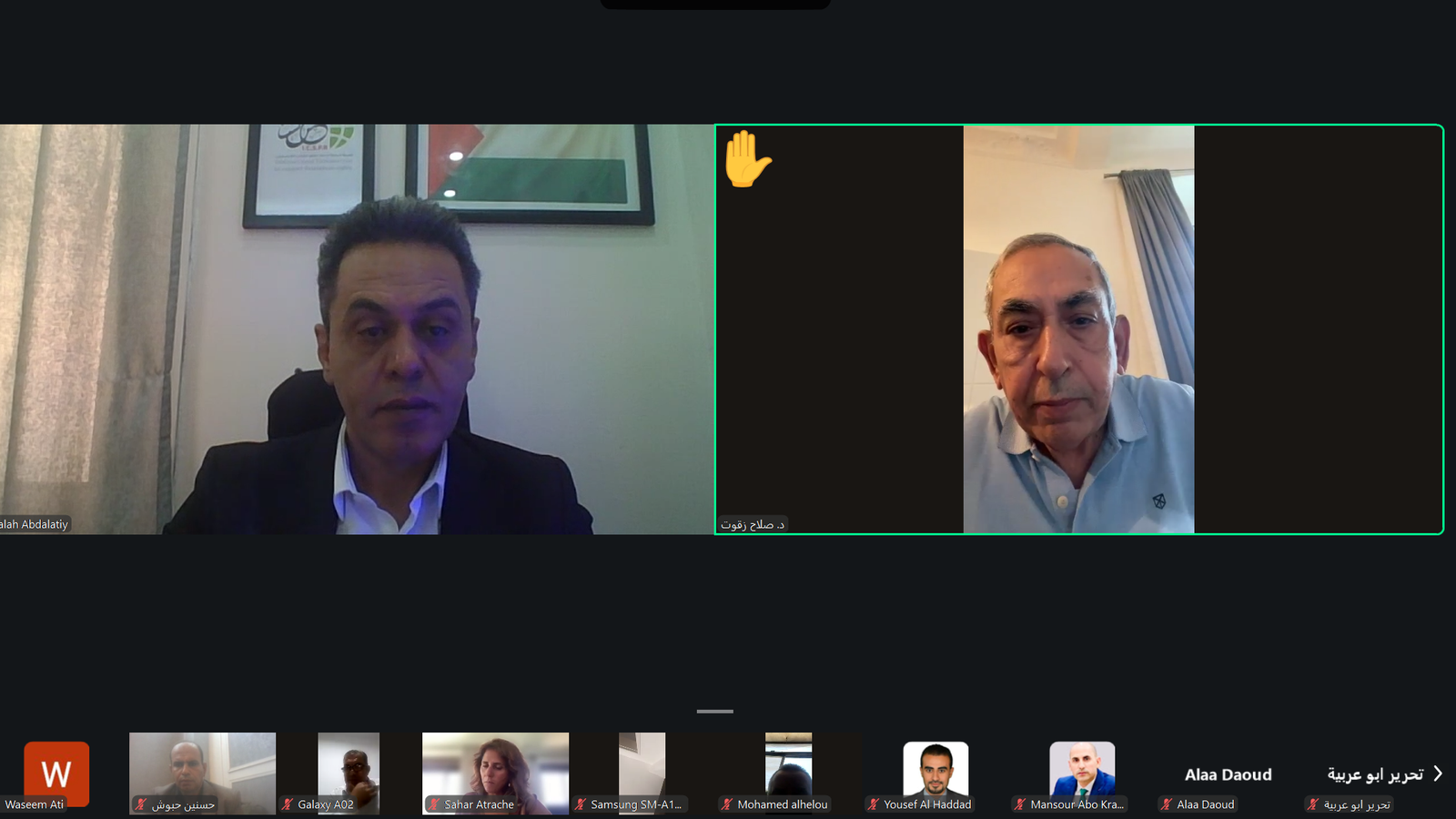
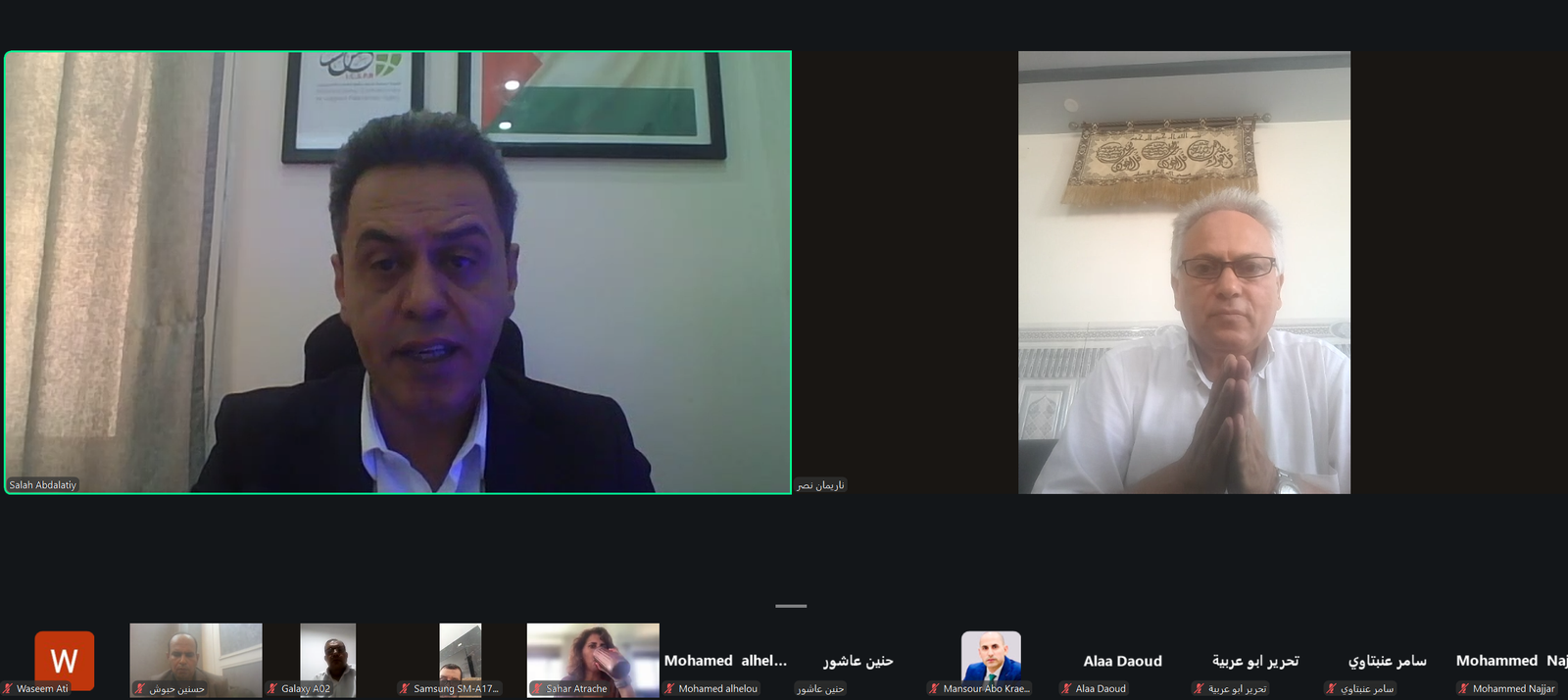
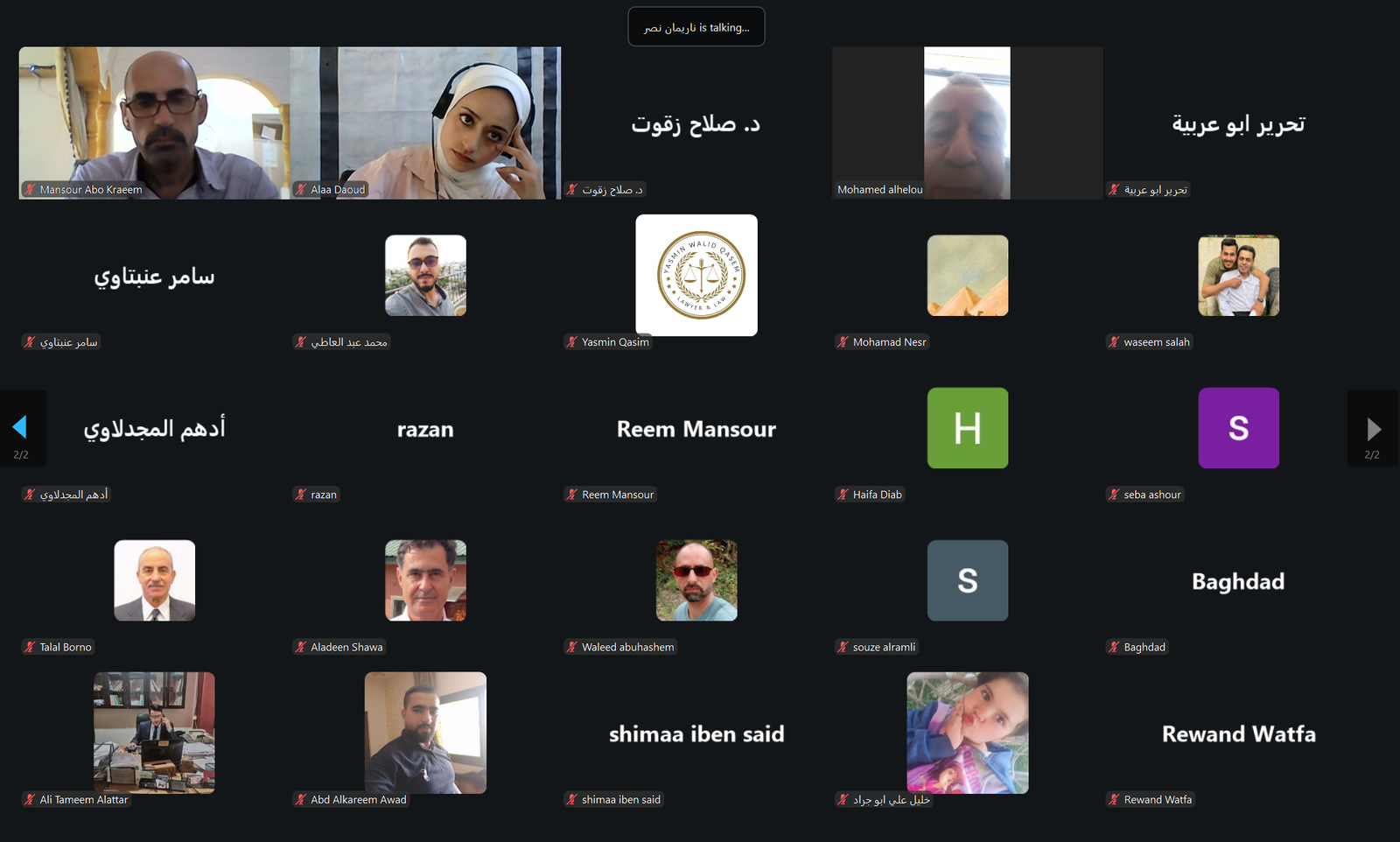
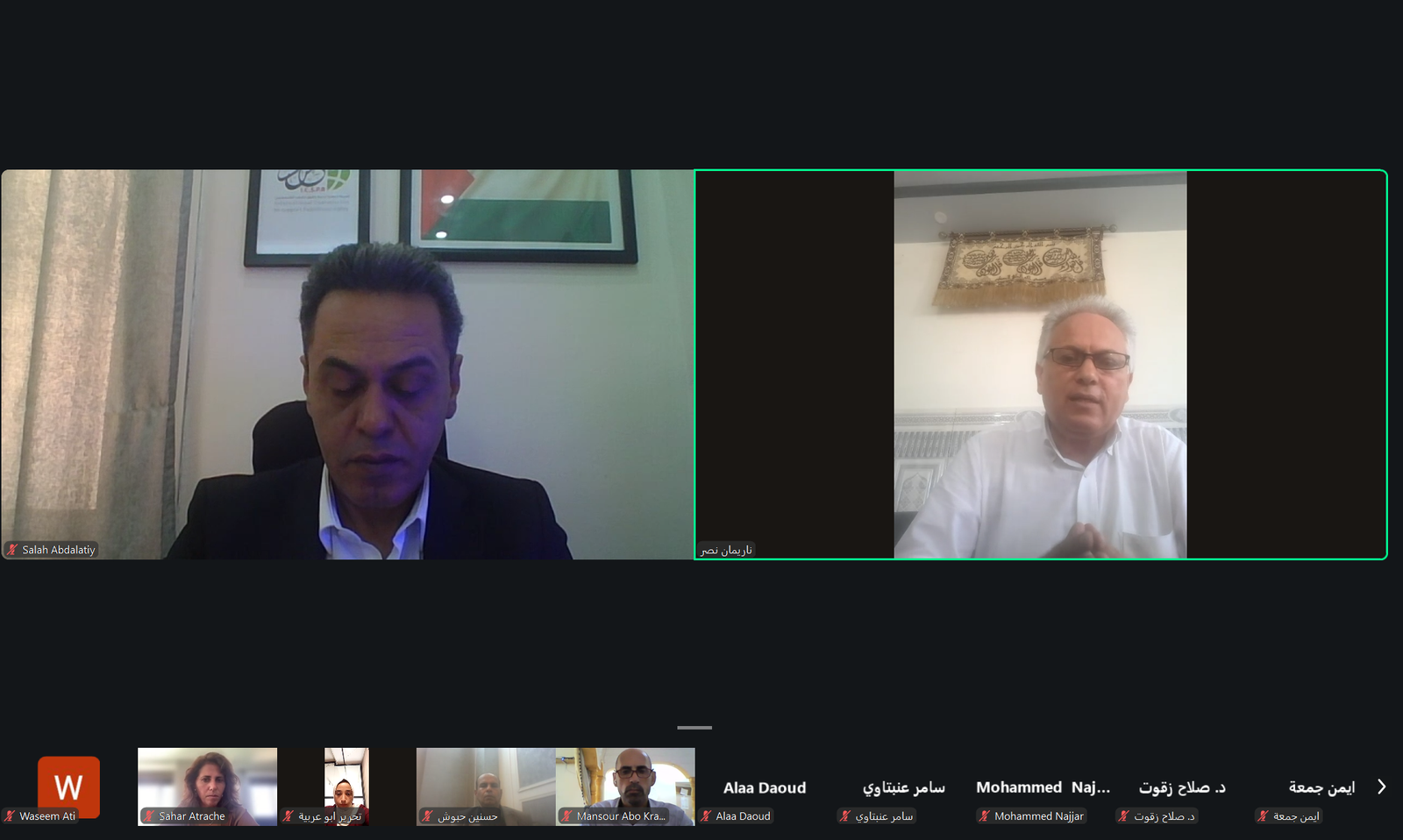
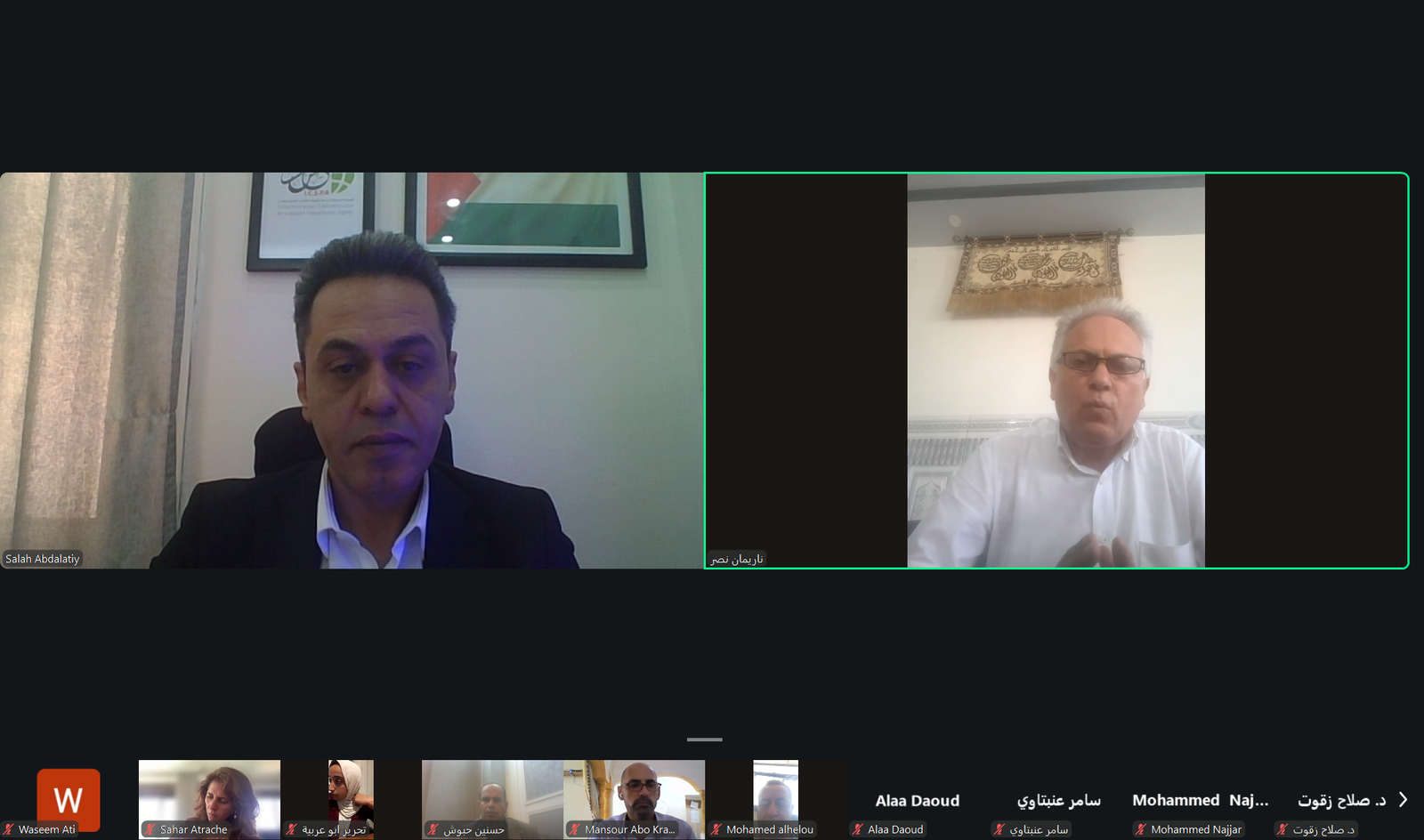
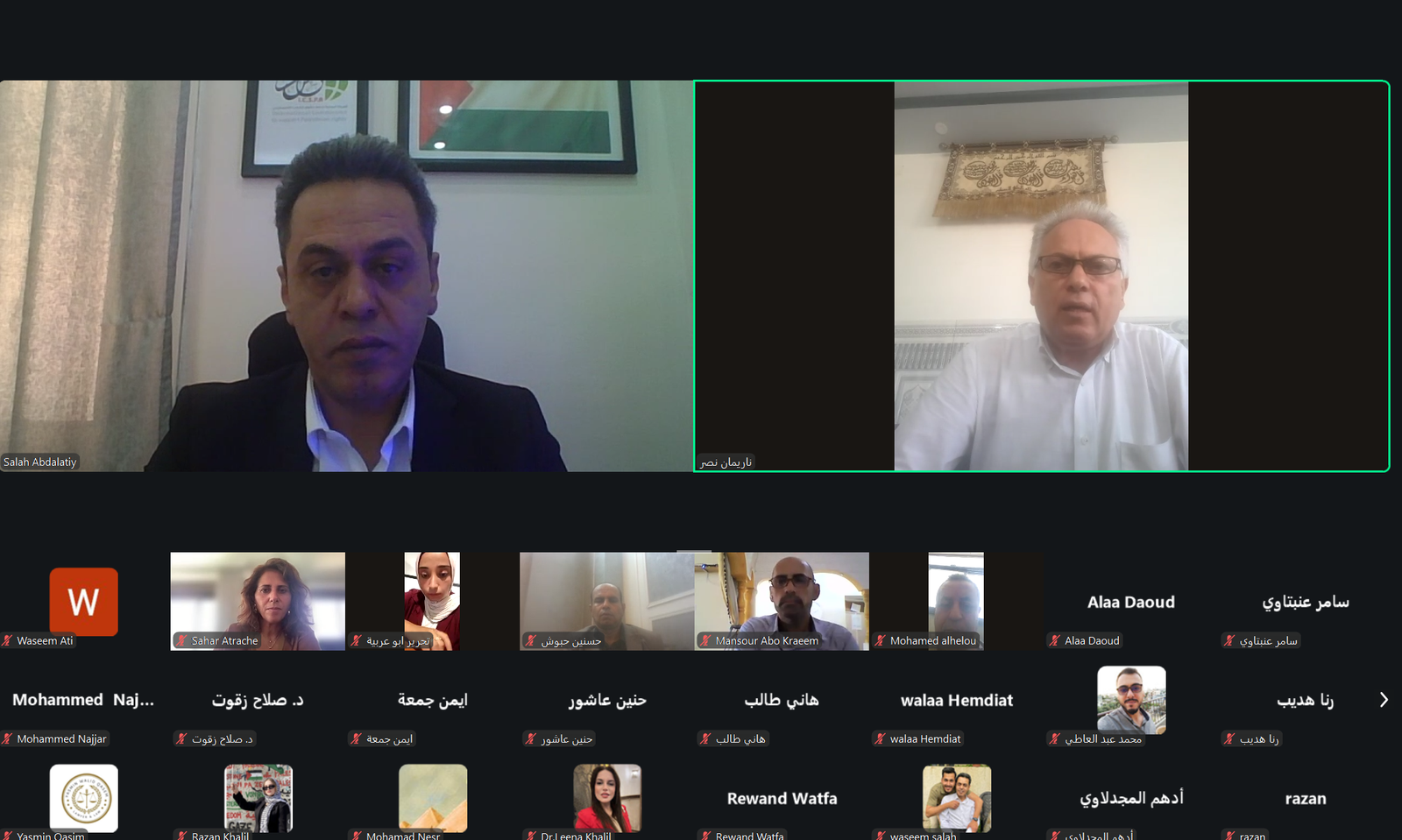
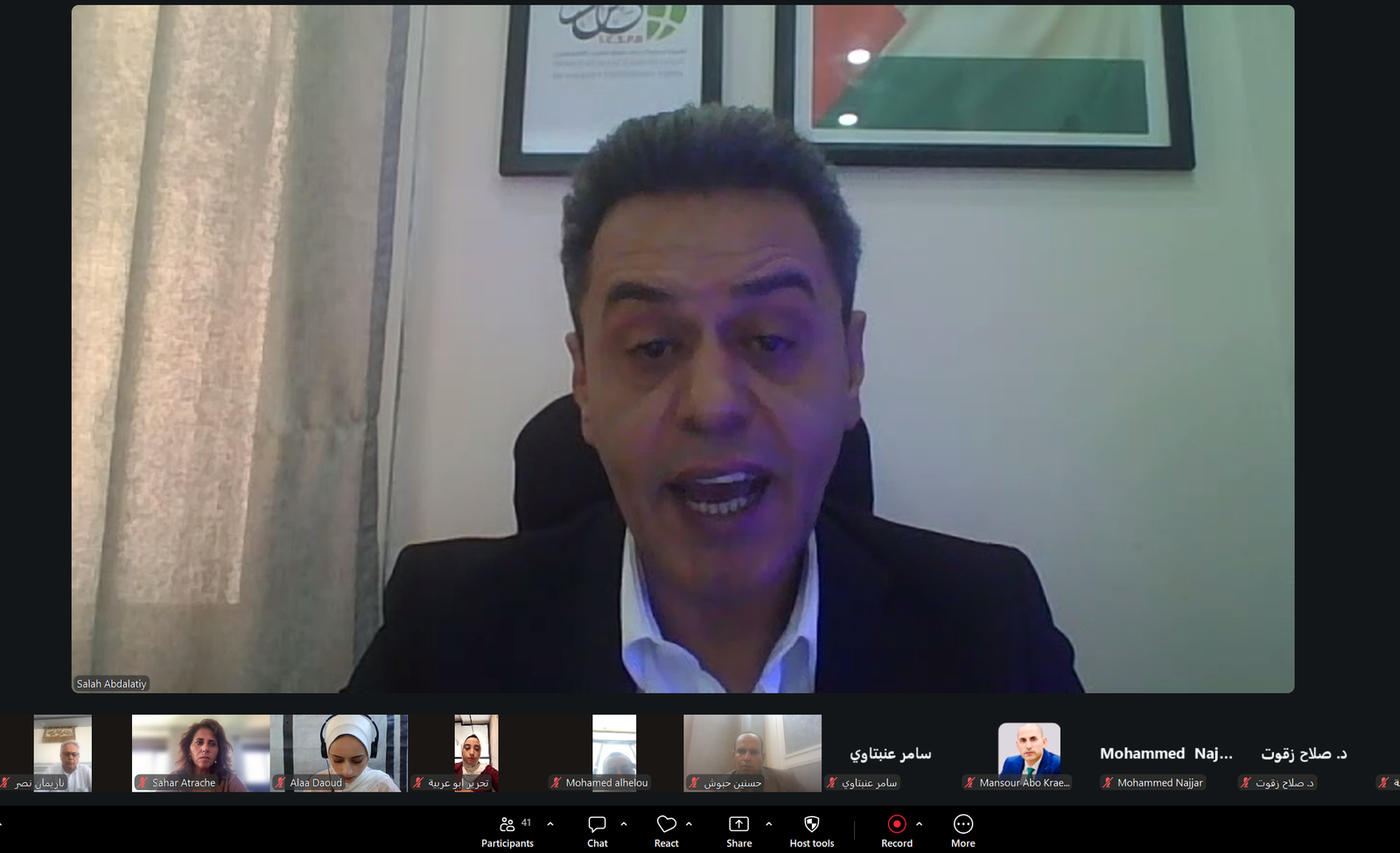
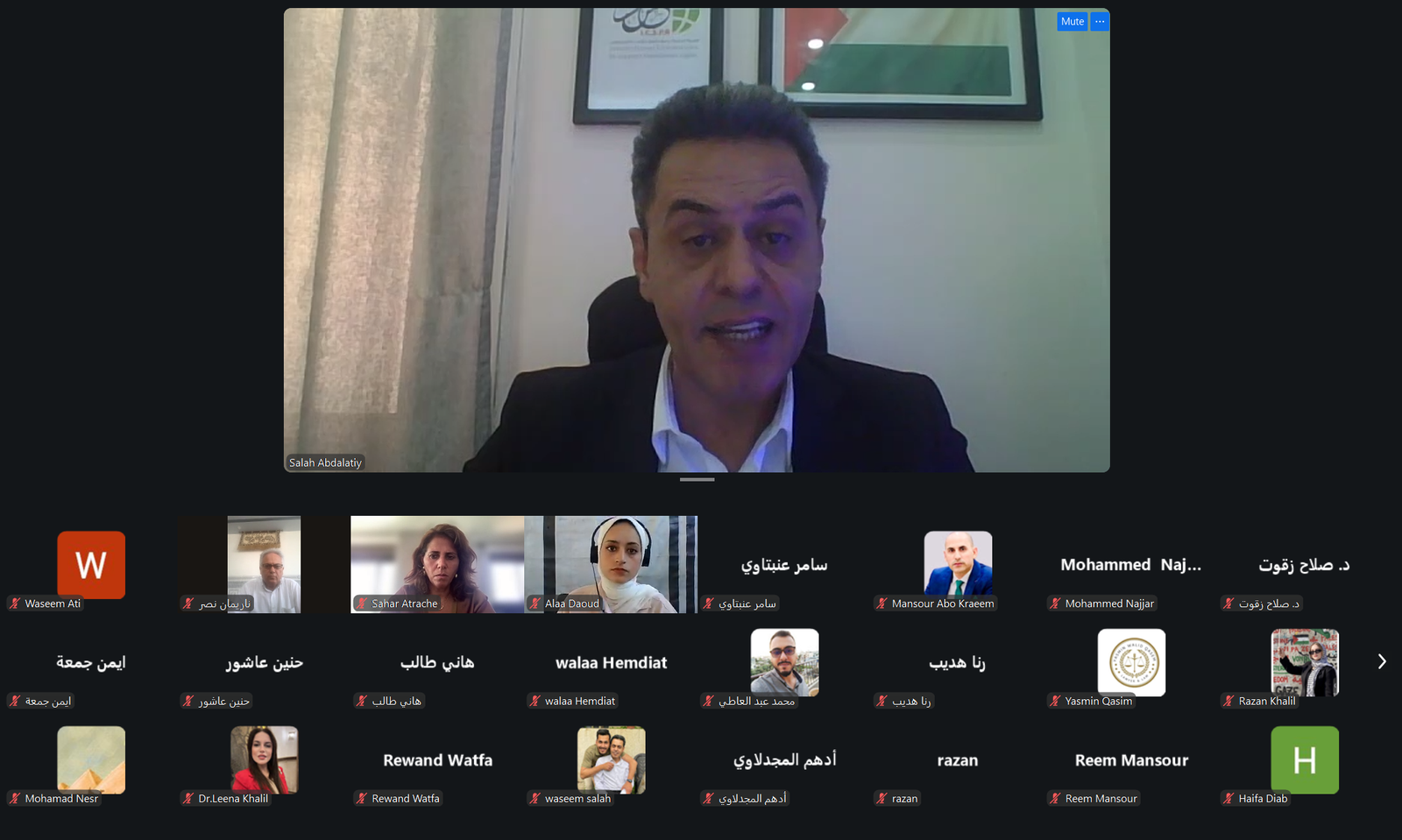
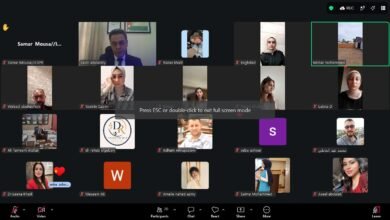
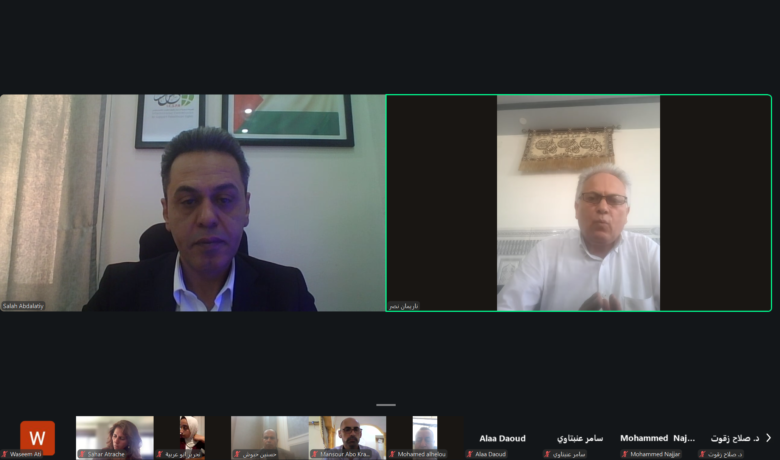
The International Commission to Support Palestinian Rights (ICSPR) organized an open online dialogue session on Wednesday entitled: “Palestinian Elections: A Political Right and Democratic Guarantees — Towards Free, Fair and Inclusive Elections That Protect the Will of the Voter.” The meeting was held via Zoom and brought together dozens of participants, including representatives of the Central Elections Commission, political figures, human-rights advocates, academics, researchers, young people, activists, and individuals interested in electoral affairs.
The meeting forms part of the path that ICSPR has pursued since last August concerning Palestinian elections, which it regards as a national entitlement, a political and democratic right, and an entry point for rebuilding the political system and renewing legitimacy. This track is connected to ICSPR’s previous discussions on the importance of implementing electoral entitlements, rebuilding the Palestinian National Council and the Palestine Liberation Organization, and ensuring that institutional reconstruction does not become a process based on exclusion, appointment, or the entrenchment of unilateral decision-making.
The dialogue addressed preparations for the electoral process and the political, legal, technical, and logistical challenges it faces. Participants discussed guarantees for the participation of Palestinians in the Gaza Strip, the West Bank, Jerusalem, and the diaspora, as well as safeguards for freedom of candidacy and choice, the integrity of voting and vote counting, the announcement of results, appeal mechanisms, oversight, respect for voters’ will, and respect for election results.
ICSPR: Elections Are a Right
At the opening of the session, Dr. Salah Abdel Ati, Director of ICSPR, stressed that elections are a right of the Palestinian people and a national and democratic entitlement. He emphasized that elections are neither a grant from any political party nor merely a technical procedure for producing institutions. Their essence, he said, lies in enabling citizens to exercise their right to choose their representatives and renew legitimacy.
Dr. Abdel Ati stated that the current electoral process is being treated as an active and ongoing entitlement, while the Central Elections Commission continues its procedures in this regard. He called for the necessary political, legal, and technical environment to be provided to enable the holding of elections.
He added that any postponement should occur only when compelled by force majeure circumstances. Even in such a case, a postponement must not turn into open-ended suspension; it must be temporary, time-bound, justified, and linked to a clear national path and a specific date for completing electoral entitlements and renewing legitimacy.
Dr. Abdel Ati emphasized that the discussion should not be confined to legislative elections. It must address the broader question of rebuilding the Palestinian political system and renewing the legitimacy of its institutions, including presidential elections, elections for the Palestinian National Council, and the rebuilding of the Palestine Liberation Organization, in a way that ensures the participation of Palestinians everywhere.
He stressed that rebuilding the political system cannot be based on exclusion, appointment, unilateralism, or political quota-sharing, nor on merely redistributing positions among political forces. Rather, it requires rebuilding the foundations through which legitimacy and decision-making are produced, so that the people remain the source of legitimacy, elections become a central means of renewing it, and national partnership results from genuine political and societal will rather than serving as a substitute for citizens’ right to choose.
He further explained that the objective is not simply to change individuals, but to build a political system that accommodates Palestinian diversity, manages differences democratically, opens space for political and social forces, youth, women, and independents, and strengthens the rule of law, accountability, and participation. He stated that this would contribute to ending division, preventing its reproduction, and rebuilding the Palestinian political system on democratic foundations capable of confronting national and humanitarian challenges. He also called for a comprehensive protocol to address obstacles that may be imposed by the Israeli occupation on the holding of elections.
Elections Commission Briefs Participants
For his part, Dr. Jamil Al-Khaldi, the Regional Director of the Central Elections Commission in the Gaza Strip, reviewed the technical and logistical preparations for the electoral process. He explained that the Commission had prepared a timetable covering the stages of the process through voting, counting, and the announcement of results.
Dr. Al-Khaldi stated that the particular circumstances in the Gaza Strip — including war, destruction, displacement, and restrictions on movement — had prompted the Commission to adopt different arrangements in certain areas. These include relying on the civil registry in preparing the voters’ register, rather than requiring citizens to update their information and be linked to specific polling centers, in consideration of displacement and the current humanitarian conditions.
He indicated that more than 100 polling centers had been designated in areas where work could be carried out inside the Gaza Strip, with the possibility of increasing the number according to need, in addition to approximately 800 polling stations.
He explained that candidate lists would be able to obtain a copy of the approved register for review and correction, including the treatment of duplicate records, omitted names, and deceased voters, in accordance with the adopted procedures.
Regarding candidacy, Dr. Al-Khaldi stated that the submission of applications by candidate lists would begin on September 26 and continue for 12 days. Applications would be received at the Central Elections Commission office in Al-Bireh and at the Commission’s office in Deir al-Balah in the Gaza Strip.
Logistical and Security Challenges
Dr. Al-Khaldi addressed the major logistical obstacles facing the process in Gaza, foremost among them the failure of some electoral materials to enter the Strip, including ballot papers, indelible electoral ink, and ballot boxes, due to restrictions imposed on their entry. He explained that the Commission is exploring practical alternatives consistent with electoral standards, including drawing on prior experience to manufacture certain materials locally and print ballot papers inside the Gaza Strip.
He also referred to the security challenge of protecting voters, candidates, polling centers, and ballot boxes. The Commission, he said, is conducting consultations with political actors and relevant parties to provide the minimum level of safety and security necessary for the electoral process.
With regard to international observation, Dr. Al-Khaldi said that the Commission had contacted several international election-observation institutions and bodies, including United Nations-affiliated entities and international organizations. He noted that a mission that was expected to enter the Gaza Strip was unable to do so because the Israeli occupation did not permit its entry.
These discussions come amid a scheduled electoral timeline in which legislative elections are reportedly set for November 28, 2026, while presidential elections are anticipated in the first quarter of 2027. Recent legal amendments reportedly increased the number of Legislative Council seats to 200 and lowered the candidate eligibility age to 23.english.news
Gaza, Egypt, Jerusalem, and Diaspora
The participation of Palestinians who left the Gaza Strip for Egypt and other countries in the diaspora was a central issue in the discussion. Participants stressed that war and displacement must not become a reason to exclude Palestinians from exercising their political rights.
Dr. Al-Khaldi explained that the Central Elections Commission estimates that more than 120,000 eligible Palestinian voters from the Gaza Strip are currently in Egypt. He stated that the Commission had contacted the Palestinian Presidency regarding their participation and is in communication with Palestinian and Egyptian authorities to examine the required arrangements, including polling locations and voting mechanisms.
Participants emphasized that rebuilding the Palestinian National Council and national institutions requires democratic and transparent mechanisms that guarantee participation by Palestinians in the diaspora as an integral part of the Palestinian people.
In this context, Dr. Salah Zuqout called for ensuring diaspora participation without exclusion or discrimination, raising questions regarding mechanisms for their inclusion in the electoral process, including the possible use of electronic means to address issues related to voter registration and the participation of Palestinians residing in different countries.
In an intervention from Brussels, Omar Abu Karim stressed the importance of establishing genuine democratic mechanisms for Palestinian participation in the diaspora. He affirmed that their representation must be based on elections and participation, not appointment.
Marwan Al-Kafarna highlighted the importance of drawing on international expertise and experiences in administering electoral processes, in ways that can strengthen the integrity of the process and its guarantees.
The dialogue also addressed the specific challenges facing elections in the Gaza Strip and Jerusalem. Participants stressed the need for practical arrangements to ensure that Palestinians can exercise their electoral rights despite exceptional circumstances.
In Gaza, participants stressed the need to enable displaced people to vote, provide suitable polling centers, protect the secrecy of voting, ensure the entry of electoral materials, secure the process, safeguard counting and result announcements, and guarantee effective procedures for electoral appeals.
In Jerusalem, participants emphasized the need to guarantee the right of Palestinian Jerusalemites to register, run for office, and vote. Israeli restrictions, they said, must not be allowed to become a tool to obstruct their political participation or confiscate their electoral will. They underscored the importance of establishing clear and advance arrangements for addressing obstacles to participation.
Participants agreed that electoral guarantees must extend beyond election day itself. They must include voter registration and the civil registry arrangements in Gaza, candidacy requirements, electoral campaigning, freedom of expression and media, observation, voting, counting, the announcement of results, judicial appeals, and respect for results.
In this context, Walid Abu Hashim, a lawyer with ICSPR in the West Bank, delivered an intervention on the legal guarantees required to protect the rights of voters and candidates and on potential challenges facing the electoral process in the West Bank.
Lawyer and human-rights activist Baghdad Fatatneh addressed the legal dimensions related to protecting the electoral process, particularly electoral appeals and compliance with the legal rules governing the process. Hassanein Habboush emphasized the need for clear and effective judicial safeguards to resolve electoral disputes and protect the rights of all parties, thereby strengthening confidence in the process and its results.
Rebuilding Political Institutions
In a related discussion, participants agreed that elections alone should not be burdened with responsibility for resolving every crisis in the Palestinian context. However, they stressed that elections can be an important entry point for renewing institutions and legitimacy, rebuilding the political system, and unifying institutions.
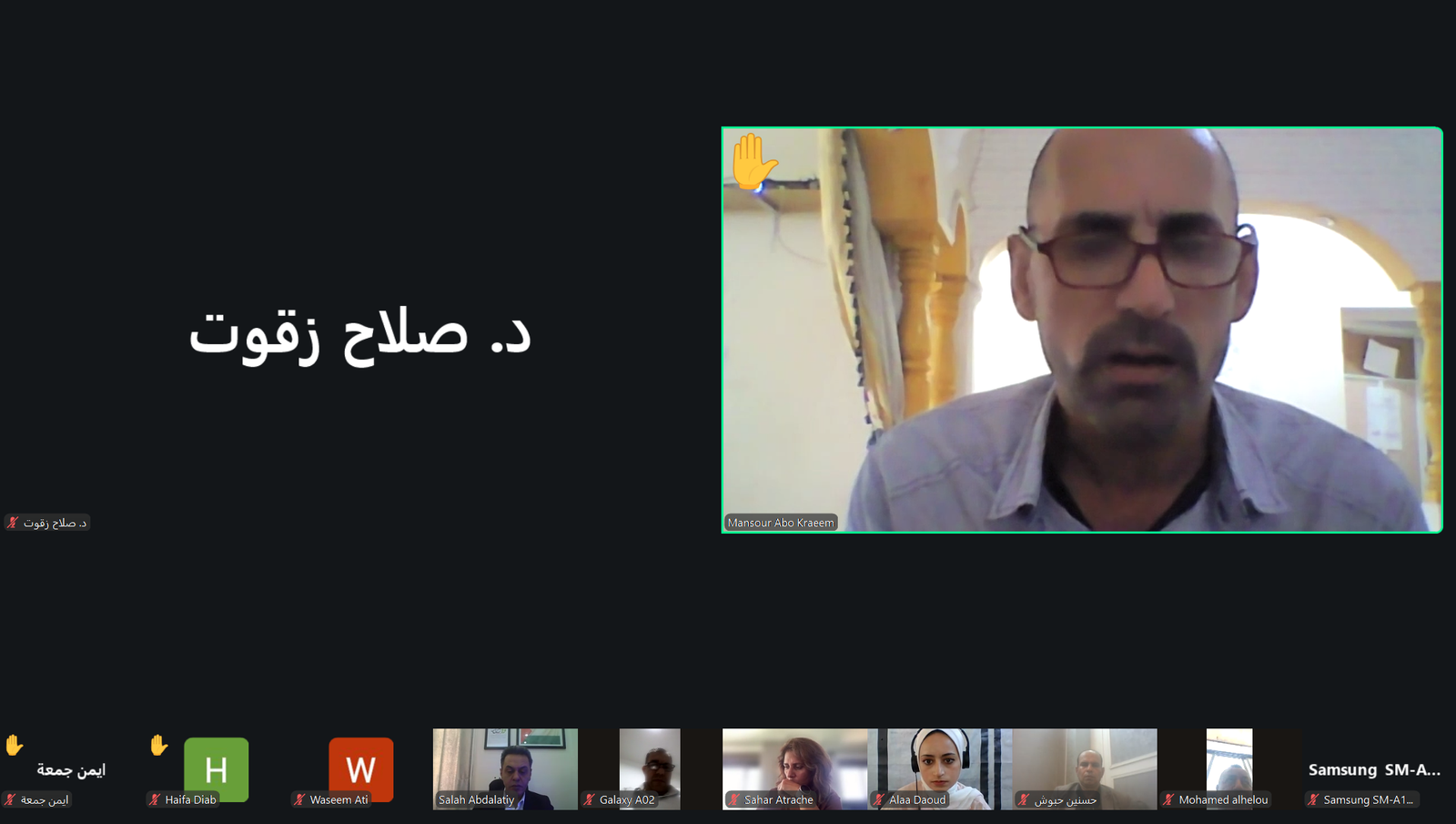
Dr. Mansour Abu Karim called for transforming the challenges facing the electoral process into an opportunity to renew national institutions and legitimacy and reunify institutions in the West Bank and the Gaza Strip. He called for strengthening national dialogue and consensus and avoiding the creation of obstacles that could undermine or delay the process.
Ms. Haifa Diab stated that elections are a Palestinian popular demand, not a factional matter. She called for ending the use of electoral assemblies where they are used to perpetuate exclusion and replace elections with appointments. She also stressed the importance of rebuilding the Palestine Liberation Organization as the inclusive national framework and representative of the Palestinian people, while guaranteeing Palestinian participation everywhere.
Samer Antawi discussed key political and legal challenges associated with elections, stressing the importance of comprehensive national dialogue that guarantees the participation of all Palestinian parties and components, and the need to use the electoral opportunity to rebuild the Palestinian political system.
Khalil Abu Shamaleh stressed the importance of national unity and the need to establish a political environment conducive to successful elections. Ayman Juma called for strengthening the participation of young people and marginalized groups and ensuring safeguards that protect elections from all forms of interference and influence.
Participants emphasized that rebuilding the political system requires overcoming exclusion and unilateralism, refusing to replace elections with appointments in the Palestinian National Council, and opening the door to all political and societal components. Such measures, they said, would strengthen representation, accountability, partnership, and public trust in institutions.
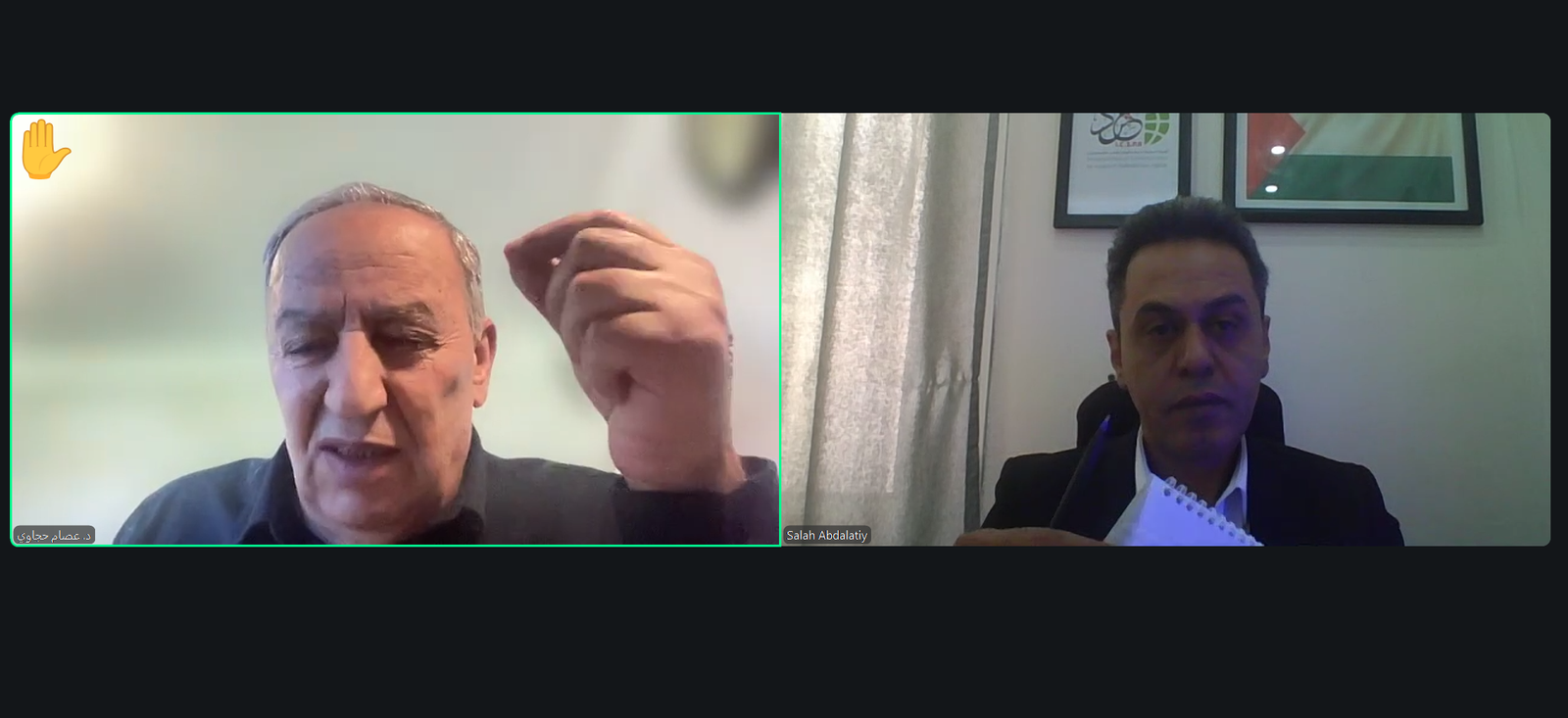
Dr. Issam Hijjawi discussed the legal and constitutional dimensions of the electoral process, emphasizing the importance of consistency with the Palestinian legal and constitutional framework and respect for the Basic Law. He also stressed that the current priority remains confronting crimes of genocide, annexation, settlement expansion, and forced displacement.
Youth, Women, and Accountability
The meeting also discussed the participation of youth and women in political life. Researcher and lawyer Rana Hdeib addressed youth representation in legislative elections following the lowering of the candidacy age to 23.
Hdeib stated that removing a legal barrier alone is insufficient to guarantee that young people reach positions of representation and decision-making. She stressed the need to examine the placement of young candidates on electoral lists, their involvement in drafting programs, ordering candidate lists, and decision-making, and whether equal opportunities are available to them despite differences in resources, experience, and social networks.
Participants also emphasized that women and young people must be regarded as partners in drafting programs, decision-making, accountability, and oversight, rather than merely groups whose numerical participation is to be increased.
In the same context, Ms. Salma Al-Ajla called for genuine and effective representation for young people and women on electoral lists, so that women’s participation is not confined to symbolic presence but extends to positions of decision-making and political influence.
Several participants addressed transparency and oversight of the electoral process. Salma Al-Ajla stressed the importance of clear and effective monitoring mechanisms that enhance integrity and limit violations. Dr. Ali Al-Attar discussed the role of media in educating voters and enabling them to access information about elections, candidates, and electoral programs, emphasizing the importance of professional media in supporting electoral transparency.
Participants affirmed that safeguarding electoral integrity is not limited to technical procedures. It requires a political, legal, and media environment that guarantees freedom of choice, equal opportunity, oversight, accountability, and the protection of the rights of voters and candidates.
Protecting Electoral Rights
At the conclusion of the session, the discussion focused on the need to protect the electoral entitlement from open-ended postponement and to provide the political, legal, technical, and security safeguards required to hold free, fair, and inclusive elections.
Participants stressed that elections should form part of a broader national path to rebuild the political system, renew legitimacy, strengthen national partnership, prevent the reproduction of division, and safeguard unity between the Gaza Strip and the West Bank.
They emphasized that the challenge is not merely reaching polling day. It is ensuring that the process is inclusive and transparent, that Palestinians can exercise their political rights, and that election results are respected as an expression of voters’ will.
Participants further stressed the importance of continuing national dialogue on all electoral entitlements, including presidential and legislative elections and the rebuilding of the Palestinian National Council, in a manner that guarantees Palestinian participation wherever they reside through democratic and transparent mechanisms.
They concluded that protecting the right to vote requires clear rules, applicable guarantees, and mechanisms for oversight and accountability, together with an integrated national path for renewing legitimacy and rebuilding the institutions of the political system.
Participants stressed that elections are not an end in themselves or merely a procedural objective. Rather, they are a tool for renewing legitimacy, building institutions, and restoring public confidence. Rebuilding the Palestinian political system must not mean reproducing exclusion or unilateralism.
They affirmed that elections are a right of the Palestinian people, and protecting that right is a national responsibility. Consensus must not replace the will of voters. The rebuilding of national institutions must accommodate Palestinian participation in Gaza, the West Bank, Jerusalem, and the diaspora in a manner that unifies Palestinian efforts and struggle for national and human rights, safeguards civil peace, ensures separation of powers, and protects the rule of law. Participants concluded that Palestinian unity has become an urgent necessity for confronting the Israeli occupation’s plans and safeguarding the Palestinian cause.