
Education Is a Right That Does Not Cease During War: ICSPR Raises Students’ Awareness of Their Right to Free Education

Date: September 26, 2026
Press Release
Education Is a Right That Does Not Cease During War: ICSPR Raises Students’ Awareness of Their Right to Free Education
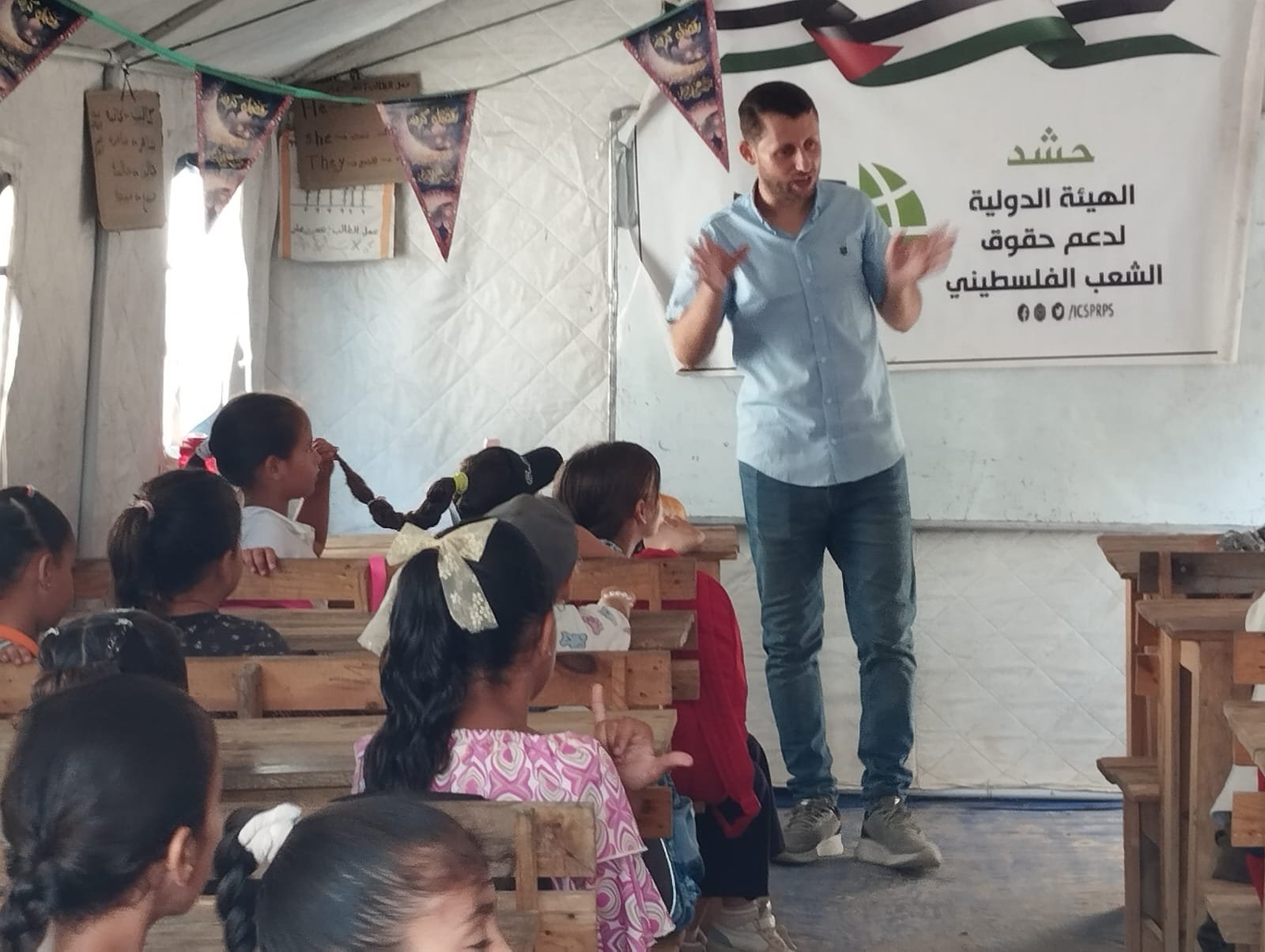
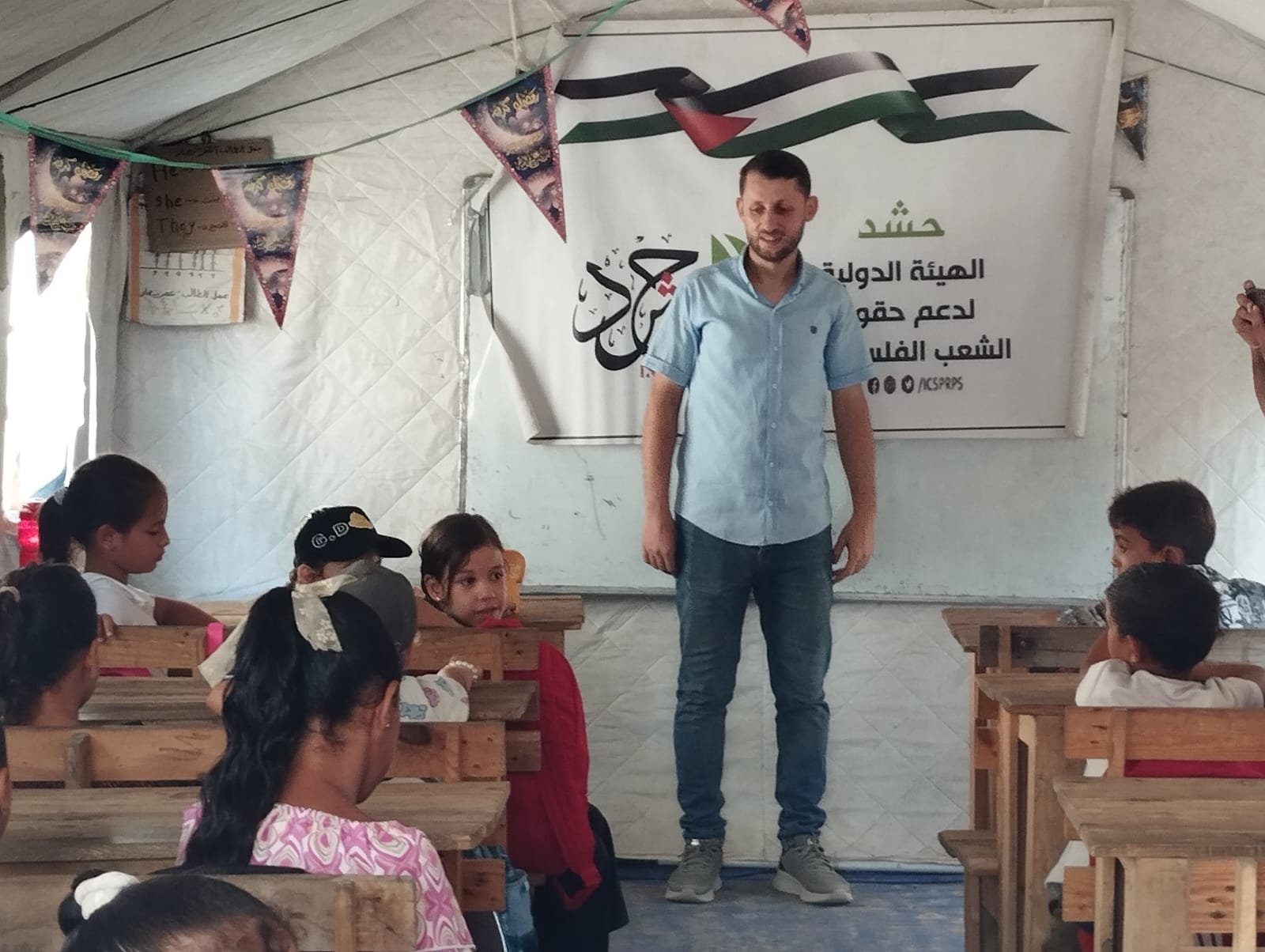
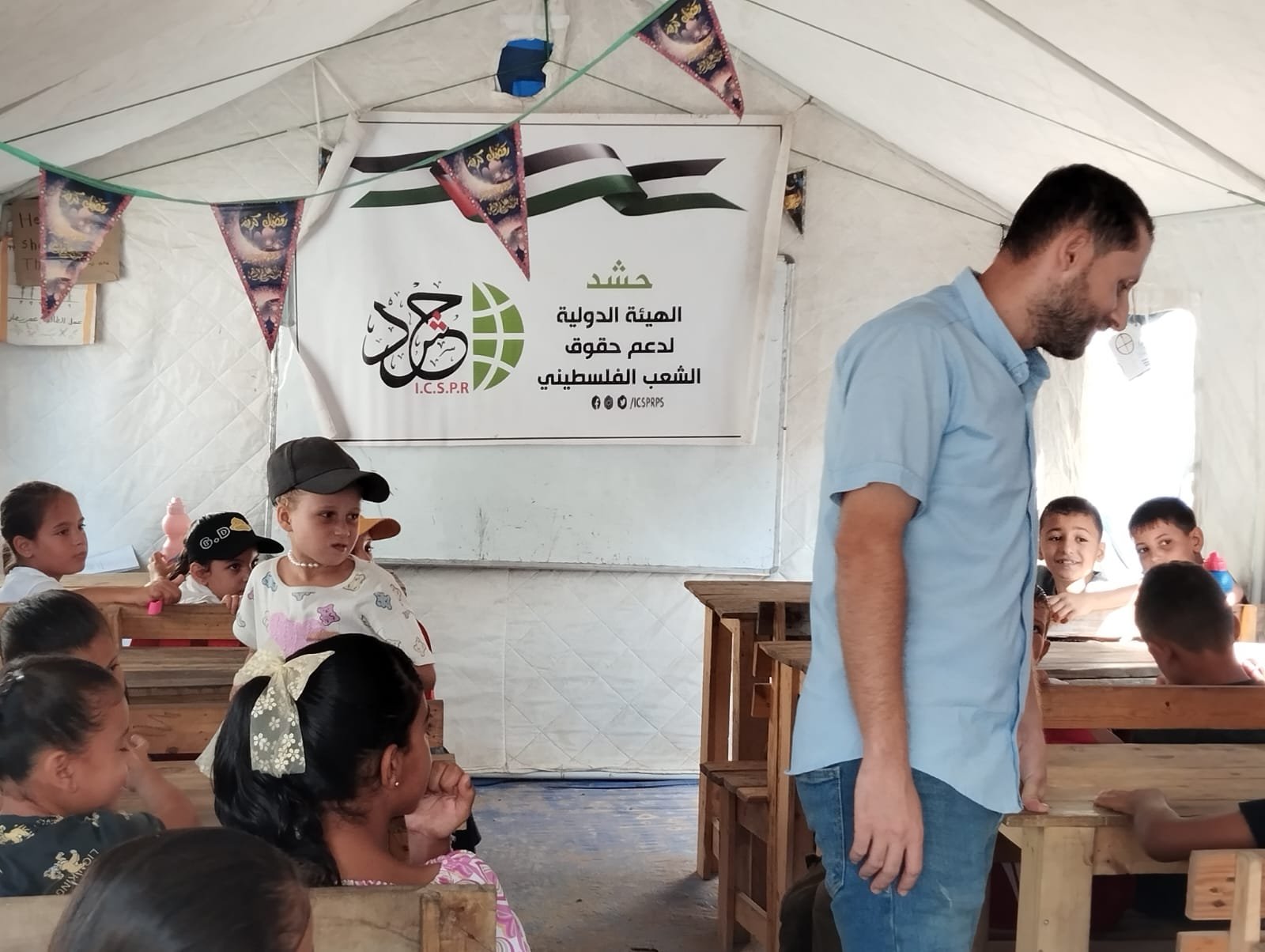
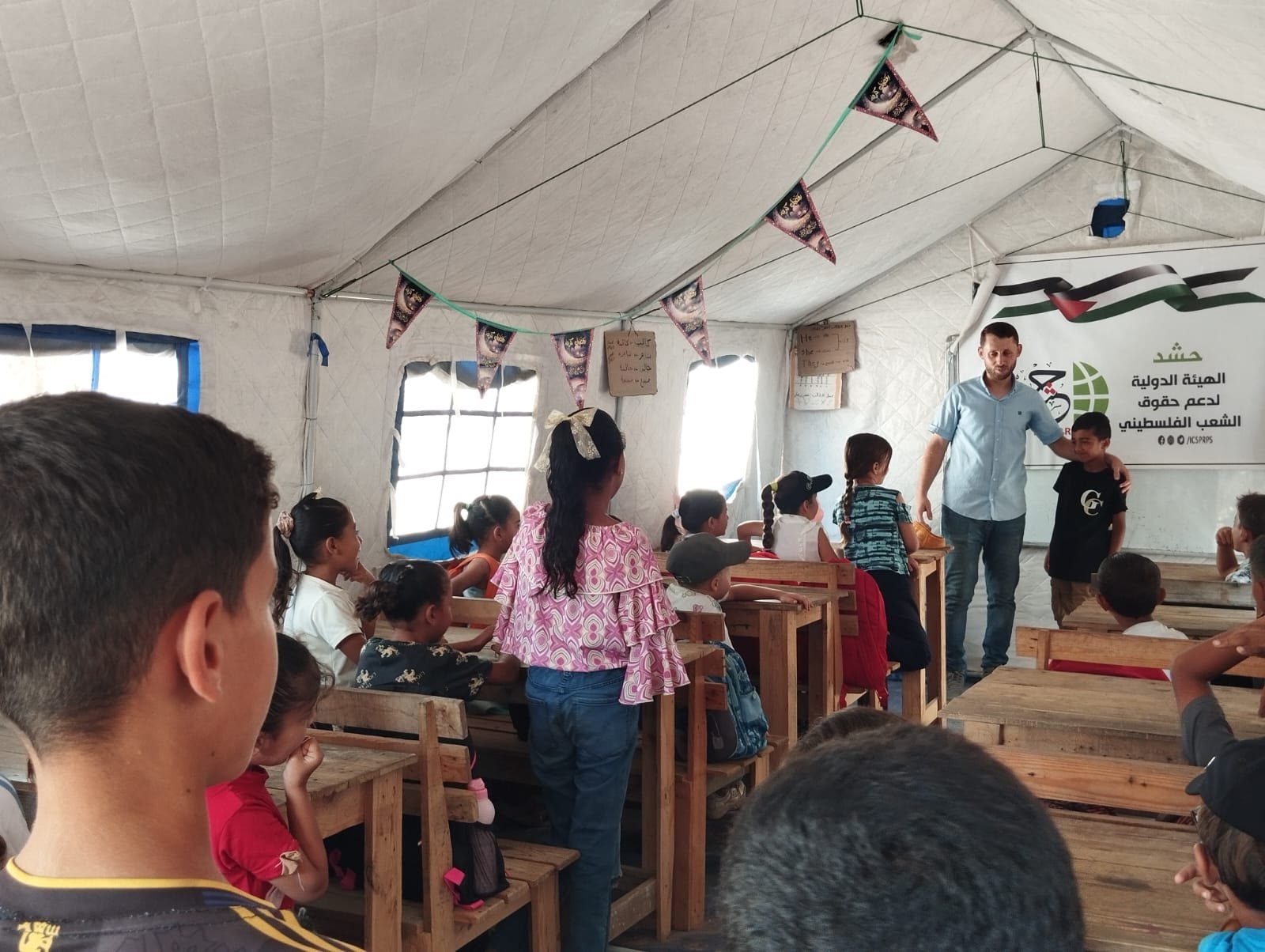
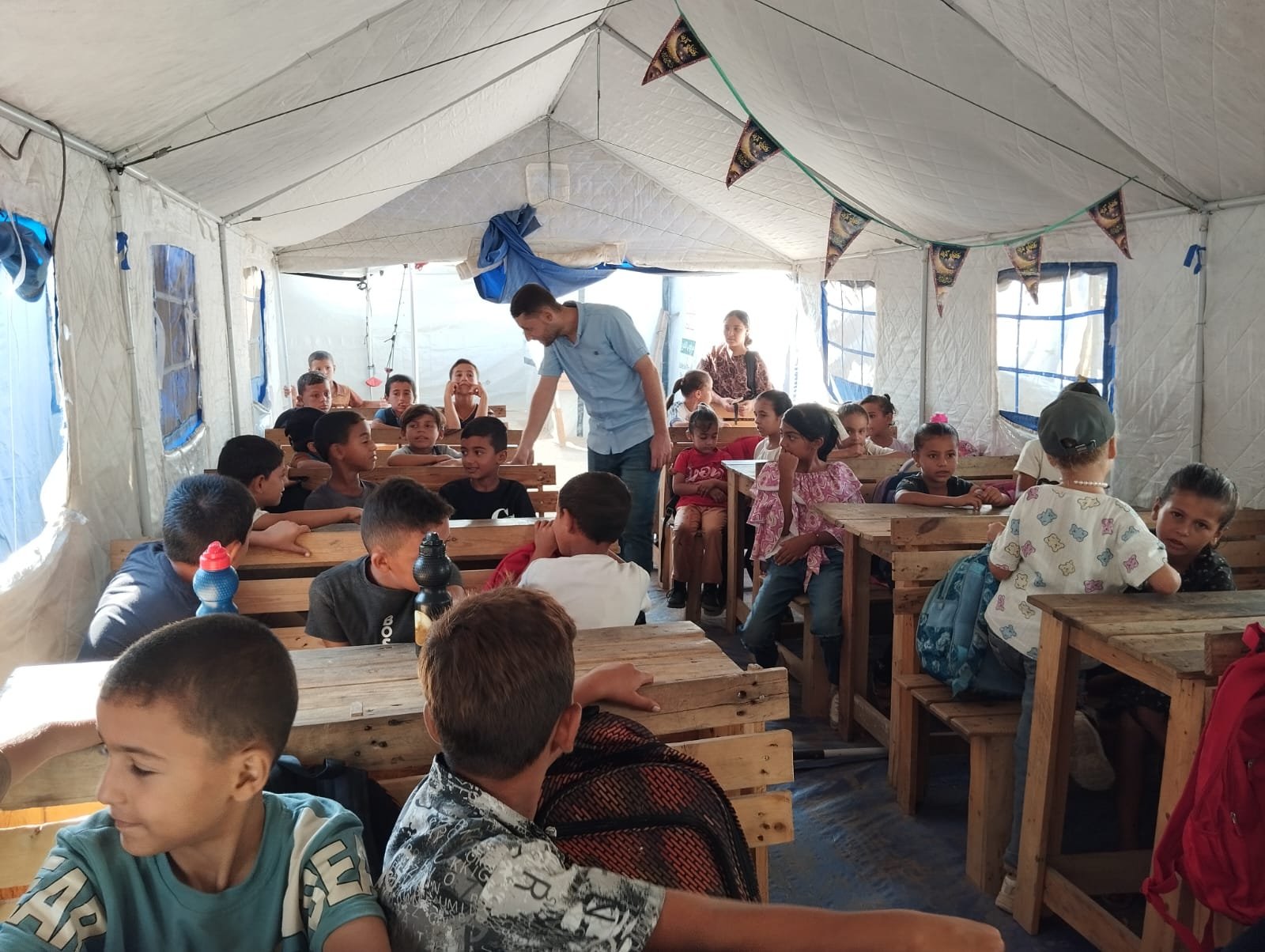
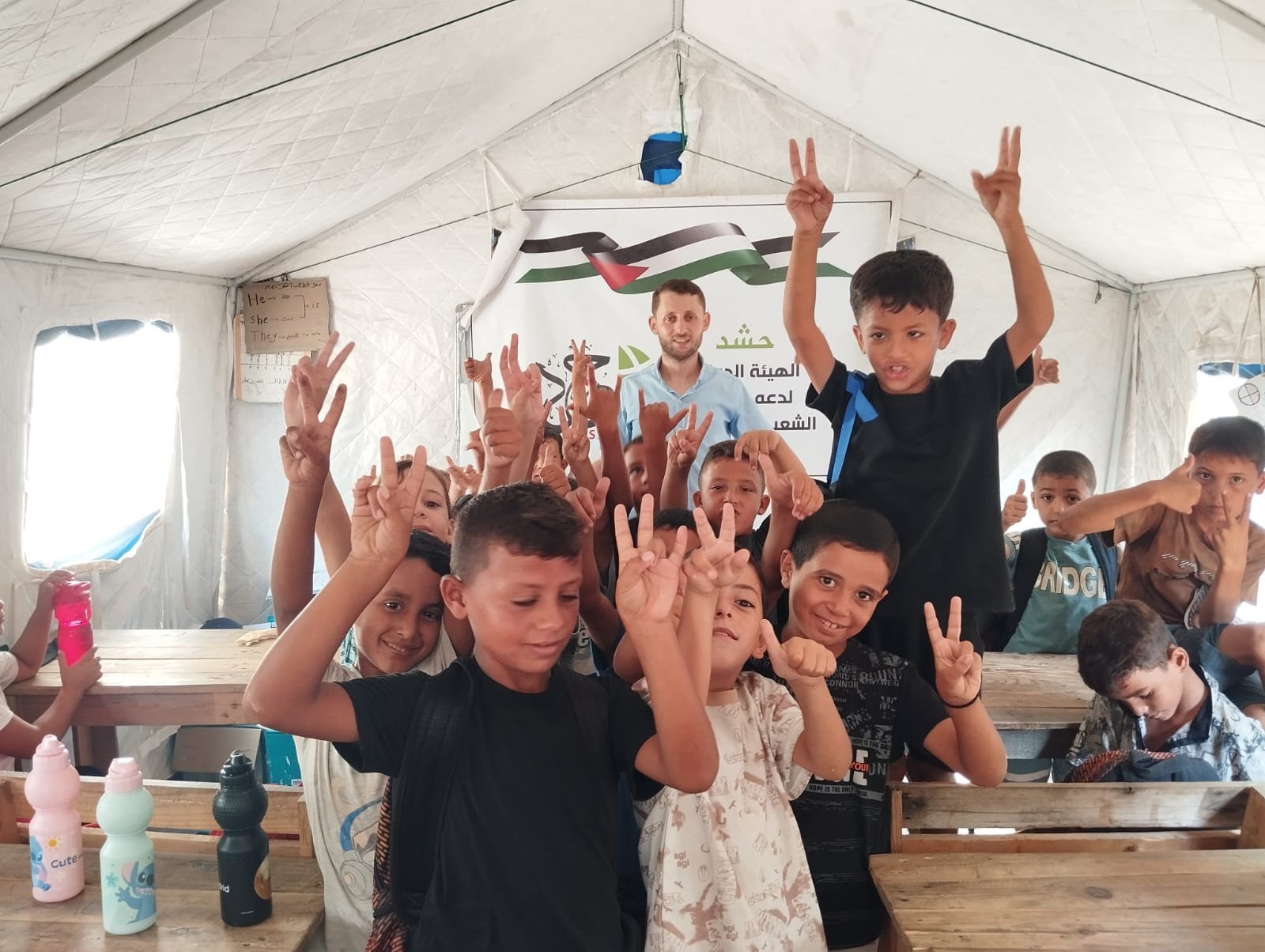
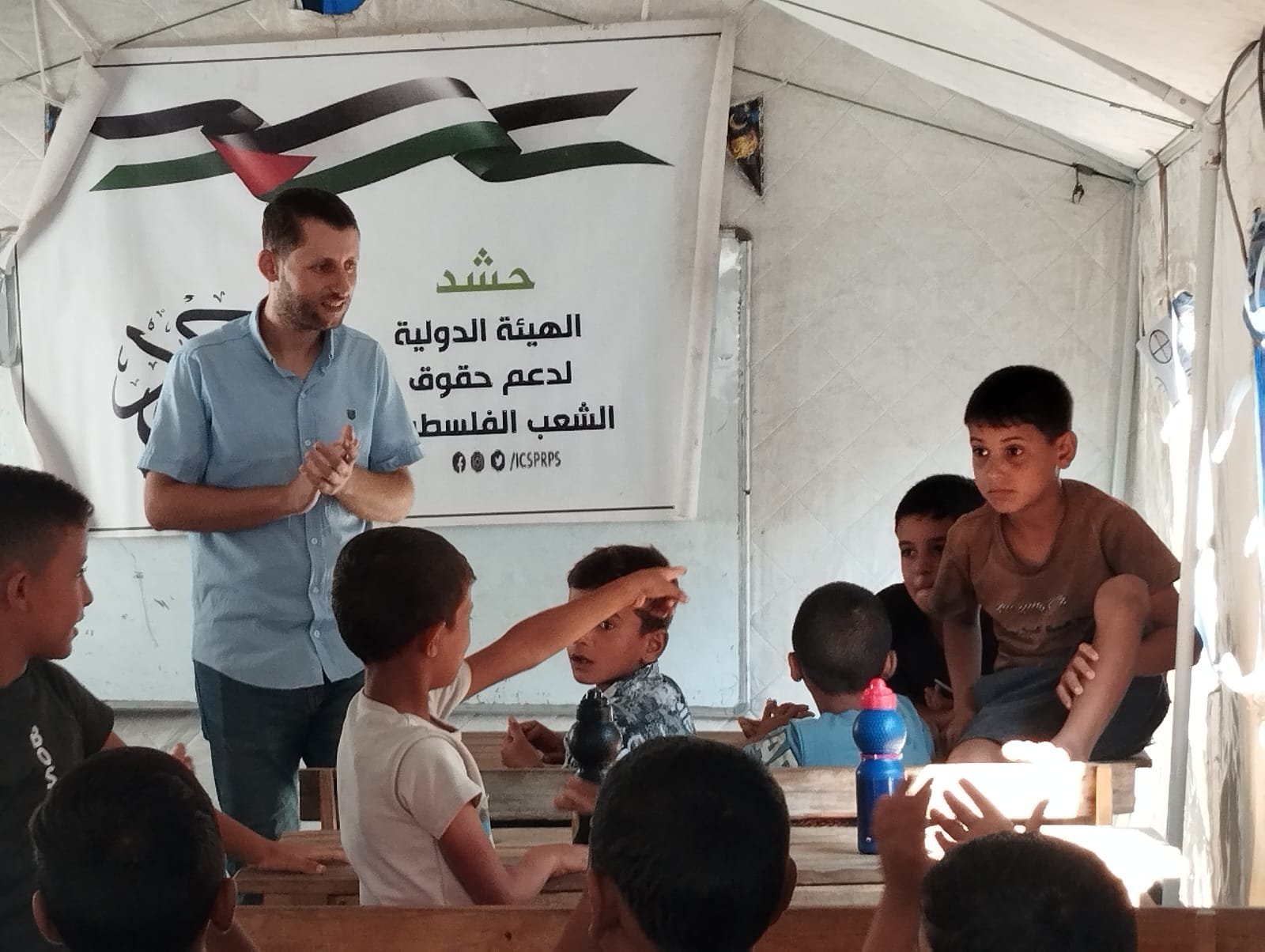
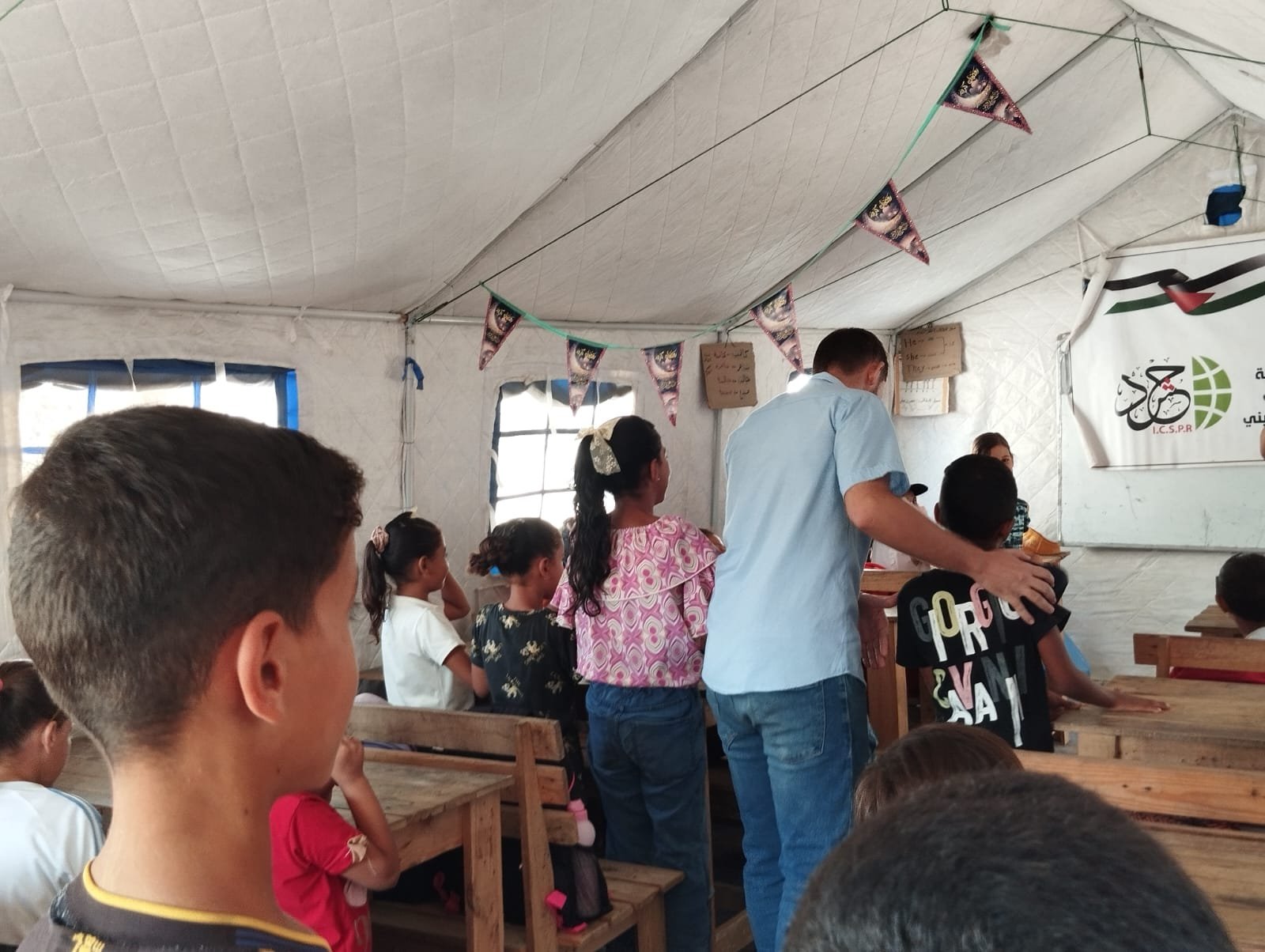
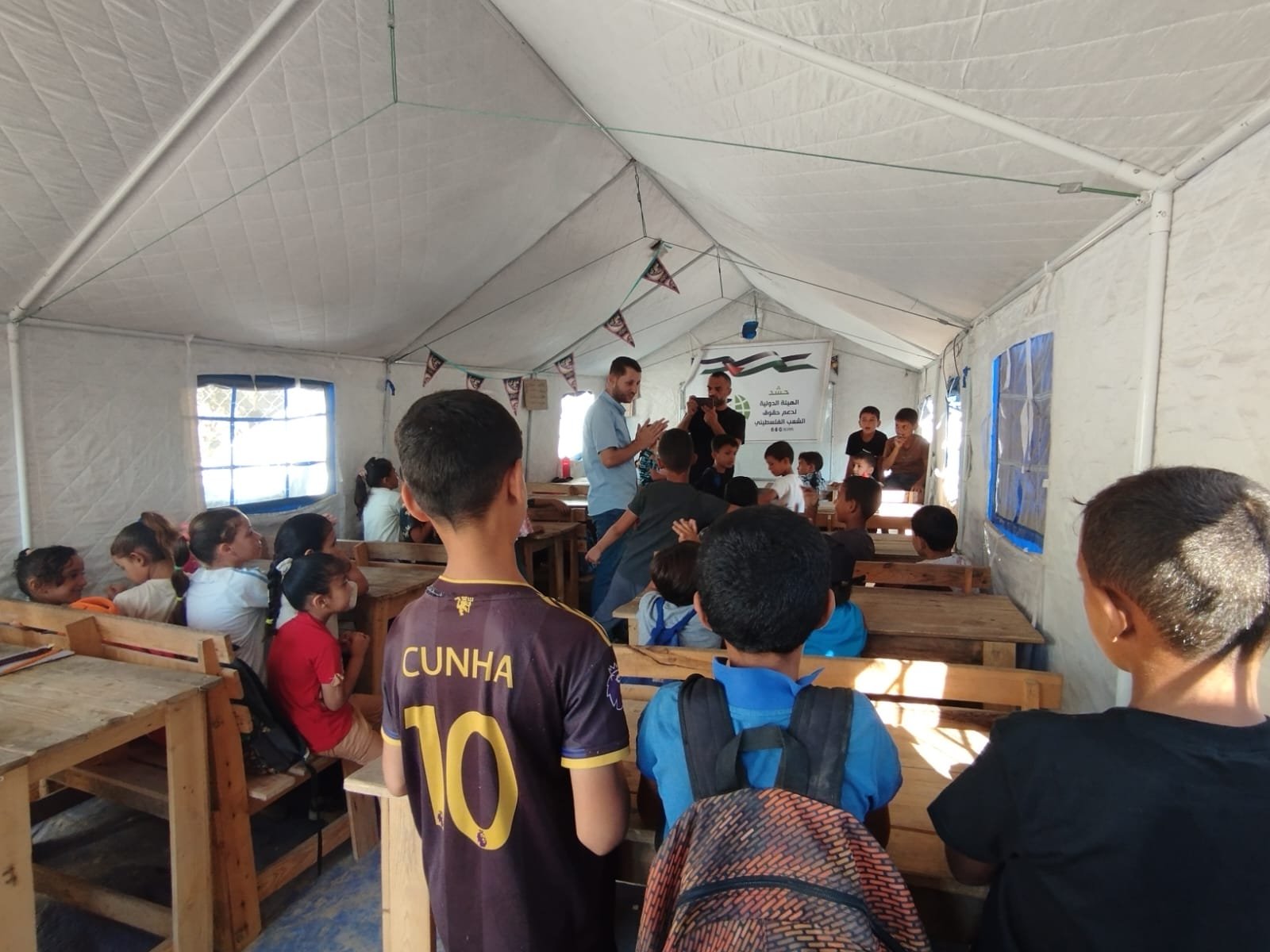
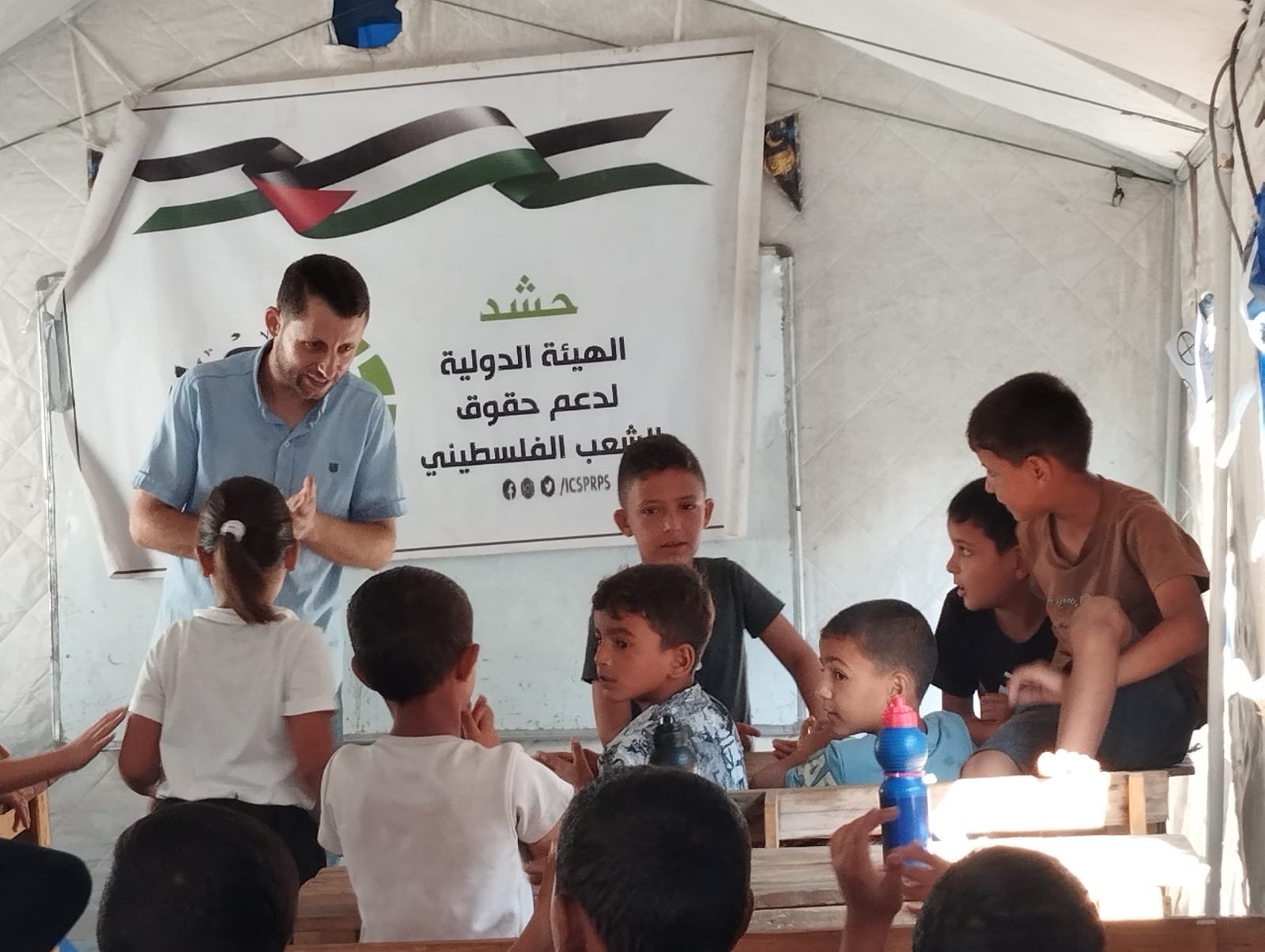
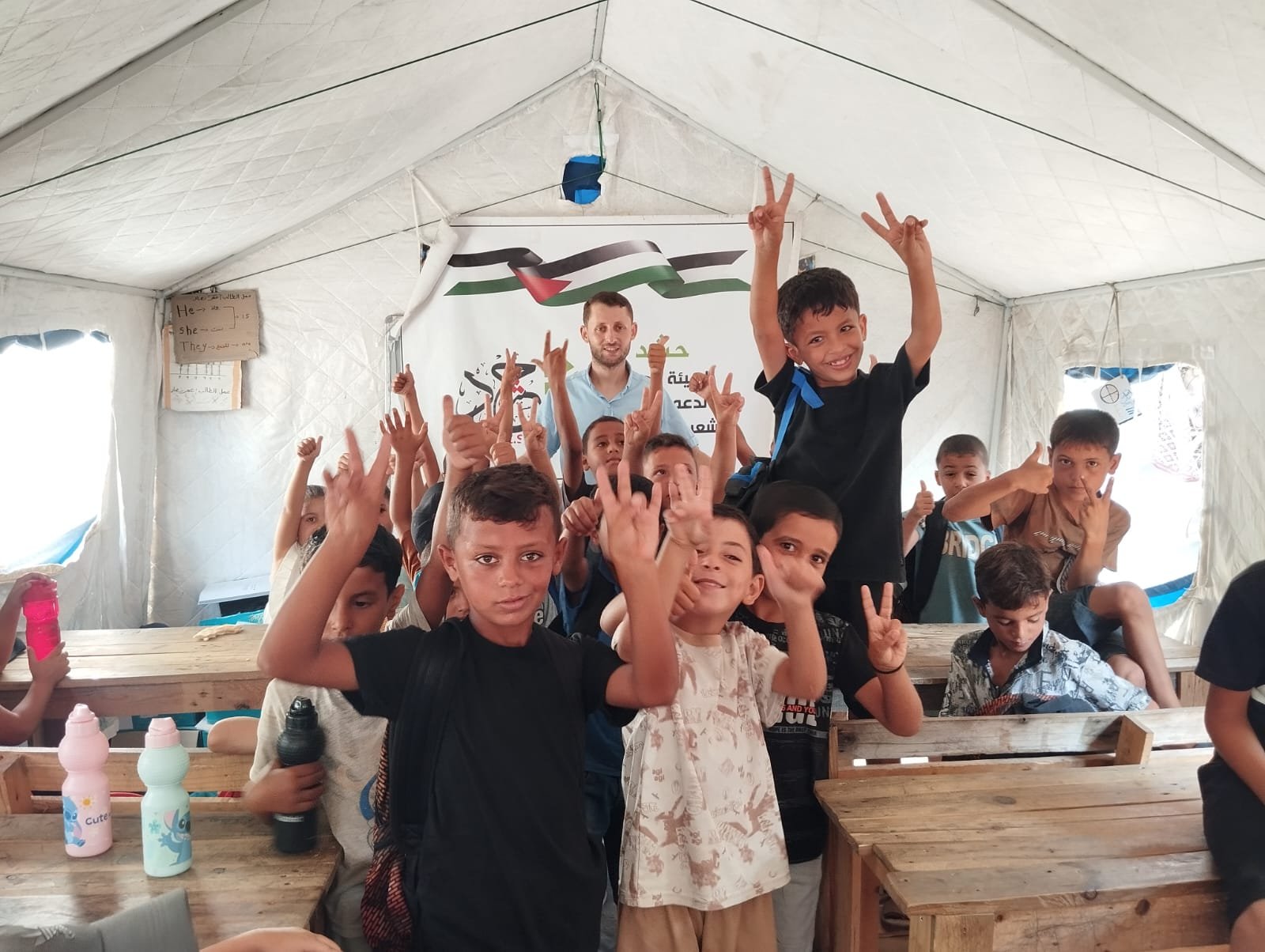
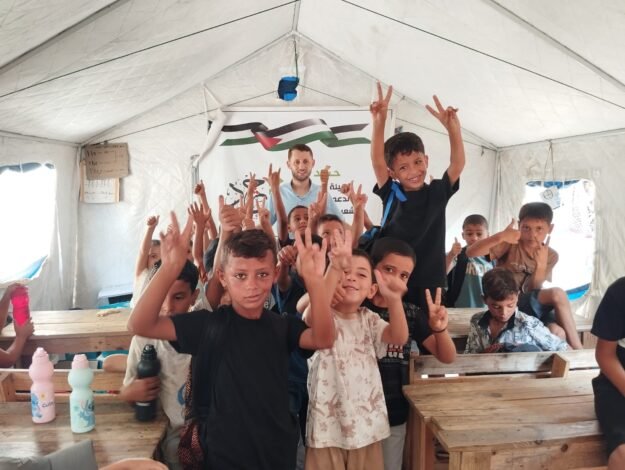
Amid the catastrophic consequences of the genocidal war and the deteriorating humanitarian conditions in the Gaza Strip, the International Commission to Support Palestinian People’s Rights (ICSPR) organized an awareness session entitled “Education Is a Right, Not a Privilege: Towards Ensuring Free Education,” with the participation of approximately 50 students. The session aimed to raise students’ awareness of their right to education and to introduce free education as a guarantee of justice, equality, and non-discrimination, rather than a grant or charitable act.
During the session, the Commission explained that the right to education is one of the fundamental human rights, and that exceptional circumstances, wars, and displacement do not extinguish this right or diminish the obligations of the relevant authorities to protect it and ensure its continuity. Rather, such circumstances make the provision and protection of education even more urgent, as education is one of the essential pillars for protecting children and safeguarding the future of society.
Participants discussed the concept of free education as a guarantee that prevents tuition fees and educational costs from becoming barriers to children’s access to and continuation in public education, particularly in light of the difficult economic and humanitarian conditions facing families in the Gaza Strip, including displacement, the loss of sources of income, and the decline in their ability to meet basic needs as a result of the war.
The session also addressed the main challenges facing students and the education system in the Gaza Strip, foremost among them the damage and destruction of schools and educational facilities, displacement and interruption of education, shortages of educational supplies, as well as the psychological and social impacts of the war on students and teachers. It also highlighted the potential consequences of the continued disruption, including increased risks of school dropout and the loss of entire academic years.
Participants emphasized that ensuring the right to education requires practical measures, foremost among them preserving free public education, preventing families from being burdened with financial costs that could prevent their children from attending school, providing educational supplies to students most in need, rehabilitating damaged schools and educational facilities, and providing safe and suitable learning spaces that ensure the continuity of the educational process.
Participants further stressed the need to develop alternative and remedial education programs for students who have been deprived of regular schooling, provide psychosocial support services for students and teachers, and ensure equal opportunities in access to education without discrimination, with particular attention to children with disabilities and those most affected by the consequences of war, displacement, and poverty.
The Commission called for Palestinian, Arab, and international support to rebuild and rehabilitate the education system in the Gaza Strip and provide the resources necessary to ensure its continuity. It also called for the establishment of effective mechanisms to monitor, document, and ensure accountability for violations of the right to education, so that the destruction of educational infrastructure or humanitarian conditions does not become a means of depriving an entire generation of its right to learn.
The Commission affirmed that education is an inherent right that does not cease during war, and that free education constitutes one of the guarantees of justice, equality, and equal opportunities. It stressed that protecting the right of children in Gaza to education is not merely a temporary humanitarian response, but a legal and human rights obligation and an investment in the future of society. Poverty, war, or displacement should never be reasons for depriving any child of their right to learn.