
ICSPR Concludes Specialized Electoral Monitoring Training to Strengthen Civil Society Readiness and Protect the Right to Democratic Participation

Date: 17 September 2026
Press Release
ICSPR Concludes Specialized Electoral Monitoring Training to Strengthen Civil Society Readiness and Protect the Right to Democratic Participation
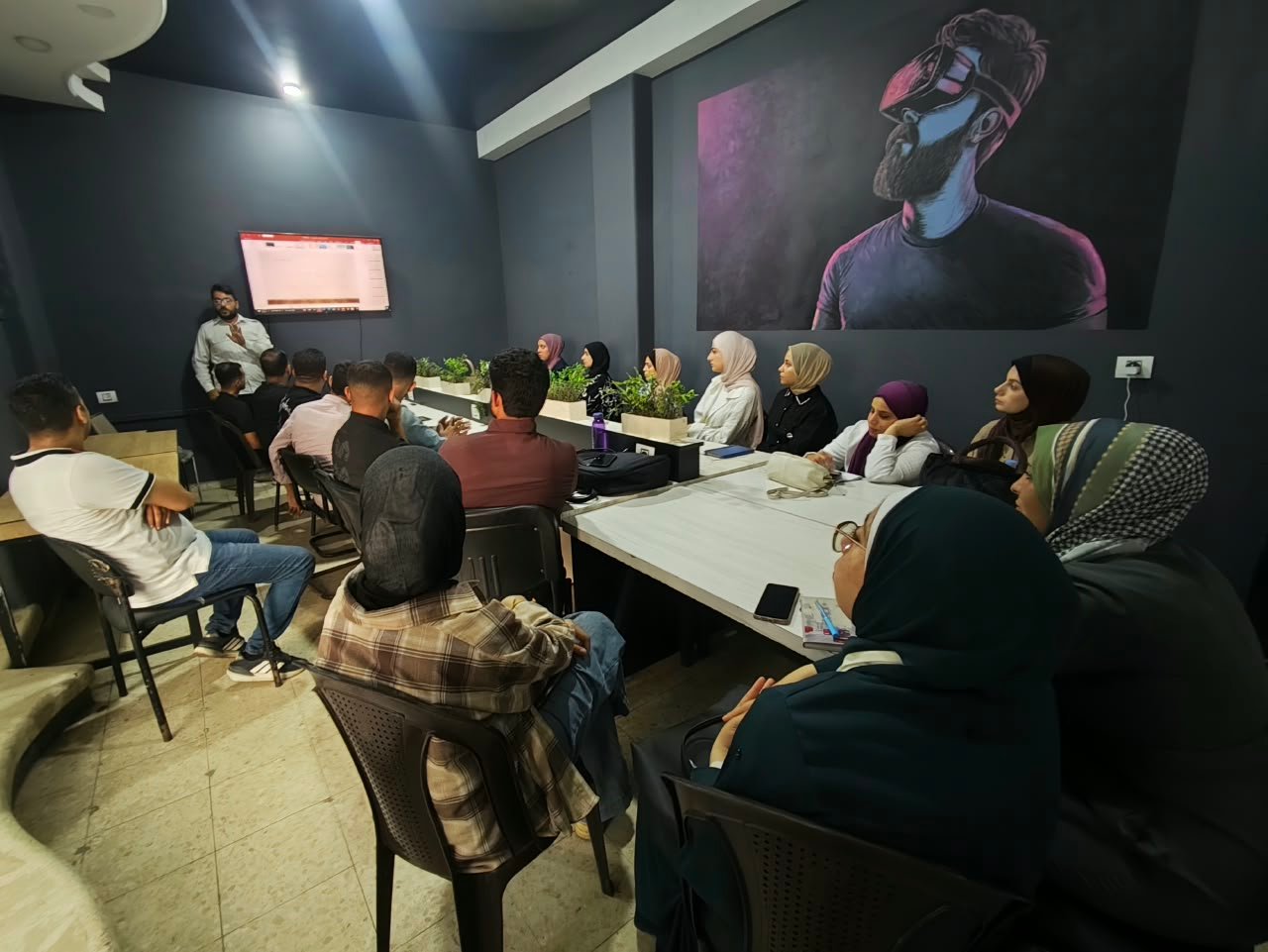
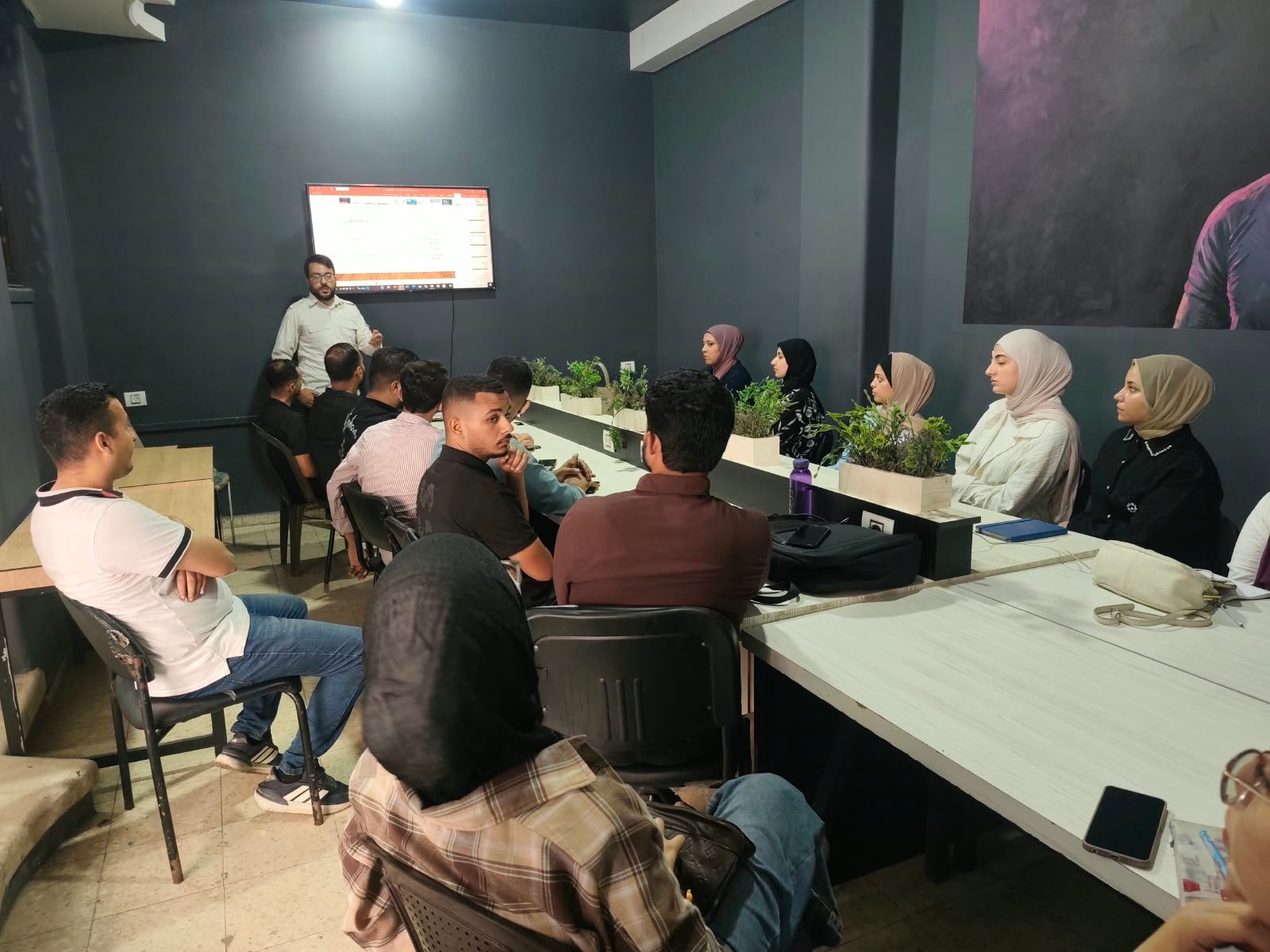
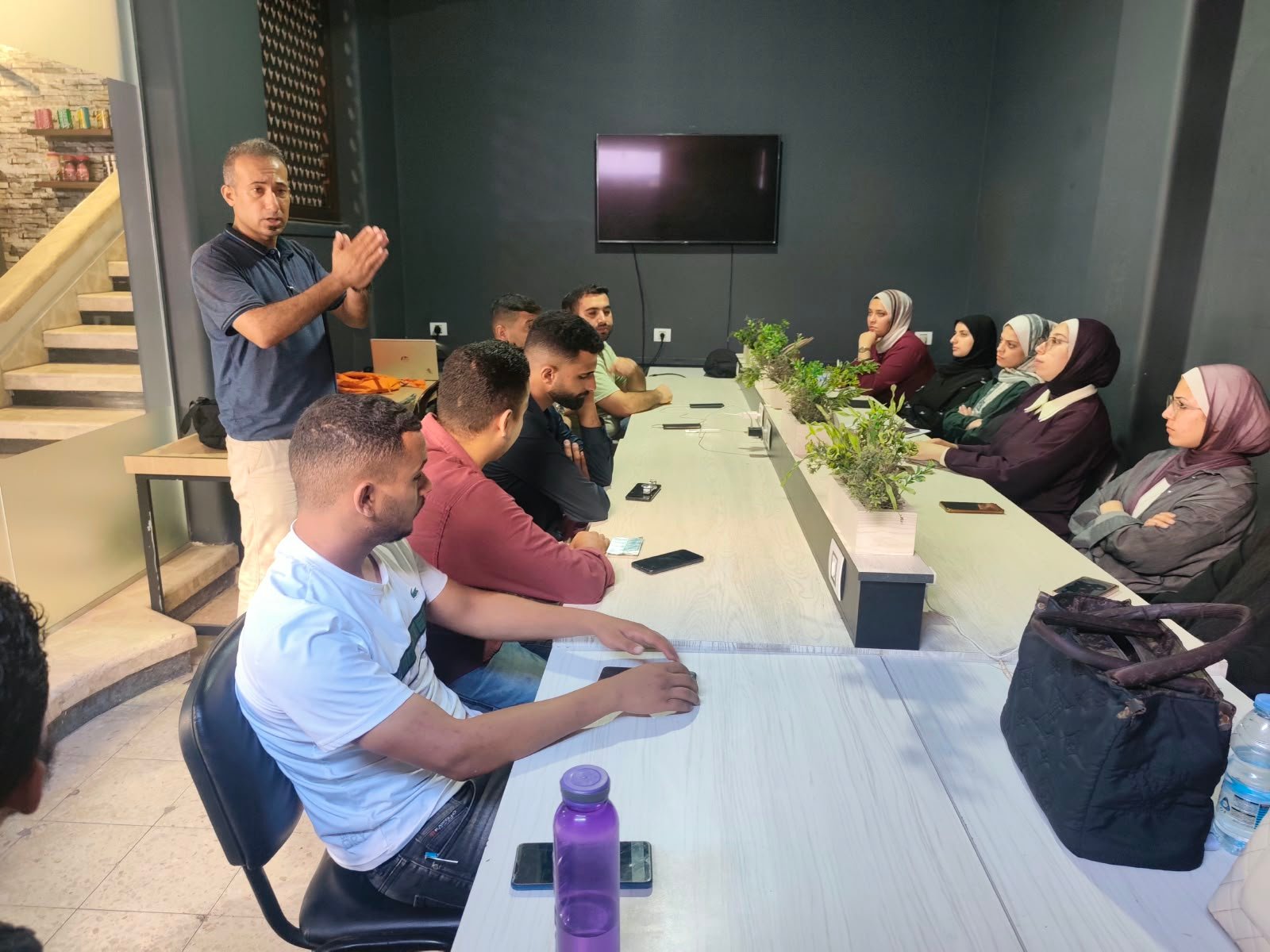
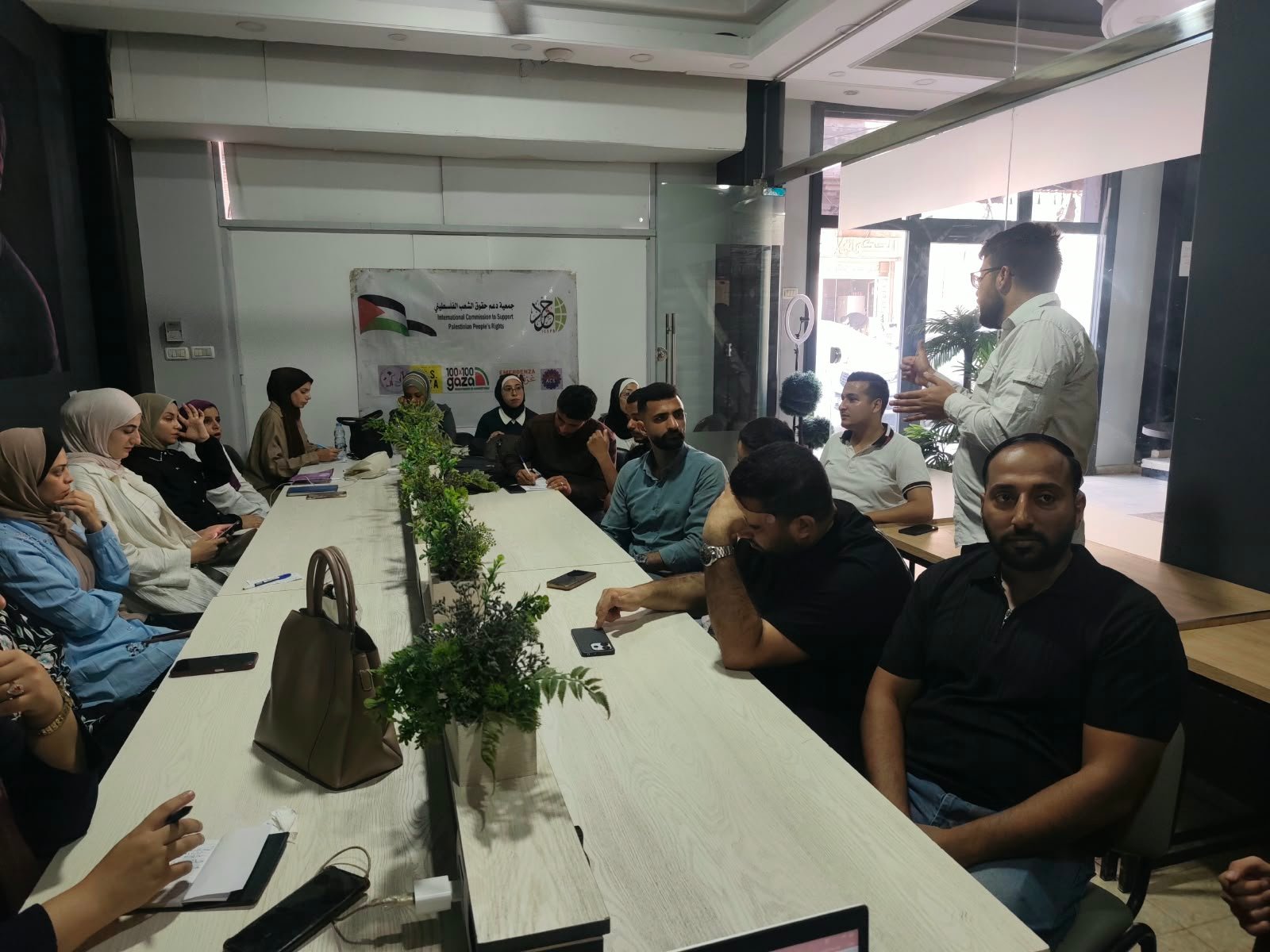
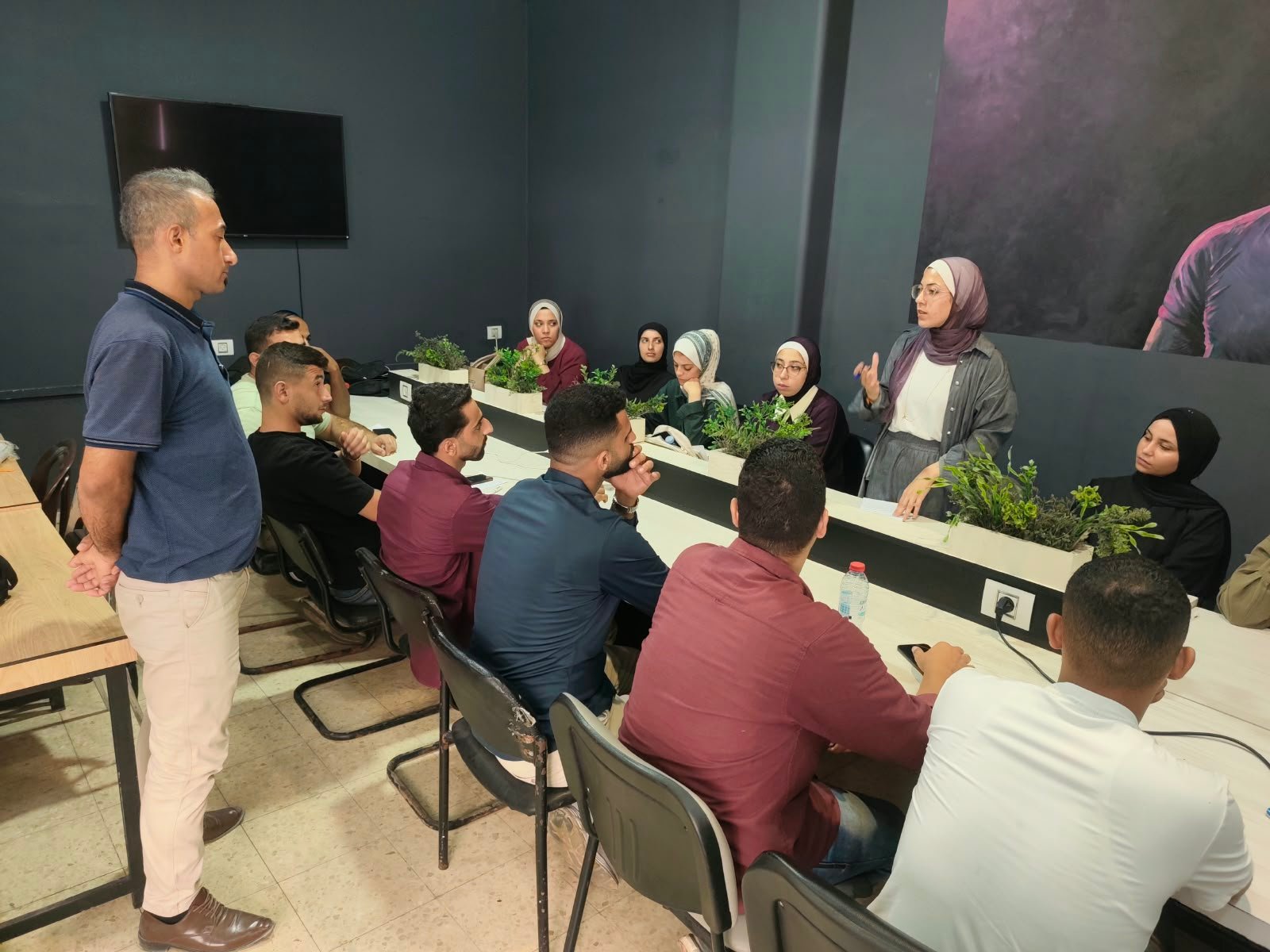
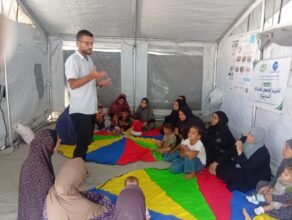
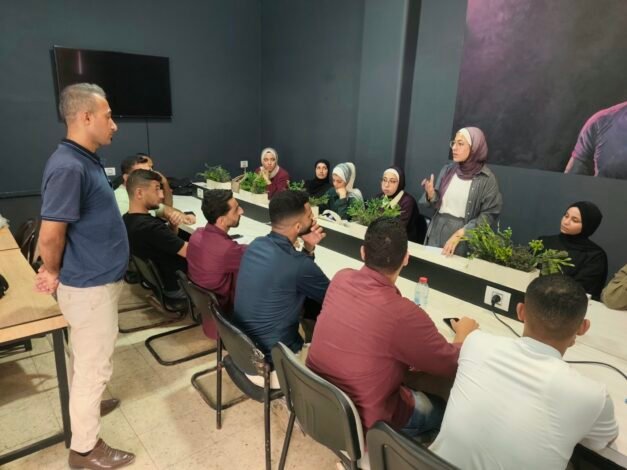
Gaza – The International Commission to Support Palestinians’ Rights (ICSPR) concluded a specialized three-day training course on electoral monitoring in Gaza City, with the participation of 30 male and female activists working in the human rights and community sectors. The course aimed to strengthen participants’ knowledge and practical capacities in observing and monitoring the electoral process, while consolidating the role of civil society in safeguarding integrity, transparency, and the right to political participation, with particular emphasis on the participation of youth, women, and marginalized groups.
The programme was conducted as part of preparations for Palestinian electoral processes, based on the understanding that elections are a fundamental political right and a national and democratic entitlement. Protecting this right is not limited to election day; it begins during the preparatory stages and extends through voter registration, candidacy, campaigning, voting, counting, announcement of results, complaints, and appeals. This is essential to ensure respect for public freedoms, equal opportunities, and the will of voters.
The training addressed three interconnected themes: an introduction to elections, electoral monitoring, and strengthening the participation of young people and women. The course linked theoretical knowledge to the practical challenges facing the Palestinian electoral process, including the effects of occupation, war, displacement, and political division. It stressed the need to guarantee the participation of Palestinians in the Gaza Strip, the West Bank, and Jerusalem, and to prevent exceptional circumstances from becoming a pretext for depriving citizens of their right to vote and stand for election. This includes providing legal and technical solutions enabling the participation of citizens temporarily outside the Gaza Strip.
On the first day, Dr Ali Al-Attar delivered the session entitled “Introduction to Elections,” reviewing the concepts, stages, and governing principles of the electoral process, including the rights to vote and stand for election, political participation, transparency, integrity, and equal opportunities. He also addressed the role of elections in renewing legitimacy and rebuilding the political system on the basis of popular will and the rule of law.
On the second day, Dr Ahmed Al-Oweiti presented the session on “Electoral Monitoring.” He addressed the concept, objectives, and principles of monitoring, the roles of observers, mechanisms for observation and documentation, and monitoring of all phases of the electoral process—from registration, candidacy, and campaigning to voting, counting, and the announcement of results. The session also examined the monitoring of public freedoms, equal opportunities, and violations, as well as the importance of national and international monitoring in strengthening public trust and protecting the will of voters.
The training further discussed the technical and logistical readiness required to hold elections in the Gaza Strip. This included polling centres, staffing, electoral materials, transportation, storage, communications, announcement of results, and emergency preparedness. It also addressed challenges associated with occupation, freedom of movement, access, and participation, as well as the importance of effective, independent, and timely mechanisms for electoral complaints, appeals, and disputes, in order to protect the rights of voters and candidates.
On the third day, lawyer and trainer Rami Mohsen delivered the session on “Youth and Women’s Participation in Elections,” focusing on strengthening their presence in public life and decision-making, and expanding their participation in candidacy, voting, monitoring, and civic engagement. The session also highlighted the need to ensure the participation of persons with disabilities and marginalized groups and to prevent their exclusion from the democratic process.
The training sessions addressed the national safeguards required for conducting elections, the role of political forces and civil society in protecting them, and the risks of obstructing, postponing, or replacing electoral processes with arrangements based on appointment or power-sharing. Participants stressed that national dialogue and understandings should serve as means to provide guarantees, respect election results, and end political division—not as substitutes for citizens’ right to choose their representatives.
The programme included discussions and practical exercises on the challenges of participation in Gaza, Jerusalem, and the West Bank; the rights of displaced persons; the role of the Central Elections Commission; civil society monitoring; electoral justice; legal guarantees; and the risks of influencing voters’ will. These sessions strengthened participants’ ability to analyse risks, identify and document violations, and engage professionally with the various stages of the electoral process.
Lawyer Rana Hdeib, ICSPR Programmes Director, affirmed that the course was organized as part of the Commission’s efforts to build civil society capacity and prepare human rights and youth cadres capable of independently and professionally monitoring the electoral process. She stressed that protecting elections begins with protecting every citizen’s right to participate, continues through monitoring, transparency, justice, and equal opportunities, and does not end with the announcement of results.
Ms Hdeib explained that building a civil society capable of monitoring, following up, and ensuring accountability is essential to protecting the will of voters and strengthening confidence in the democratic process. She affirmed the importance of sustaining and expanding awareness-raising and capacity-building programmes to reach more young people, women, activists, and civil society actors.
Participants expressed their appreciation for the programme, affirming that the training contributed to developing their knowledge and practical tools in the field of elections and electoral monitoring. They noted that it opened an in-depth discussion on the challenges facing Palestinian electoral processes and ways to protect the right to participation and strengthen integrity and transparency.
ICSPR concluded the programme by affirming that electoral monitoring is not a technical activity limited to election day, but rather an integrated civic process aimed at protecting the right to participation and the will of voters. It stressed that the readiness of civil society and its capacity to observe, document, and ensure accountability constitute important safeguards for conducting free, fair, and inclusive elections, renewing legitimacy, and rebuilding the Palestinian political system on the foundations of participation, representation, and the rule of law.