
(ICSPR) World Children’s Day Is an Occasion to Renew Our Commitment to Protecting Childhood, Amid the Grave Violations and Deprivation of Fundamental Rights Suffered by Palestinian Children

Date: 20 November 2026
Press Release
(ICSPR) World Children’s Day Is an Occasion to Renew Our Commitment to Protecting Childhood, Amid the Grave Violations and Deprivation of Fundamental Rights Suffered by Palestinian Children
The world celebrates World Children’s Day on 20 November every year, a day designated by the United Nations General Assembly in 1954 as an occasion to promote international solidarity, raise awareness of children’s rights, and improve their well-being. The date also coincides with the anniversaries of the adoption of the Declaration of the Rights of the Child in 1959 and the Convention on the Rights of the Child in 1989 by the United Nations General Assembly. These instruments established a comprehensive international legal framework for protecting children’s rights and guaranteeing their rights to life, development, education, healthcare, and protection from all forms of violence, exploitation, and discrimination.
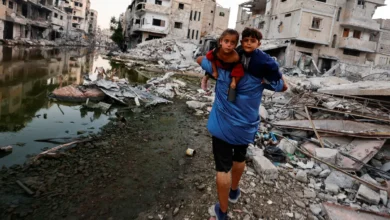
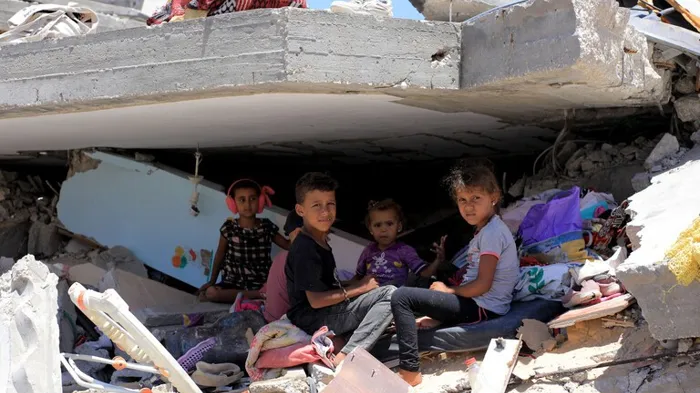
This year’s observance comes amid exceptionally harsh humanitarian and human rights conditions endured by Palestinian children, particularly in the Gaza Strip, where the consequences of the Israeli aggression continue to unfold, leaving behind human losses, widespread destruction, repeated displacement, and the collapse of essential services. These conditions have placed hundreds of thousands of children in a reality devoid of the most basic requirements for a safe and dignified life, depriving them of their fundamental rights to life, protection, education, healthcare, and psychological and social stability.
While the international community renews its commitment to children’s rights, Palestinian children continue to face a reality in which these rights are subjected to grave violations, amid the international community’s failure to provide effective protection or ensure accountability for those responsible for violations committed against them.
The International Commission notes that Palestinian children, particularly in the Gaza Strip, are experiencing one of the harshest periods in the history of their childhood. The most basic aspects of their daily lives have become an ongoing struggle for survival amid the loss of family members, the destruction of homes, repeated displacement, and the absence of the basic necessities for a safe life. Their access to food, clean water, healthcare, education, and protection has also severely deteriorated. Children in Gaza are no longer facing the dangers of war alone; they are also confronting its far-reaching consequences, which affect their physical and mental health, development, future, and fundamental right to live with dignity and security.
The documented figures and facts reflect the scale of the catastrophe facing children in the Gaza Strip. Statistics issued by the Government Media Office indicate that more than 21,976 Palestinian children have been killed since the beginning of the Israeli aggression, including 348 children since the ceasefire came into effect. These figures reflect the continued loss of civilian lives, including children, despite the announcement of a ceasefire, and the absence of effective protection for the lives and safety of civilians.
The International Commission to Support Palestinian Rights (ICSPR) warns of the worsening humanitarian and health risks surrounding children in Gaza, particularly as hundreds of thousands of displaced people continue to live in tents and shelters that lack even the minimum standards of protection, privacy, sanitation, and heating. Recent rainfall and flooding have exposed the extreme vulnerability of these conditions, causing shelters and personal belongings to be flooded and damaged. The harsh weather conditions also claimed the lives of three children and their mother after a sand dune collapsed onto their tent in Deir al-Balah following rainfall. These incidents demonstrate that children are not only exposed to the dangers of bombardment but have also become vulnerable to death due to the absence of safe shelter and protection from severe weather conditions.
The International Commission emphasizes that depriving children of education represents one of the most serious long-term violations of their rights. According to UNICEF data released in May 2026, approximately 700,000 school-aged children, between the ages of 4 and 17, have been deprived of regular in-person education for nearly three consecutive academic years. Meanwhile, approximately 98% of school buildings have sustained damage. This situation threatens to deepen the educational gap and exposes an entire generation to the risks of dropping out, marginalization, and the loss of opportunities for learning and development. Despite efforts to provide temporary learning spaces, these initiatives cannot serve as a sustainable alternative to a safe and comprehensive education system that guarantees every child’s right to education without discrimination or interruption.
The International Commission further stresses that the psychological and social consequences of aggression, displacement, and the loss of family members, homes, and friends are no less dangerous than physical injuries. Children are experiencing increasing levels of fear, anxiety, psychological trauma, sleep disorders, and a profound loss of security, as a result of traumatic experiences that have exceeded their capacity to cope and deprived them of the most basic aspects of childhood. The Commission emphasizes that these children urgently need specialized and sustainable mental health and psychosocial support interventions, rehabilitation, and integration into safe environments that enable them to regain a sense of stability, dignity, and security. Risks are also increasing for children with disabilities, children deprived of family care, and children separated from their families, amid the weakness of protection services and humanitarian response mechanisms.
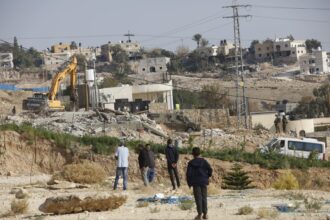
The International Commission also draws attention to the escalating violations faced by Palestinian children in the occupied West Bank and Jerusalem, including killings, injuries, arrests, military incursions, and restrictions on movement and access to schools and healthcare services. These violations also include attacks against children in communities affected by settler violence, forced displacement, and home demolitions. In this regard, data from Palestinian prisoners’ institutions indicate that more than 350 Palestinian children are being held in Israeli occupation prisons, where they are subjected to harsh detention conditions and violations affecting their fundamental rights, including their rights to liberty, physical and psychological integrity, and fair trial guarantees. The Commission stresses that protecting Palestinian children is an indivisible legal responsibility that must not be subject to political or geographical considerations. Every child’s right to life, protection, education, and security must be safeguarded under all circumstances.
The International Commission to Support Palestinian Rights (ICSPR) affirms that World Children’s Day should not be limited to symbolic observances or the renewal of theoretical commitments. Rather, it must serve as an opportunity to assess the extent to which states and the international community are fulfilling their legal and moral obligations towards children, and to take concrete and practical measures to protect Palestinian children, end their suffering, and guarantee their right to live in safety and dignity, with a future free from fear, violence, and war.
The Commission considers that the continuation of these violations, coupled with the absence of effective accountability, undermines the international protection system established for children and exposes a serious gap between declared legal commitments and actual practices on the ground. The continued impunity of those responsible for these violations also threatens to create an environment in which such violations are repeated, undermining confidence in the effectiveness of international justice and protection mechanisms. This situation requires international action that goes beyond statements and declarations to adopt practical measures ensuring the protection of children, holding those responsible for violations accountable, ending impunity, and guaranteeing that such crimes and violations are never repeated.
As the International Commission to Support Palestinian Rights (ICSPR) renews its commitment to defending the rights of Palestinian children and strengthening their protection, it calls upon the international community, the United Nations, and relevant international bodies to take the following measures:
First: End all violations and attacks in the Gaza Strip and the West Bank. Provide special protection for children in conflict and displacement areas, and ensure compliance with the rules of international humanitarian law and the Convention on the Rights of the Child.
Second: End impunity and strengthen international accountability. Activate independent investigation and accountability mechanisms concerning crimes and violations committed against children, ensure the documentation and preservation of evidence, and pursue those responsible, in a manner that guarantees justice and prevents the recurrence of violations.
Third: Ensure humanitarian assistance and health and psychological recovery. Guarantee the immediate and unrestricted entry of humanitarian aid, provide food, clean water, safe shelter, and specialized medical care, facilitate the medical evacuation of sick and injured children, and launch sustainable psychosocial support and rehabilitation programmes.
Fourth: Guarantee the right to education and rebuild a protective environment for childhood. Launch an urgent international plan to rehabilitate schools and educational facilities, address learning losses, provide safe and regular learning environments, and rebuild the child protection services system to ensure children’s healthy development and safeguard their dignity and rights.
Fifth: Strengthen institutional and social protection for Palestinian children. Support national institutions and programmes working in child protection, develop response mechanisms for the most vulnerable children, including orphans, children with disabilities, and children separated from their families, and ensure their protection from exploitation, violence, and discrimination throughout all Palestinian territories.
The International Commission to Support Palestinian Rights (ICSPR)