
ICSPR Organizes an International Webinar Entitled “Global Solidarity with Palestine: Gaza Cannot Wait,” Calling for International Solidarity to Be Transformed into Effective Political, Legal, and Grassroots Action

Date: 26 November 2026
Press Release
On the International Day of Solidarity with the Palestinian People, ICSPR Organizes an International Webinar Entitled “Global Solidarity with Palestine: Gaza Cannot Wait,” Calling for International Solidarity to Be Transformed into Effective Political, Legal, and Grassroots Action
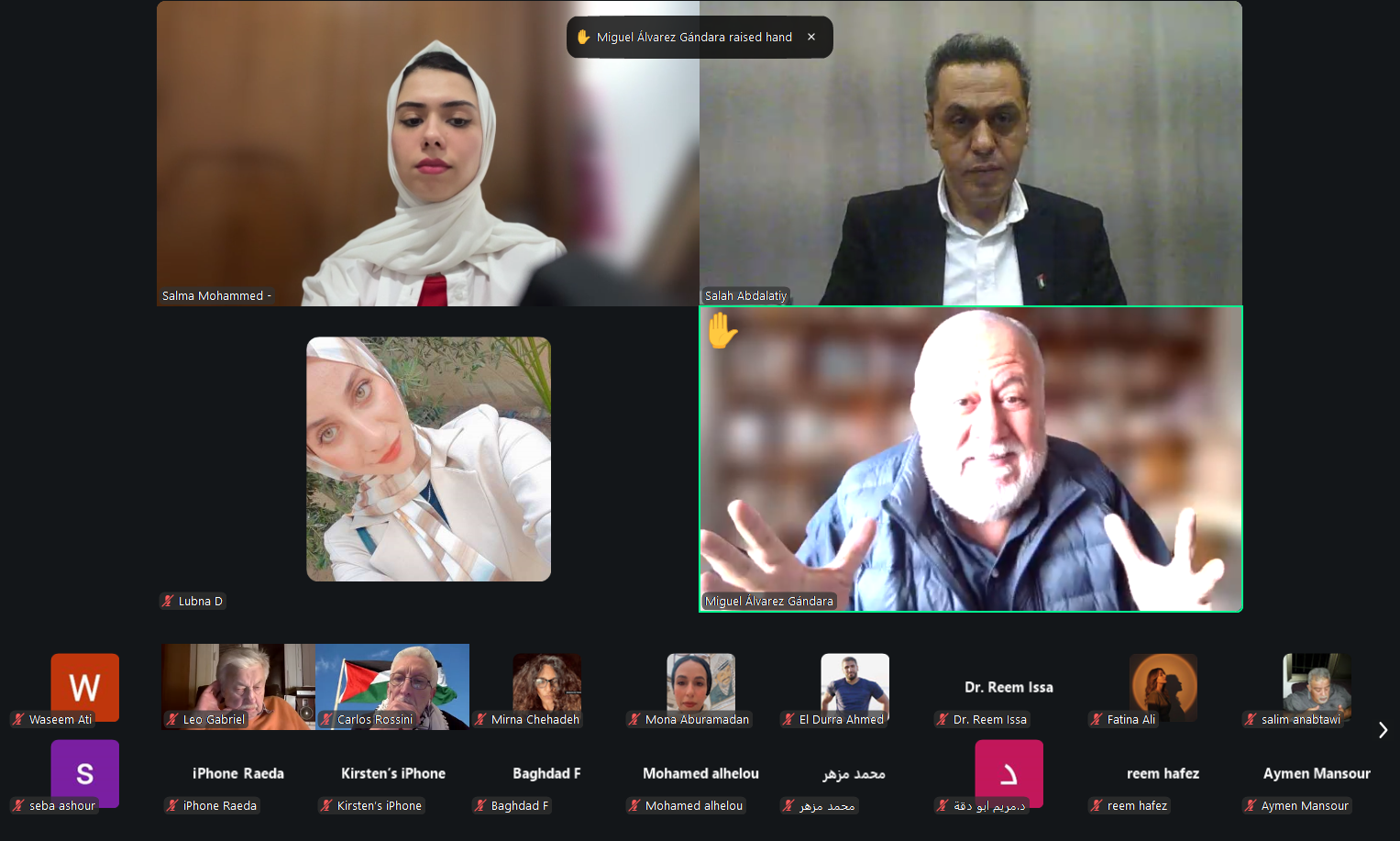
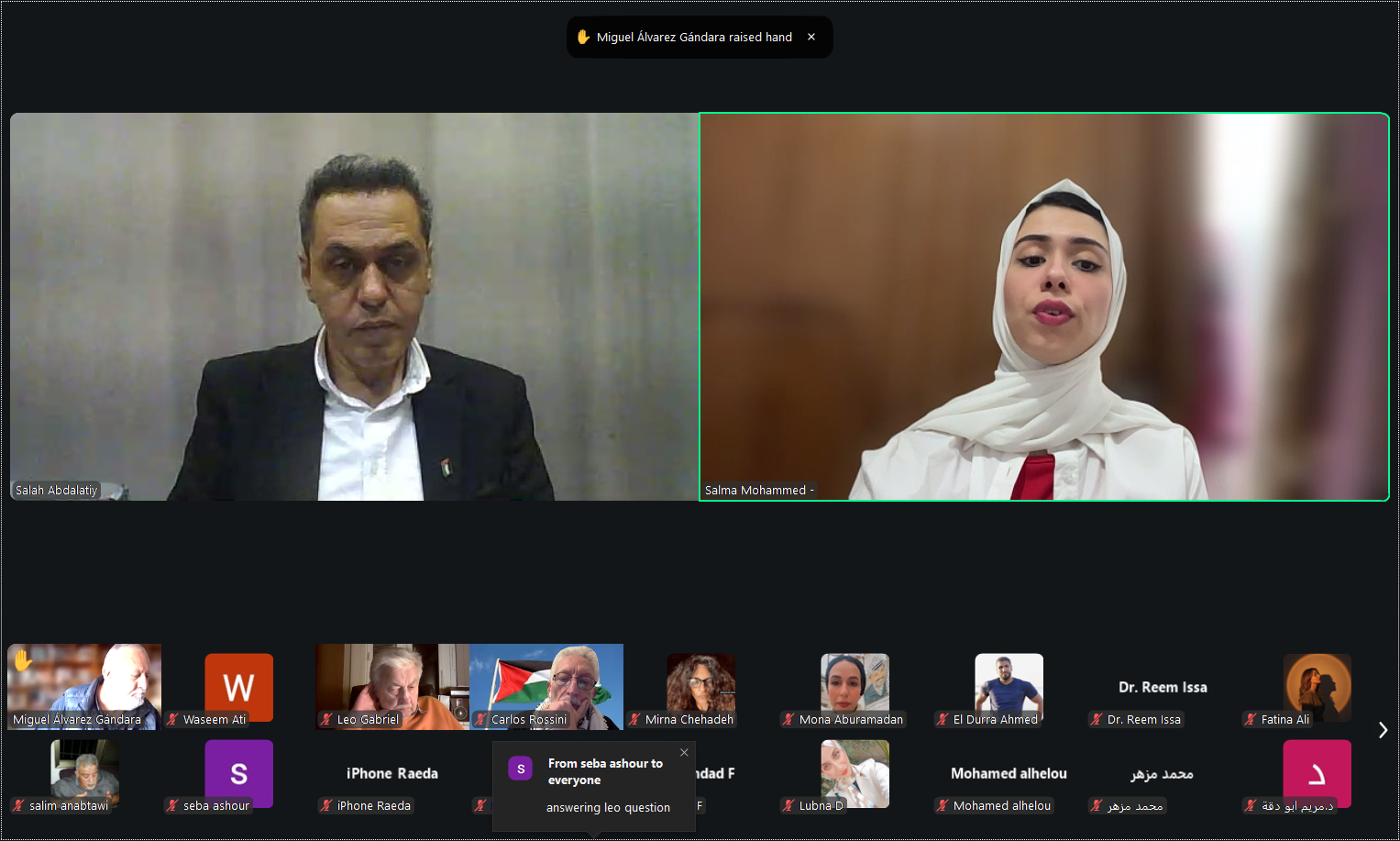
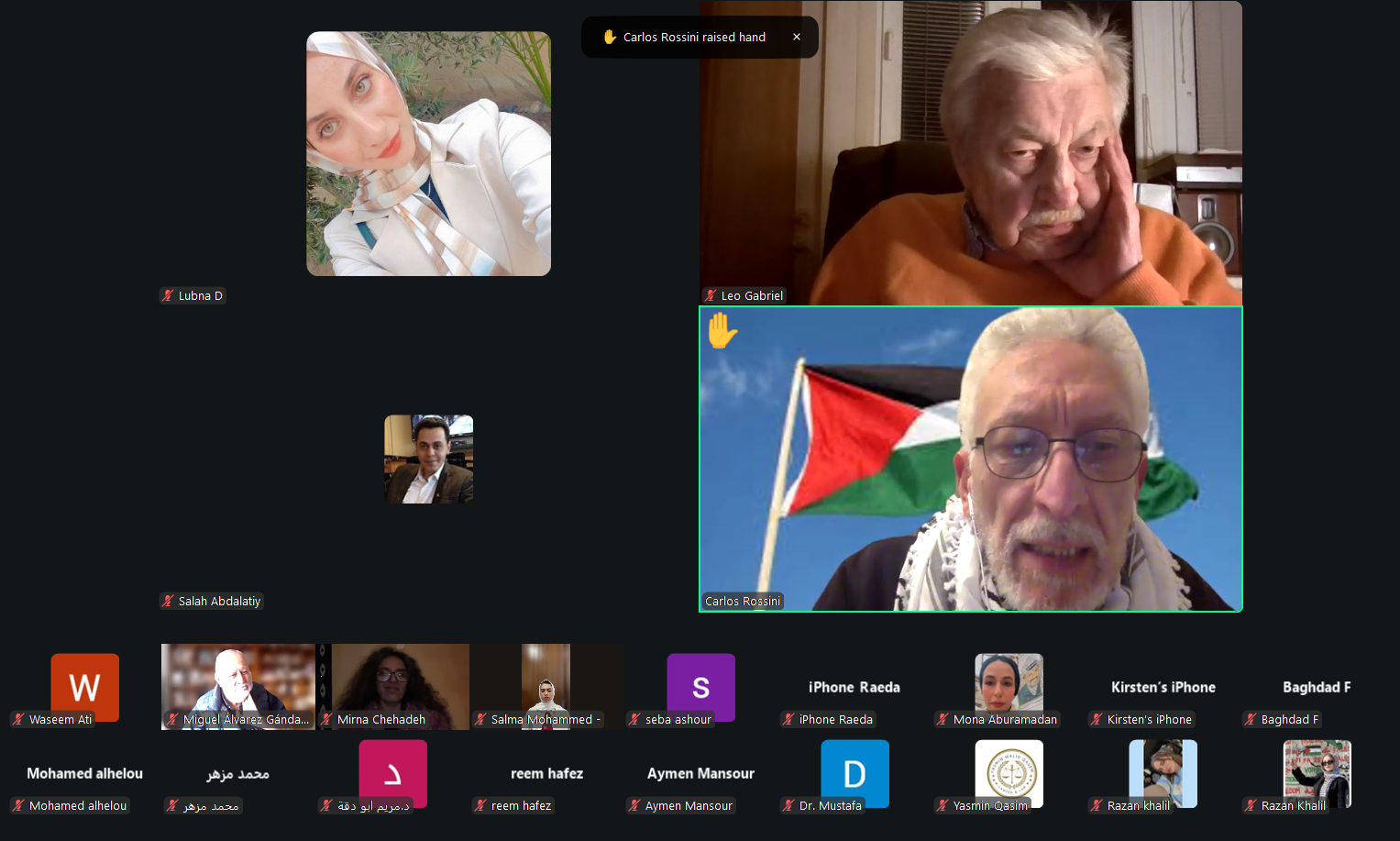
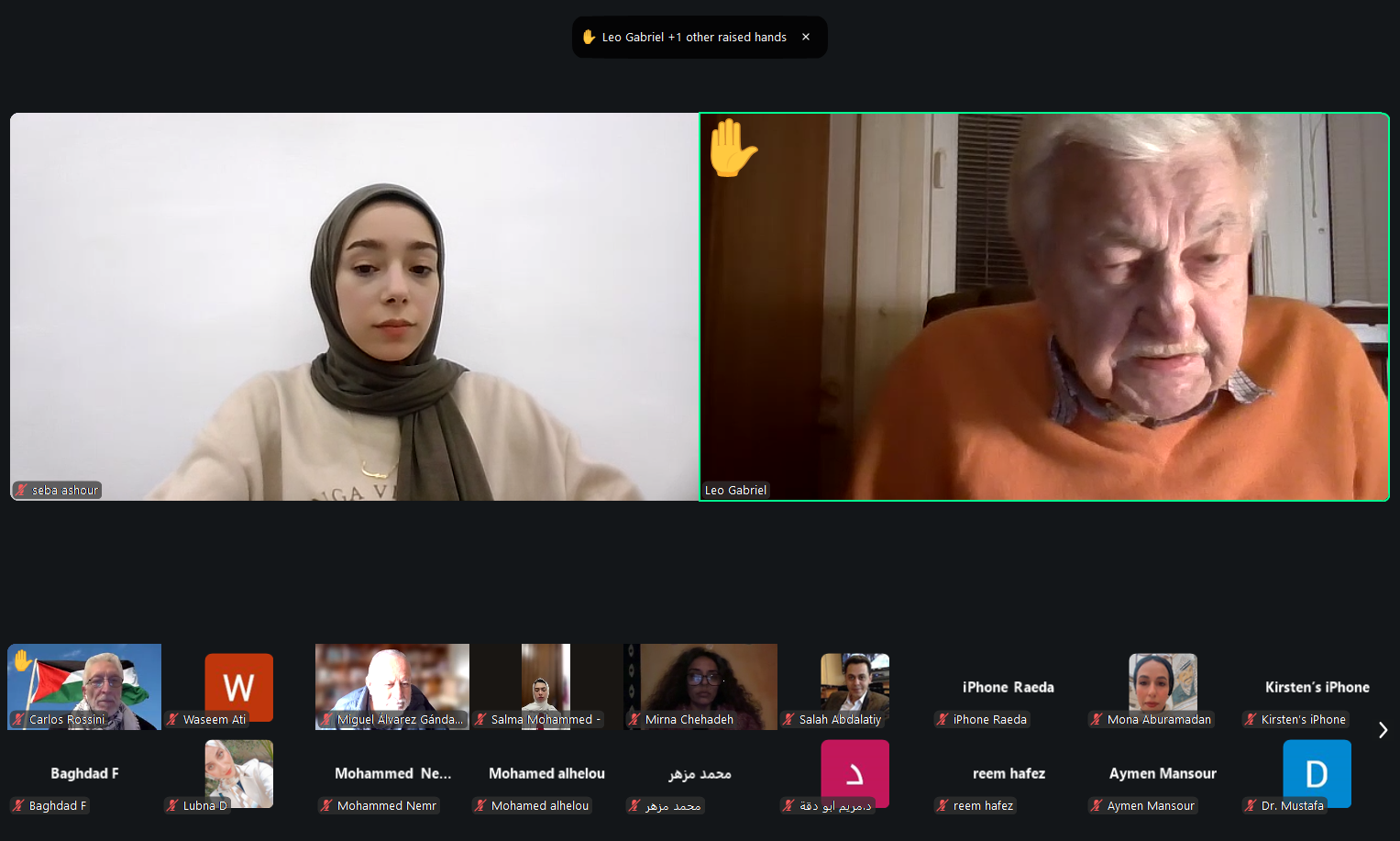
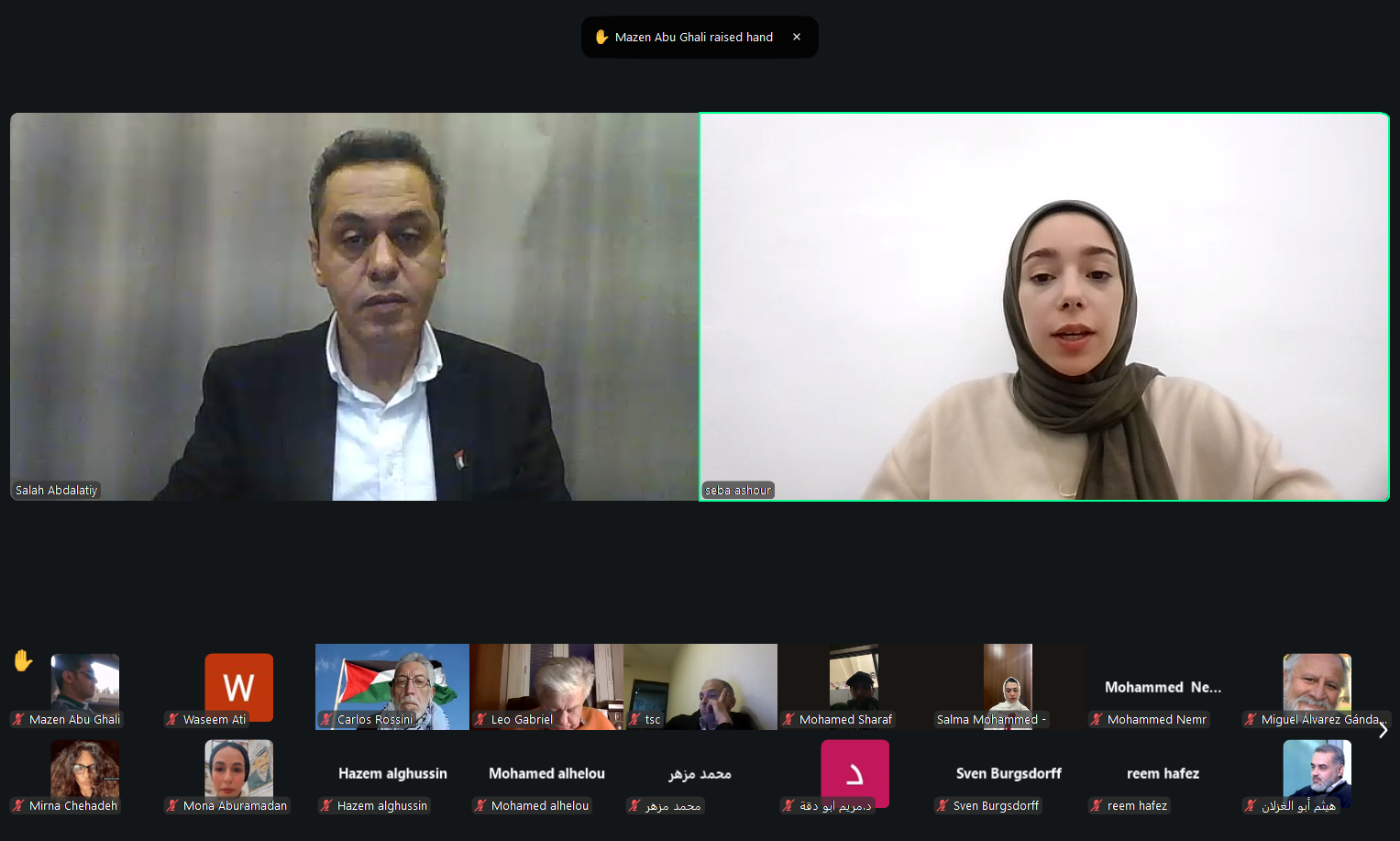
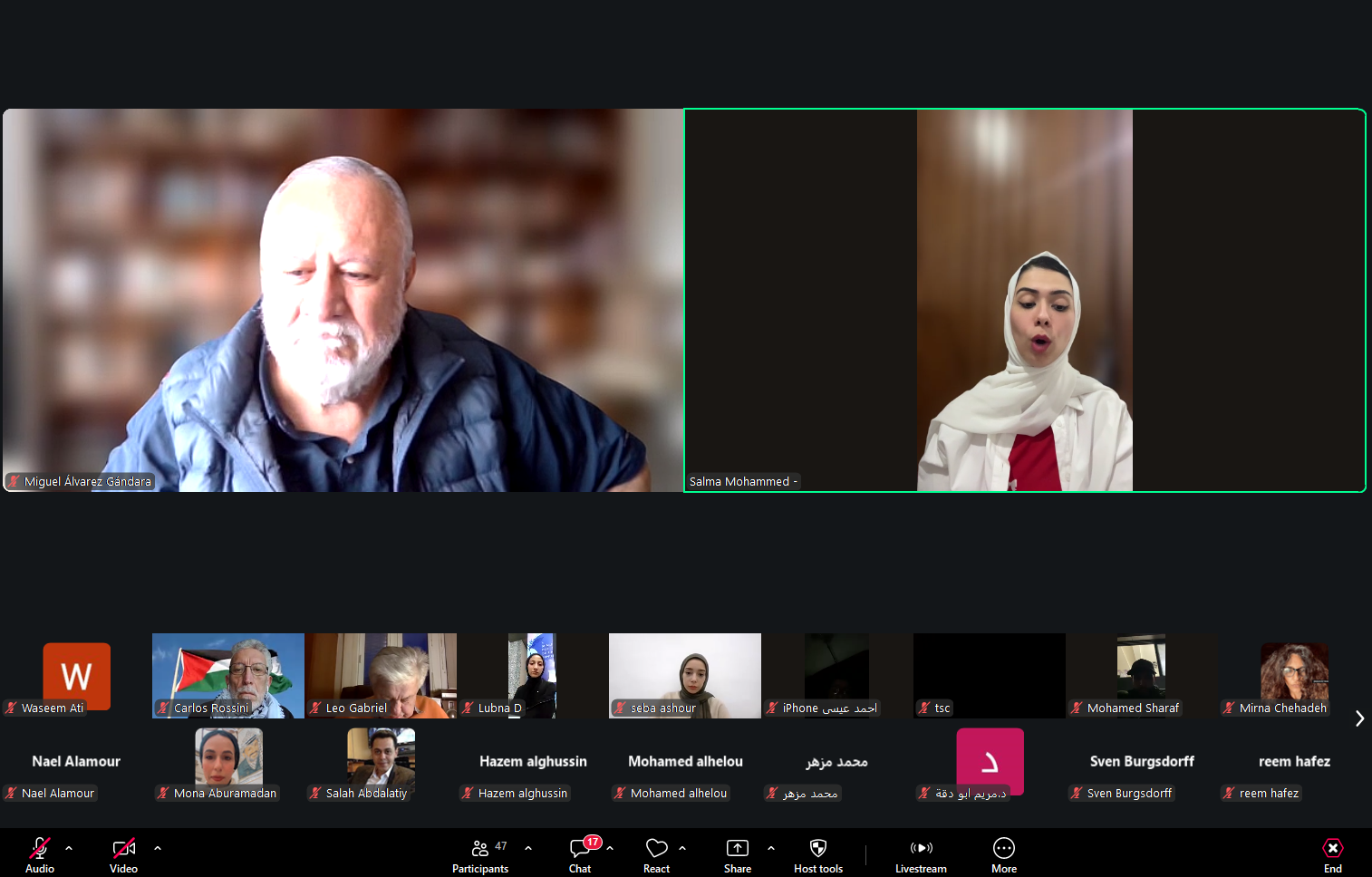
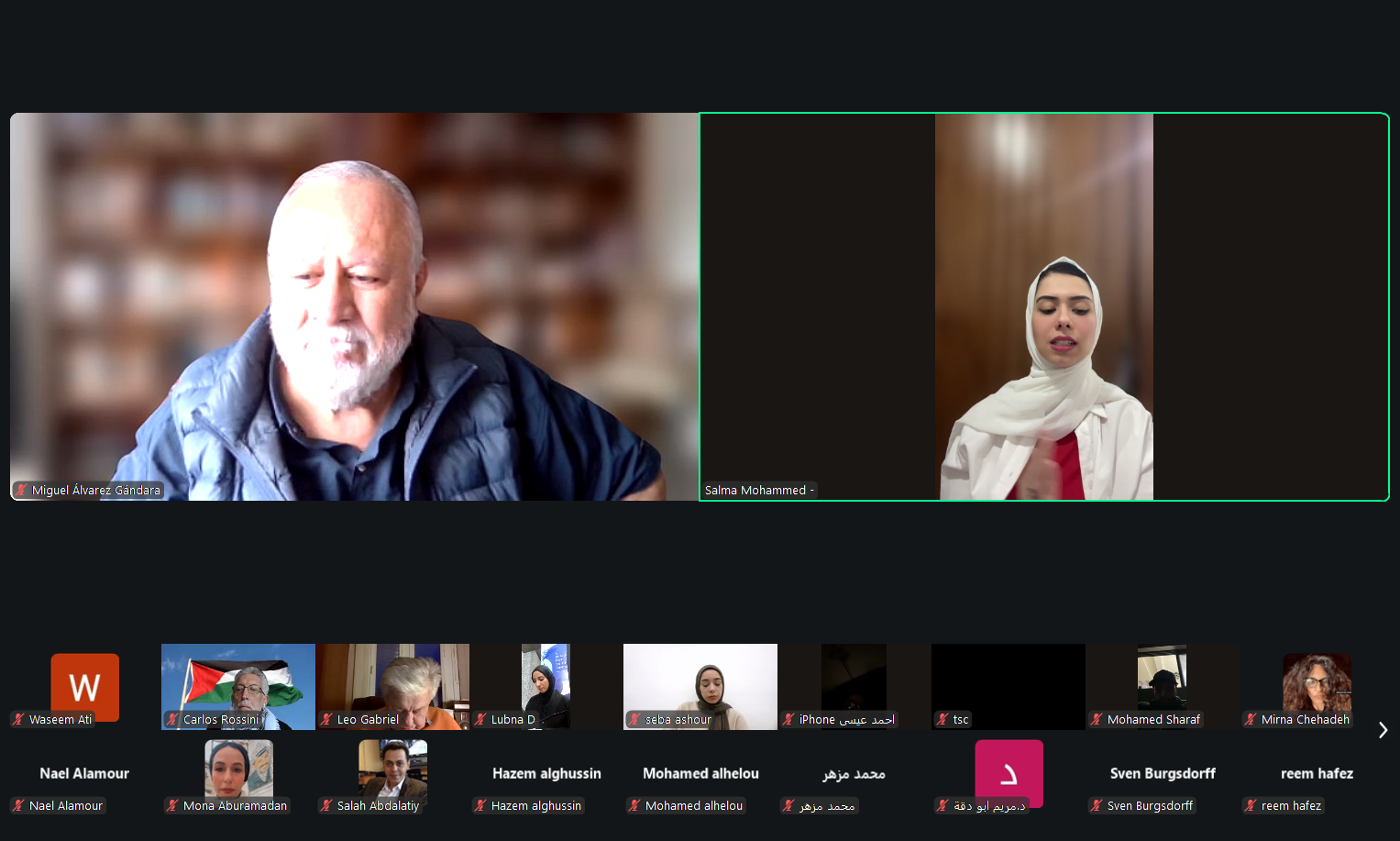
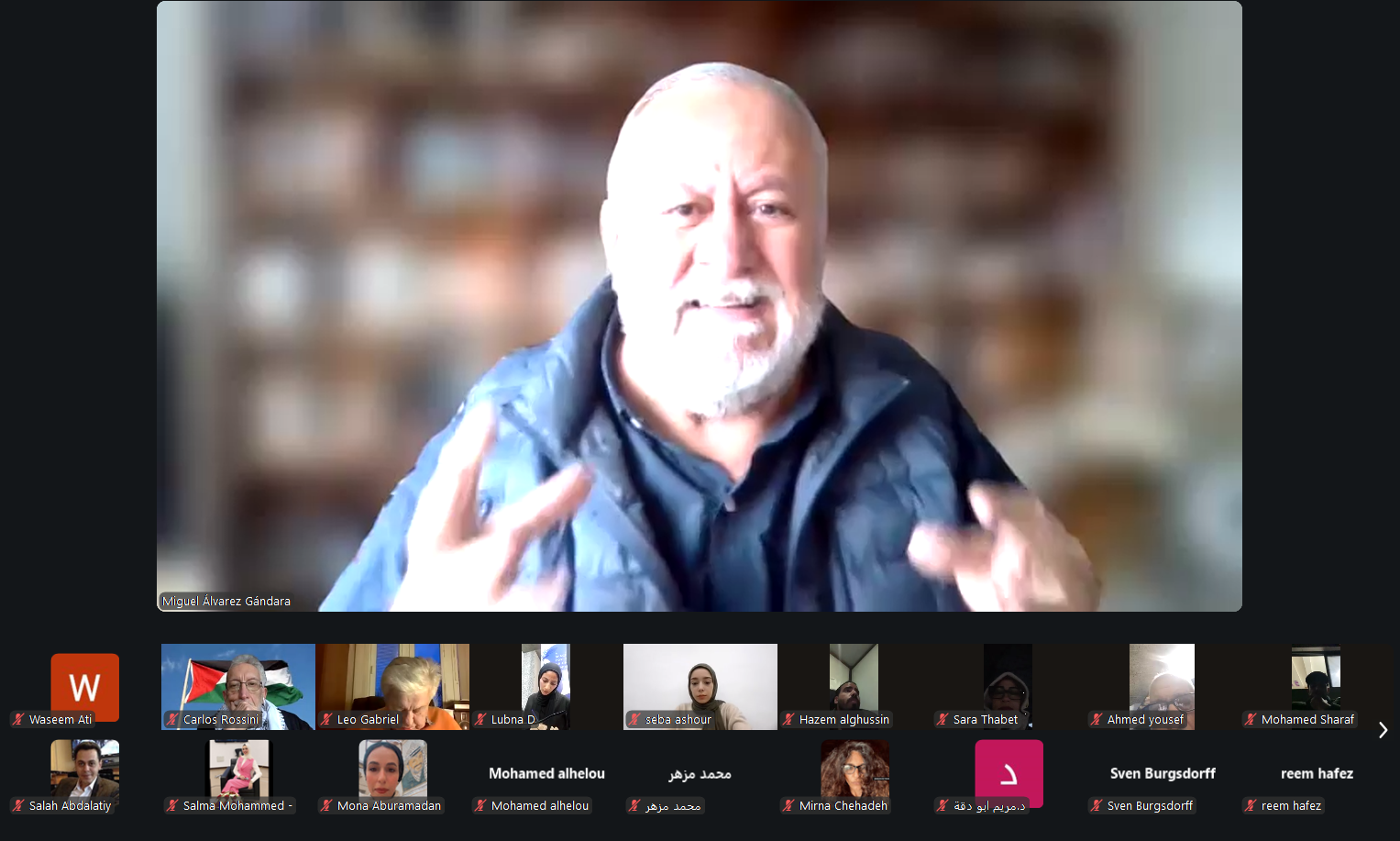
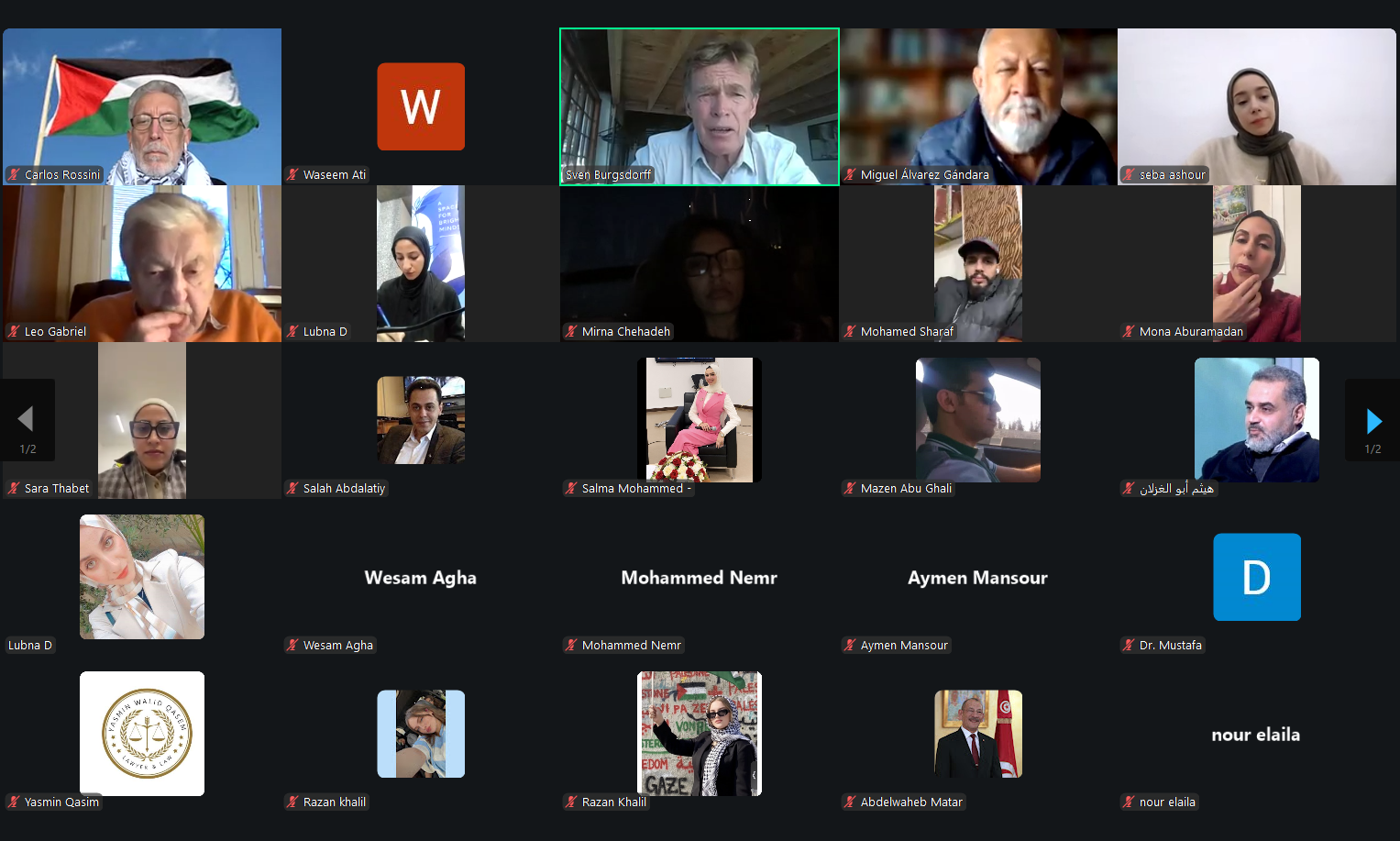
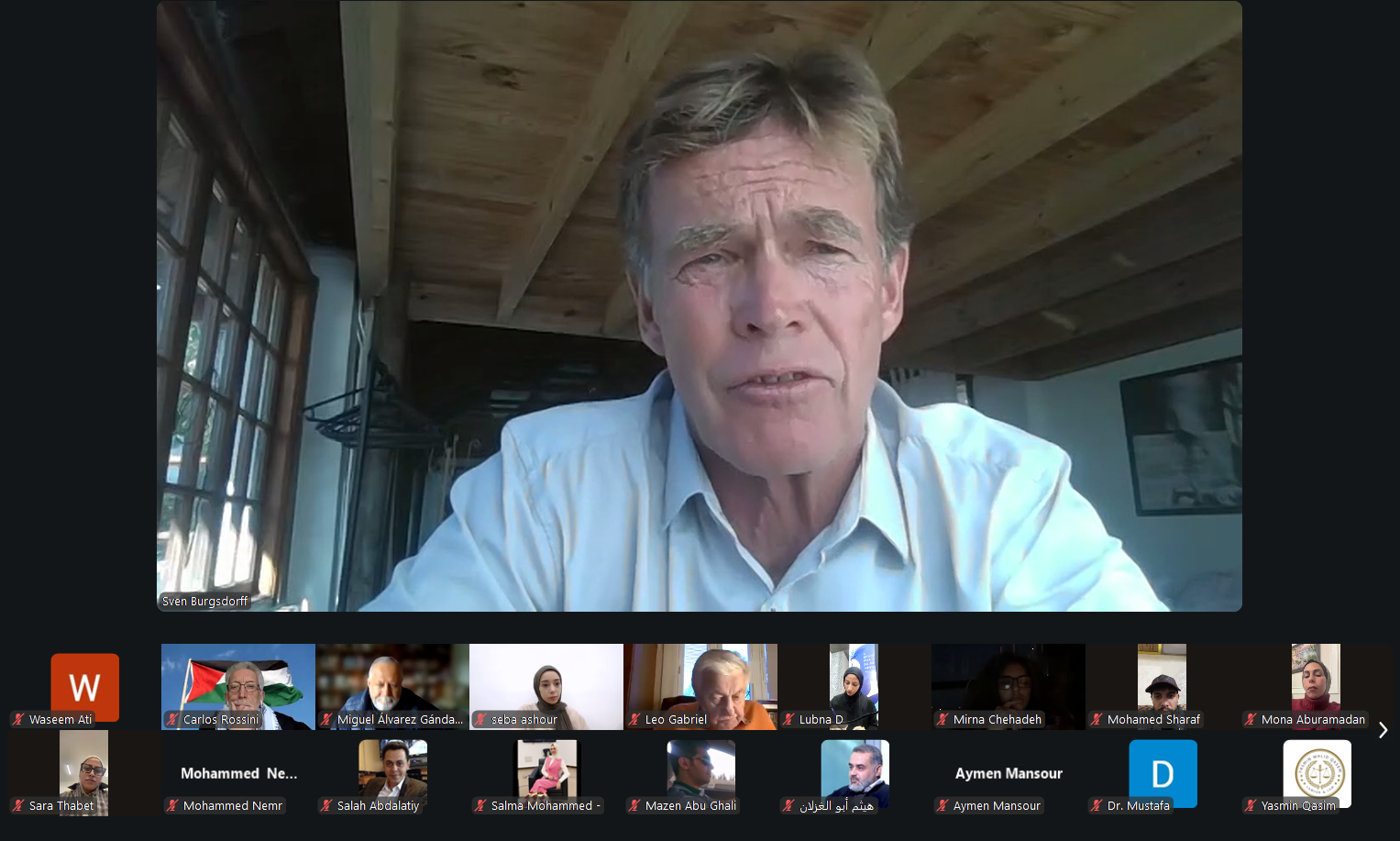
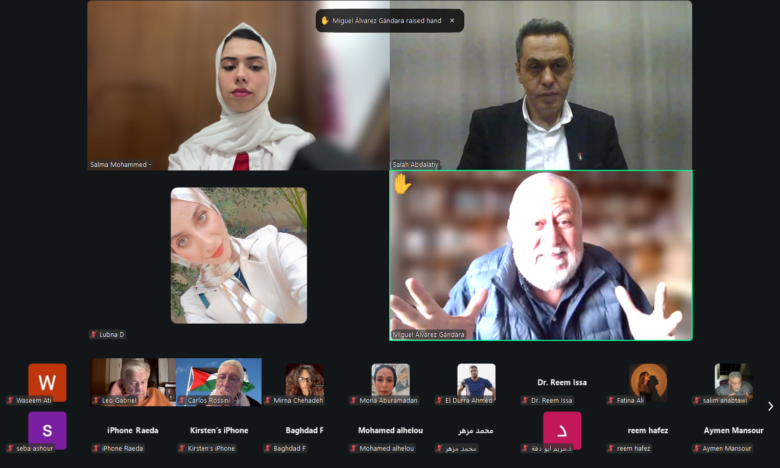
With the participation of international, human rights, and diplomatic figures from several countries, and approximately 50 attendees, the International Commission to Support Palestinian Rights (ICSPR) organized an international webinar on Wednesday, 25 November 2026, via Zoom, entitled “Global Solidarity with Palestine: Gaza Cannot Wait,” marking the International Day of Solidarity with the Palestinian People.
The webinar aimed to highlight the ongoing Israeli aggression and violations in the Gaza Strip, the West Bank, and occupied Jerusalem; assess the international response; and explore ways to strengthen the global solidarity movement and move beyond expressions of sympathy and condemnation towards effective political, legal, diplomatic, and grassroots action that contributes to protecting the Palestinian people and holding those responsible for crimes committed against them accountable.
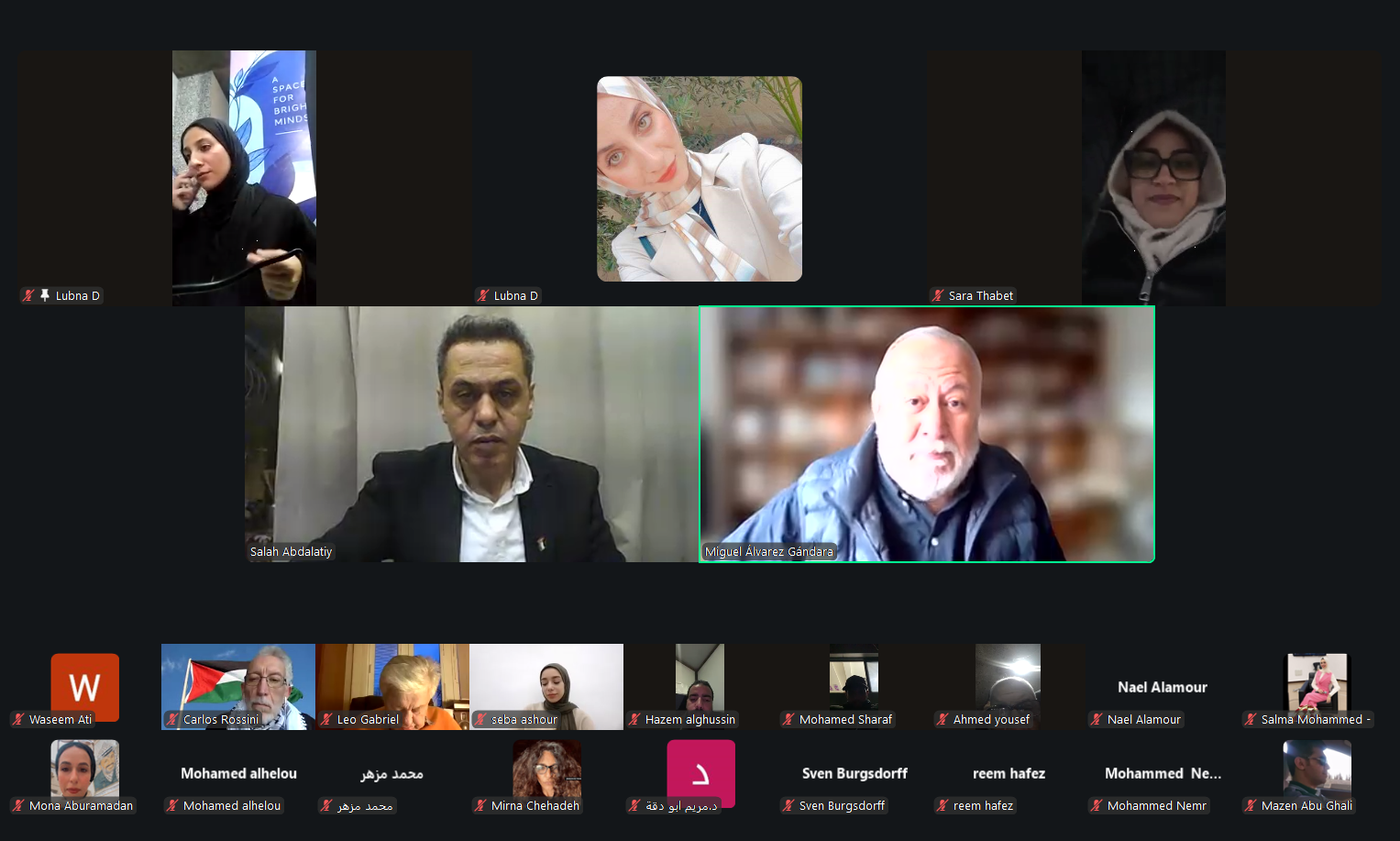
The webinar was moderated by lawyer Lubna Deeb, with the participation and coordination of ICSPR’s human rights and media team, including media officer Salma Mohammed and lawyer Saba Ashour. It brought together a distinguished group of former diplomats, human rights advocates, academics, and international activists from Europe, Latin America, the United Kingdom, and Russia. Participants discussed developments in Palestine, the consequences of ongoing violations, the crisis of the international system, and mechanisms for building international solidarity coalitions capable of genuinely influencing the positions of governments and international institutions.
In the keynote briefing, Dr. Salah Abd Alati, Director General of ICSPR, reviewed the humanitarian and field situation in the occupied Palestinian territory, presenting documented information on the continuation of Israeli violations despite the announcement of a ceasefire agreement. He noted that during the period referred to as the ceasefire, more than 1,690 Palestinians had been killed and over 6,200 injured in the Gaza Strip. He also highlighted the continuation of massacres and attacks against civilians, noting that ten Palestinians were killed on the day of the webinar alone, including four members of the same family in a massacre targeting the home of police officer Mohammed Odeh.
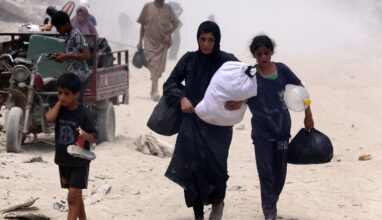
Abd Alati addressed the catastrophic humanitarian consequences as winter approaches, amid the continued obstruction of the entry of prefabricated housing units, tents, medical supplies, medicines, and relief equipment. He also highlighted the spread of serious infectious diseases, particularly meningitis among children and women, as a result of environmental contamination and the lack of clean drinking water. He further noted that approximately 22,000 patients and injured people face increasing risks due to the arbitrary restrictions preventing them from travelling outside the Gaza Strip to receive medical treatment, while the humanitarian assistance permitted to enter does not exceed 40% of the population’s minimum essential needs. He also highlighted the continued targeting of the United Nations Relief and Works Agency for Palestine Refugees in the Near East (UNRWA) and attempts to undermine its humanitarian and service-related role.
Addressing the widespread nature of violations, Abd Alati pointed to the continuing escalation in the West Bank, explaining that statistics presented by ICSPR indicate that 1,221 Palestinians have been killed over the past three years, including more than 260 Palestinians killed by terrorist settler militias, amid expanding settlement activities and land confiscation. He also addressed the situation of Palestinian prisoners in Israeli occupation prisons, noting that more than 9,500 Palestinian prisoners and detainees are currently held, including 350 children, under harsh and retaliatory detention conditions. He further highlighted ongoing policies of Judaization, home demolitions, and racial discrimination in Jerusalem and the Palestinian territories occupied in 1948.
Abd Alati stressed that developments in the Palestinian territories reflect a profound crisis within the international justice system and a widening gap between the principles and rules of international law and their actual implementation on the ground. He emphasized that ending impunity requires moving beyond traditional positions, developing more effective international pressure mechanisms, and strengthening legal and judicial proceedings against those responsible for crimes and violations.
For his part, Mr. Sven, former European Union representative in Jerusalem and political analyst, presented the experience of establishing the network of “Former Diplomats and Heads of Missions for Peace.” He explained that the initiative was launched during 2024–2025 with a limited number of former European ambassadors before expanding to include more than 500 former senior officials from European Union countries, including former foreign ministers, ambassadors, prime ministers, and deputy chancellors.
Sven noted that the network had issued nine joint statements and published opinion articles in leading European newspapers to pressure governments and decision-making institutions in Brussels. He emphasized that this level of mobilization and engagement by former diplomatic leaders represents an unprecedented experience in the history of modern European diplomacy. He further stressed that any change in the Israeli government would not be sufficient to end the occupation unless accompanied by decisive international, Arab, and European pressure to enforce compliance with international law.
In turn, Mr. Miguel Álvarez Gándara, representative of the Platform for Peace, Human Rights and Democracy in Latin America and the Global Alliance for Solidarity with Palestine, affirmed that the Palestinian cause is no longer merely a regional crisis but has become a global symbol of resistance to neo-colonialism and systems of domination and repression. He stressed the need to establish a unified solidarity agenda bringing together social movements, human rights networks, and anti-colonial forces worldwide.
Gándara outlined four strategic priorities for action: responding urgently to the humanitarian catastrophe and working to break the blockade and ensure the entry of humanitarian assistance; building on legal and judicial developments before the International Court of Justice; confronting settlement expansion in the West Bank and Jerusalem while reaffirming the right of return; and supporting the unity and independence of Palestinian political and civil actors as the primary reference for international action and advocacy.
Ms. Saba Ashour also delivered a statement on behalf of Dr. Araik Oganesovich Stepanyan, President of the Academy of Geopolitical Problems in Moscow and Secretary-General of the United Nations of the World Global Majority (UNWGM). His intervention addressed the crisis of unilateral hegemony and the major powers’ disregard for international institutions and the United Nations Security Council. He criticized policies of military superiority and political domination, and highlighted the establishment of the organization in Moscow in November 2024, with the participation of representatives from 22 countries, as a popular framework for cooperation among the peoples of the global majority.
Stepanyan called for reconsidering the existing centres of international decision-making, strengthening the role of international blocs, particularly the BRICS countries, and linking the struggles of anti-colonial peoples through more independent international alliances capable of influencing global policies.
In a humanitarian and academic testimony, Ms. Sara Thabet Daghmash, a researcher and activist from the Gaza Strip who holds a master’s degree in Public and Cultural Diplomacy from the University of Siena in Italy, shared her experience of confronting the contradiction between international diplomatic and legal principles and the reality experienced by her family in Gaza.
Daghmash recounted her family’s suffering, explaining that her father was injured on 19 December 2023 and remained trapped inside his home for 12 consecutive days, with ambulances unable to reach him. She also described the complete loss of communication with her family in Gaza between 2 December 2023 and 4 January 2024. Furthermore, she recounted the injury of her brother, who was 17 years and nine months old at the time, when he was targeted by an explosive robot on 22 September 2024, followed by the refusal to allow him to travel to Italy for medical treatment despite the official approvals and correspondence issued by the Italian side.
Daghmash emphasized that these experiences expose the profound gap between the Geneva Conventions, International Court of Justice rulings, and international protection principles on the one hand, and the reality faced by Palestinian civilians on the other. She questioned the credibility of the international system and United Nations institutions when resolutions and conventions remain unimplemented, calling for innovative pressure mechanisms that make international law and diplomacy effective instruments of protection and accountability rather than mere texts and statements.
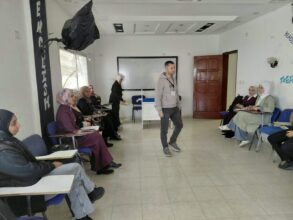
For her part, media officer Salma Mohammed delivered a statement on behalf of British activist and solidarity campaigner Lara Hamidan, who was unable to attend due to being hospitalized. Hamidan reflected on her previous experience as an English language teacher at AMIDEAST in the Gaza Strip and the determination to live and passion for education she witnessed among Palestinians, despite the destruction and repeated attacks on civilian facilities.
Hamidan also addressed the growing grassroots solidarity movement in the United Kingdom and around the world through marches, demonstrations, petitions, artistic and musical events, and fundraising campaigns for Gaza. She emphasized the importance of grassroots action in exposing the reality of violations and strengthening international solidarity. She also criticized attempts by the occupation to appropriate Palestinian heritage and culture, including traditional food and music, stressing that the Palestinian people are not merely a people expected to endure hunger and fear, but a free people entitled to live with dignity and exercise their rights free from occupation.
The webinar also featured interactive discussions and political and human rights interventions addressing ways to develop the global solidarity movement and reaffirm the Palestinian cause as a national liberation struggle. Dr. Maryam stressed the need to move beyond superficial political solutions and approach the Palestinian cause within the framework of confronting settler colonialism. She also called for building a global front against imperialism and Zionism, while strengthening legal and media documentation of violations in multiple languages.
For his part, Mr. Carlos, a biologist and solidarity activist, stressed the importance of addressing the Israeli occupation system as an apartheid regime. He called for avoiding reliance on changes in US administrations, given the continued political and military support for the occupation across successive administrations. He further emphasized the need to develop economic, trade, academic, and cultural boycott mechanisms and impose effective sanctions to isolate the occupation and hold it accountable.
In the discussion on the role of Palestinian political forces inside the occupied territories, Mr. Leo Gabriel, representative of the World Social Forum, raised a question about the possibility of unifying Arab political parties inside Israel within a joint political and grassroots movement. In response, Dr. Salah Abd Alati explained that the Arab parties’ securing of 19 seats in the Knesset represents an important achievement in strengthening the defence of the rights of the indigenous population and confronting policies of exclusion, land confiscation, and organized crime. He stressed that this parliamentary role constitutes one of the tools for defending Palestinian rights, but must complement grassroots and diplomatic action and contribute to confronting Israeli policies aimed at marginalizing Arab representatives and undermining their role.
At the conclusion of the webinar, participants agreed on the need to move the international solidarity movement beyond sympathy and statements towards organized and sustainable influence and pressure. They presented a roadmap encompassing several political, legal, humanitarian, and grassroots tracks, most notably:
- Strengthening political pressure and international grassroots mobilization: Calling for the organization of a global civil disobedience movement that raises the political and economic cost of the occupation, and transforming the International Day of Solidarity with the Palestinian People on 29 November into a significant mobilization milestone through demonstrations, public events, and pressure on decision-making centres and parliaments worldwide.
- Advancing legal action and international accountability: Intensifying efforts to prosecute those responsible for war crimes and violations before competent national courts under the principle of universal jurisdiction; supporting the implementation of International Court of Justice rulings and provisional measures; pursuing cases before the International Criminal Court; and confronting pressures aimed at undermining the independence of international justice.
- Activating the role of the United Nations: Calling on the UN General Assembly to invoke Resolution 377, “Uniting for Peace,” to overcome the paralysis of the Security Council, work towards providing immediate international protection for the Palestinian people in Gaza, the West Bank, and Jerusalem, and consider the deployment of protection and peacekeeping forces, alongside the establishment of international fact-finding committees.
- Banning arms transfers and strengthening boycotts: Supporting initiatives by trade unions and port workers to prevent the loading and export of arms shipments to Israel; advocating legislation prohibiting trade in settlement products; imposing sanctions on colonial settlement companies; and expanding economic, academic, and cultural boycott campaigns.
- Protecting UNRWA and strengthening the humanitarian response: Confronting ongoing attempts to target the United Nations Relief and Works Agency for Palestine Refugees in the Near East (UNRWA), ensuring sustainable financial and political support for the Agency, and demanding the immediate entry of prefabricated housing units, tents, winter supplies, fuel, and medical equipment, as well as facilitating the evacuation of approximately 22,000 patients and injured people in need of medical treatment outside the Gaza Strip.
- Ending Palestinian division and rebuilding the Palestinian political system: Emphasizing the need to restore national unity, end political division, and rebuild the Palestinian political system on democratic and participatory foundations, strengthening the independence of national decision-making and establishing a unified Palestinian reference for political, diplomatic, and human rights action.
Dr. Salah Abd Alati also issued an open invitation to activists, human rights advocates, and solidarity supporters worldwide to join ICSPR’s “Goodwill Ambassadors Network,” with the aim of expanding the international solidarity base, providing its members with human rights memoranda and periodic reports, and coordinating advocacy, field, and legal efforts across different countries.
Participants affirmed that defending Palestine is not limited to solidarity with a geographical cause or a people subjected to aggression. Rather, it represents a defence of international law, human rights, and human dignity, as well as the international community’s ability to protect peoples from occupation, colonialism, and impunity.
This webinar comes within the framework of the ongoing efforts of the International Commission to Support Palestinian Rights (ICSPR) to strengthen international solidarity with the Palestinian people, expand cooperation and networking with human rights and diplomatic institutions, grassroots movements, and activists worldwide, and develop mechanisms for advocacy, pressure, and accountability. These efforts aim to transform positions of solidarity into practical and sustainable action that contributes to ending Israeli violations, ensuring protection for the Palestinian people, and safeguarding their legitimate national and human rights.